

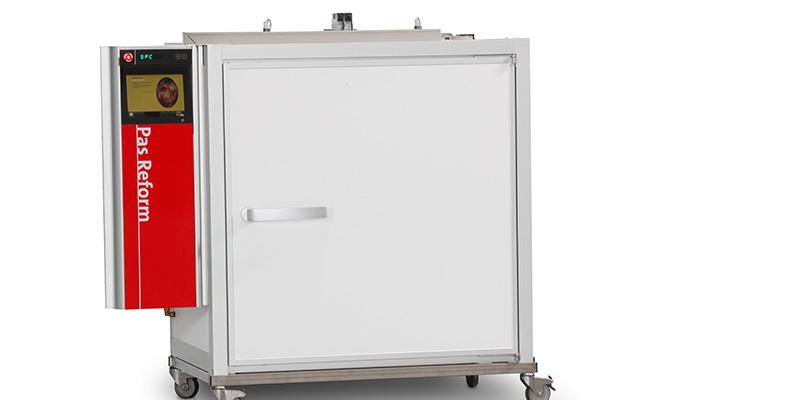
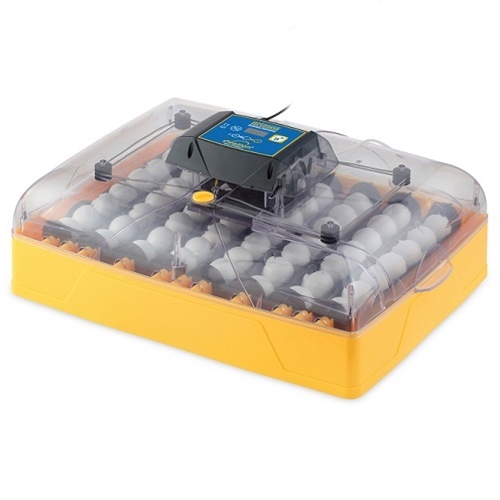
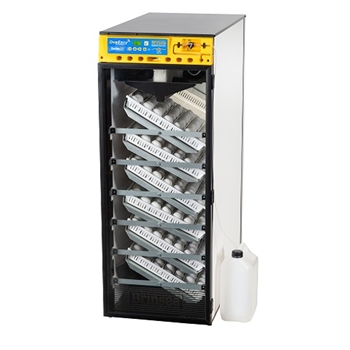
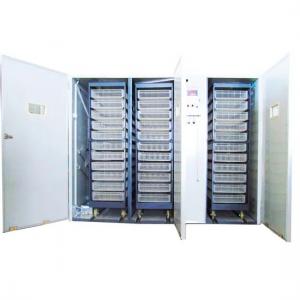
| Product Name | Hatching Egg Heat Treatment Incubator | ||||||||||||||||||||||||||
| Product Image |  |
||||||||||||||||||||||||||
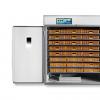
| Product Overview | The Hatching Egg Heat Treatment Incubator is a specialized commercial hatchery system designed to apply controlled short periods of warming to fertile eggs during storage before normal incubation. Longer egg storage can negatively affect embryo viability, hatchability and chick uniformity. Controlled heat treatment during storage, commonly associated with short-period incubation during egg storage practices, is used to temporarily reactivate embryonic development before the eggs are cooled and returned to storage. The system is suitable for broiler breeder, layer breeder, turkey and other poultry hatcheries that need more consistent management of stored fertile eggs and improved integration between egg storage and subsequent incubation. |
||||||||||||||||||||||||||
| Key Features |
|
||||||||||||||||||||||||||
| Structural Components |
|
||||||||||||||||||||||||||
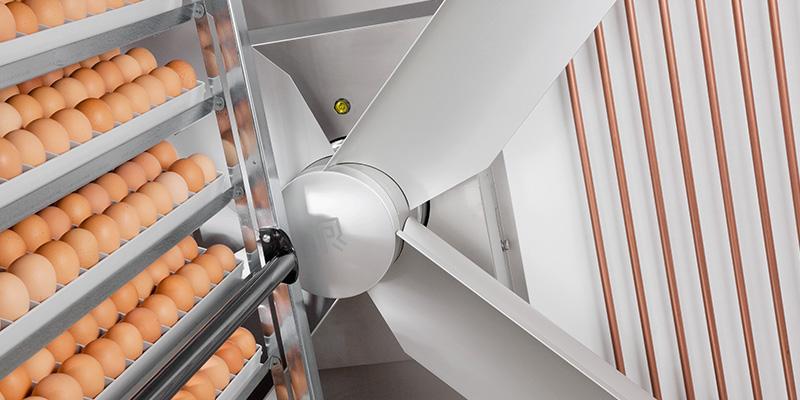
| Working Principle | Stored fertile eggs are loaded into the treatment incubator on trays and trolleys. The control system starts a programmed cycle in which the eggs are gradually warmed under controlled airflow. The temporary warming period allows embryonic development to resume for a limited time. The system then transitions into a controlled cooling phase so that the eggs can be returned to suitable storage conditions before normal incubation. Accurate control of both heating and cooling is important because excessive or poorly controlled treatment may adversely affect embryo development. Treatment programs should therefore be selected according to poultry species, egg age, storage history and hatchery management procedures. |
||||||||||||||||||||||||||
| Technical Specifications |
|
||||||||||||||||||||||||||
| Applications |
|
||||||||||||||||||||||||||
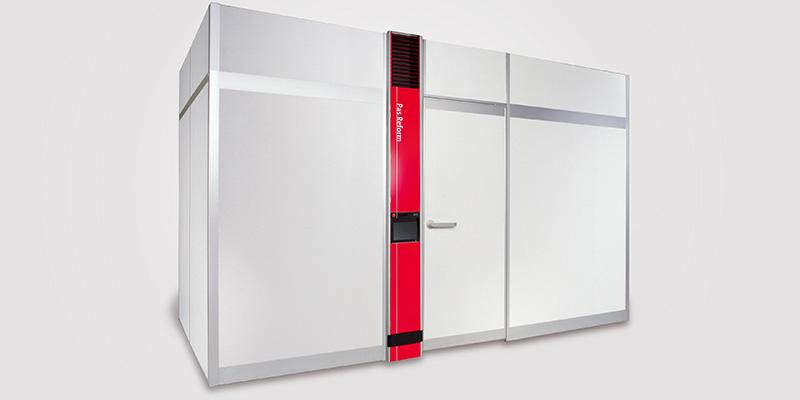
| Customization Options | The Hatching Egg Heat Treatment Incubator can be configured according to hatchery capacity, poultry species, weekly egg volume, typical storage duration and existing egg trolley system. Customization options may include egg capacity, trolley arrangement, tray compatibility, chamber dimensions, heating and cooling configuration, sensor package, control interface, alarm functions and electrical specifications. Complete system design is available according to project requirements and can be coordinated with egg storage rooms, hatchery climate control, building layout and local operating conditions. |
||||||||||||||||||||||||||
| Installation & Maintenance | The equipment should be installed near the hatching egg storage and setter areas to maintain an efficient trolley movement route and minimize unnecessary egg handling. Installation planning should consider floor level, door clearance, trolley access, ventilation, cooling services, drainage and electrical connections. The equipment should be positioned with sufficient access for maintenance and sanitation. Routine maintenance includes checking temperature sensors, fan operation, heating elements, cooling circuits, door seals, control functions and alarm systems. Internal surfaces, trays and trolleys should be cleaned and disinfected according to the hatchery biosecurity program. |
||||||||||||||||||||||||||
| Project Cases | In commercial hatcheries where production schedules require fertile eggs to remain in storage for extended periods, a dedicated heat-treatment incubator can be integrated between the egg storage room and setter department. The treatment unit can serve multiple breeder flocks with different egg ages by applying hatchery-specific programs before eggs return to storage or proceed to normal incubation. This configuration can support more consistent hatchery planning and better management of variable egg-storage periods. |
||||||||||||||||||||||||||
| Product FAQ | Q: Is this equipment a normal poultry setter? A: No. It is primarily designed for controlled short-period heat treatment of stored hatching eggs before normal incubation. Q: Why are stored hatching eggs heat-treated? A: Controlled heat treatment is used to help reduce storage-related losses in embryonic viability and support more uniform development before normal incubation. Q: Can eggs be returned to storage after treatment? A: Yes. A typical treatment cycle includes controlled heating followed by cooling so that the eggs can return to suitable storage conditions according to the hatchery program. Q: Can the system be used for long-stored eggs? A: Yes. Stored eggs are a primary application, but the treatment schedule must be selected according to egg age, poultry species and hatchery management requirements. Q: Can treatment programs be customized? A: Yes. Program configuration can be adapted according to poultry species, egg age, storage history and project requirements. Q: What information is required for quotation? A: Recommended information includes poultry species, weekly egg volume, average and maximum storage duration, egg tray and trolley type, hatchery layout, available utilities and local electrical standard. |
||||||||||||||||||||||||||
| Product Gallery |  |
- Home
-
Products
- Pig Farming Equipment
- Cattle Farming Equipment
- Sheep & Goat Farming Equipment
- Poultry Farming Equipment
- Feeding & Drinking Systems
- Veterinary & Breeding Equipment
- Testing & Diagnostic Equipment
- Cleaning & Biosecurity Equipment
- Climate Control Equipment
- Livestock Weighing Equipment
- Manure & Waste Management
- Farm Transport & Handling
-
Solutions
- Pig Farm Solutions
- Dairy Farm Solutions
- Beef Cattle Farm Solutions
- Sheep & Goat Farm Solutions
- Layer Farm Solutions
- Broiler Farm Solutions
- Feeding & Drinking System Solutions
- Climate Control Solutions
- Biosecurity & Disinfection Solutions
- Manure & Waste Management
- Smart Farming Solutions
- Farm Renovation and Upgrade Solutions
- Partners
- Projects
- Resources
- News
- About Us
- Contact
Comments & Inquiries
Leave your questions or requirements below. We will reply as soon as possible.