

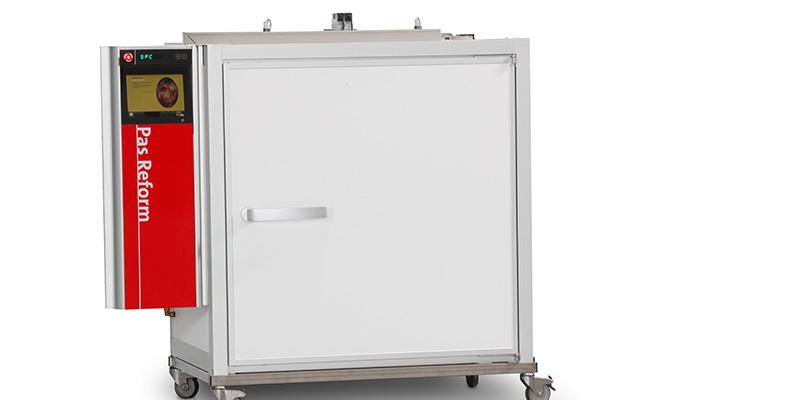
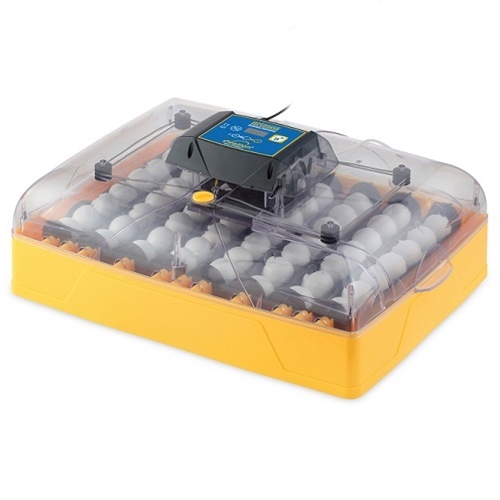
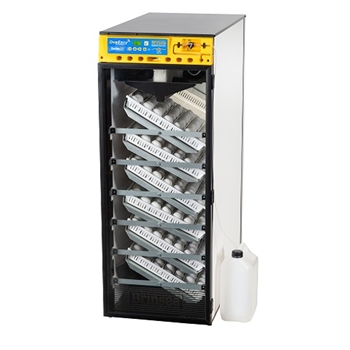
| Product Name | Commercial Poultry Egg Incubator | ||||||||||||||||||||||||
| Product Image |  |
||||||||||||||||||||||||
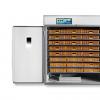
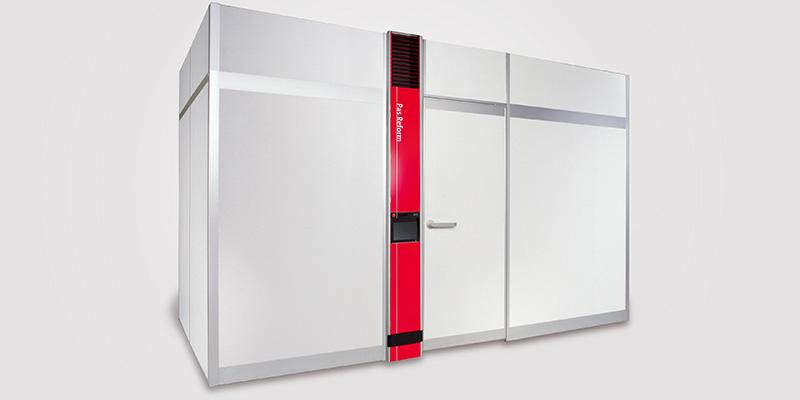
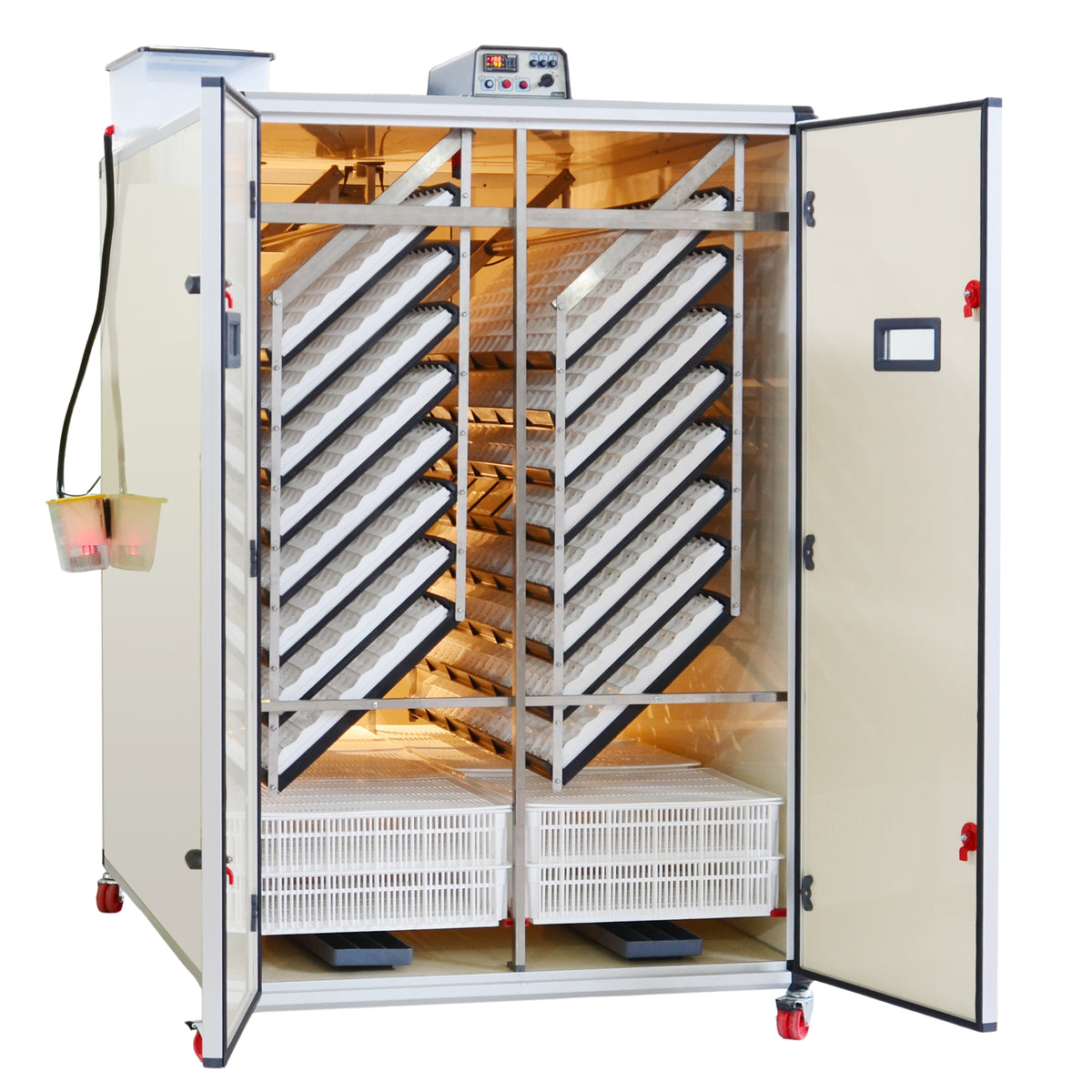
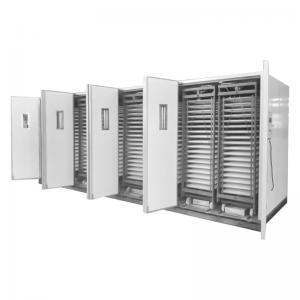
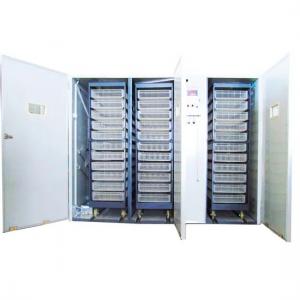
| Product Overview | The Commercial Poultry Egg Incubator is designed for controlled artificial incubation in commercial hatcheries, breeder farms and poultry production projects. It provides a stable incubation environment by coordinating temperature, humidity, airflow, ventilation and egg turning according to the selected incubation program. The equipment can be configured as a setter, hatcher or combined incubation solution depending on hatchery workflow. Single-stage systems provide synchronized environmental control for eggs at the same developmental stage, while multi-stage systems can accommodate eggs at different incubation stages within the same machine. :contentReference[oaicite:1]{index=1} The cabinet structure, egg rack arrangement, control system and incubation capacity can be customized according to hatchery scale, poultry species, room layout, utilities and local operating conditions. |
||||||||||||||||||||||||
| Key Features |
Modern commercial incubators commonly combine environmental control, airflow management and automated turning to improve process consistency. Jamesway's current single-stage systems, for example, emphasize control of airflow, temperature, humidity and CO2, together with trolley-level turning and sealed cabinet construction. :contentReference[oaicite:2]{index=2} |
||||||||||||||||||||||||
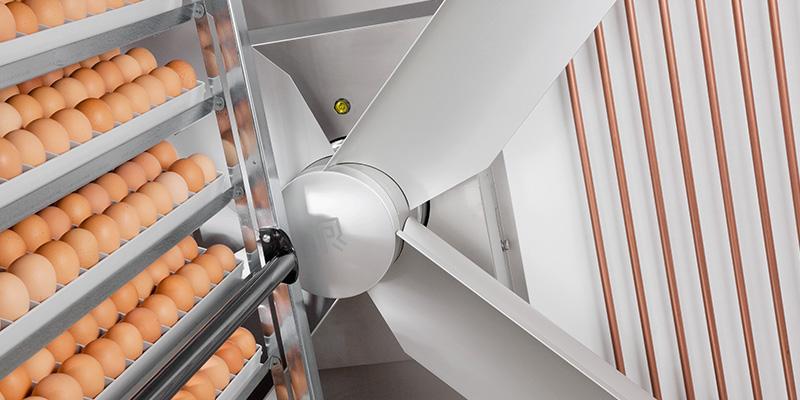
| Structural Components | A typical commercial poultry egg incubator consists of an insulated cabinet, access doors, egg racks or trolleys, setter trays, hatcher baskets where applicable, heating system, cooling system, humidification system, circulation fans, ventilation dampers, temperature and humidity sensors, control panel, electrical cabinet and safety protection components. The cabinet may use insulated sandwich panels or other hygienic enclosure materials with smooth internal surfaces suitable for hatchery sanitation. Structural materials and surface finishes can be selected according to humidity, washing procedures, disinfectants, local climate and project requirements. For large hatcheries, multiple incubator units can be arranged as part of a coordinated setter, hatcher, egg transfer and hatchery automation layout. |
||||||||||||||||||||||||
| Working Principle / Structural Principle | Fertile eggs are loaded into setter trays and placed inside the incubator. The control system maintains the programmed temperature and humidity while fans circulate conditioned air through the egg racks. Ventilation is adjusted to provide fresh air and remove excess heat and moisture as embryo development progresses. During the setter stage, the automatic turning mechanism periodically changes egg position to support normal embryo development. At the appropriate stage, eggs are transferred from setter trays to hatcher baskets or a designated hatching compartment, depending on the hatchery configuration. In a single-stage system, eggs of similar developmental age are incubated under a coordinated environmental profile. In a multi-stage system, eggs at different developmental stages share the machine environment, with airflow and heat management designed around the combined embryo load. :contentReference[oaicite:3]{index=3} |
||||||||||||||||||||||||
| Technical Specifications |
|
||||||||||||||||||||||||
| Applications | The Commercial Poultry Egg Incubator is suitable for:
The equipment can form part of a complete hatchery process together with egg storage, egg grading, pre-incubation treatment, setter loading, egg transfer, hatching, chick processing and hatchery climate-control systems. |
||||||||||||||||||||||||
| Customization Options | The incubator can be configured according to hatchery capacity, poultry species, production schedule, room dimensions and local utility conditions. Customization may include incubation capacity, cabinet dimensions, number and arrangement of racks or trolleys, egg tray type, single-stage or multi-stage operation, temperature and humidity control strategy, ventilation arrangement, cooling method, humidification system, turning mechanism, control interface, alarms, data monitoring and hatchery automation interfaces. For large commercial projects, equipment configuration can be coordinated with hatchery room layout, air-conditioning systems, electrical supply, water supply, drainage, biosecurity zones and material-handling routes. |
||||||||||||||||||||||||
| Installation & Maintenance | The incubator should be installed in a dedicated hatchery room with appropriate environmental conditions, ventilation, electrical supply, water supply where required, drainage and sufficient service clearance. Final installation requirements depend on the selected machine configuration. Before commissioning, the cabinet should be inspected, sensors checked and control parameters verified. Egg trays, racks and internal surfaces should be cleaned and disinfected according to the hatchery's biosecurity procedures. Routine maintenance includes inspection and calibration of temperature and humidity sensors, cleaning of fans and ventilation components, inspection of heaters and cooling systems, checking of turning mechanisms, door seals and electrical connections, and sanitation of internal surfaces. Maintenance intervals should follow the final equipment configuration and operating conditions. |
||||||||||||||||||||||||
| Hatchery Project Integration | For commercial hatchery projects, incubator selection should be coordinated with the complete production workflow rather than considered as an isolated machine. Room dimensions, egg storage capacity, setter and hatcher positions, trolley movement, egg transfer routes, ventilation, cooling, electrical systems, water supply and sanitation procedures should be considered during the engineering stage. For new steel structure or industrial hatchery buildings, equipment dimensions, maintenance access, service corridors, floor loading, door openings and utility connections can be coordinated with the building design. This approach supports efficient installation, future expansion and reliable daily operation. |
||||||||||||||||||||||||
| Product FAQ |
Q1: What is a commercial poultry egg incubator? Q2: What is the difference between a setter and a hatcher? Q3: Can the incubator be customized for different hatchery capacities? Q4: Is automatic egg turning available? Q5: Can the incubator be used for poultry species other than chicken? Q6: Can it be integrated into a complete hatchery project? Q7: What information is required for a quotation? |
||||||||||||||||||||||||
| Product Gallery |
  |
- Home
-
Products
- Pig Farming Equipment
- Cattle Farming Equipment
- Sheep & Goat Farming Equipment
- Poultry Farming Equipment
- Feeding & Drinking Systems
- Veterinary & Breeding Equipment
- Testing & Diagnostic Equipment
- Cleaning & Biosecurity Equipment
- Climate Control Equipment
- Livestock Weighing Equipment
- Manure & Waste Management
- Farm Transport & Handling
-
Solutions
- Pig Farm Solutions
- Dairy Farm Solutions
- Beef Cattle Farm Solutions
- Sheep & Goat Farm Solutions
- Layer Farm Solutions
- Broiler Farm Solutions
- Feeding & Drinking System Solutions
- Climate Control Solutions
- Biosecurity & Disinfection Solutions
- Manure & Waste Management
- Smart Farming Solutions
- Farm Renovation and Upgrade Solutions
- Partners
- Projects
- Resources
- News
- About Us
- Contact
Comments & Inquiries
Leave your questions or requirements below. We will reply as soon as possible.