

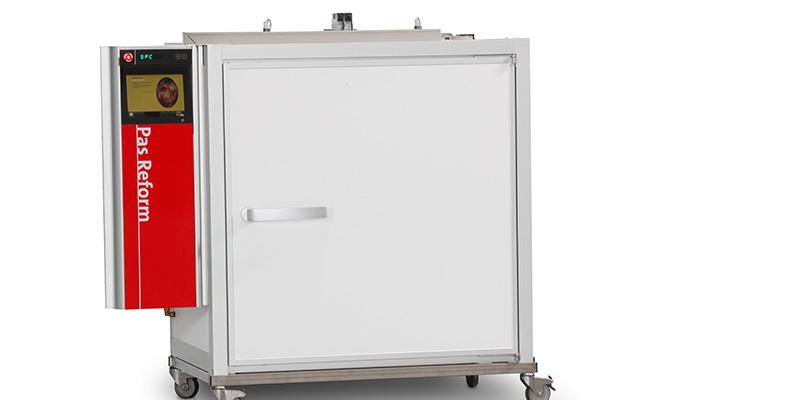
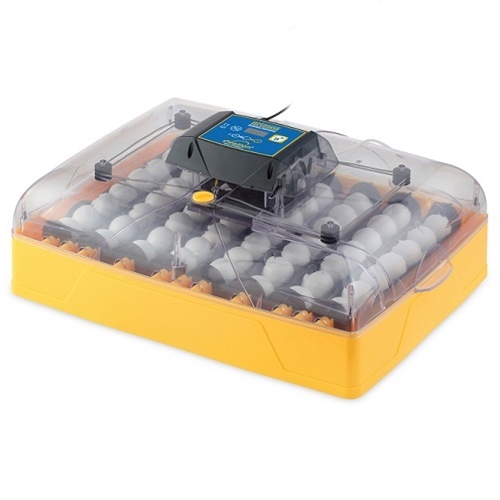
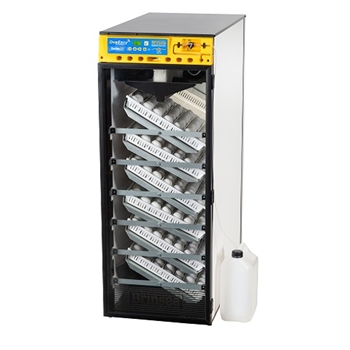
| Product Name | Multi-Stage Poultry Incubator | ||||||||||||||||||||||||
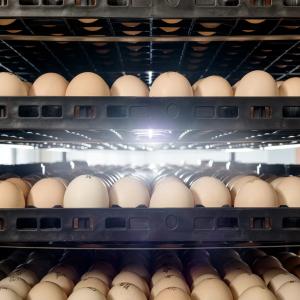
| Product Image |  |
||||||||||||||||||||||||
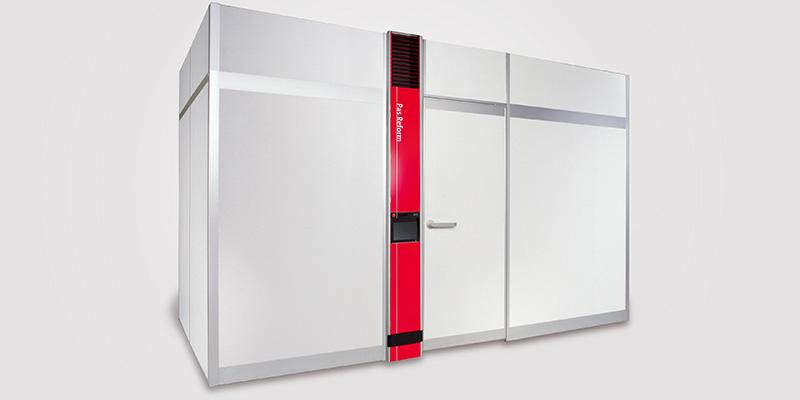
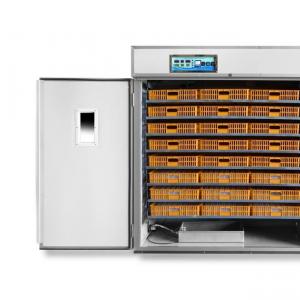
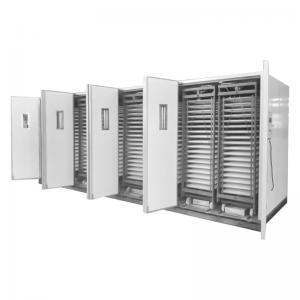
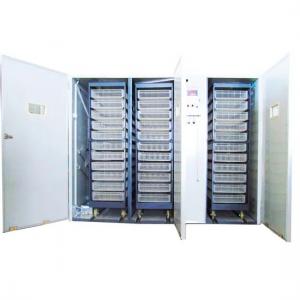
| Product Overview | The Multi-Stage Poultry Incubator is a commercial hatchery setter designed to accommodate fertile eggs at different stages of embryonic development within the same incubation system. In a multi-stage incubation process, heat generated by eggs at more advanced stages of development can contribute to warming eggs at earlier stages. Combined temperature, humidity and airflow control maintains a stable incubation environment while supporting efficient energy utilization. The equipment is suitable for established commercial hatcheries operating regular setting schedules and can be integrated with egg trays, setter trolleys, hatchers, egg transfer equipment and complete poultry hatchery systems. |
||||||||||||||||||||||||
| Key Features |
|
||||||||||||||||||||||||
| Structural Components |
|
||||||||||||||||||||||||
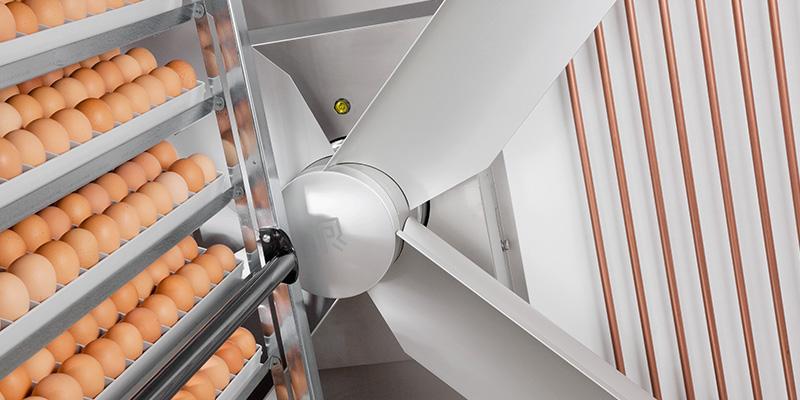
| Working Principle | Multi-stage incubation places several batches of eggs at different incubation ages inside the same setter. Eggs in later development stages generate greater metabolic heat, while younger embryos require additional heat. The air circulation system transfers heat throughout the chamber, allowing part of the metabolic heat from advanced embryos to contribute to warming earlier-stage eggs. Temperature and humidity sensors continuously monitor chamber conditions while the control system regulates heating, cooling, humidification and ventilation. The eggs are automatically turned during the setter period. When each batch reaches the required transfer stage, it is removed from the setter and transferred to a separate hatcher for final incubation and chick emergence. |
||||||||||||||||||||||||
| Technical Specifications |
|
||||||||||||||||||||||||
| Applications |
|
||||||||||||||||||||||||
| Customization Options | System configuration can be customized according to poultry species, weekly egg-setting volume, hatchery production schedule and available building space. Available options may include setter capacity, trolley quantity, egg tray configuration, electrical specification, chamber arrangement, control interface, humidification system, cooling configuration and hatchery ventilation connection. Complete incubation projects can be designed according to local climate and farm conditions, hatchery output requirements and future capacity expansion plans. |
||||||||||||||||||||||||
| Installation & Maintenance | Before installation, the hatchery should provide suitable floor space, electrical supply, ventilation, water supply, drainage and service access according to the selected incubator configuration. The machine should be installed on a level floor and positioned to allow unobstructed trolley movement. Ventilation and cooling systems should be coordinated with the complete hatchery climate design. Routine maintenance includes checking fans, motors, sensors, turning mechanisms, spray nozzles, door seals, electrical components and control functions. Setter chambers and trolleys should be cleaned according to the hatchery's sanitation and biosecurity program. |
||||||||||||||||||||||||
| Project Cases | Multi-stage setters are particularly suitable for established commercial hatcheries operating regular loading schedules, where several age groups of embryos are incubated simultaneously. In large poultry projects, multiple setter rooms can be integrated with egg storage, egg transfer, hatcher rooms, chick processing areas, washing areas and centralized hatchery climate systems. For an existing hatchery expansion, setter quantity and capacity can be selected according to weekly egg input and available service infrastructure. |
||||||||||||||||||||||||
| Product FAQ | Q: What is a multi-stage poultry incubator? A: It is a setter that incubates several batches of eggs at different embryonic development stages within the same chamber. Q: How does multi-stage incubation use metabolic heat? A: Eggs at later development stages produce more metabolic heat. Air circulation allows part of this heat to contribute to maintaining conditions for younger batches. Q: Is automatic egg turning included? A: Automatic egg turning can be integrated according to the selected setter configuration. Q: Is a separate hatcher required? A: Yes. In a conventional commercial hatchery process, eggs are normally transferred from the setter to a hatcher for the final incubation stage. Q: Can the capacity be customized? A: Yes. Incubator capacity and trolley configuration can be selected according to project requirements and hatchery output. Q: What information is required for quotation? A: Recommended information includes poultry species, weekly setting quantity, egg tray type, required production capacity, electrical standard, building dimensions and existing hatchery infrastructure. |
||||||||||||||||||||||||
| Product Gallery | 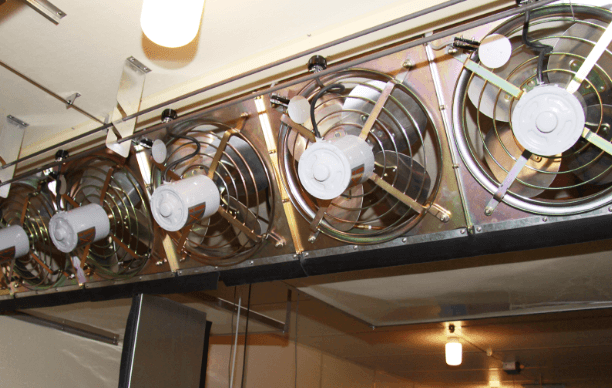 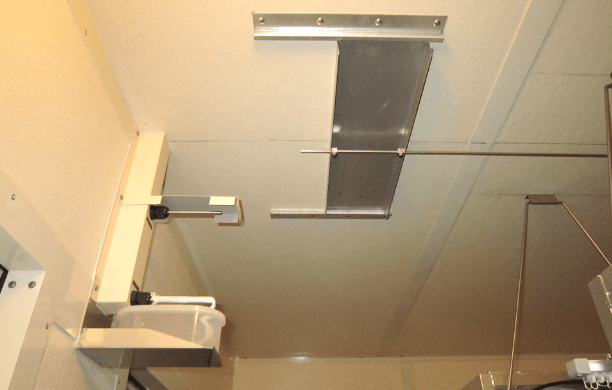 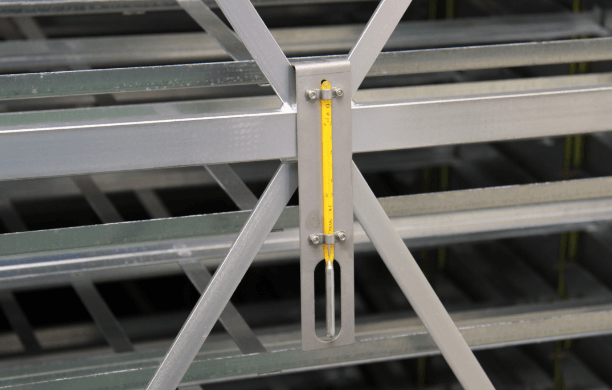 |
- Home
-
Products
- Pig Farming Equipment
- Cattle Farming Equipment
- Sheep & Goat Farming Equipment
- Poultry Farming Equipment
- Feeding & Drinking Systems
- Veterinary & Breeding Equipment
- Testing & Diagnostic Equipment
- Cleaning & Biosecurity Equipment
- Climate Control Equipment
- Livestock Weighing Equipment
- Manure & Waste Management
- Farm Transport & Handling
-
Solutions
- Pig Farm Solutions
- Dairy Farm Solutions
- Beef Cattle Farm Solutions
- Sheep & Goat Farm Solutions
- Layer Farm Solutions
- Broiler Farm Solutions
- Feeding & Drinking System Solutions
- Climate Control Solutions
- Biosecurity & Disinfection Solutions
- Manure & Waste Management
- Smart Farming Solutions
- Farm Renovation and Upgrade Solutions
- Partners
- Projects
- Resources
- News
- About Us
- Contact
Comments & Inquiries
Leave your questions or requirements below. We will reply as soon as possible.