

| Product Showcase | Content | ||||||||||||||
|---|---|---|---|---|---|---|---|---|---|---|---|---|---|---|---|
| Product Name | H₂S Biotrickling Filter for Farm Wastewater Odor | ||||||||||||||
| Product Image |
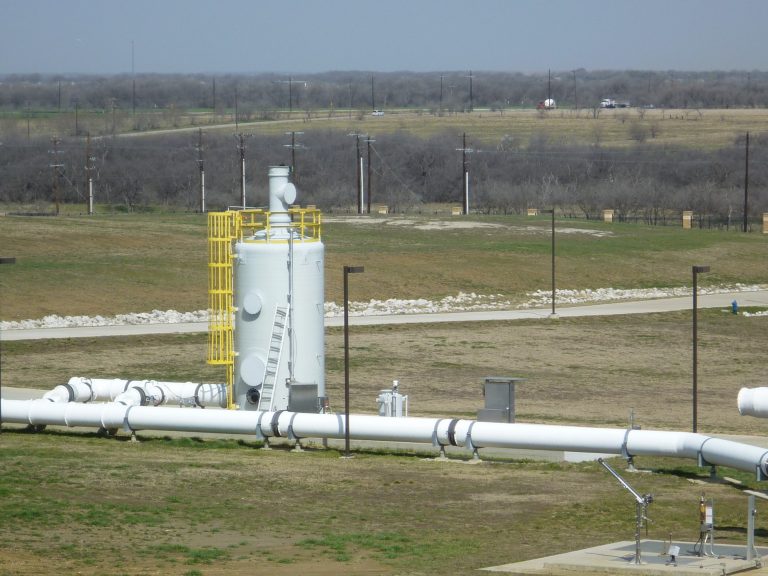 Representative third-party installation image for equipment reference. |
||||||||||||||
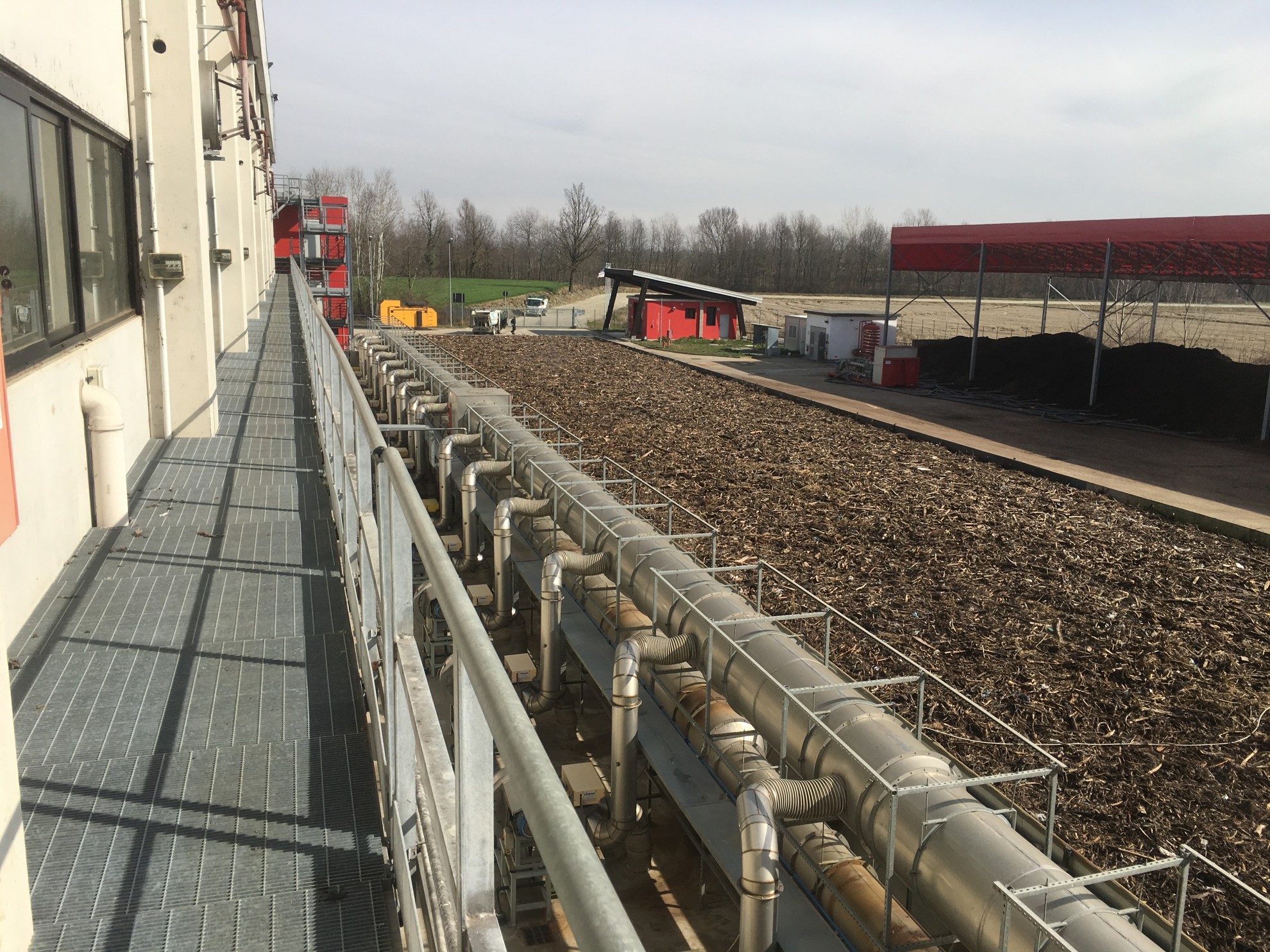
| Product Overview | This biotrickling filter treats H₂S-bearing exhaust collected from covered livestock wastewater tanks, pump pits and manure processing areas. A fan conveys foul air through a packed biological reactor while recirculating water keeps the media wet. The system can be integrated with wastewater treatment buildings, service platforms and steel structure farm facilities as part of a planned odor-control system. | ||||||||||||||
| Key Features |
|
||||||||||||||
| Structural Components | A typical system comprises a corrosion-resistant reactor vessel, structured or random packing, media support, irrigation nozzles, recirculation tank and pump, air inlet and outlet connections, drainage, inspection access and a control panel. Depending on the project, the supply scope may also include an extraction fan, demister, instruments, service platform and downstream polishing stage. | ||||||||||||||
| Working Principle | Collected foul air passes through wetted packing. H₂S transfers into the moisture layer and is biologically oxidized by microorganisms attached to the media. Recirculating liquid distributes moisture across the packing; a controlled bleed and make-up water arrangement manages accumulated dissolved byproducts. Treated air exits through the outlet duct. Actual removal performance depends on inlet loading, airflow, contact time, water quality and operating conditions. | ||||||||||||||
| Technical Specifications |
|
||||||||||||||
| Applications | Suitable for collected exhaust from pig farm wastewater treatment buildings, covered equalization tanks, lift stations, manure reception pits, solid-liquid separation rooms and related livestock effluent handling areas. Air collection and enclosure design should be coordinated with the building ventilation plan. | ||||||||||||||
| Customization Options | Reactor dimensions, media selection, fan duty, inlet and outlet orientation, access arrangements, control functions and optional polishing stages can be configured around the measured odor load and site layout. Connection details can be coordinated with the wastewater facility's concrete foundations, equipment rooms and steel structure service platforms. | ||||||||||||||
| Installation & Maintenance | The vessel is positioned on an engineered foundation and connected to the foul-air duct, water supply, drain, electrical service and controls. Commissioning includes checking airflow, liquid distribution and biological acclimation. Routine work includes inspecting the fan and pump, cleaning spray nozzles, monitoring pressure drop and recirculation conditions, and checking the media through the provided access points. | ||||||||||||||
| Product FAQ |
Can the unit treat an entire pig house? Is a water supply required? What information is needed for sizing? |
||||||||||||||
| Product Gallery |
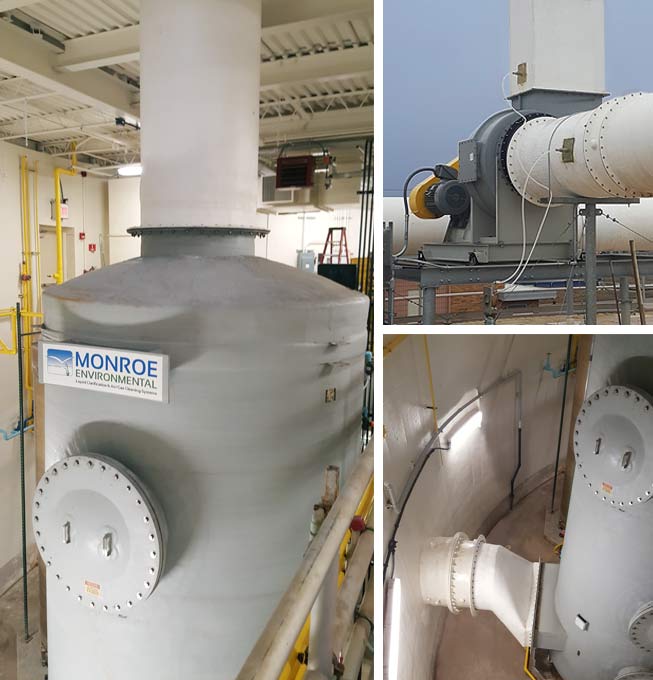
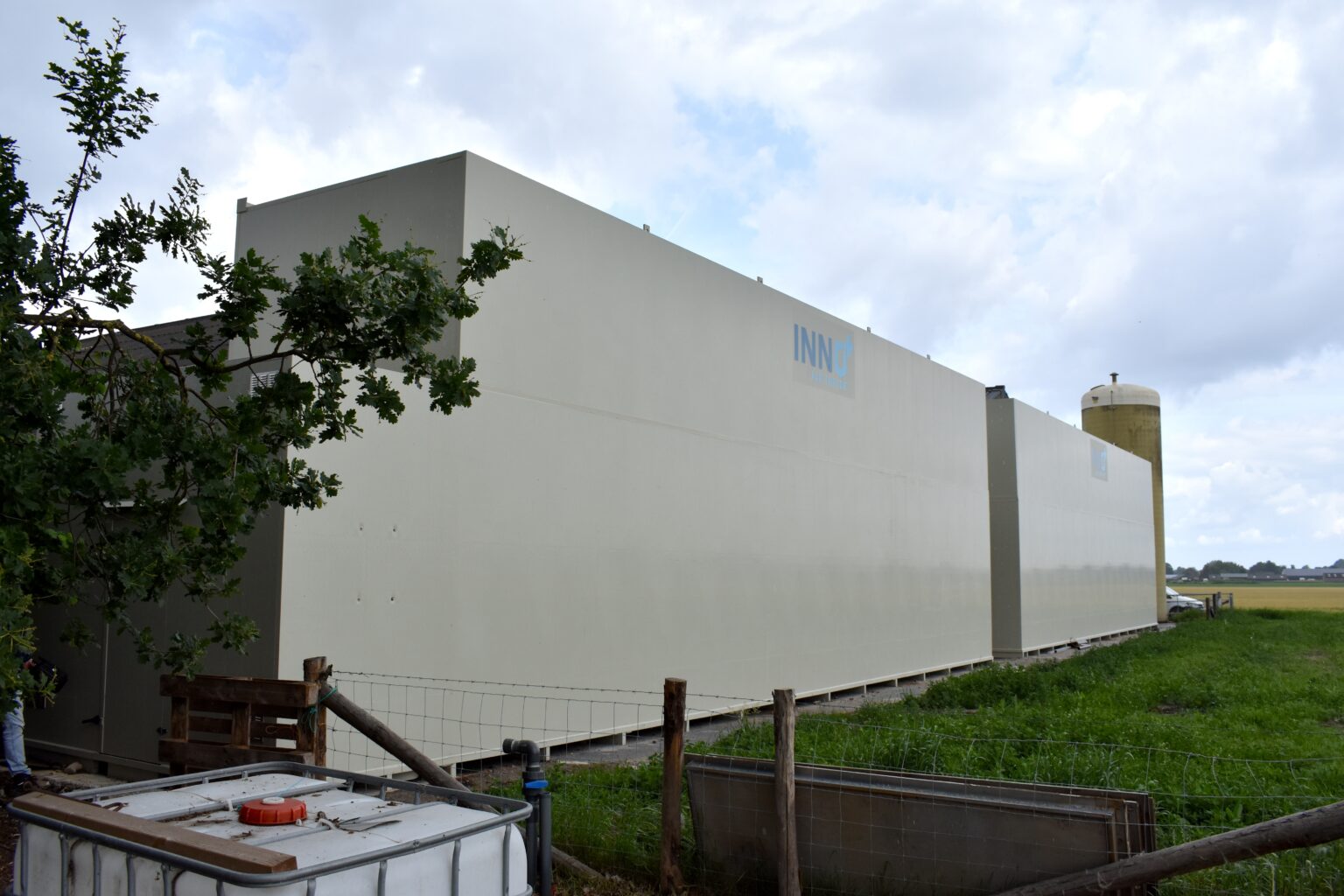
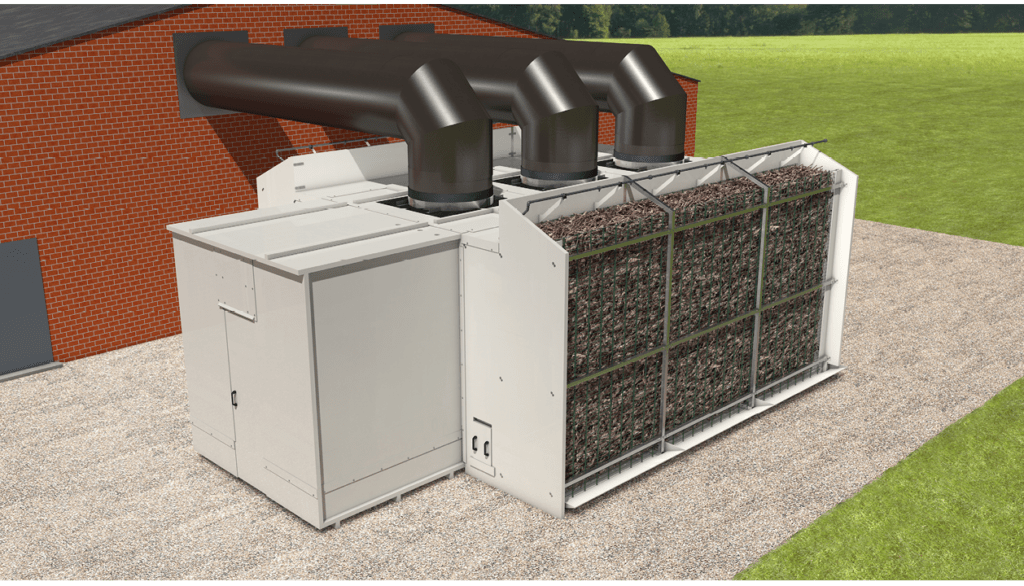
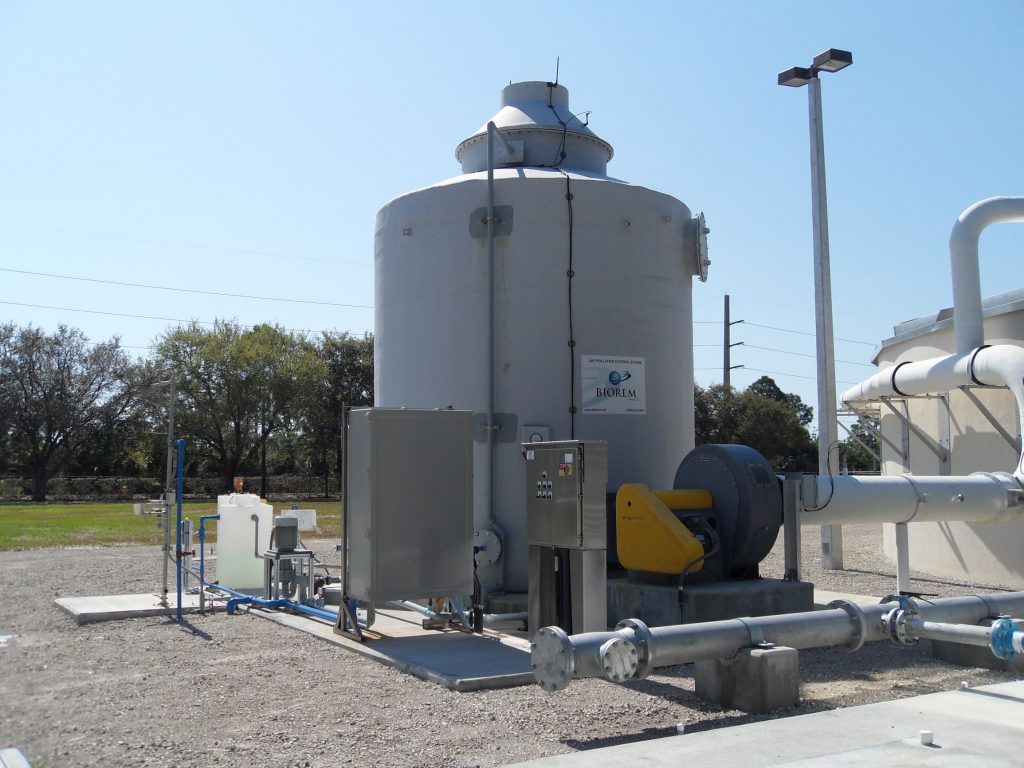 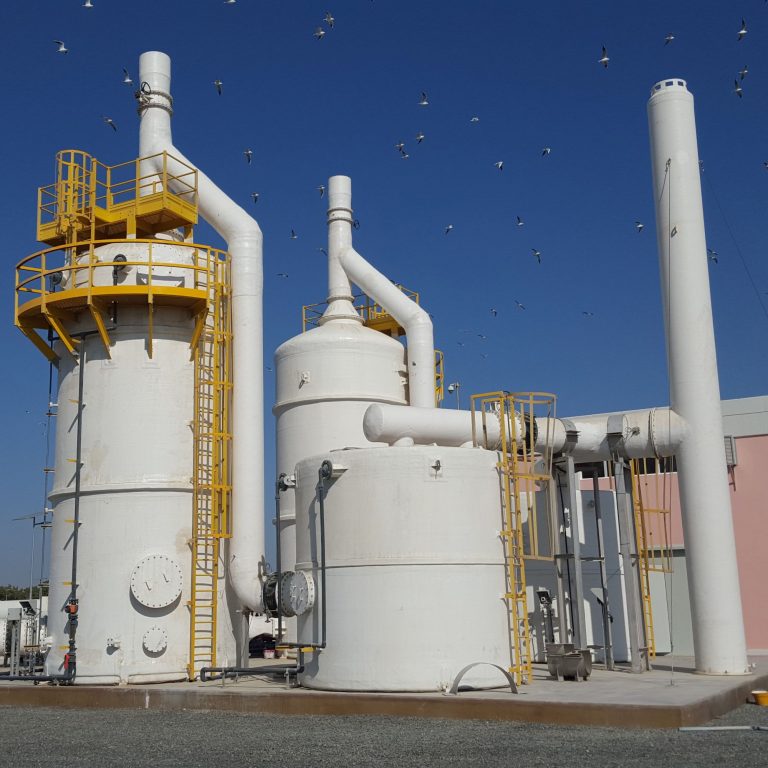 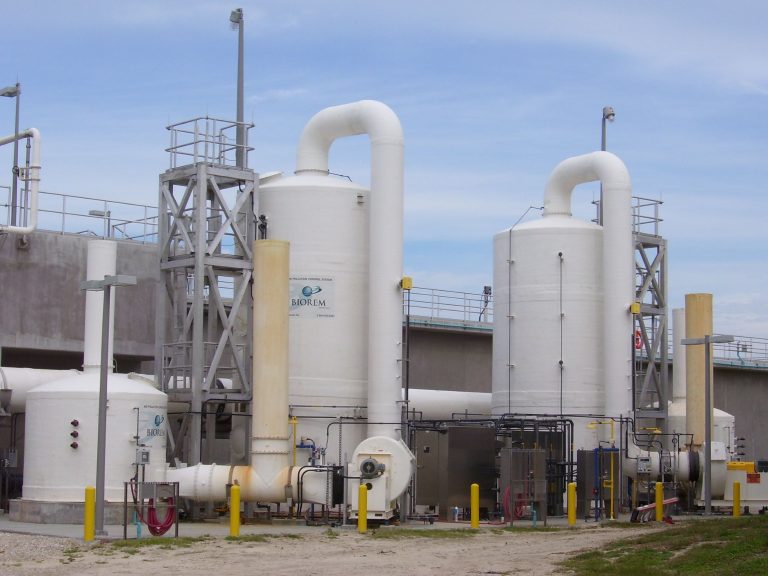 Representative third-party equipment and installation images. These are not SHEWUYOU project cases. |
- Home
-
Products
- Pig Farming Equipment
- Cattle Farming Equipment
- Sheep & Goat Farming Equipment
- Poultry Farming Equipment
- Feeding & Drinking Systems
- Veterinary & Breeding Equipment
- Testing & Diagnostic Equipment
- Cleaning & Biosecurity Equipment
- Climate Control Equipment
- Livestock Weighing Equipment
- Manure & Waste Management
- Farm Transport & Handling
-
Solutions
- Pig Farm Solutions
- Dairy Farm Solutions
- Beef Cattle Farm Solutions
- Sheep & Goat Farm Solutions
- Layer Farm Solutions
- Broiler Farm Solutions
- Feeding & Drinking System Solutions
- Climate Control Solutions
- Biosecurity & Disinfection Solutions
- Manure & Waste Management
- Smart Farming Solutions
- Farm Renovation and Upgrade Solutions
- Partners
- Projects
- Resources
- News
- About Us
- Contact



Comments & Inquiries
Leave your questions or requirements below. We will reply as soon as possible.