
| Product Showcase | Content |
|---|---|
| Product Name | Automatic Dairy Alley Manure Flush System |
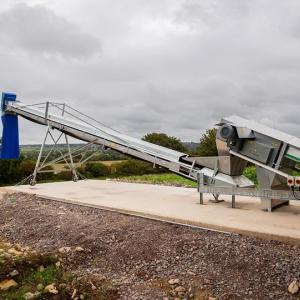
| Product Image |
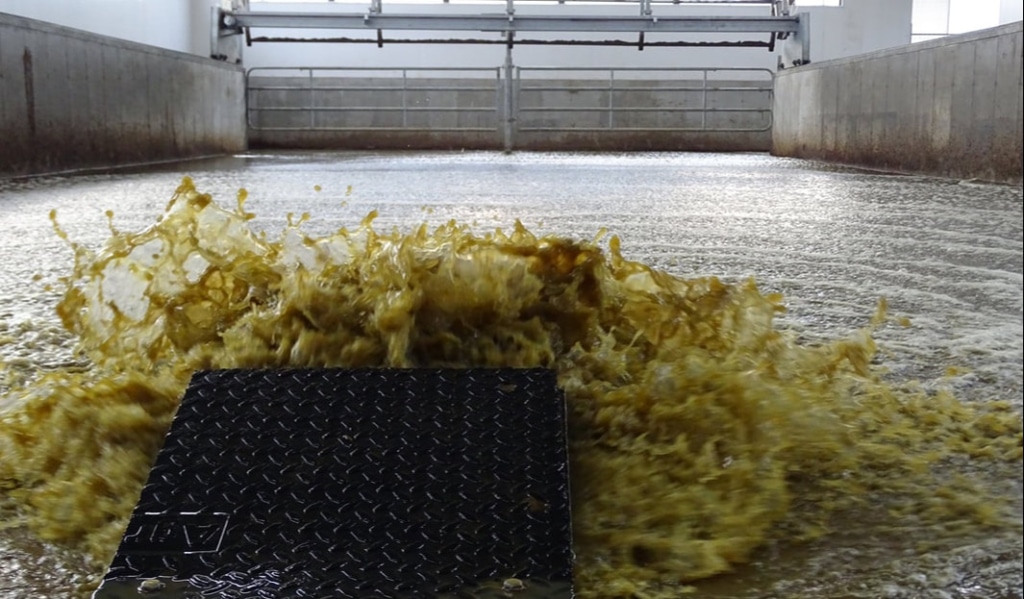 |
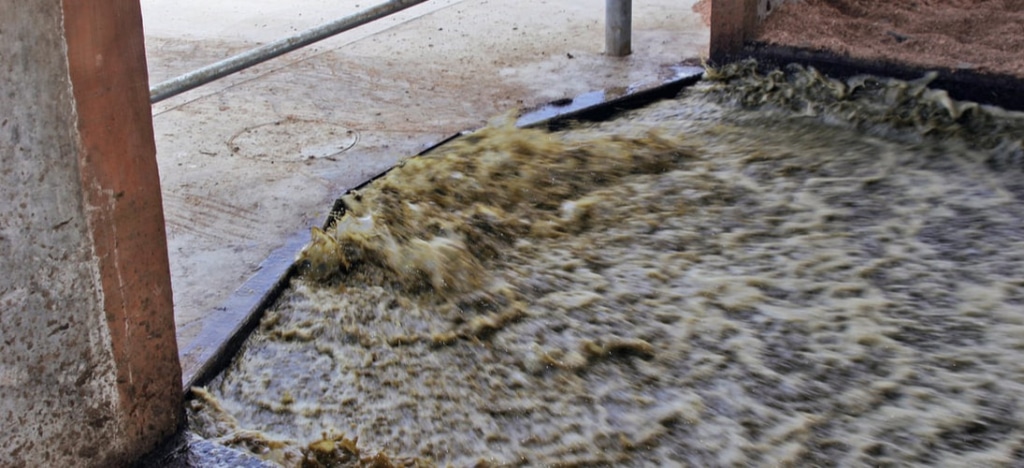
| Product Overview | The Automatic Dairy Alley Manure Flush System uses controlled releases of water to move manure from concrete walking surfaces toward a receiving channel. It is intended for freestall alleys, holding pens, sort lanes and transfer lanes in commercial dairy facilities. Flush valves, supply piping and automatic controls are arranged around the barn layout and the farm's manure collection plan. |
| Key Features |
|
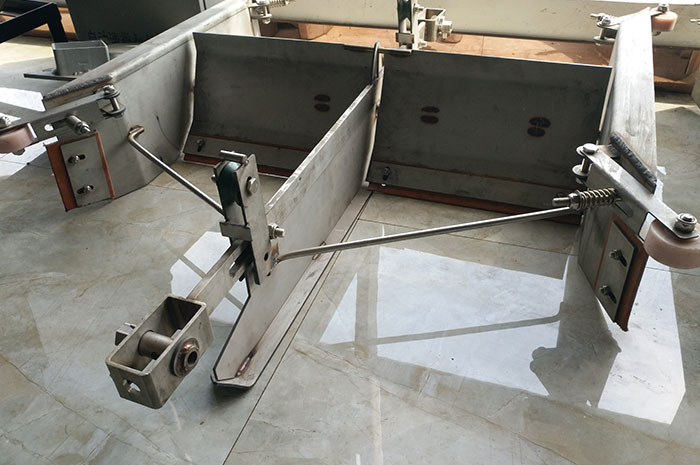
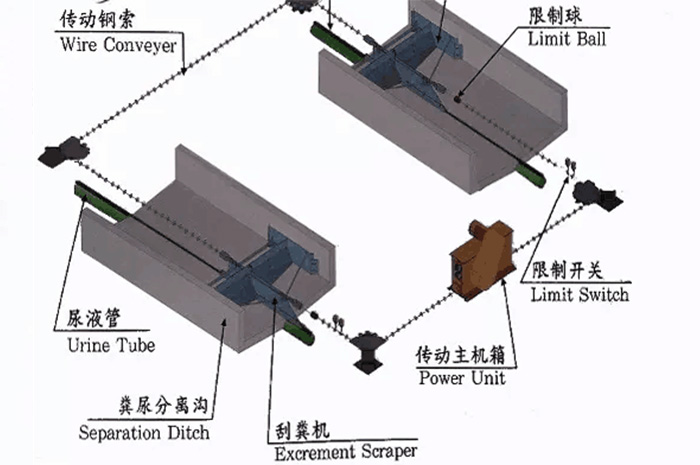
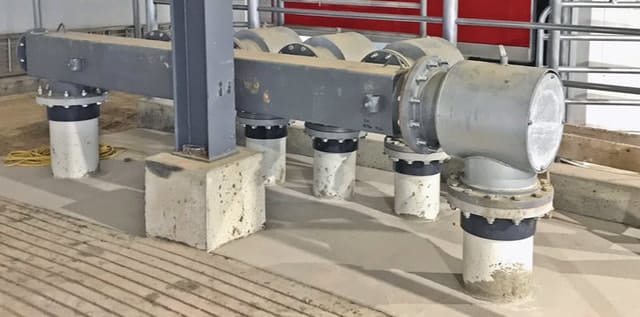
| Structural Components | A project may include a flush water supply or storage tank, pump, distribution piping, flush valves, valve actuators, control panel, level monitoring and downstream receiving channel. The final equipment scope depends on water availability, alley geometry, floor slope and the existing manure management infrastructure. |
| Working Principle | At a scheduled interval, the controller opens the selected flush valve. A directed flow travels along the sloped concrete surface, carrying manure to a collection point. The valve closes at the end of the set cycle, and the next zone can operate in sequence. Collected effluent is routed to the farm's specified manure handling system. Actual cleaning performance depends on available flow, surface condition, slope, manure load and cycle settings. |
| Technical Specifications |
|
| Applications | Designed primarily for dairy freestall barns, holding areas and cow transfer routes with suitable concrete slopes and drainage. Similar flush-based cleaning layouts for other livestock facilities require separate assessment of animal housing, water use and effluent capacity. |
| Customization Options | Valve placement, flushing zones, control sequence, piping, water storage and discharge interfaces can be designed according to local climate and farm conditions. For new steel structure dairy buildings, the system layout can be coordinated with the concrete floor and drainage design before construction. Existing barns should be surveyed to confirm feasible installation routes. |
| Installation & Maintenance | Confirm floor slopes, receiving channel capacity and water supply before selecting valves and pumps. Provide access to valve assemblies and control equipment for inspection. After installation, test each zone and adjust the sequence to the barn's operating schedule. Regular maintenance includes checking valve operation, pipe connections, strainers where fitted, pump condition and control settings. |
| Product FAQ |
Can an existing dairy barn be fitted with this system? Can different areas flush at different times? What is needed for a project quotation? |
| Product Gallery |
  |
- Home
-
Products
- Pig Farming Equipment
- Cattle Farming Equipment
- Sheep & Goat Farming Equipment
- Poultry Farming Equipment
- Feeding & Drinking Systems
- Veterinary & Breeding Equipment
- Testing & Diagnostic Equipment
- Cleaning & Biosecurity Equipment
- Climate Control Equipment
- Livestock Weighing Equipment
- Manure & Waste Management
- Farm Transport & Handling
-
Solutions
- Pig Farm Solutions
- Dairy Farm Solutions
- Beef Cattle Farm Solutions
- Sheep & Goat Farm Solutions
- Layer Farm Solutions
- Broiler Farm Solutions
- Feeding & Drinking System Solutions
- Climate Control Solutions
- Biosecurity & Disinfection Solutions
- Manure & Waste Management
- Smart Farming Solutions
- Farm Renovation and Upgrade Solutions
- Partners
- Projects
- Resources
- News
- About Us
- Contact


Comments & Inquiries
Leave your questions or requirements below. We will reply as soon as possible.