

| Product Showcase | Content | ||||||||||
|---|---|---|---|---|---|---|---|---|---|---|---|
| Product Name | Submersible Aspirating Aerator for Livestock Wastewater | ||||||||||
| Product Image | 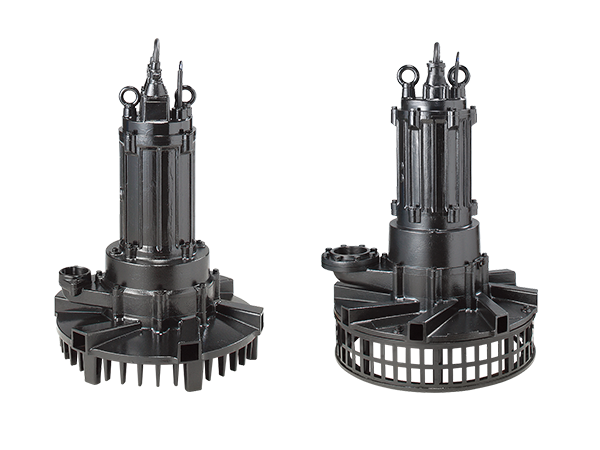
Reference equipment image: Tsurumi Pump. The supplied configuration may differ. |
||||||||||
| Product Overview |
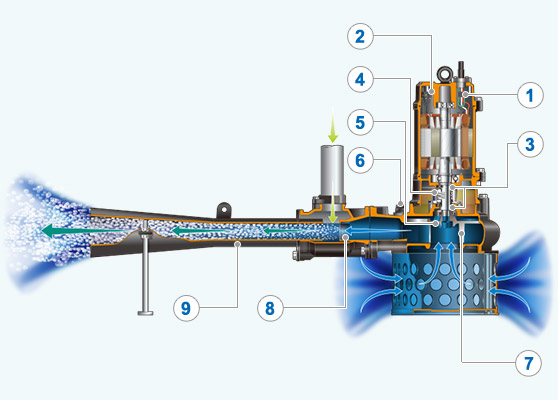
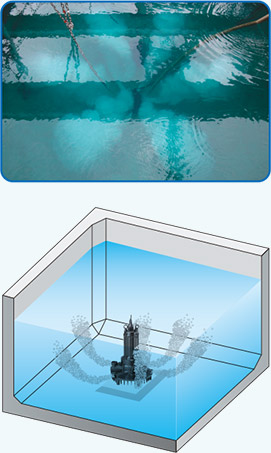
Designed for the wastewater treatment area of a commercial livestock facility, this submerged unit combines air intake, oxygenation, and basin mixing. Its rotating hydraulic assembly creates a low-pressure region that draws ambient air through an intake pipe extending above the liquid surface. The air mixes with wastewater and disperses into the basin as the unit operates. It can be considered for pig farm equalization tanks, aerobic treatment basins, and suitable manure wastewater lagoons. Final selection depends on wastewater characteristics, oxygen demand, tank geometry, operating water level, and the upstream solids-separation process. |
||||||||||
| Key Features |
|
||||||||||
| Structural Components |
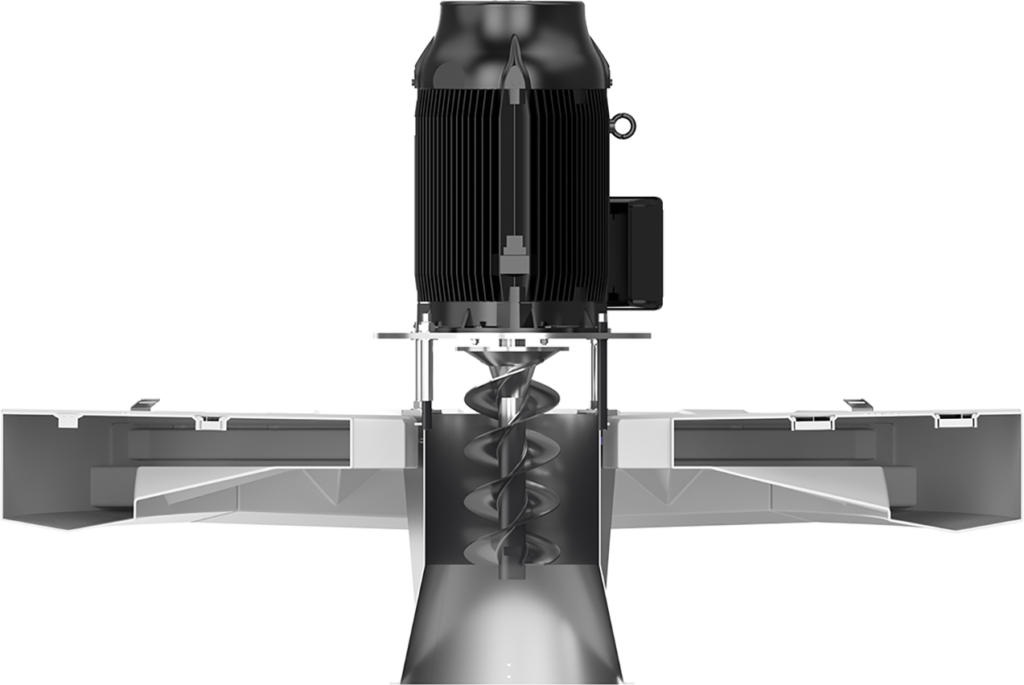
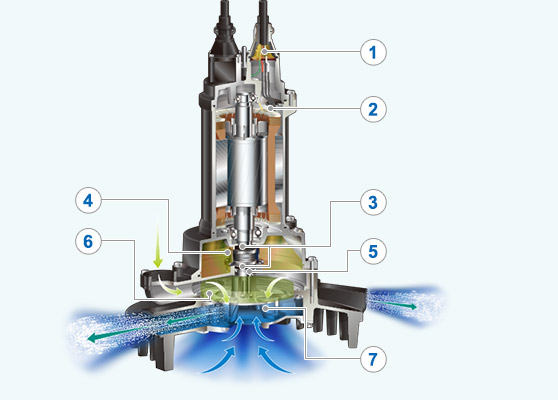
A typical assembly comprises a submersible motor, impeller or propeller, air-intake pipe, air-water mixing passage, discharge section, support base or mounting frame, power cable, and lifting connection. Wetted-part materials, sealing arrangement, motor protection, and corrosion protection are confirmed during model selection. |
||||||||||
| Working Principle |
The submerged rotating assembly moves wastewater and produces a low-pressure region. Air is drawn down the intake pipe, mixed with the moving liquid, and discharged into the basin. The resulting air-water flow provides aeration and circulation. Actual oxygen transfer and mixing coverage depend on the selected unit, submergence, wastewater properties, and basin layout. |
||||||||||
| Technical Specifications |
|
||||||||||
| Applications |
Screening or solid-liquid separation may be needed upstream when the wastewater contains large fibrous solids or debris. |
||||||||||
| Customization Options |
Unit quantity and placement, motor selection, intake-pipe length, material selection, control integration, mounting frame, and lifting arrangement can be designed according to project requirements. For a steel structure wastewater building or covered treatment area, access openings, lifting clearance, ventilation, and cable routing should be coordinated with the building design. Equipment selection can also be designed according to local climate and farm conditions. |
||||||||||
| Installation & Maintenance |
Position and secure the aerator in accordance with the approved basin layout, keeping the air inlet above the maximum operating water level. Provide suitable electrical protection and a safe means of lifting the unit. Routine checks should cover the air-intake path, impeller or propeller, cable, seals, fasteners, and any accumulated fibrous material. Inspection intervals depend on wastewater loading and operating conditions. |
||||||||||
| Product FAQ |
Does the aerator require an external blower? Can it treat raw pig manure slurry? What information is needed for selection? |
||||||||||
| Product Gallery |
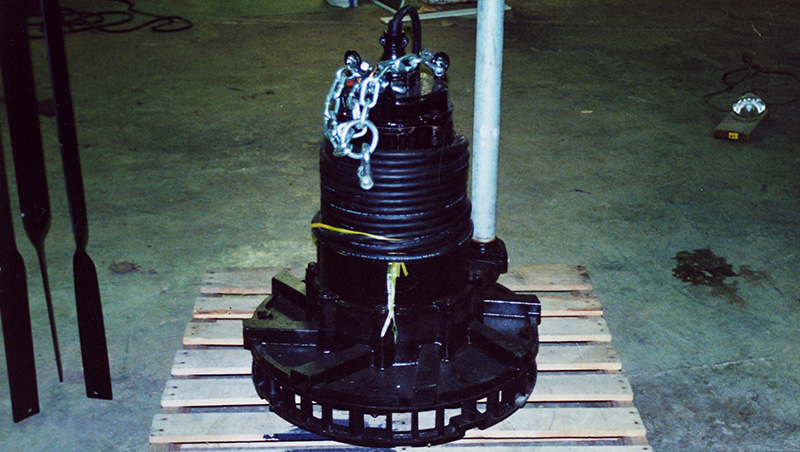
Reference images: Tsurumi Pump. They illustrate the equipment type and a livestock wastewater application; they do not depict a SHEWUYOU installation. |
- Home
-
Products
- Pig Farming Equipment
- Cattle Farming Equipment
- Sheep & Goat Farming Equipment
- Poultry Farming Equipment
- Feeding & Drinking Systems
- Veterinary & Breeding Equipment
- Testing & Diagnostic Equipment
- Cleaning & Biosecurity Equipment
- Climate Control Equipment
- Livestock Weighing Equipment
- Manure & Waste Management
- Farm Transport & Handling
-
Solutions
- Pig Farm Solutions
- Dairy Farm Solutions
- Beef Cattle Farm Solutions
- Sheep & Goat Farm Solutions
- Layer Farm Solutions
- Broiler Farm Solutions
- Feeding & Drinking System Solutions
- Climate Control Solutions
- Biosecurity & Disinfection Solutions
- Manure & Waste Management
- Smart Farming Solutions
- Farm Renovation and Upgrade Solutions
- Partners
- Projects
- Resources
- News
- About Us
- Contact


Comments & Inquiries
Leave your questions or requirements below. We will reply as soon as possible.