
| Product Name | EID Sheep Weighing & Drafting Race | ||||||||||||||||||||||||||||||||
| Product Image | 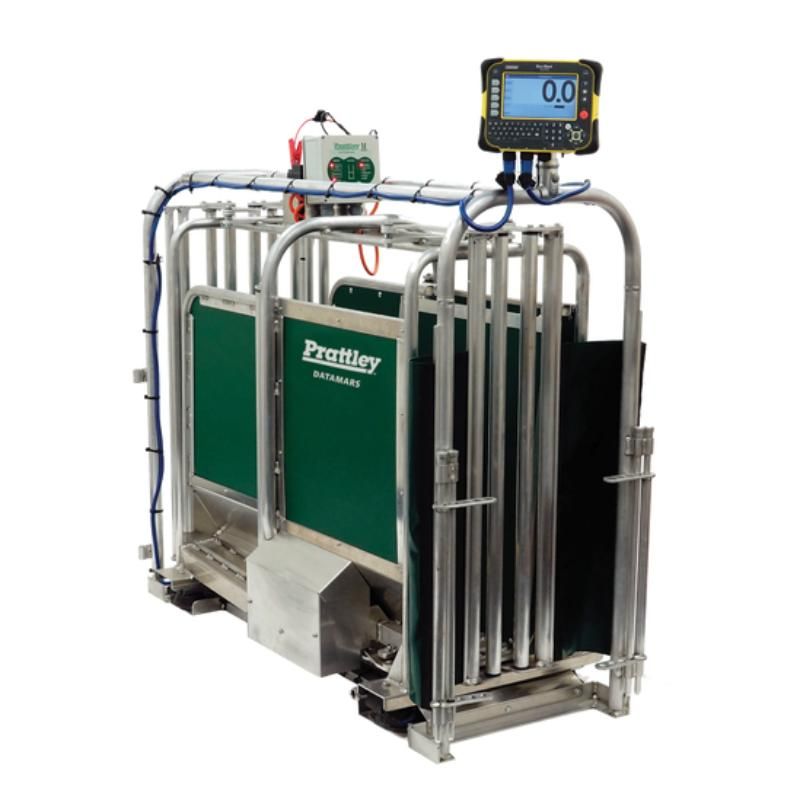 |
||||||||||||||||||||||||||||||||
| Product Overview |
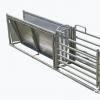
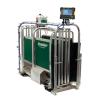
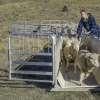
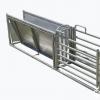
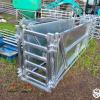
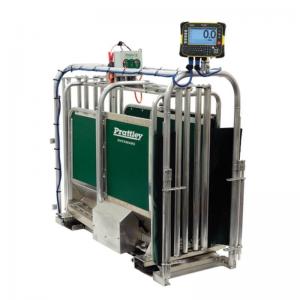
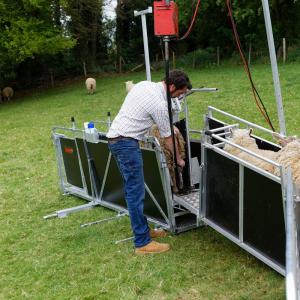
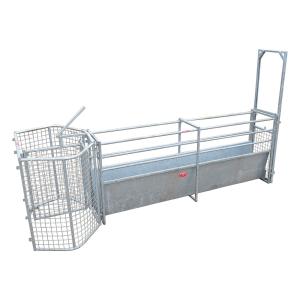
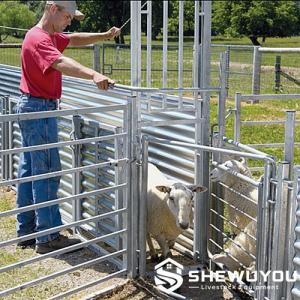
The EID Sheep Weighing & Drafting Race is an integrated livestock management system designed to combine electronic animal identification, live-weight measurement and automatic drafting in a single handling workflow. When a goat-farming-equipment/" target="_blank" class="keylink">sheep enters the weighing crate, compatible load bars measure live weight while an EID panel reader can capture the animal's electronic identification number. A compatible livestock indicator or data recorder then processes the animal record and determines the required drafting direction according to predefined management criteria. Automatic gate operation reduces repetitive manual handling and enables one operator to process large numbers of animals efficiently. Depending on system configuration, sheep can be drafted in two or three directions according to weight, EID records, weight gain or other programmed criteria. The system is suitable for commercial sheep farms, breeding operations, feed management programs, livestock contractors, genetic selection projects and complete livestock handling facilities requiring accurate identification and data-based flock management. |
||||||||||||||||||||||||||||||||
| Key Features |
|
||||||||||||||||||||||||||||||||
| Structural Components |
|
||||||||||||||||||||||||||||||||
| Working Principle / Structural Principle |
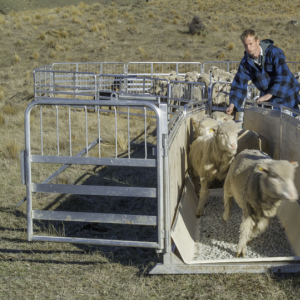
The sheep enters the weighing crate from the holding race. Once the animal is correctly positioned, the rear gate closes and compatible load bars measure the live weight. Where EID equipment is installed, the electronic ear tag is read automatically and the identification number is linked to the recorded weight. The livestock indicator compares the animal data with the programmed drafting criteria. The control system then opens the appropriate exit gate and directs the sheep into the selected drafting pen. After the animal leaves the crate, the rear gate opens again to accept the next sheep. Automatic mode can significantly reduce repetitive gate operation, while remote override provides the operator with additional control when individual animals require inspection or manual drafting. |
||||||||||||||||||||||||||||||||
| Technical Specifications |
|
||||||||||||||||||||||||||||||||
| Applications |
|
||||||||||||||||||||||||||||||||
| Customization Options |
|
||||||||||||||||||||||||||||||||
| Installation & Maintenance |
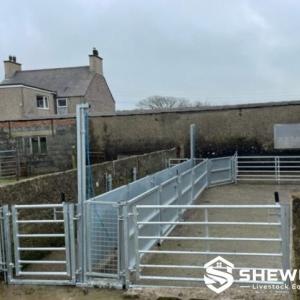
The weighing and drafting unit should be positioned on a stable and level working surface between the forcing race and the required exit pens. Correct alignment is important for maintaining consistent sheep flow and accurate weighing. Load bars should be installed according to the weighing-system manufacturer's requirements and protected from mechanical interference. The weighing crate must remain isolated from adjacent panels or structures that could affect measurement accuracy. Where an EID panel reader is installed, antenna position should be selected to provide reliable individual tag detection while minimizing unintended reads from animals outside the weighing crate. Before operation, check battery condition, gate movement, weighing calibration, indicator communication and EID reader performance. Moving components should remain clean and free from accumulated manure or debris. Routine maintenance should include inspection of gate rollers, motor linkages, electrical cables, load bars, panel-reader connections and structural fasteners. Electronic components should be protected and serviced according to their individual equipment instructions. |
||||||||||||||||||||||||||||||||
| Project Cases |
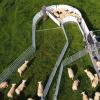
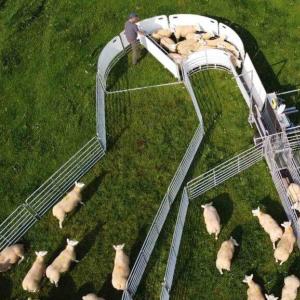
A typical EID weighing and drafting installation combines a forcing pen, single-file approach race, automatic weigh crate, electronic identification reader and multiple exit pens. Each sheep is identified, weighed and directed automatically according to predefined management rules. For finishing-lamb operations, the system can separate animals that have reached target market weight from lighter animals requiring additional feeding. Breeding farms can use EID-linked records to organize replacement ewes, breeding groups or performance-selected animals. Large commercial livestock projects can integrate the race with farm-management software, RFID data collection, additional holding pens and complete steel structure livestock buildings according to project requirements. |
||||||||||||||||||||||||||||||||
| Product FAQ |
Q: What is EID sheep weighing? A: EID weighing links the electronic identification number of an individual sheep with its measured live weight, allowing animal-specific performance records to be maintained. Q: Can the system draft sheep automatically by weight? A: Yes. Compatible indicators can apply predefined weight ranges and automatically select the required drafting gate. Q: Can sheep be drafted according to EID records? A: Yes. Compatible EID and indicator systems can use identification records as part of the drafting criteria. Q: Is 2-way drafting available? A: Yes. Both 2-way and 3-way configurations can be supplied according to project requirements. Q: Can the operator override automatic drafting? A: Yes. Compatible remote controls allow manual intervention when an individual sheep requires inspection or a different drafting decision. Q: Can the system be moved around the farm? A: A mobility or wheel-kit configuration can be provided for projects that require relocation between handling sites. Q: Can SHEWUYOU provide the complete EID handling system? A: Yes. The race, gates, load bars, EID reader, weighing indicator, holding pens and related livestock equipment can be configured according to project requirements. |
||||||||||||||||||||||||||||||||
| Product Gallery | 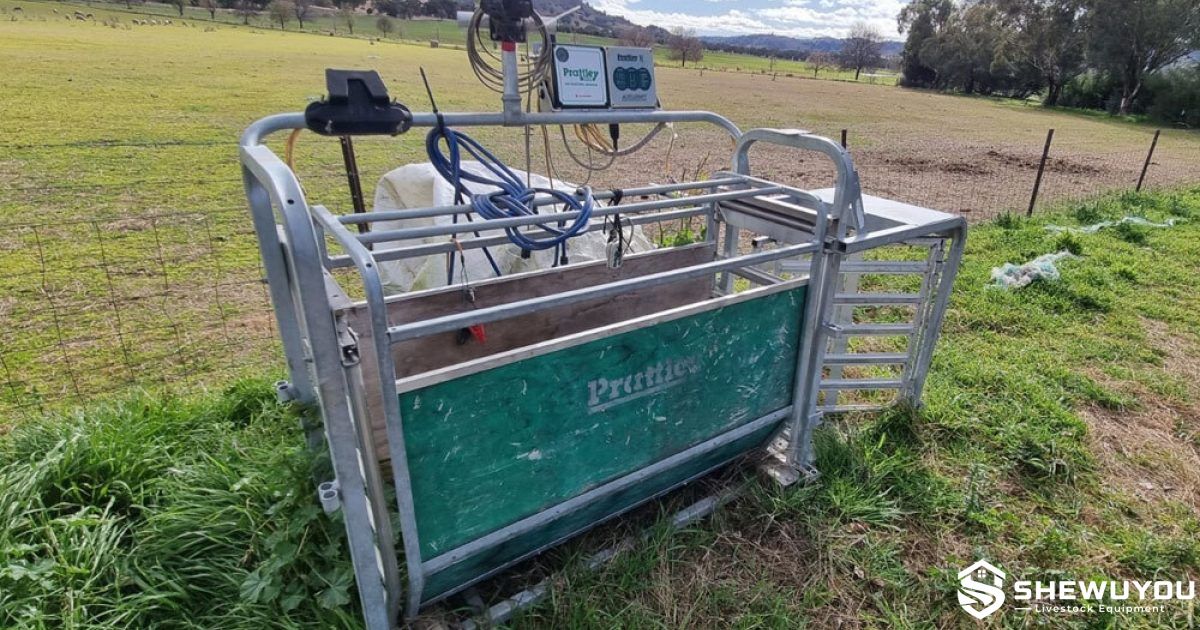 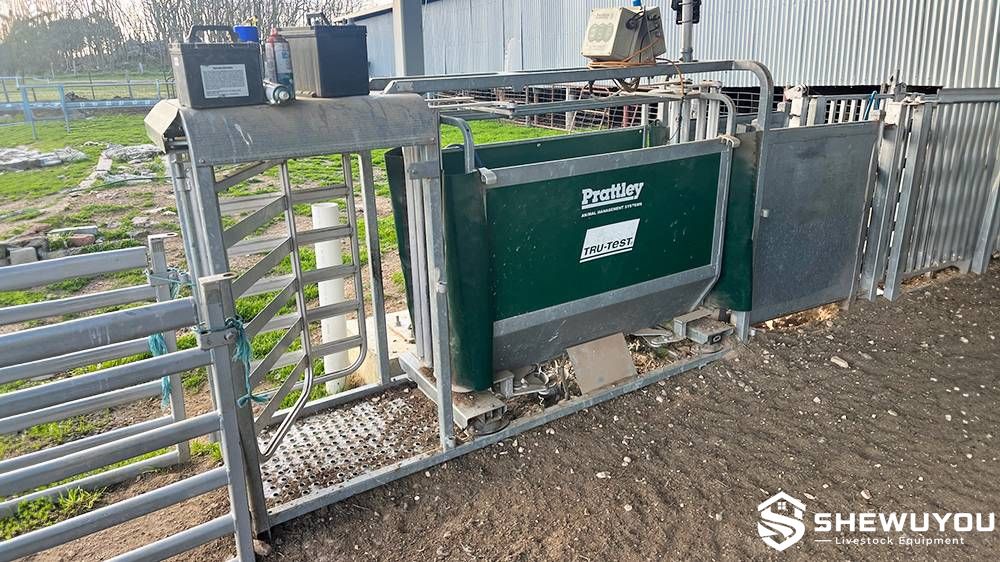 |
- Home
-
Products
- Pig Farming Equipment
- Cattle Farming Equipment
- Sheep & Goat Farming Equipment
- Poultry Farming Equipment
- Feeding & Drinking Systems
- Veterinary & Breeding Equipment
- Testing & Diagnostic Equipment
- Cleaning & Biosecurity Equipment
- Climate Control Equipment
- Livestock Weighing Equipment
- Manure & Waste Management
- Farm Transport & Handling
-
Solutions
- Pig Farm Solutions
- Dairy Farm Solutions
- Beef Cattle Farm Solutions
- Sheep & Goat Farm Solutions
- Layer Farm Solutions
- Broiler Farm Solutions
- Feeding & Drinking System Solutions
- Climate Control Solutions
- Biosecurity & Disinfection Solutions
- Manure & Waste Management
- Smart Farming Solutions
- Farm Renovation and Upgrade Solutions
- Partners
- Projects
- Resources
- News
- About Us
- Contact

Comments & Inquiries
Leave your questions or requirements below. We will reply as soon as possible.