
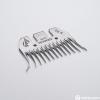
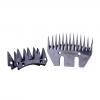
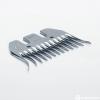
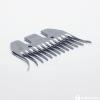
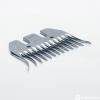

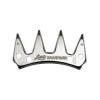
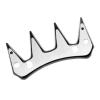
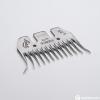
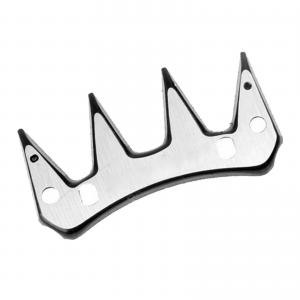
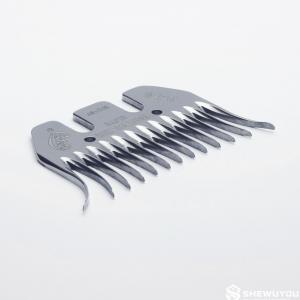
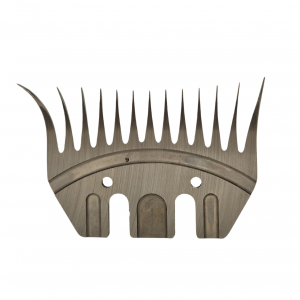
| Product Name | Standard Sheep Shearing Cutter | ||||||||||||||||||||
| Product Image | 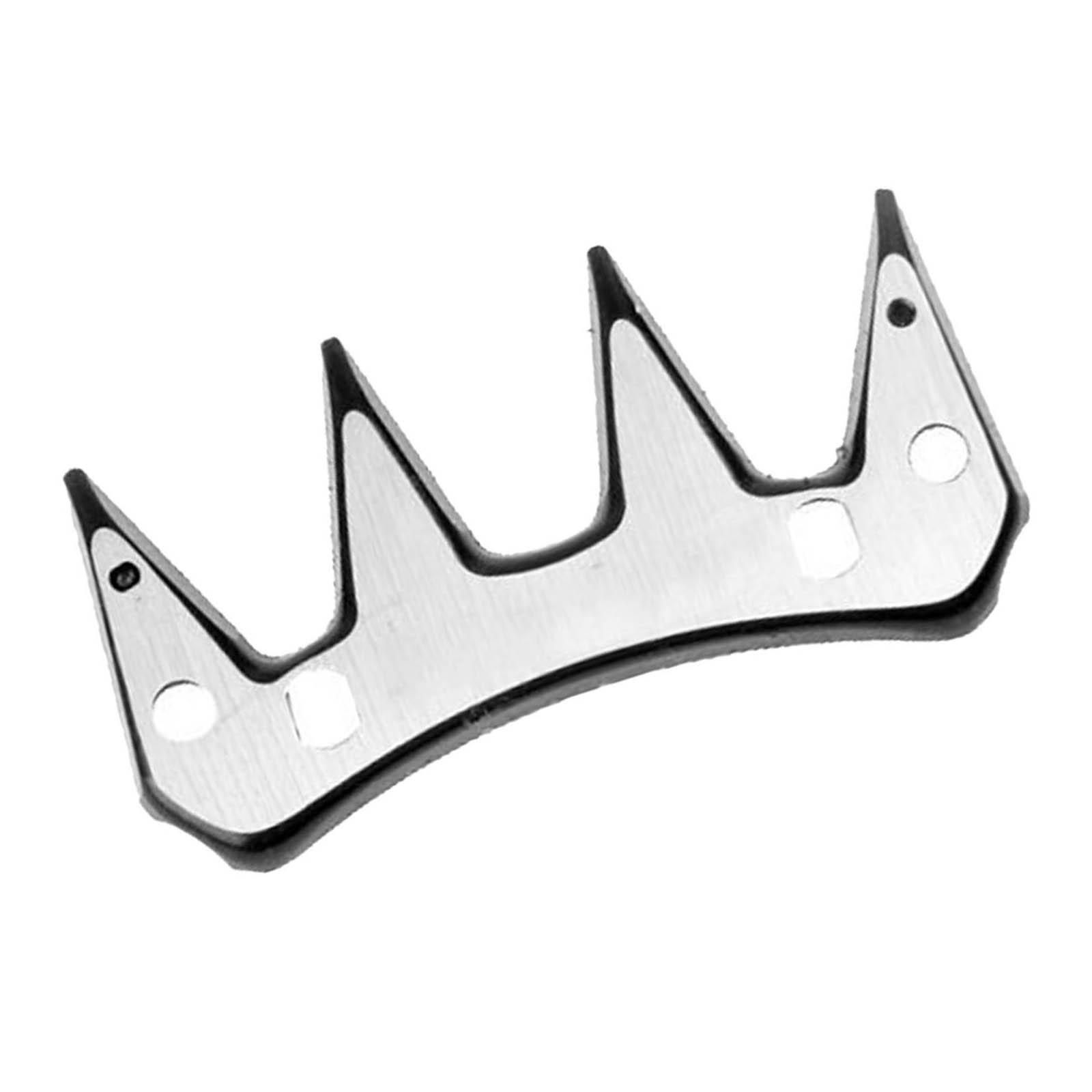 |
||||||||||||||||||||
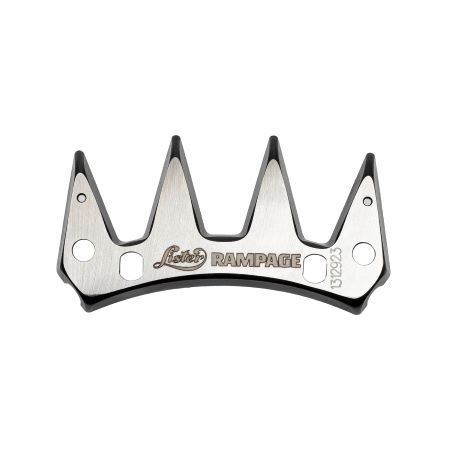
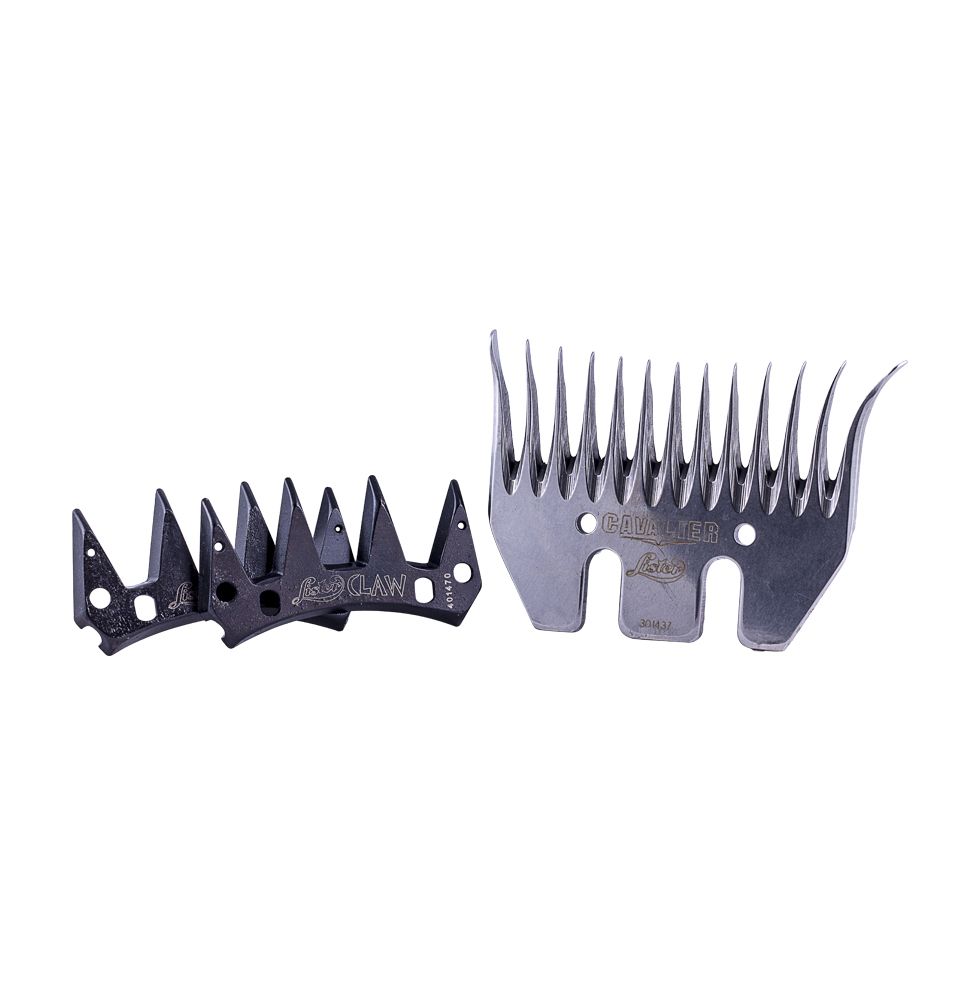
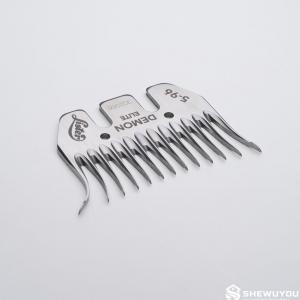
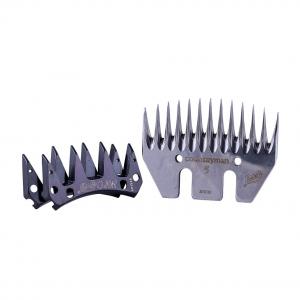
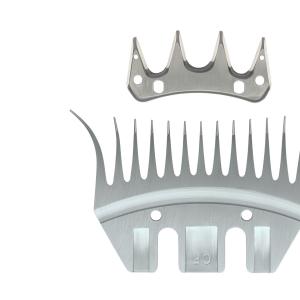
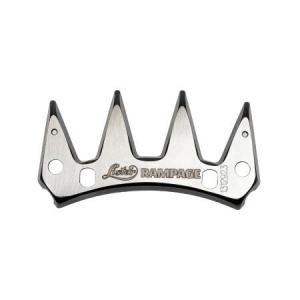
| Product Overview | The Standard Sheep Shearing Cutter is a replaceable upper cutting component used with a compatible goat-farming-equipment/" target="_blank" class="keylink">sheep shearing comb and professional handpiece. Its four-point profile moves rapidly across the stationary comb to cut wool, fiber and hair during full-body shearing, dagging and general livestock clipping. Professional cutters are manufactured with controlled tooth geometry and accurately ground working surfaces to maintain consistent contact with the comb. The reference Lister Claw cutter is hot-forged and precision-ground, while current professional cutter designs use full-thickness construction to provide longer usable service life through repeated sharpening. :contentReference[oaicite:0]{index=0} This cutter type is suitable for commercial sheep farms, shearing contractors, breeding operations, wool-producing farms and livestock equipment distributors requiring dependable replacement cutting components. |
||||||||||||||||||||
| Key Features |
|
||||||||||||||||||||
| Structural Components |
|
||||||||||||||||||||
| Working Principle | The cutter is positioned on top of the stationary shearing comb. When the handpiece operates, its drive mechanism moves the cutter rapidly from side to side across the comb teeth. Wool enters through the comb and is cut between the stationary comb edges and the reciprocating cutter points. Correct cutter throw, blade pressure, comb alignment and lubrication are important for efficient shearing performance. The cutter should move freely while maintaining sufficient contact with the comb. Excessive tension increases friction and heat, while insufficient tension can reduce cutting efficiency. |
||||||||||||||||||||
| Technical Specifications |
|
||||||||||||||||||||
| Applications |
|
||||||||||||||||||||
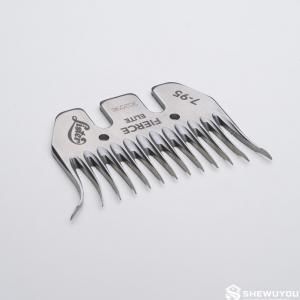
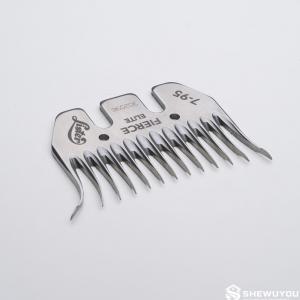
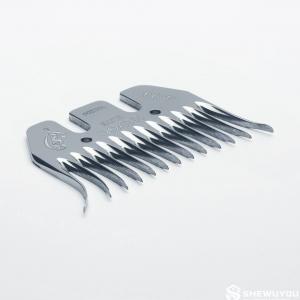
| Customization Options | SHEWUYOU can supply sheep shearing cutters according to handpiece type, comb specification, fleece condition and distributor requirements. Available options can include cutter thickness, tooth geometry, compatible comb sets, surface finishing, packaging quantity and complete comb-and-cutter kits. OEM packaging, spare-part assortments and bulk distributor packs are available upon request. Final compatibility should be confirmed according to the customer's shearing handpiece and comb system. |
||||||||||||||||||||
| Installation & Maintenance | Disconnect the shearing equipment from its power source before installing or replacing the cutter. Place the cutter correctly over the comb and confirm that the handpiece driving forks engage the cutter securely. Adjust blade tension according to the handpiece operating requirements. Lubricate the comb-and-cutter interface frequently during shearing to reduce friction and heat. After use, remove wool, grease and dirt with a suitable brush. Dry the cutter thoroughly and apply a light protective oil before storage. High-carbon shearing components should be protected from moisture to reduce corrosion. Professional regrinding should be performed when cutting efficiency decreases. |
||||||||||||||||||||
| Project Cases | Standard sheep shearing cutters can be supplied as individual replacement parts, comb-and-cutter kits or bulk spare components for commercial livestock projects. Typical supply programs include sheep shearing machines, handpieces, combs, cutters, sharpening equipment, lubricants and maintenance accessories. | ||||||||||||||||||||
| Product FAQ | Q: How many cutting points does a standard sheep shearing cutter have? A: A common professional configuration uses four cutting points. Compatible four-point cutters are widely used with sheep shearing combs. :contentReference[oaicite:1]{index=1} Q: Can the cutter be sharpened? A: Yes. Professional shearing cutters are designed for repeated regrinding when the cutting edge becomes dull. Q: Does the cutter work by itself? A: No. The cutter must operate together with a compatible stationary comb to create the shearing action. Q: Can one cutter work with different combs? A: Some standard four-point cutters can be used with several compatible comb tooth configurations, but handpiece and blade-system compatibility should always be confirmed before installation. Q: How should the cutter be stored? A: Clean and dry it after use, apply a thin layer of protective oil, and store it away from moisture, chemicals and corrosive materials. Q: Can matching comb-and-cutter packs be supplied? A: Yes. Individual cutters, multiple replacement cutters and complete comb-and-cutter sets are available upon request. |
||||||||||||||||||||
| Product Gallery |
|
- Home
-
Products
- Pig Farming Equipment
- Cattle Farming Equipment
- Sheep & Goat Farming Equipment
- Poultry Farming Equipment
- Feeding & Drinking Systems
- Veterinary & Breeding Equipment
- Testing & Diagnostic Equipment
- Cleaning & Biosecurity Equipment
- Climate Control Equipment
- Livestock Weighing Equipment
- Manure & Waste Management
- Farm Transport & Handling
-
Solutions
- Pig Farm Solutions
- Dairy Farm Solutions
- Beef Cattle Farm Solutions
- Sheep & Goat Farm Solutions
- Layer Farm Solutions
- Broiler Farm Solutions
- Feeding & Drinking System Solutions
- Climate Control Solutions
- Biosecurity & Disinfection Solutions
- Manure & Waste Management
- Smart Farming Solutions
- Farm Renovation and Upgrade Solutions
- Partners
- Projects
- Resources
- News
- About Us
- Contact
Comments & Inquiries
Leave your questions or requirements below. We will reply as soon as possible.