

.JPG)


| Product Name | Microcentrifuge Tubes for Veterinary Samples |
| Product Image | 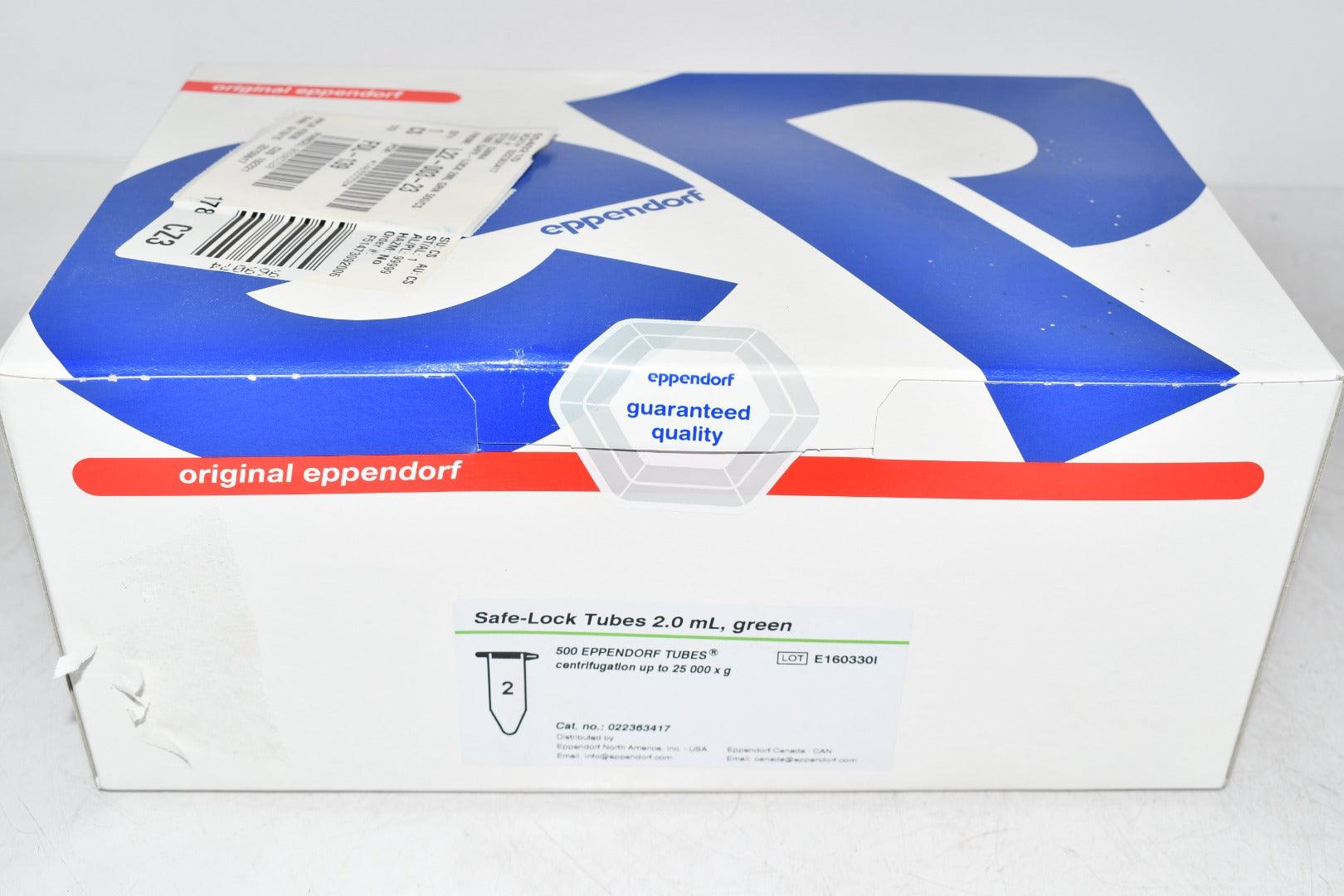 |
| Product Overview | Microcentrifuge Tubes for Veterinary Samples are compact laboratory tubes designed for the collection, preparation, centrifugation, incubation, transfer, and storage of small-volume animal specimens and laboratory reagents. Their compact format is suitable for routine veterinary diagnostic workflows where sample integrity and secure handling are important. Polypropylene is widely used for microcentrifuge tubes because of its resistance to mechanical stress, chemicals, and temperature variation. Hinged or secure-cap designs can help reduce accidental opening, while properly sealed lids help limit evaporation during incubation and storage. ([eppendorf.com](https://www.eppendorf.com/us-en/Products/Lab-Consumables/Lab-Tubes/Eppi-Eppendorf-Safe-Lock-Tubes-p-PF-8863)) These tubes are suitable for veterinary laboratories, commercial pig farms with centralized testing facilities, livestock health programs, animal disease surveillance, molecular diagnostics, sample preparation, and agricultural laboratory projects. Volume, cap configuration, purity grade, color, and packaging are customizable according to project requirements. |
| Key Features |
Eppendorf Safe-Lock tubes demonstrate commonly used design principles including hinged lids, secure closure, polypropylene construction, labeling surfaces, and high centrifugation stability depending on the tube variant. ([eppendorf.com](https://www.eppendorf.com/us-en/Products/Lab-Consumables/Lab-Tubes/Eppi-Eppendorf-Safe-Lock-Tubes-p-PF-8863)) |
| Structural Components | A typical microcentrifuge tube consists of a polypropylene tube body, conical or rounded lower section, upper rim, and integrated or separate closure. The tube body provides the sample chamber, while the tapered geometry allows efficient recovery of small sample volumes and supports centrifugation. The closure may incorporate a hinged lid, locking feature, cap hook, or snap-fit structure depending on the selected design. The lid can include a flat or frosted area for writing, labeling, or identification. Some configurations may incorporate special low-binding surfaces, amber-colored material for light-sensitive samples, or traceability features such as coded lids. Exact structural details are customizable or available upon request. ([eppendorf.com](https://www.eppendorf.com/product-media/doc/en_us/771570/Consumables_Brochure_Tubes_Absolute-Tubes.pdf)) |
| Working Principle / Structural Principle | The veterinary sample or prepared laboratory mixture is transferred into the microcentrifuge tube using an appropriate pipette or other compatible liquid-handling device. The tube is then securely closed before centrifugation, incubation, transport, or storage. During centrifugation, the tube geometry and material distribute mechanical loads while the closed cap helps retain the sample. After centrifugation, the supernatant or processed fraction can be removed using a pipette without transferring the sample to another vessel. During incubation or storage, the secure lid and sealing interface help maintain sample containment and reduce evaporation. Performance depends on tube design, sample characteristics, centrifuge rotor, temperature, and operating conditions. Eppendorf reports centrifugation stability up to 30,000 × g for certain Safe-Lock variants, demonstrating why the maximum RCF must always be confirmed for the specific tube configuration. ([eppendorf.com](https://www.eppendorf.com/us-en/Products/Lab-Consumables/Lab-Tubes/Eppi-Eppendorf-Safe-Lock-Tubes-p-PF-8863)) |
| Technical Specifications |
Eppendorf Safe-Lock tubes are commercially available in 0.5 mL, 1.5 mL, and 2.0 mL formats. The manufacturer specifies polypropylene construction, secure hinged lids, and different certified purity grades for selected variants. Exact centrifugation and temperature limits depend on the specific product. ([eppendorf.com](https://www.eppendorf.com/us-en/Products/Lab-Consumables/Lab-Tubes/Eppi-Eppendorf-Safe-Lock-Tubes-p-PF-8863)) |
| Applications |
|
| Customization Options | SHEWUYOU supports flexible microcentrifuge tube configurations for international veterinary, livestock, agricultural, and laboratory procurement projects.
|
| Installation & Maintenance | Microcentrifuge Tubes are laboratory consumables and require no mechanical installation. Before use, operators should confirm tube volume, cap configuration, sample compatibility, package integrity, purity grade, and centrifuge compatibility. For centrifugation, tubes should be filled and balanced according to the laboratory procedure and the validated limits of the selected tube and rotor. The cap should be fully closed before the centrifuge is started. During incubation and storage, the tube should remain securely closed and appropriately identified. If long-term or low-temperature storage is required, the selected tube material and temperature rating should be verified before use. After use, tubes containing biological or chemical materials should be disposed of according to the applicable laboratory waste-management and biosecurity procedures. Unused tubes should remain protected from dust, moisture, chemicals, excessive heat, and physical deformation. |
| Project Cases | Microcentrifuge Tubes for Veterinary Samples are suitable for procurement programs serving commercial pig farms, integrated livestock groups, veterinary diagnostic laboratories, animal health service providers, agricultural engineering companies, laboratory distributors, and veterinary consumable agents. For large-scale livestock projects, tube capacity, purity grade, cap design, labeling, color coding, packaging, and supply quantities can be coordinated according to the laboratory workflow, testing volume, centrifuge platform, local operating conditions, and procurement schedule. Their compact format is particularly suitable for centralized veterinary laboratories processing large numbers of animal specimens where secure sample containment, traceability, and efficient centrifugation are important. |
| Product FAQ | Q: What are Microcentrifuge Tubes for Veterinary Samples used for? A: They are used to hold, process, centrifuge, aliquot, incubate, and store small-volume animal specimens and laboratory preparations during veterinary diagnostic workflows. Q: What volumes are commonly available? A: Common microcentrifuge tube sizes include 0.5 mL, 1.5 mL, and 2.0 mL. Other capacities can be supplied according to project requirements. ([eppendorf.com](https://www.eppendorf.com/us-en/Products/Lab-Consumables/Lab-Tubes/Eppi-Eppendorf-Safe-Lock-Tubes-p-PF-8863)) Q: Are these tubes suitable for centrifugation? A: Yes, when the selected tube is specifically rated for centrifugation. The maximum RCF depends on the tube design, rotor, temperature, and operating conditions. Certain Eppendorf Safe-Lock variants are specified for centrifugation up to 30,000 × g. ([eppendorf.com](https://www.eppendorf.com/us-en/Products/Lab-Consumables/Lab-Tubes/Eppi-Eppendorf-Safe-Lock-Tubes-p-PF-8863)) Q: What is the advantage of a secure hinged lid? A: A properly designed hinged lid can help prevent unintended opening during handling, incubation, and storage while maintaining a controlled sealing interface. ([eppendorf.com](https://www.eppendorf.com/product-media/doc/en_us/771570/Consumables_Brochure_Tubes_Absolute-Tubes.pdf)) Q: Can the tubes be used for molecular diagnostic workflows? A: Yes. Suitable purity-grade configurations can be selected for molecular biology, PCR preparation, nucleic acid processing, and other veterinary diagnostic applications according to project requirements. Q: Can the tubes be customized for commercial livestock projects? A: Yes. Capacity, cap design, material, purity grade, color, labeling, sterility, packaging, and other specifications can be customized according to project requirements. |
| Product Gallery | 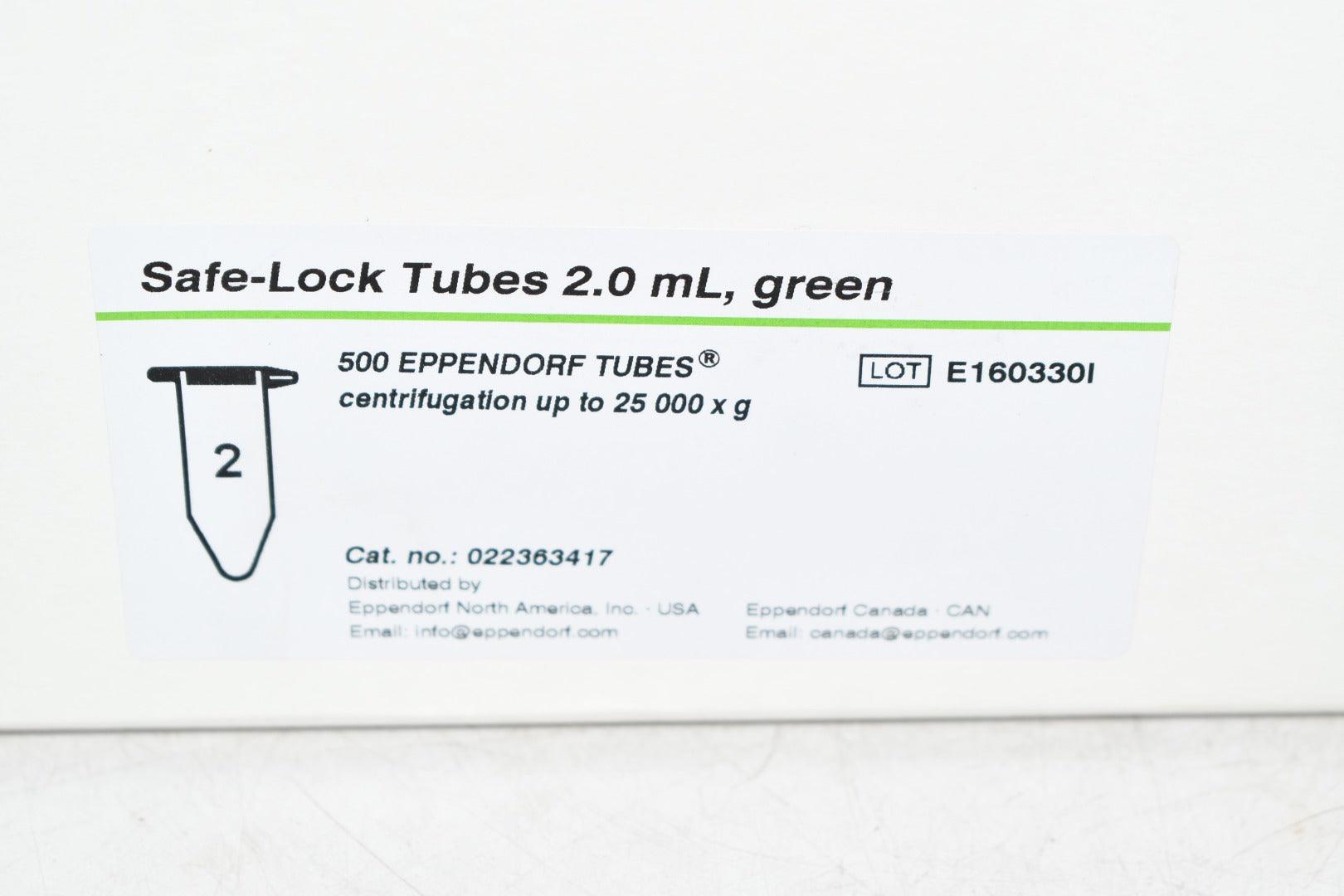 |
- Home
-
Products
- Pig Farming Equipment
- Cattle Farming Equipment
- Sheep & Goat Farming Equipment
- Poultry Farming Equipment
- Feeding & Drinking Systems
- Veterinary & Breeding Equipment
- Testing & Diagnostic Equipment
- Cleaning & Biosecurity Equipment
- Climate Control Equipment
- Livestock Weighing Equipment
- Manure & Waste Management
- Farm Transport & Handling
-
Solutions
- Pig Farm Solutions
- Dairy Farm Solutions
- Beef Cattle Farm Solutions
- Sheep & Goat Farm Solutions
- Layer Farm Solutions
- Broiler Farm Solutions
- Feeding & Drinking System Solutions
- Climate Control Solutions
- Biosecurity & Disinfection Solutions
- Manure & Waste Management
- Smart Farming Solutions
- Farm Renovation and Upgrade Solutions
- Partners
- Projects
- Resources
- News
- About Us
- Contact
Comments & Inquiries
Leave your questions or requirements below. We will reply as soon as possible.