
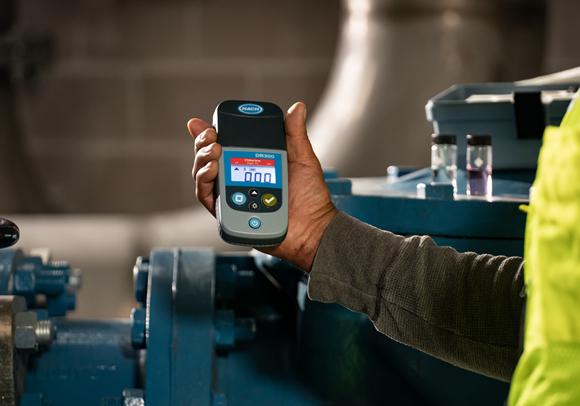
| Product Name | Free and Total Chlorine Tester |
| Product Image | 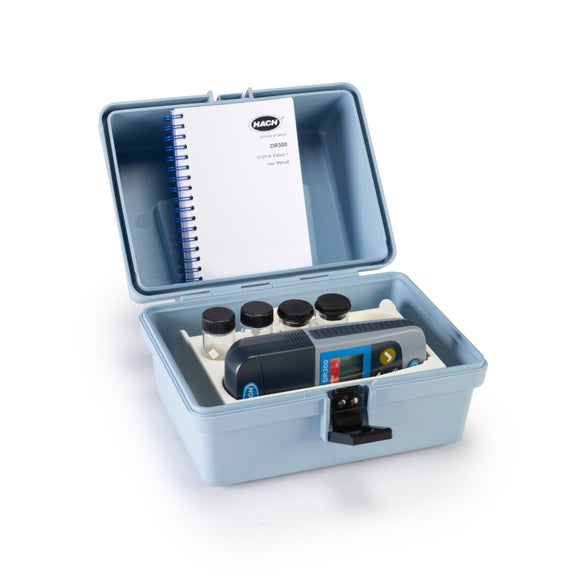 |
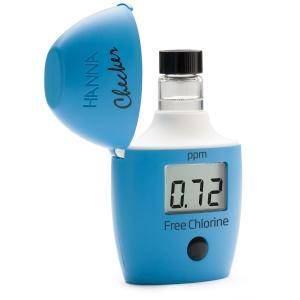
| Product Overview | The Free and Total Chlorine Tester is a portable digital colorimetric instrument designed for rapid measurement of free chlorine and total chlorine in drinking water and agricultural water systems. It is suitable for commercial pig farms, poultry houses, cattle facilities, livestock water-treatment rooms and agricultural engineering projects where disinfectant residuals need to be checked at water sources, storage tanks, treatment outlets and downstream drinking-water points. Unlike visual comparison kits, a digital colorimeter evaluates the color reaction produced by the appropriate DPD reagent and converts the optical response into a numerical chlorine concentration. This provides a convenient method for routine monitoring of water disinfection programs and comparison between different points in a farm water-distribution system. The compact structure allows farm technicians, service teams, equipment distributors and project contractors to carry the tester between multiple livestock houses or project locations. |
| Key Features | Free and Total Chlorine Testing: One portable platform supports measurement of both free chlorine and total chlorine using the appropriate DPD test procedure. Digital Colorimetric Measurement: Optical detection reduces dependence on subjective visual color comparison and displays chlorine concentration directly. Low and High Range Testing: Reference configurations provide separate ranges for routine low-level monitoring and higher chlorine concentrations. Portable Field Design: Compact construction is convenient for inspections across poultry houses, pig buildings, water-treatment rooms and remote agricultural sites. Backlit Digital Display: Clear numerical readings support field operation under different lighting conditions. Water-Resistant Construction: Reference configurations are designed for demanding field water-testing environments. Simple Operating Procedure: Sample blanking, reagent reaction and measurement can be completed with a straightforward workflow. Flexible Supply Configuration: Sample cells, reagents, protective case and verification accessories are available according to project requirements. |
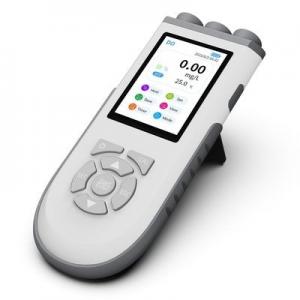
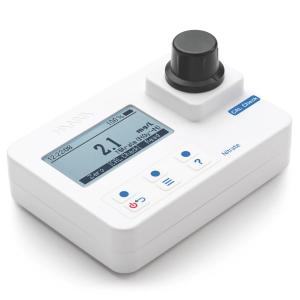
| Structural Components | Handheld Colorimeter Body: Contains the optical system, electronics, operating controls and digital display. Sample Cell Chamber: Holds the prepared water sample in a fixed optical position during measurement. LED Light Source: Provides the measurement wavelength required for colorimetric chlorine analysis according to the selected configuration. Optical Detector: Detects transmitted light through the reacted water sample and converts the optical response into an electrical signal. Digital Display: Shows measurement results and operating information. Control Buttons: Provide access to zeroing, measurement and other available operating functions. Sample Cells: Reusable or compatible test cells hold the blank and reacted water samples. DPD Reagents: Free chlorine and total chlorine reagents are selected according to the required test method. Protective Carrying Case: Available for transportation and organized storage of the meter, cells, reagents and accessories. |
| Working Principle / Structural Principle | The tester uses the DPD colorimetric principle. A measured water sample is first used to establish the optical blank according to the test procedure. The appropriate DPD reagent is then added to another prepared sample. When chlorine reacts with the reagent, a colored compound develops. The intensity of this color is related to the chlorine concentration in the sample. The colorimeter directs light through the sample cell and measures the amount of light absorbed or transmitted by the reacted solution. The instrument processes the optical signal and displays the corresponding chlorine concentration digitally. Free chlorine is measured using the designated free-chlorine procedure, while total chlorine is measured using the appropriate total-chlorine reagent and reaction procedure. Where required, combined chlorine can be evaluated from the difference between total chlorine and free chlorine results. The correct reagent, reaction time, sample volume and measurement range should always be selected for the intended test. |
| Technical Specifications | Product Type: Portable digital chlorine colorimeter Measured Parameters: Free chlorine and total chlorine Measurement Principle: DPD colorimetric method Reference Low Range: 0.02-2.00 mg/L as Cl2 Reference High Range: 0.1-8.0 mg/L as Cl2 Reference Optical Wavelength: 528 ±2 nm Display: Digital display with backlight on reference configuration Reference Housing Protection: IP67 Sample Type: Water Sample Cells: According to selected configuration Free Chlorine Reagent: DPD reagent according to test method Total Chlorine Reagent: DPD reagent according to test method Power Supply: According to selected configuration Carrying Case: Available upon request Verification Accessories: Available upon request Reagent Package: According to project requirements Final Configuration: Customizable according to purchasing requirements |
| Applications | Pig Farm Drinking Water: Routine chlorine residual testing in farrowing, nursery, gestation and finishing-house water systems. Broiler Houses: Verification of disinfectant residuals at water-treatment outlets and selected drinking-line sampling points. Layer and Breeder Farms: Water-quality monitoring for commercial poultry drinking systems and sanitation programs. Cattle and Calf Facilities: Testing of treated water supplied to livestock drinking systems and storage tanks. Farm Water Treatment Rooms: Comparison of chlorine levels before and after dosing, storage or treatment processes. Water Storage Tanks: Routine testing of disinfectant residuals in header tanks and centralized water-storage systems. Groundwater and Well Systems: Testing after chlorination or other farm water-treatment procedures. Livestock Drinking Lines: Comparison of chlorine residuals at different positions in a water-distribution network. Agricultural Engineering Projects: Field testing during commissioning, maintenance and inspection of livestock water-treatment systems. |
| Customization Options | Measurement Range: Low-range, high-range or combined configurations available according to project requirements. Testing Parameters: Free chlorine and total chlorine configuration according to purchasing requirements. Reagent Package: Test reagents can be supplied according to expected testing frequency and project quantity. Sample Cells: Additional sample cells and replacement accessories available upon request. Protective Case: Portable storage and transportation case available upon request. Verification Standards: Compatible performance-checking accessories available according to selected configuration. Documentation: Operating instructions and project documentation available according to purchasing requirements. Bulk Supply: Instrument and consumable quantities can be configured for farm groups, dealers, engineering contractors and agricultural projects. Project Configuration: Customizable according to livestock type, water-treatment process and routine testing requirements. |
| Installation & Maintenance | The Free and Total Chlorine Tester is a portable instrument and normally requires no permanent installation. Before testing, inspect the meter and sample cells and confirm that the correct reagents are available for the selected chlorine test. Collect a representative water sample from the required farm sampling point. Follow a consistent sample volume, blanking procedure, reagent dosage and reaction time to improve repeatability between different locations. Sample cells should be kept clean and free from fingerprints, scratches, water droplets and reagent residue in the optical measurement area. Wipe the exterior of each cell before inserting it into the meter. Reagents should be stored according to their specified storage requirements and replaced when expired, contaminated or damaged. Do not interchange free-chlorine and total-chlorine reagent procedures. After field testing, rinse reusable sample cells thoroughly, dry the instrument exterior and return the meter and accessories to the protective case. Periodic performance verification should be carried out according to the operating procedure and farm quality-management requirements. |
| Project Cases | Commercial Pig Farm Water Monitoring: The tester can be used to compare chlorine residuals at the dosing room, storage tank and selected drinking-water points throughout the farm. Broiler House Water-System Commissioning: Field measurements can support verification of water-treatment and distribution conditions before a new flock enters the building. Multi-House Poultry Farm: A portable meter can be carried between several poultry houses to provide consistent chlorine testing with one standardized instrument platform. Livestock Water Treatment Upgrade: Free and total chlorine testing can support comparison of operating conditions before and after changes to dosing or water-treatment equipment. Agricultural Engineering Inspection: Contractors and technical service teams can use portable chlorine testing during project commissioning, periodic service and water-system troubleshooting. |
| Product FAQ | Q: What is the difference between free chlorine and total chlorine? A: Free chlorine represents chlorine available in forms commonly associated with active disinfection, while total chlorine includes free chlorine plus combined chlorine species measured by the selected total-chlorine method. Q: Can the tester measure both free and total chlorine? A: Yes. The instrument supports both measurements when the appropriate DPD reagent and test procedure are used. Q: Is it suitable for livestock drinking water? A: Yes. It can be used for testing treated water in pig farms, poultry houses, cattle facilities and other agricultural water systems. Q: Can it test water directly from a drinking line? A: Yes. A representative sample can be collected from the required drinking-line sampling point and tested according to the instrument procedure. Q: Why test both free and total chlorine? A: Measuring both values provides additional information about chlorine conditions in the water and can help farm technicians evaluate changes through a treatment and distribution system. Q: Does the tester require reagents? A: Yes. Appropriate DPD reagents are required for colorimetric free and total chlorine testing. Q: Can the testing range be customized? A: Low-range and higher-range instrument configurations can be selected according to project requirements. Q: Is it suitable for dealers and livestock engineering companies? A: Yes. Instrument quantities, reagent packages, sample cells and accessories can be configured for distributors, farm groups and agricultural engineering projects. |
| Product Gallery | 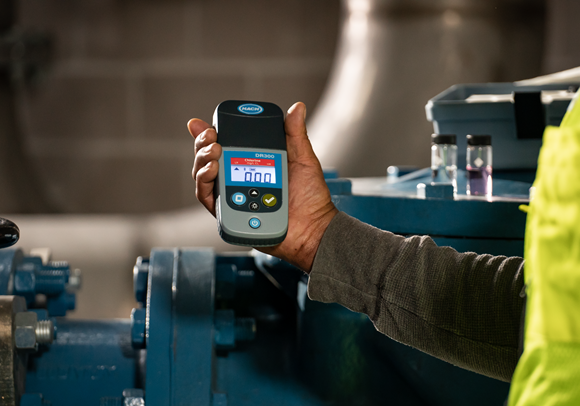 |
- Home
-
Products
- Pig Farming Equipment
- Cattle Farming Equipment
- Sheep & Goat Farming Equipment
- Poultry Farming Equipment
- Feeding & Drinking Systems
- Veterinary & Breeding Equipment
- Testing & Diagnostic Equipment
- Cleaning & Biosecurity Equipment
- Climate Control Equipment
- Livestock Weighing Equipment
- Manure & Waste Management
- Farm Transport & Handling
-
Solutions
- Pig Farm Solutions
- Dairy Farm Solutions
- Beef Cattle Farm Solutions
- Sheep & Goat Farm Solutions
- Layer Farm Solutions
- Broiler Farm Solutions
- Feeding & Drinking System Solutions
- Climate Control Solutions
- Biosecurity & Disinfection Solutions
- Manure & Waste Management
- Smart Farming Solutions
- Farm Renovation and Upgrade Solutions
- Partners
- Projects
- Resources
- News
- About Us
- Contact


Comments & Inquiries
Leave your questions or requirements below. We will reply as soon as possible.