
| Product Name | Residual Chlorine Water Test Kit | ||||||||||||||||||||||||||||
| Product Image | 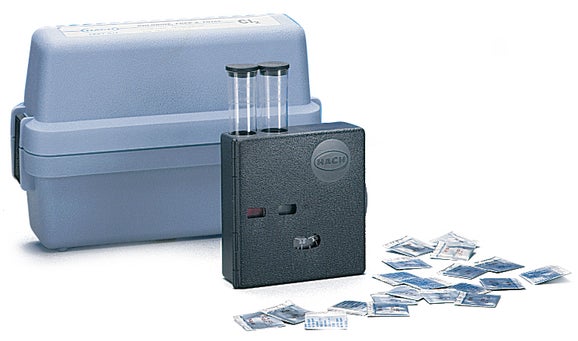 |
||||||||||||||||||||||||||||
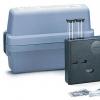
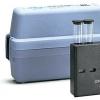
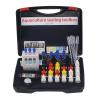
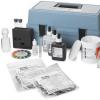
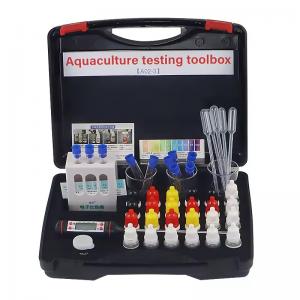
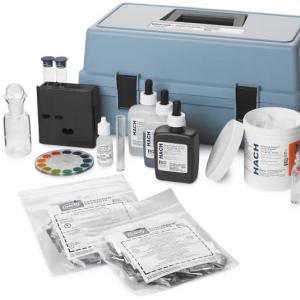
| Product Overview | The Residual Chlorine Water Test Kit is a portable field-testing solution for checking chlorine remaining in treated or process water. It is intended for routine on-site screening where technicians need a practical method without installing a permanent analyzer. Depending on configuration, the kit can be supplied for free chlorine, total chlorine, or both. Professional color-disc chlorine test kits use a reagent-based colorimetric method in which the prepared water sample develops a characteristic color that is compared with a calibrated color disc. Hach lists free and total chlorine as dedicated parameters within its color-disc test-kit range. :contentReference[oaicite:0]{index=0} The portable case keeps the comparator, viewing tubes, reagents and accessories together, making the kit convenient for technicians working across multiple sampling points. Test range, reagent quantity and component configuration can be arranged according to project requirements. |
||||||||||||||||||||||||||||
| Key Features |
|
||||||||||||||||||||||||||||
| Structural Components | A typical professional configuration may include:
|
||||||||||||||||||||||||||||
| Working Principle / Structural Principle | The test kit uses a reagent-based colorimetric principle. A measured water sample is treated with the specified chlorine reagent. The chemical reaction produces a characteristic pink color related to the chlorine concentration within the selected measurement range. For a color-disc configuration, the prepared sample is placed into the comparator beside a reference sample. The operator views the comparator against a suitable light source and rotates the color disc until the sample color visually matches the reference segment. The corresponding chlorine concentration is then read from the scale window. DPD chemistry is widely used for free and total chlorine testing. In the documented CN-66 procedure, DPD reagent produces the characteristic pink color; free chlorine is read promptly after reagent addition, while total chlorine requires a defined reaction period before the result is read. :contentReference[oaicite:3]{index=3} The exact reagent chemistry, reaction time, measurement range and reporting unit depend on the selected configuration and should be confirmed before procurement. |
||||||||||||||||||||||||||||
| Technical Specifications |
Reference information only: the Hach CN-66 specification lists a standard range of 0–3.4 mg/L Cl₂, with a 0.2 mg/L smallest increment and 50 free plus 50 total chlorine tests in the cited configuration. These values are reference data and are not fixed specifications for every SHEWUYOU configuration. :contentReference[oaicite:4]{index=4} |
||||||||||||||||||||||||||||
| Applications |
|
||||||||||||||||||||||||||||
| Customization Options |
|
||||||||||||||||||||||||||||
| Installation & Maintenance | No permanent installation is required. The kit is designed for portable field testing and can be carried between water-treatment areas, livestock buildings, aquaculture facilities and other sampling points. Before use, inspect the kit, check reagent condition and expiry information, and confirm that the required comparator, viewing tubes and reagents are available. Collect a representative sample using clean equipment and perform the analysis promptly when required by the selected method. For a typical color-disc procedure, fill the viewing tubes with the specified sample volume, add the designated DPD reagent to the test tube, mix thoroughly and allow the required reaction time. Place the prepared sample into the comparator and compare the developed color with the reference disc under an appropriate light source. The exact procedure must follow the selected reagent system. :contentReference[oaicite:6]{index=6} Reusable viewing tubes should be rinsed appropriately after testing. Keep the comparator and color disc clean and dry, and protect them from excessive moisture, heat and direct sunlight. Chemical reagents should be stored according to their individual storage requirements. Review the applicable Safety Data Sheet and use recommended personal protective equipment when handling reagents. Hach's test procedure specifically calls for reviewing SDS information and using recommended PPE. :contentReference[oaicite:7]{index=7} For commercial farm and engineering projects, establish consistent sampling locations, testing intervals and record-keeping procedures to make field results easier to compare between facilities and operating periods. |
||||||||||||||||||||||||||||
| Project Cases |
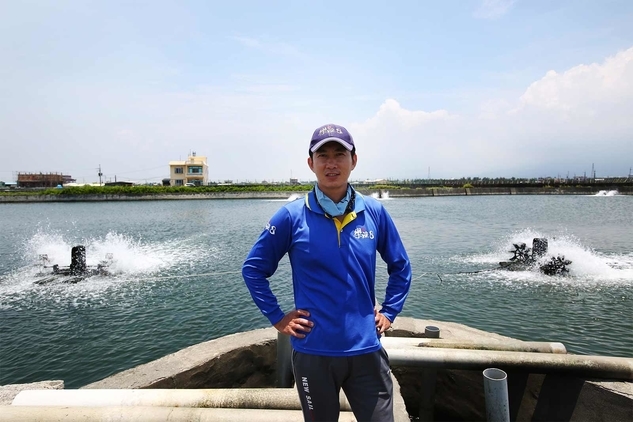
Pig Farm Water System: The kit can be included in the farm water-management toolbox for checking residual chlorine after dosing or treatment and at selected storage and distribution points. Aquaculture Facility: A suitable test range can be selected for checking treated source water and verifying that water-treatment procedures are operating within the project's defined requirements. Water Treatment Project: Engineering technicians can use the portable kit during commissioning, routine maintenance and troubleshooting to obtain rapid field screening results. Multi-Site Livestock Group: Standardized test kits can be supplied across several farms, with reagent quantities and ranges arranged according to site conditions and testing frequency. Distributor Program: OEM configurations can combine selected chlorine ranges, reagent quantities, accessories and carrying-case layouts for regional distribution projects. |
||||||||||||||||||||||||||||
| Product FAQ |
Q: What does a residual chlorine water test kit measure? Q: What is the difference between free chlorine and total chlorine? Q: Is this kit suitable for pig farms? Q: Can it be used in aquaculture projects? Q: Does the manual color-disc version require electricity? Q: What reagent is commonly used? Q: Can the measurement range be customized? Q: How many tests can one kit perform? Q: Are replacement reagents available? Q: Can OEM or private-label kits be supplied? Q: Can field testing replace laboratory analysis? |
||||||||||||||||||||||||||||
| Product Gallery |
  |
- Home
-
Products
- Pig Farming Equipment
- Cattle Farming Equipment
- Sheep & Goat Farming Equipment
- Poultry Farming Equipment
- Feeding & Drinking Systems
- Veterinary & Breeding Equipment
- Testing & Diagnostic Equipment
- Cleaning & Biosecurity Equipment
- Climate Control Equipment
- Livestock Weighing Equipment
- Manure & Waste Management
- Farm Transport & Handling
-
Solutions
- Pig Farm Solutions
- Dairy Farm Solutions
- Beef Cattle Farm Solutions
- Sheep & Goat Farm Solutions
- Layer Farm Solutions
- Broiler Farm Solutions
- Feeding & Drinking System Solutions
- Climate Control Solutions
- Biosecurity & Disinfection Solutions
- Manure & Waste Management
- Smart Farming Solutions
- Farm Renovation and Upgrade Solutions
- Partners
- Projects
- Resources
- News
- About Us
- Contact

Comments & Inquiries
Leave your questions or requirements below. We will reply as soon as possible.