


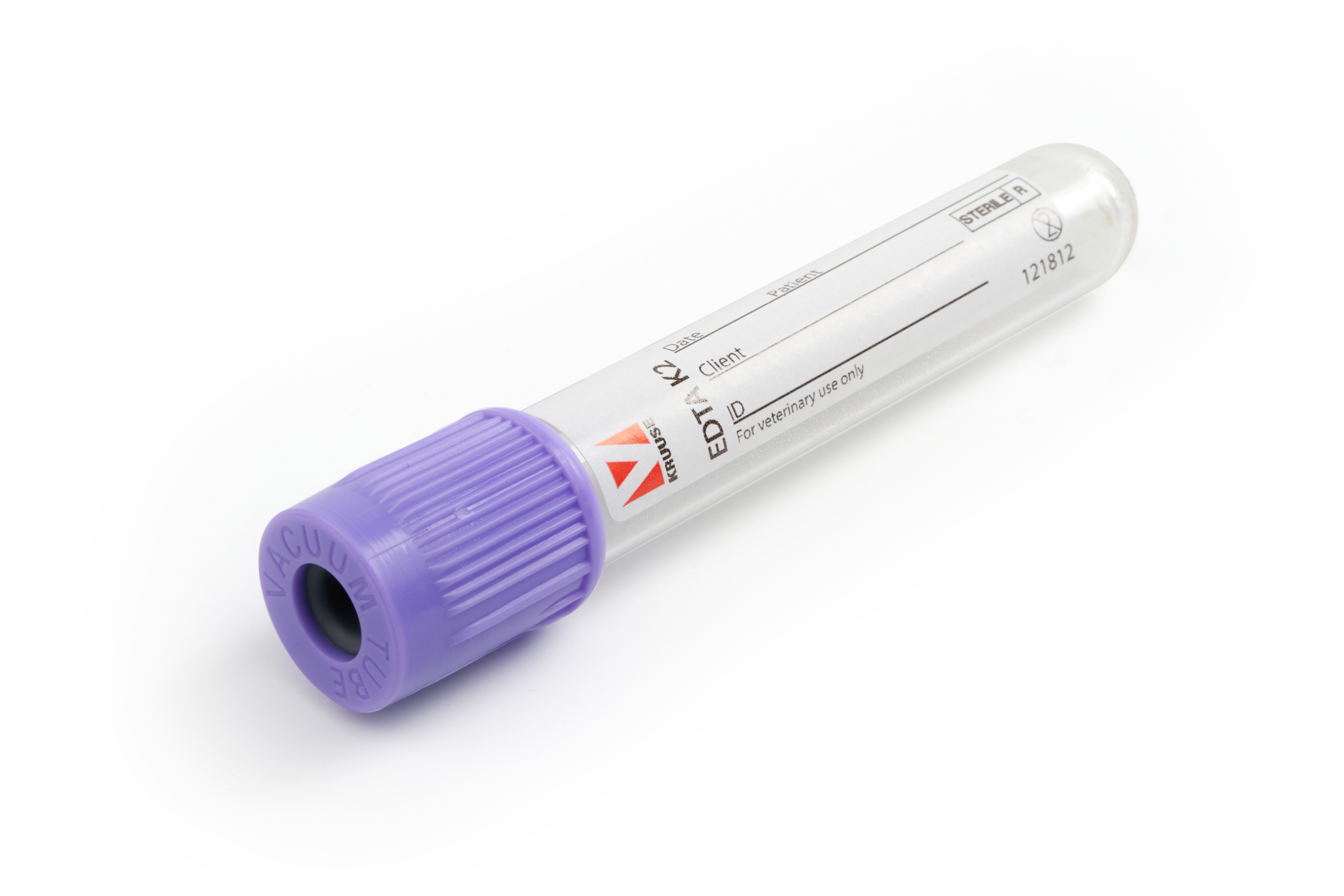
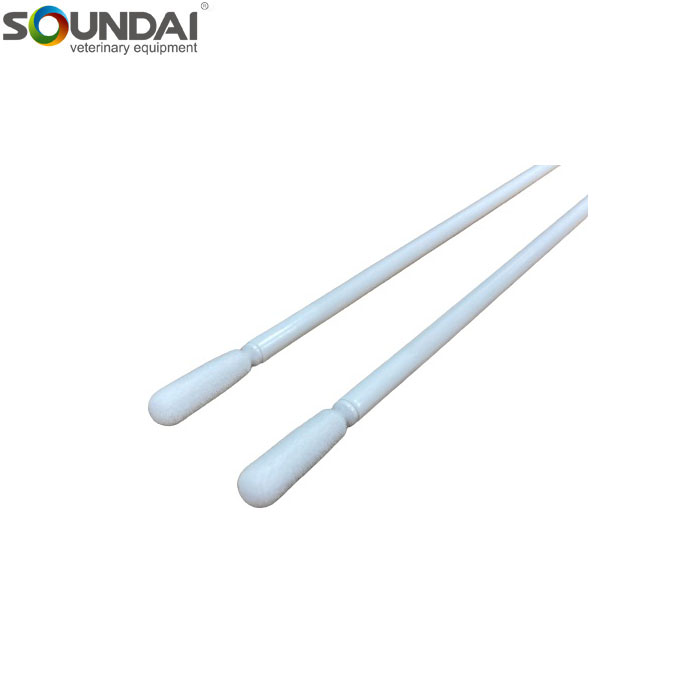
| Product Name | Animal Tissue Sampling Kit | ||||||||||||||||||||||||||||
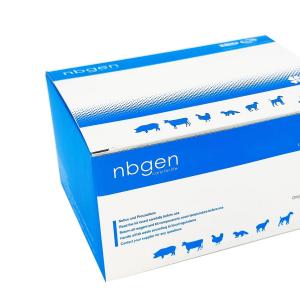
| Product Image | 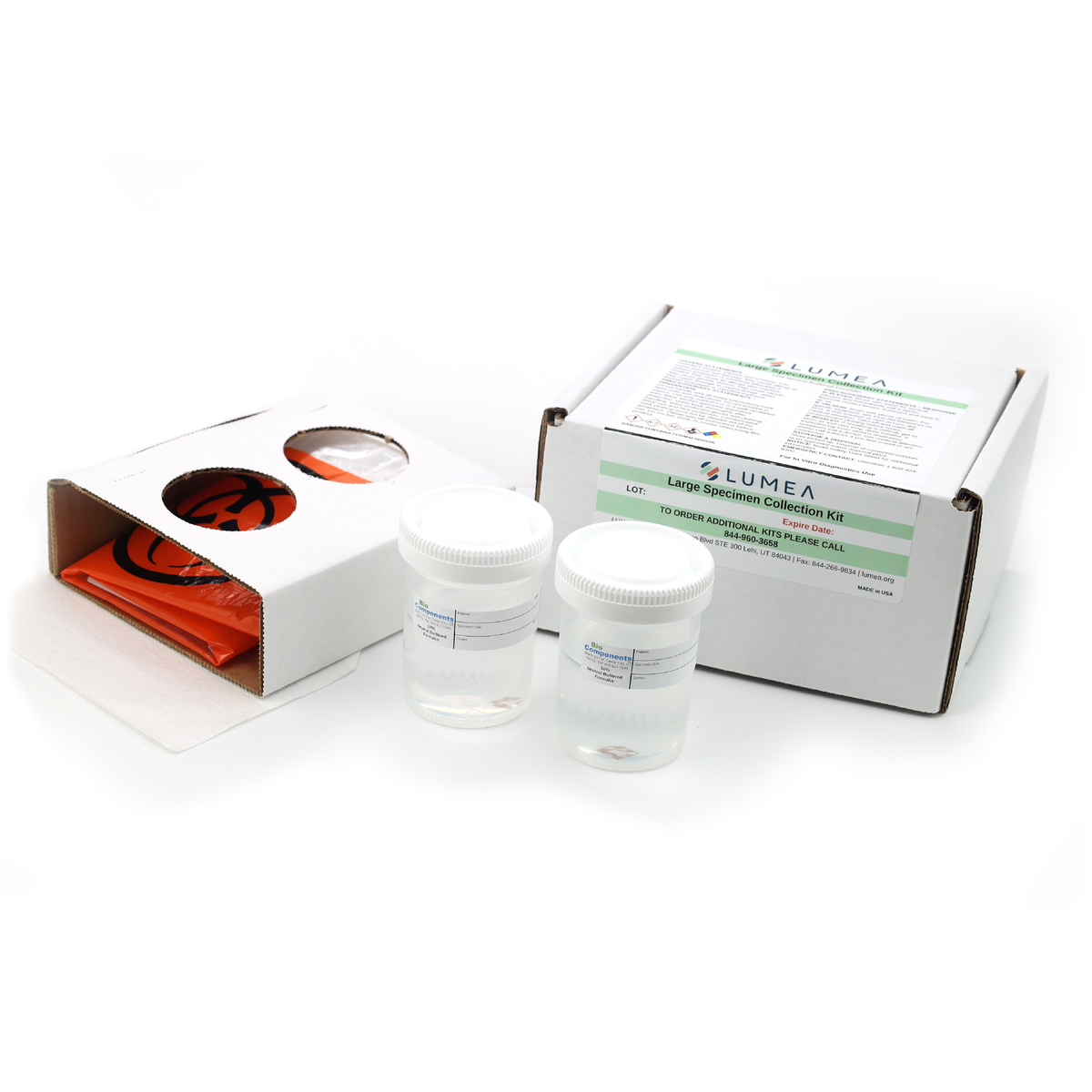 |
||||||||||||||||||||||||||||
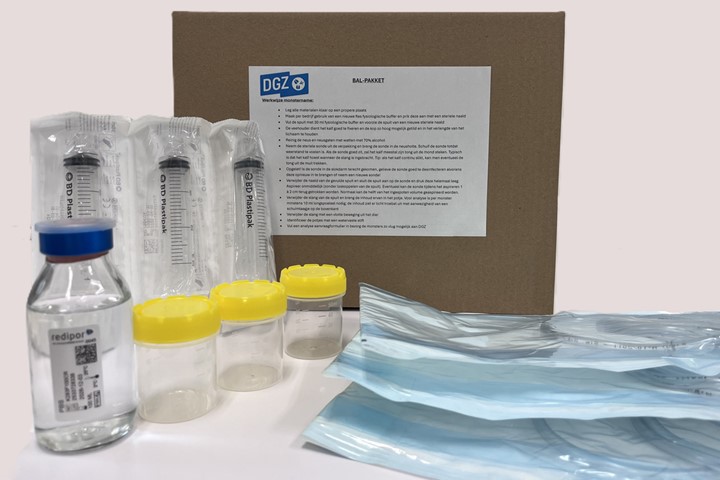
| Product Overview | Animal Tissue Sampling Kit is a practical specimen collection solution designed for veterinary tissue sampling, necropsy procedures, biopsy workflows and animal disease investigations. The kit can combine suitable sampling instruments, sterile specimen containers, leak-resistant packaging, labels and other collection accessories to support organized handling from the farm or veterinary facility to the diagnostic laboratory. Tissue specimens may be collected for histopathology, microbiology, molecular diagnostics, pathogen surveillance or other laboratory examinations. The exact collection and preservation method depends on the intended test and the receiving laboratory's requirements. For commercial livestock operations, the kit can support standardized sampling procedures across pig farms, cattle operations, goat-farming-equipment/" target="_blank" class="keylink">sheep and goat farms, breeding facilities, veterinary clinics and diagnostic laboratories. Container type, sampling instruments, specimen capacity, fixative or transport medium, labeling and packaging can be customized according to project requirements. |
||||||||||||||||||||||||||||
| Key Features |
|
||||||||||||||||||||||||||||
| Structural Components |
The exact contents are customizable according to the intended diagnostic workflow. |
||||||||||||||||||||||||||||
| Working Principle / Structural Principle | The kit provides a controlled workflow for collecting representative animal tissue, placing each specimen into an appropriate container and preparing it for laboratory examination. During tissue collection, sterile instruments should be used where microbiological or molecular testing is intended. Different tissues or sampling sites should generally be handled separately to reduce the possibility of cross-contamination. For histopathology, representative tissue containing the lesion and, where appropriate, adjacent normal tissue can be placed into a suitable fixation container. For fresh microbiological or molecular testing, tissue can instead be placed into a sterile, leak-resistant container or an appropriate transport system according to the receiving laboratory's protocol. The kit itself does not perform pathogen detection. It functions as a pre-analytical sampling and specimen-handling system before compatible laboratory procedures such as histopathology, culture, PCR, RT-PCR or other diagnostic methods. Each specimen should be clearly identified by animal, tissue or sampling site and collection information before storage or shipment. |
||||||||||||||||||||||||||||
| Technical Specifications |
|
||||||||||||||||||||||||||||
| Applications |
|
||||||||||||||||||||||||||||
| Customization Options |
|
||||||||||||||||||||||||||||
| Installation & Maintenance | No permanent installation is required. The kit is intended for trained veterinary personnel, animal health professionals or laboratory staff performing tissue sampling. Before use, verify the kit contents, package integrity, sterile status where applicable, container type, fixative or transport medium and the requirements of the receiving laboratory. Select representative tissue from the appropriate anatomical site using suitable aseptic technique. Use clean or sterile instruments as required and avoid unnecessary contact between specimens, instruments and surrounding surfaces. Place each specimen into the appropriate individually labeled container. Fresh tissue intended for microbiological or molecular testing should be handled according to the receiving laboratory's requirements, while tissue intended for histopathology should be placed into an appropriate fixation system. Clearly record the animal ID, tissue type, collection site, date and other relevant clinical information. Different tissue sites should generally be packed separately rather than pooled unless the laboratory protocol specifically permits pooling. Fresh tissue commonly requires controlled chilled transport, while fixed tissue follows the storage and shipping requirements of the selected fixative and laboratory method. Exact temperature and transport conditions should be confirmed with the receiving laboratory. Used blades, instruments and contaminated consumables should be handled and disposed of according to applicable veterinary biosafety and biological-waste procedures. |
||||||||||||||||||||||||||||
| Project Cases |
Commercial Pig Farm: A standardized tissue sampling kit can support necropsy-based investigations when respiratory, enteric, reproductive or systemic disease is suspected. Integrated Livestock Group: Consistent kit configurations can help establish uniform sampling and labeling procedures across multiple production sites. Veterinary Diagnostic Laboratory: Separate specimen containers and clear identification can simplify receipt and processing of fresh and fixed tissue samples. Animal Disease Surveillance: Tissue collection components can be integrated into field sampling programs before compatible PCR, culture or histopathology testing. Veterinary Service Provider: Compact sampling kits can be prepared for mobile veterinary teams working across farms and livestock facilities. Distributor and OEM Program: Complete sampling kits can be customized with selected instruments, containers, labels, instructions and private-label packaging. |
||||||||||||||||||||||||||||
| Product FAQ |
Q: What is an Animal Tissue Sampling Kit used for? Q: Which animals can the kit be used for? Q: What tissue types can be collected? Q: Can the kit be used for necropsy sampling? Q: Can fresh and fixed tissue be handled? Q: Can transport medium or fixative be included? Q: Can different tissue samples be placed in one container? Q: Can the kit be customized for a pig farm project? Q: Can private-label packaging be supplied? Q: How should tissue samples be transported? |
||||||||||||||||||||||||||||
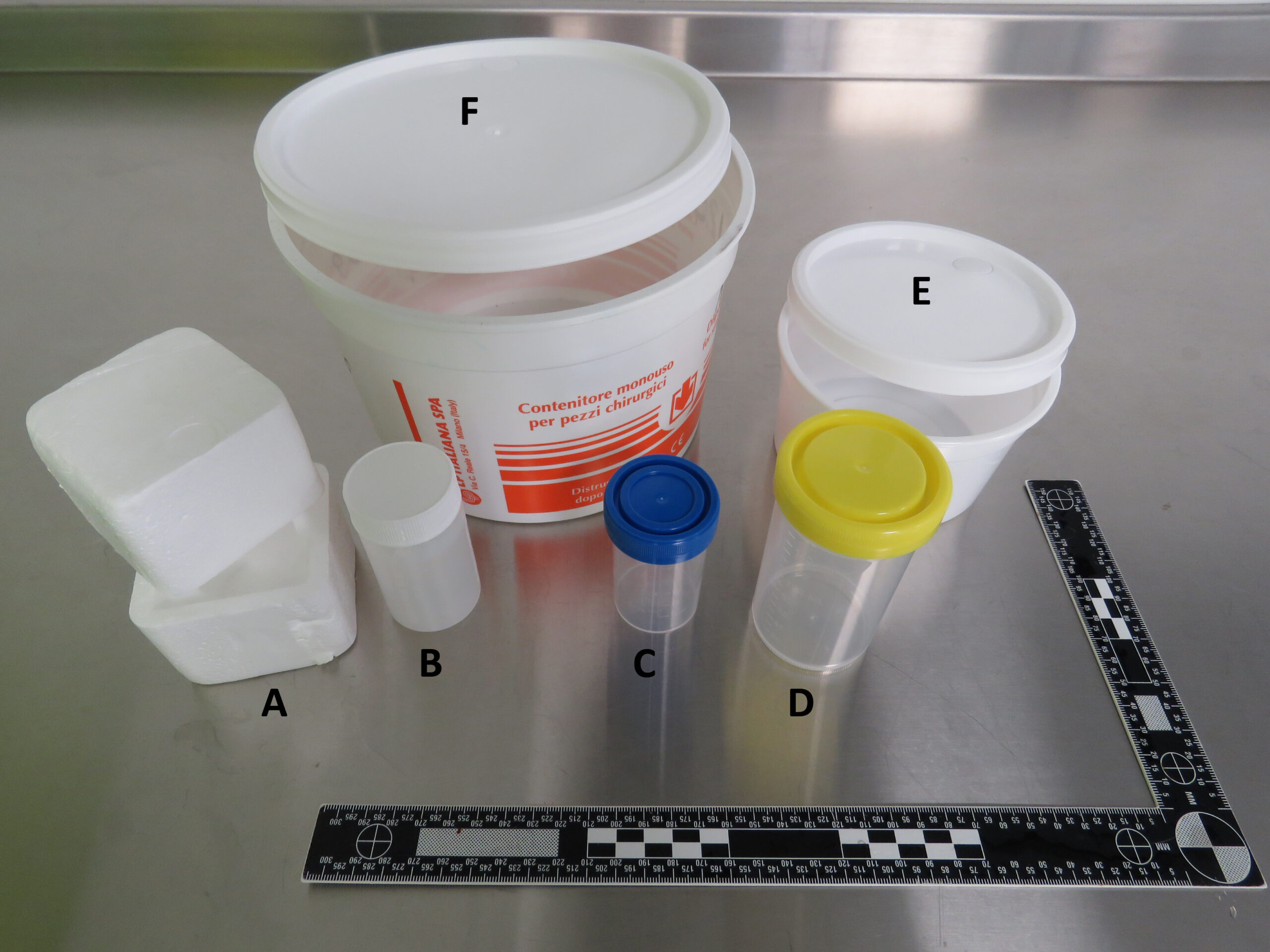
| Product Gallery |
  |
- Home
-
Products
- Pig Farming Equipment
- Cattle Farming Equipment
- Sheep & Goat Farming Equipment
- Poultry Farming Equipment
- Feeding & Drinking Systems
- Veterinary & Breeding Equipment
- Testing & Diagnostic Equipment
- Cleaning & Biosecurity Equipment
- Climate Control Equipment
- Livestock Weighing Equipment
- Manure & Waste Management
- Farm Transport & Handling
-
Solutions
- Pig Farm Solutions
- Dairy Farm Solutions
- Beef Cattle Farm Solutions
- Sheep & Goat Farm Solutions
- Layer Farm Solutions
- Broiler Farm Solutions
- Feeding & Drinking System Solutions
- Climate Control Solutions
- Biosecurity & Disinfection Solutions
- Manure & Waste Management
- Smart Farming Solutions
- Farm Renovation and Upgrade Solutions
- Partners
- Projects
- Resources
- News
- About Us
- Contact

Comments & Inquiries
Leave your questions or requirements below. We will reply as soon as possible.