


| Product Name | Animal Pathogen Sample Collection Kit | ||||||||||||||||||||||||||||||||
| Product Image | 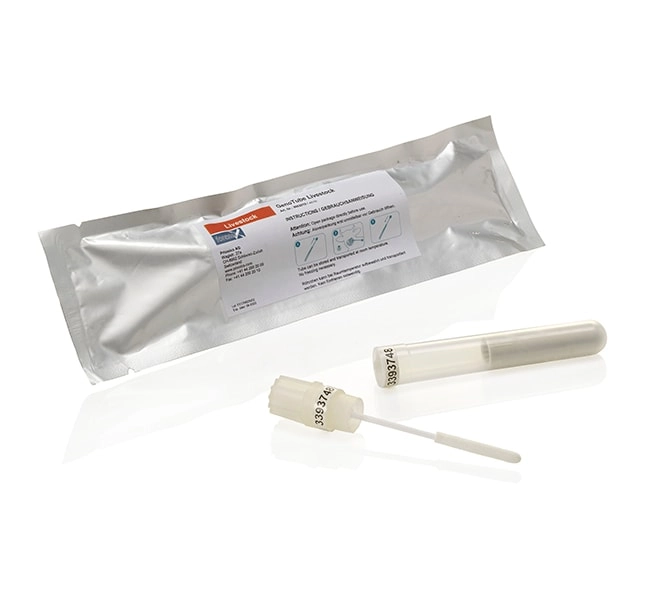 |
||||||||||||||||||||||||||||||||
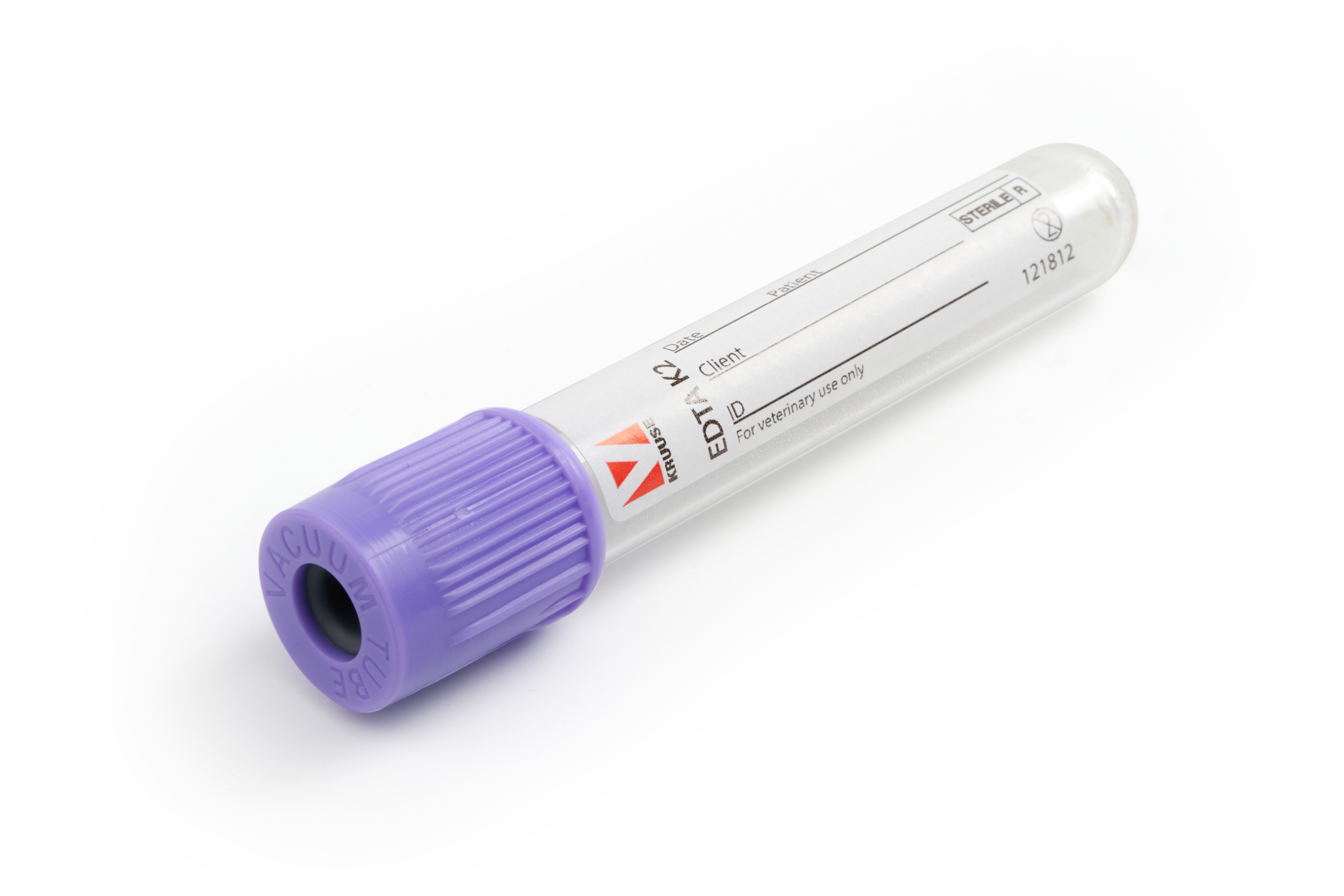
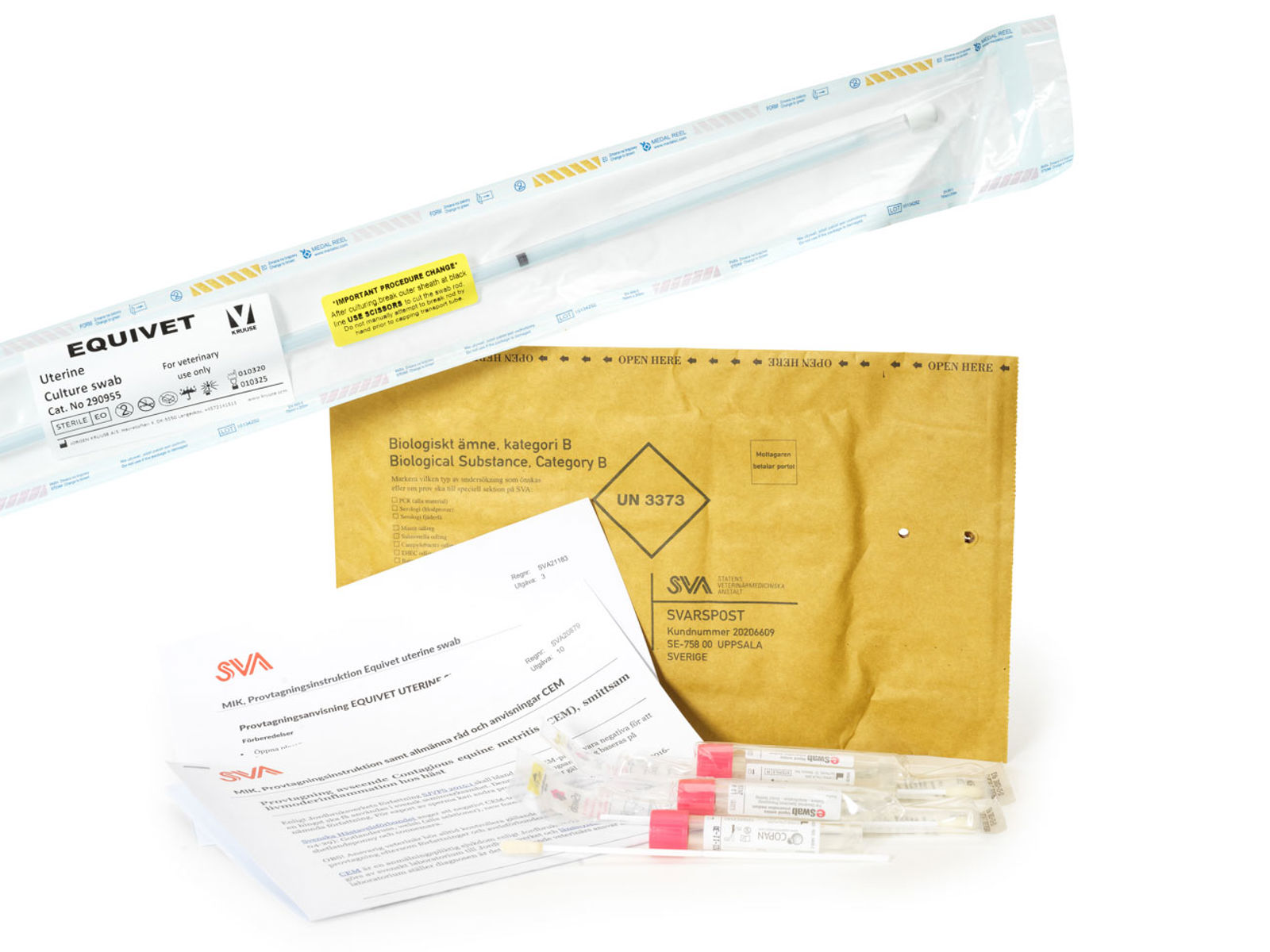
| Product Overview | The Animal Pathogen Sample Collection Kit is a practical veterinary specimen collection solution designed for organized sampling, temporary preservation and transportation of animal specimens for laboratory diagnostics and pathogen surveillance. The kit can be configured around the sampling method and diagnostic workflow, combining sterile flocked or conventional swabs, specimen tubes, transport media, collection accessories, labels and protective packaging. This modular structure allows the same basic kit concept to be adapted for swab-based, liquid or other veterinary specimen collection requirements. Veterinary diagnostic guidance emphasizes that the right sample from the right anatomical location at the right time is important for diagnostic quality. Upper respiratory investigations may use nasal, oropharyngeal or conjunctival swabs, while enteric investigations generally require fresh fecal material and systemic investigations may require blood or tissue depending on the suspected disease process. For commercial livestock operations, a standardized collection kit can simplify field sampling by providing preselected components in one package. This is particularly useful for pig farms, poultry farms, cattle operations, goat-farming-equipment/" target="_blank" class="keylink">sheep and goat farms, veterinary clinics, diagnostic laboratories and animal health projects. The kit is intended as a sample collection and transport solution, not as a diagnostic assay. Specimen type, transport medium, storage conditions and downstream testing should always be matched to the requirements of the receiving laboratory and intended diagnostic method. |
||||||||||||||||||||||||||||||||
| Key Features |
|
||||||||||||||||||||||||||||||||
| Structural Components |
The exact component combination is customizable because veterinary sampling requirements differ by animal species, disease investigation, anatomical site and laboratory test. |
||||||||||||||||||||||||||||||||
| Working Principle / Structural Principle | The collection kit operates as a controlled specimen-transfer system. A selected swab or collection container first captures biological material from the designated animal sampling site. The collected material is then transferred into the appropriate tube, transport medium or sterile container for delivery to the laboratory. When a flocked swab is used, its exposed synthetic fibers create a brush-like surface that can collect cells, mucus, fluids and microbiological material. The open structure can also facilitate release of collected material into compatible transport media or extraction solutions. The sampling strategy should be selected according to the clinical problem. PathoSense veterinary guidance, for example, identifies nasal, oropharyngeal and conjunctival swabs for certain upper respiratory investigations, fresh feces for enteric disease investigations, serum for selected systemic investigations and fresh tissue for appropriate necropsy sampling. After collection, the specimen is securely closed, identified and transported under the conditions required by the selected diagnostic procedure. Transport requirements are not universal: different bacterial, viral and molecular workflows may require different media, temperatures and holding times. The collection kit does not itself identify a pathogen. It is designed to help produce a properly collected and traceable specimen for subsequent laboratory examination. |
||||||||||||||||||||||||||||||||
| Technical Specifications |
|
||||||||||||||||||||||||||||||||
| Applications |
|
||||||||||||||||||||||||||||||||
| Customization Options |
|
||||||||||||||||||||||||||||||||
| Installation & Maintenance | The Animal Pathogen Sample Collection Kit requires no permanent installation. It is designed for direct use at a veterinary sampling workstation, livestock facility, mobile veterinary unit or laboratory. Before sampling, verify the kit configuration, package integrity, expiry information where applicable and the requirements of the receiving laboratory. Select the appropriate specimen type and sampling site based on the clinical problem and veterinary diagnostic protocol. For swab collection, use appropriate animal restraint and open the sterile swab package immediately before sampling. Do not touch the sampling tip or allow it to contact non-target surfaces. Collect the specimen using the procedure specified for the animal species and sampling site. Veterinary sampling guidance recommends selecting appropriate animals and collecting samples from locations relevant to the suspected disease process rather than relying on a single generic sample type. Immediately place the collected swab into the specified transport tube or medium. If the kit includes a breakpoint, separate the shaft only at the designated point and close the tube securely. For fecal, tissue or fluid specimens, use the sterile container specified for the diagnostic procedure. Fresh samples should be collected directly from the animal whenever possible rather than from contaminated environmental surfaces. Clearly identify each specimen with the required animal, farm, sampling site and collection information. Keep specimens under the storage and transport conditions specified by the receiving laboratory and selected transport medium. Transport conditions must not be generalized across all sample types. For example, veterinary laboratory guidance specifies different handling requirements for different bacterial transport systems and specimen types, including refrigerated and room-temperature conditions depending on the medium and intended culture. Keep unused components sealed and protected from excessive heat, moisture, direct sunlight and other conditions outside the specified product requirements. Disposable components are intended for single use only. Used swabs, tubes, gloves and other potentially contaminated materials should be disposed of according to applicable veterinary biosecurity and biological-waste procedures. |
||||||||||||||||||||||||||||||||
| Project Cases |
Commercial Pig Farm: Standardized pathogen collection kits can be distributed to designated farm sampling points for respiratory, enteric and other veterinary investigations. Integrated Livestock Group: Consistent collection components and labeling can help standardize specimen handling across multiple production sites. Poultry Disease Surveillance: Configurable swabs and transport tubes can support flock-level specimen collection under an established veterinary surveillance program. Cattle Health Program: Different sampling components can be combined for respiratory, lesion, fecal or tissue specimen workflows. Mobile Veterinary Service: Individually packaged components provide a practical field sampling solution for veterinary teams visiting multiple farms. Distributor and OEM Program: Customized sampling components, packaging quantities, labels and transport configurations can be prepared for veterinary distributors and animal-health procurement projects. |
||||||||||||||||||||||||||||||||
| Product FAQ |
Q: What is an Animal Pathogen Sample Collection Kit used for? Q: Which animals can be sampled? Q: What specimens can be collected? Q: What swab types are available? Q: Can the kit include transport medium? Q: Can the kit be used for PCR testing? Q: Can the kit be used for bacterial culture? Q: How should the sampling site be selected? Q: Can the collection kit be used for commercial pig farms? Q: Can the kit be customized for poultry or cattle? Q: Does the kit itself detect pathogens? Q: Can packaging quantities be customized? Q: Is OEM or private-label supply available? |
||||||||||||||||||||||||||||||||
| Product Gallery |
  |
- Home
-
Products
- Pig Farming Equipment
- Cattle Farming Equipment
- Sheep & Goat Farming Equipment
- Poultry Farming Equipment
- Feeding & Drinking Systems
- Veterinary & Breeding Equipment
- Testing & Diagnostic Equipment
- Cleaning & Biosecurity Equipment
- Climate Control Equipment
- Livestock Weighing Equipment
- Manure & Waste Management
- Farm Transport & Handling
-
Solutions
- Pig Farm Solutions
- Dairy Farm Solutions
- Beef Cattle Farm Solutions
- Sheep & Goat Farm Solutions
- Layer Farm Solutions
- Broiler Farm Solutions
- Feeding & Drinking System Solutions
- Climate Control Solutions
- Biosecurity & Disinfection Solutions
- Manure & Waste Management
- Smart Farming Solutions
- Farm Renovation and Upgrade Solutions
- Partners
- Projects
- Resources
- News
- About Us
- Contact

Comments & Inquiries
Leave your questions or requirements below. We will reply as soon as possible.