

| Product Name | Veterinary Blood Sample Collection Tube | ||||||||||||||||||||||||||||||
| Product Image | 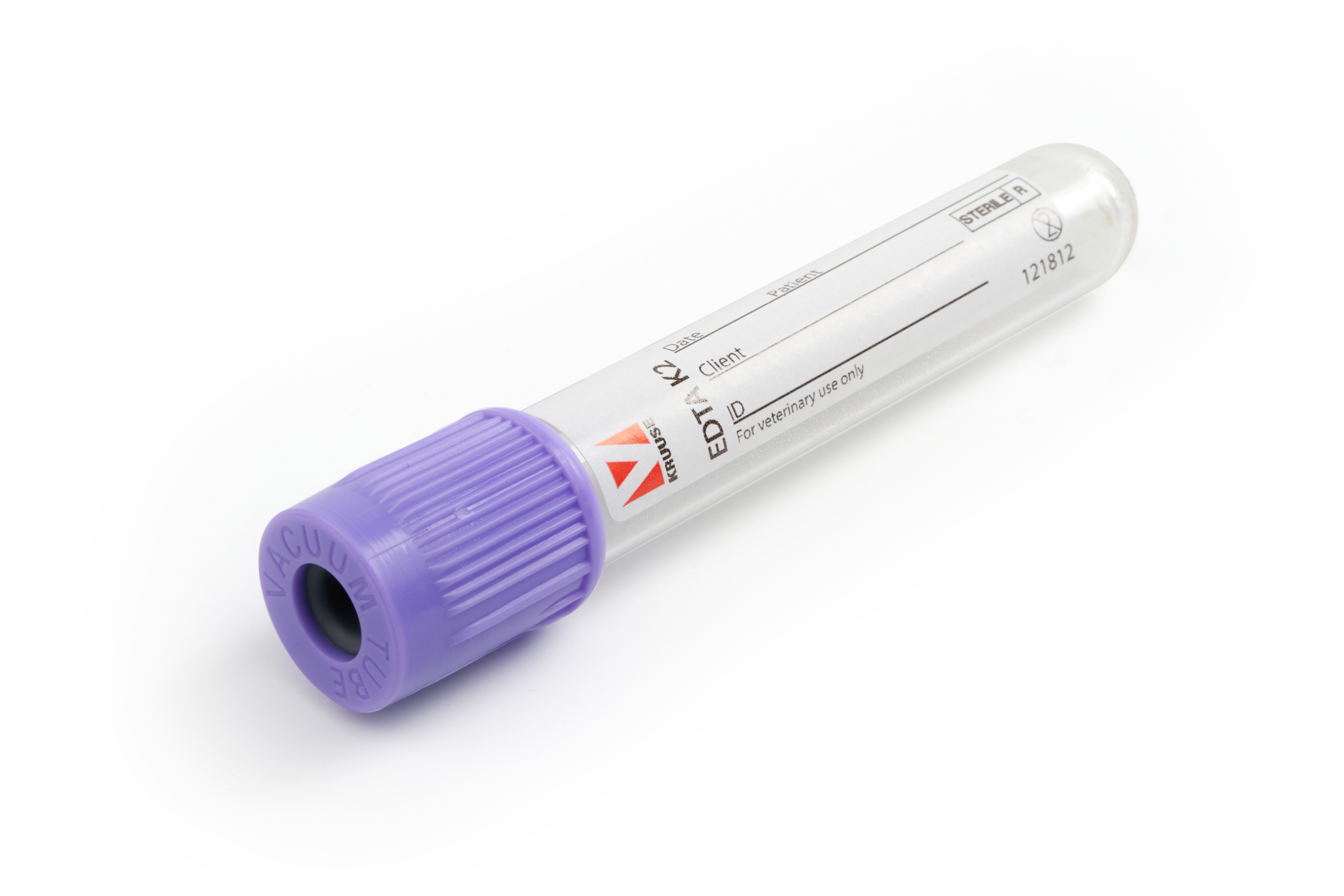 |
||||||||||||||||||||||||||||||
| Product Overview | Veterinary Blood Sample Collection Tube is a disposable specimen container designed for the collection, identification, handling and transportation of animal blood samples used in veterinary laboratory workflows. Different configurations can be selected according to the intended diagnostic application, including anticoagulant tubes and serum collection tubes. Common options include EDTA, citrate, heparin, clot activator and separation gel configurations. The transparent tube body provides convenient visual observation of the specimen, while the cap and labeling area support sample identification and traceability. The product can be integrated into routine livestock health monitoring, disease investigation and veterinary diagnostic procedures. It is suitable for commercial pig farms, cattle farms, goat-farming-equipment/" target="_blank" class="keylink">sheep and goat operations, poultry enterprises, breeding farms, veterinary clinics, diagnostic laboratories and animal disease surveillance programs. Tube material, capacity, additive, cap, labeling and packaging are customizable according to project requirements. |
||||||||||||||||||||||||||||||
| Key Features |
|
||||||||||||||||||||||||||||||
| Structural Components |
|
||||||||||||||||||||||||||||||
| Working Principle / Structural Principle | The collection tube provides a controlled container for an animal blood specimen from collection through laboratory processing. For anticoagulant configurations, the selected additive helps maintain the blood in a condition suitable for the intended test. EDTA is commonly used for compatible whole-blood hematology applications, while citrate and heparin are used for specific laboratory procedures. For compatible molecular diagnostic workflows, animal whole blood collected with EDTA, citrate or heparin may be used as starting material for nucleic-acid purification. The exact tube configuration must match the requirements of the downstream laboratory method. After collection, anticoagulated samples should generally be mixed gently according to the applicable product instructions to distribute the additive evenly. Serum configurations follow a different process, allowing blood to clot before serum separation. The tube itself does not detect pathogens. It is a pre-analytical sampling component used before compatible laboratory testing such as hematology, serology, PCR or RT-PCR. |
||||||||||||||||||||||||||||||
| Technical Specifications |
|
||||||||||||||||||||||||||||||
| Applications |
|
||||||||||||||||||||||||||||||
| Customization Options |
|
||||||||||||||||||||||||||||||
| Installation & Maintenance | No permanent installation is required. The tube is a single-use veterinary sampling consumable used together with suitable blood collection equipment. Before use, verify the tube type, additive, package integrity, expiry information where applicable and required fill volume. Select the correct configuration for the intended laboratory test. Blood collection should be performed by appropriately trained veterinary personnel using a suitable venipuncture procedure for the animal species. For anticoagulant tubes, collect the required blood volume and gently mix according to the applicable product instructions. Avoid vigorous shaking because excessive agitation may affect specimen quality. Clearly identify each tube with relevant animal, farm, sample and collection information required by the receiving laboratory. Maintain the specimen under the storage and transportation conditions specified for the intended test. Store unused tubes in their original packaging and protect them from excessive heat, moisture, direct sunlight and physical damage. Used tubes should be handled and disposed of according to applicable biological-waste and occupational-safety requirements. |
||||||||||||||||||||||||||||||
| Project Cases |
Commercial Pig Farm: Standardized blood tubes can be incorporated into routine herd-health sampling and laboratory submission procedures. Integrated Livestock Group: Consistent tube specifications can help standardize sample collection across multiple production sites. Veterinary Laboratory: Different additive configurations can support separate workflows for hematology, serum testing and molecular diagnostics. Animal Disease Surveillance: Tubes can be included in field sampling packages before compatible laboratory pathogen testing. Distributor and OEM Program: Tube capacity, additives, caps, labels and packaging can be configured for regional veterinary supply programs. |
||||||||||||||||||||||||||||||
| Product FAQ |
Q: What is a Veterinary Blood Sample Collection Tube used for? Q: Which animals can use these tubes? Q: What additives are available? Q: Can EDTA tubes be used for veterinary diagnostics? Q: Can the tubes be customized? Q: Are vacuum configurations available? Q: Can private-label packaging be supplied? Q: How should collected blood samples be handled? |
||||||||||||||||||||||||||||||
| Product Gallery |
|
- Home
-
Products
- Pig Farming Equipment
- Cattle Farming Equipment
- Sheep & Goat Farming Equipment
- Poultry Farming Equipment
- Feeding & Drinking Systems
- Veterinary & Breeding Equipment
- Testing & Diagnostic Equipment
- Cleaning & Biosecurity Equipment
- Climate Control Equipment
- Livestock Weighing Equipment
- Manure & Waste Management
- Farm Transport & Handling
-
Solutions
- Pig Farm Solutions
- Dairy Farm Solutions
- Beef Cattle Farm Solutions
- Sheep & Goat Farm Solutions
- Layer Farm Solutions
- Broiler Farm Solutions
- Feeding & Drinking System Solutions
- Climate Control Solutions
- Biosecurity & Disinfection Solutions
- Manure & Waste Management
- Smart Farming Solutions
- Farm Renovation and Upgrade Solutions
- Partners
- Projects
- Resources
- News
- About Us
- Contact


Comments & Inquiries
Leave your questions or requirements below. We will reply as soon as possible.