

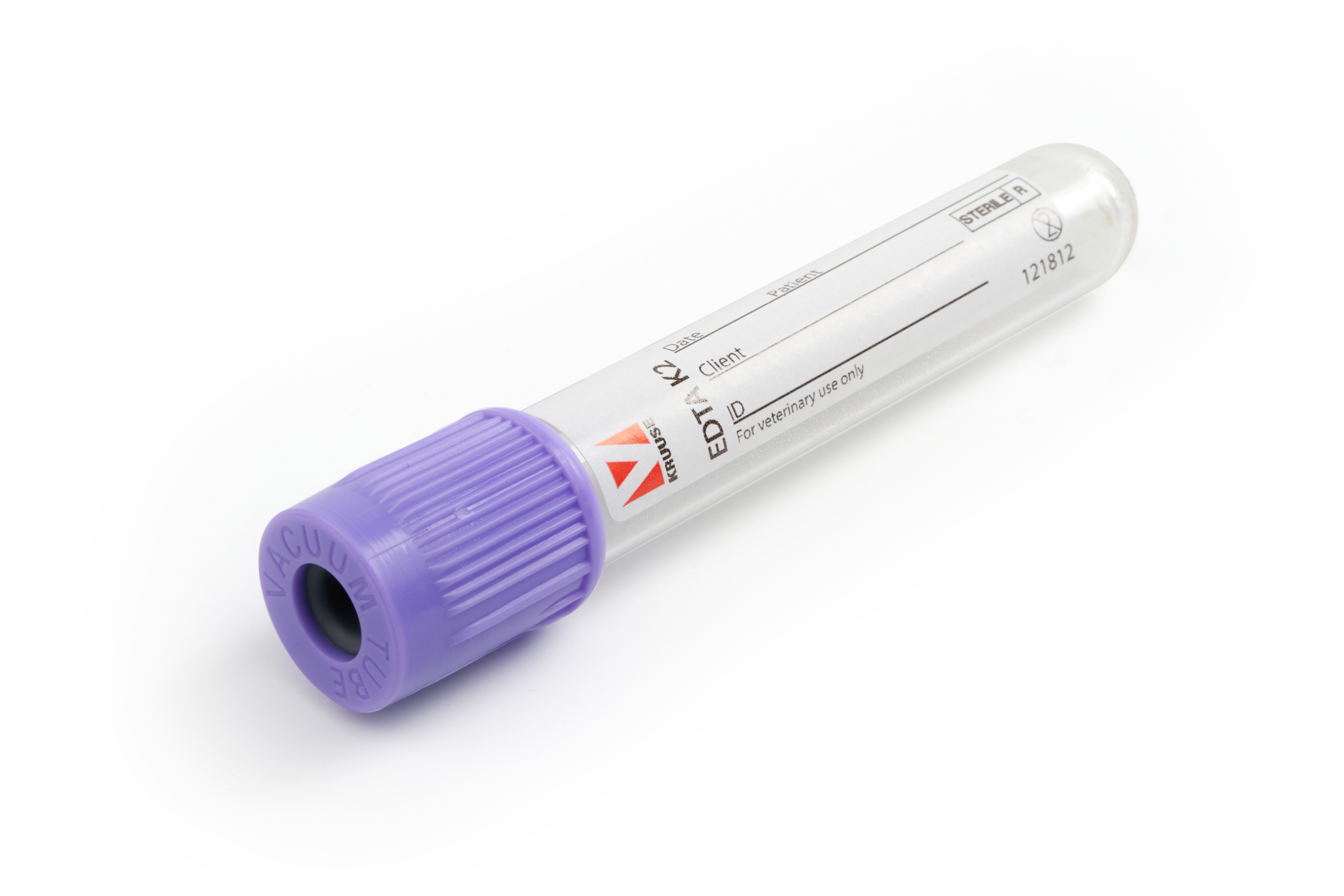
| Product Name | Disposable Veterinary Blood Collection Tube | ||||||||||||||||||||||||||||||
| Product Image |  |
||||||||||||||||||||||||||||||
| Product Overview | The Disposable Veterinary Blood Collection Tube is a single-use specimen collection consumable designed for controlled animal blood sampling and subsequent laboratory analysis. It provides a standardized container for collecting, preserving and transporting blood specimens within veterinary diagnostic workflows. Different tube configurations can be selected according to the intended laboratory test. Common veterinary blood collection systems include EDTA tubes for whole-blood hematology, serum tubes for serum-based testing, heparin tubes for appropriate plasma applications and sodium citrate tubes for coagulation testing. Veterinary manufacturers offer these configurations in different sizes and draw volumes. The product is suitable for veterinary clinics, commercial pig farms, cattle and dairy operations, breeding facilities, animal health laboratories, quarantine stations and livestock disease surveillance programs. Tube material, additive, draw volume, closure, labeling, sterility and packaging are Customizable, According to project requirements, and Available upon request. |
||||||||||||||||||||||||||||||
| Key Features |
|
||||||||||||||||||||||||||||||
| Structural Components | The Disposable Veterinary Blood Collection Tube consists of a transparent collection tube, internal additive where required, stopper or closure, protective cap and identification area. Tube Body: PET or glass can be used according to the required application. PET provides a lightweight and impact-resistant option for routine veterinary sample handling, while glass is available for selected laboratory applications. Internal Additive: Depending on the selected configuration, the tube may contain EDTA, heparin, sodium citrate, clot activator, separator gel or no additive. The additive is selected according to the required specimen type and diagnostic procedure. Stopper and Cap: Evacuated configurations can use a pierceable stopper with a protective cap. Color coding helps operators distinguish different tube types. Identification Area: A printed or writable label area can be used for animal identification, sample number, collection information, batch information or barcode traceability. The exact structure and component configuration are Customizable and According to project requirements. |
||||||||||||||||||||||||||||||
| Working Principle / Structural Principle | For an evacuated tube configuration, an appropriate blood collection needle and holder are used for venipuncture. The negative pressure inside the tube draws blood into the collection chamber until the designed draw volume is reached. The selected additive determines the subsequent specimen condition. EDTA acts as an anticoagulant and is commonly used for whole-blood hematology. Sodium citrate is used for appropriate coagulation testing, while heparin configurations are intended for compatible plasma-based procedures. Tubes containing clot activator or separator gel are used for selected serum workflows. After collection, the tube is gently mixed when required by the additive and product instructions. EDTA tubes, for example, require appropriate inversion to distribute the anticoagulant throughout the specimen. Serum tubes are processed according to the applicable clotting and centrifugation procedure. The required blood-to-additive ratio, mixing method, processing time, centrifugation conditions and storage requirements depend on the selected tube and laboratory protocol and should not be generalized across all configurations. |
||||||||||||||||||||||||||||||
| Technical Specifications |
|
||||||||||||||||||||||||||||||
| Applications |
Different tube additives should be selected according to the intended diagnostic procedure. Veterinary blood collection systems commonly provide EDTA, clot activator, lithium heparin and other configurations for different laboratory applications. For commercial livestock operations, standardized blood collection tubes can be incorporated into routine herd-health sampling kits and farm veterinary testing programs. |
||||||||||||||||||||||||||||||
| Customization Options | The Disposable Veterinary Blood Collection Tube can be configured for different animal species, diagnostic workflows, laboratory equipment and procurement programs. Customization options may include:
Variable parameters are Customizable, According to project requirements, and Available upon request. |
||||||||||||||||||||||||||||||
| Installation & Maintenance | No permanent installation is required. The tube is a disposable sampling consumable used with a compatible needle, holder or veterinary blood collection system. Before use, select the correct tube according to the animal, specimen type and diagnostic test. Check the package integrity, tube condition, additive type and expiration information where applicable. For evacuated tubes, perform venipuncture using an appropriate sterile blood collection needle and compatible holder. Allow the tube to fill according to its designed draw volume. After collection, gently invert the tube according to the manufacturer's instructions for the selected additive. Avoid vigorous shaking, which may adversely affect specimen quality. For serum configurations, allow clot formation and perform centrifugation according to the applicable laboratory procedure. EDTA and other anticoagulant tubes should be processed according to the requirements of the corresponding test. Identify each specimen immediately and maintain the required storage and transportation conditions. Keep samples protected from excessive heat, freezing or unnecessary mechanical agitation. The tube is intended for single use. Used blood tubes and needles must be disposed of according to applicable biological-waste and sharps-disposal requirements. |
||||||||||||||||||||||||||||||
| Project Cases | The Disposable Veterinary Blood Collection Tube is suitable for procurement programs serving commercial pig farms, integrated livestock groups, veterinary hospitals, diagnostic laboratories, agricultural distributors and farm veterinary service providers. For large-scale swine operations, standardized collection tubes can be allocated to production units, breeding facilities, quarantine areas and veterinary sampling teams for routine herd health monitoring. For centralized livestock laboratories, different tube configurations can be specified for hematology, serum chemistry, serology, plasma and coagulation workflows. For veterinary laboratory construction and farm engineering projects, the tubes can be included in the laboratory consumables schedule together with centrifuges, sample racks, pipettes, diagnostic kits and other specimen-processing equipment. Bulk quantities, tube types, labeling, packaging and OEM requirements can be planned according to project scale and local procurement conditions. |
||||||||||||||||||||||||||||||
| Product FAQ |
Q: What is a Disposable Veterinary Blood Collection Tube? Q: What additives are available? Q: Which tube is generally used for hematology? Q: Can these tubes be used for commercial pig farms? Q: Are PET and glass tubes available? Q: Can the tube size and draw volume be customized? Q: Can barcode labels be added? Q: Can the tubes be supplied under an OEM brand? Q: Can one tube configuration be used for every blood test? |
||||||||||||||||||||||||||||||
| Product Gallery |
  |
- Home
-
Products
- Pig Farming Equipment
- Cattle Farming Equipment
- Sheep & Goat Farming Equipment
- Poultry Farming Equipment
- Feeding & Drinking Systems
- Veterinary & Breeding Equipment
- Testing & Diagnostic Equipment
- Cleaning & Biosecurity Equipment
- Climate Control Equipment
- Livestock Weighing Equipment
- Manure & Waste Management
- Farm Transport & Handling
-
Solutions
- Pig Farm Solutions
- Dairy Farm Solutions
- Beef Cattle Farm Solutions
- Sheep & Goat Farm Solutions
- Layer Farm Solutions
- Broiler Farm Solutions
- Feeding & Drinking System Solutions
- Climate Control Solutions
- Biosecurity & Disinfection Solutions
- Manure & Waste Management
- Smart Farming Solutions
- Farm Renovation and Upgrade Solutions
- Partners
- Projects
- Resources
- News
- About Us
- Contact

Comments & Inquiries
Leave your questions or requirements below. We will reply as soon as possible.