

| Product Showcase | Content |
|---|---|
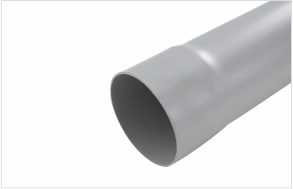
| Product Name | Manure Transfer Pressure Pipe |
| Product Image |
 |
| Product Overview | The Manure Transfer Pressure Pipe forms a fixed pipeline for moving pumpable manure slurry, screened effluent, and livestock wastewater under pressure. In commercial pig farm construction, it can connect a manure collection pit or pump station to solid-liquid separation equipment, treatment tanks, or storage facilities. Pipe material, pressure class, internal diameter, fittings, and joint type are selected according to the fluid and hydraulic design. |
| Key Features |
|
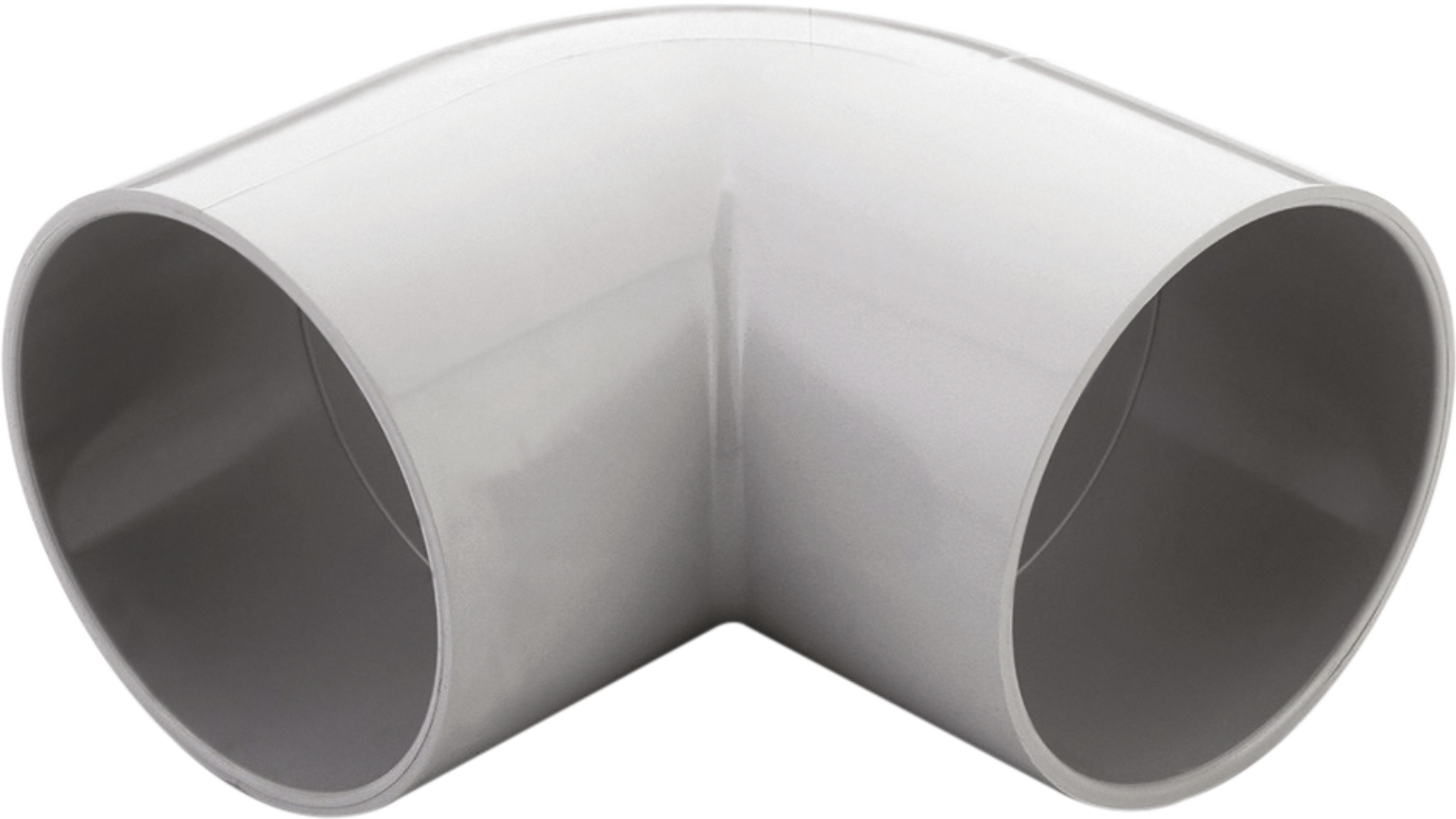
| Structural Components | A typical line comprises pressure-rated pipe sections, compatible couplings or socket joints, elbows, tees, reducers, and connections to pumps or valves. Depending on the design, it may also require isolation points, air release provisions, thrust restraint, pipe supports, and accessible cleanout or flushing connections. Joint seals and fittings must match the selected pipe system and conveyed liquid. |
| Working Principle | A manure transfer pump supplies the pressure needed to move liquid through the closed pipeline. Pipe diameter and route are designed around flow rate, slurry solids content, friction loss, elevation change, and possible pressure surges. Screening or maceration upstream may be needed when manure contains fibrous material or large solids that could obstruct the line. |
| Technical Specifications |
|
| Applications | Pressure transfer from pig house manure collection pits; connections between lift stations and manure treatment areas; screened slurry transfer to separators or storage tanks; and livestock wastewater conveyance across commercial farm sites. Suitability for raw, high-solids manure should be checked against pump capability and blockage risk. |
| Customization Options | Pipe diameter, pressure class, route length, branch locations, joint type, fittings, and equipment interfaces can be specified from project drawings. For an accurate proposal, provide the required flow rate, pump data, slurry characteristics, route elevation, installation method, and applicable local standards. |
| Installation & Maintenance | Install pipes and joints to the selected system manufacturer's instructions. Provide suitable bedding for buried lines or engineered supports for exposed runs; allow for movement, temperature changes, and loads at equipment connections. Before operation, inspect joints and carry out the specified pressure test. During service, monitor for leaks, maintain accessible valves, and flush the line as required by the manure handling process. |
| Product FAQ |
Can this pipe carry raw manure? Is a gravity drain pipe suitable for the same duty? How is the pipe size selected? |
| Product Gallery |
   |
- Home
-
Products
- Pig Farming Equipment
- Cattle Farming Equipment
- Sheep & Goat Farming Equipment
- Poultry Farming Equipment
- Feeding & Drinking Systems
- Veterinary & Breeding Equipment
- Testing & Diagnostic Equipment
- Cleaning & Biosecurity Equipment
- Climate Control Equipment
- Livestock Weighing Equipment
- Manure & Waste Management
- Farm Transport & Handling
-
Solutions
- Pig Farm Solutions
- Dairy Farm Solutions
- Beef Cattle Farm Solutions
- Sheep & Goat Farm Solutions
- Layer Farm Solutions
- Broiler Farm Solutions
- Feeding & Drinking System Solutions
- Climate Control Solutions
- Biosecurity & Disinfection Solutions
- Manure & Waste Management
- Smart Farming Solutions
- Farm Renovation and Upgrade Solutions
- Partners
- Projects
- Resources
- News
- About Us
- Contact



Comments & Inquiries
Leave your questions or requirements below. We will reply as soon as possible.