
| Product Showcase | Content |
|---|---|
| Product Name | Manure Progressive Cavity Pump |
| Product Image | 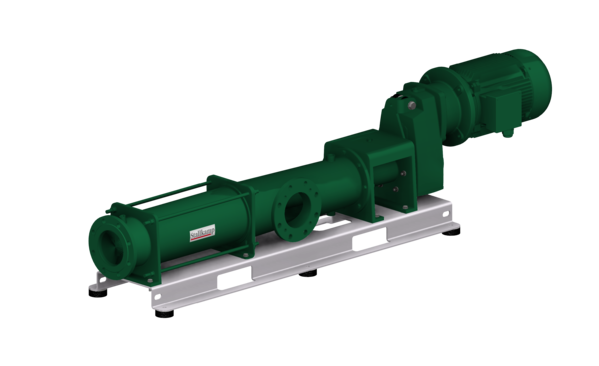 |
| Product Overview | The Manure Progressive Cavity Pump, also called an eccentric screw pump, transfers pumpable livestock manure, thick slurry, biomass and digestate through a fixed pipeline. Its positive displacement principle provides a controlled flow for applications such as moving material from a reception tank to storage or feeding downstream treatment equipment. The pump is selected around the characteristics of the medium and the complete piping system. |
| Key Features |
|
| Structural Components | A typical pump assembly includes an electric drive, transmission or coupling, inlet housing, eccentric rotor, matching elastomer stator, shaft seal, discharge connection and mounting base. The rotor, stator and seal are service components. Their materials should be specified for the manure composition, temperature and expected operating hours. |
| Working Principle | The helical rotor turns eccentrically inside the stator, forming sealed cavities. As the rotor moves, these cavities carry slurry from the suction side toward the discharge side. This positive displacement action provides a relatively even flow. The pump itself does not replace a chopper or debris separator; inlet protection should be considered when the manure contains unsuitable foreign objects. |
| Technical Specifications |
|
| Applications | Applications include transferring pumpable pig or cattle manure from collection tanks, supplying slurry to a separator, and conveying prepared biomass or digestate within an agricultural biogas system. In a commercial pig farm, the pump can serve a central manure-handling station connected to the livestock buildings by suitable collection and transfer pipework. |
| Customization Options | The drive, rotor and stator selection, seal arrangement, connections, base and controls can be reviewed for each project. For pig farm construction or a steel structure livestock building, plan the pump position with the concrete foundations, suction line, maintenance clearance and downstream equipment. Slurry testing or representative operating data supports accurate selection. |
| Installation & Maintenance | Mount the pump on a stable, aligned base with adequate access to remove the rotor, stator and seal. Check the suction arrangement, pipeline connections, motor rotation and protective controls during commissioning. Operate within the selected pump's liquid and pressure limits, and prevent dry running. Regularly inspect stator condition, rotor wear, seals, bearings and connections; isolate the drive before maintenance. |
| Product FAQ |
Is a progressive cavity pump suitable for thick manure? Does the pump chop fibres or remove debris? What information is needed for a quotation? |
| Product Gallery |
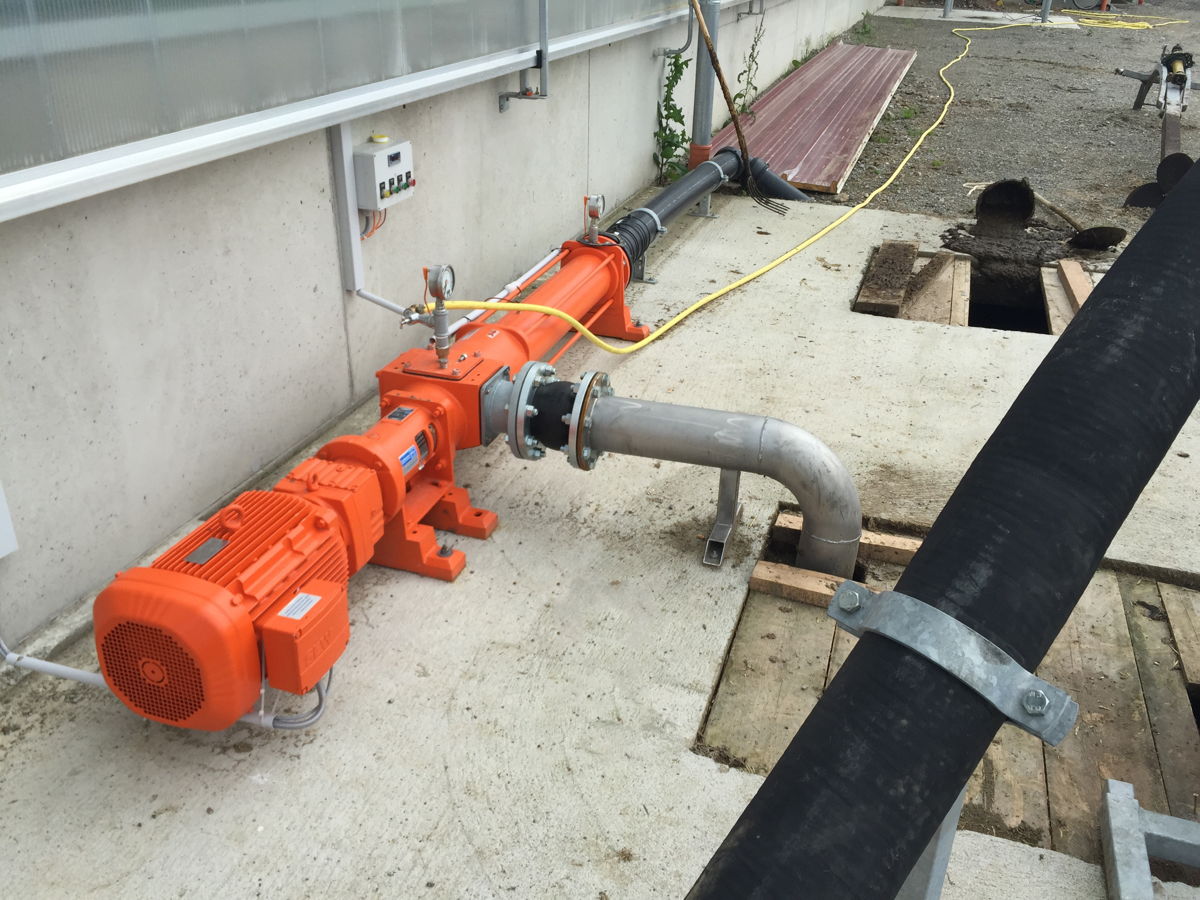
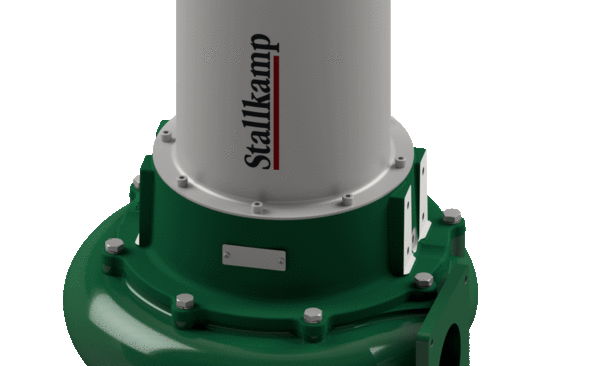
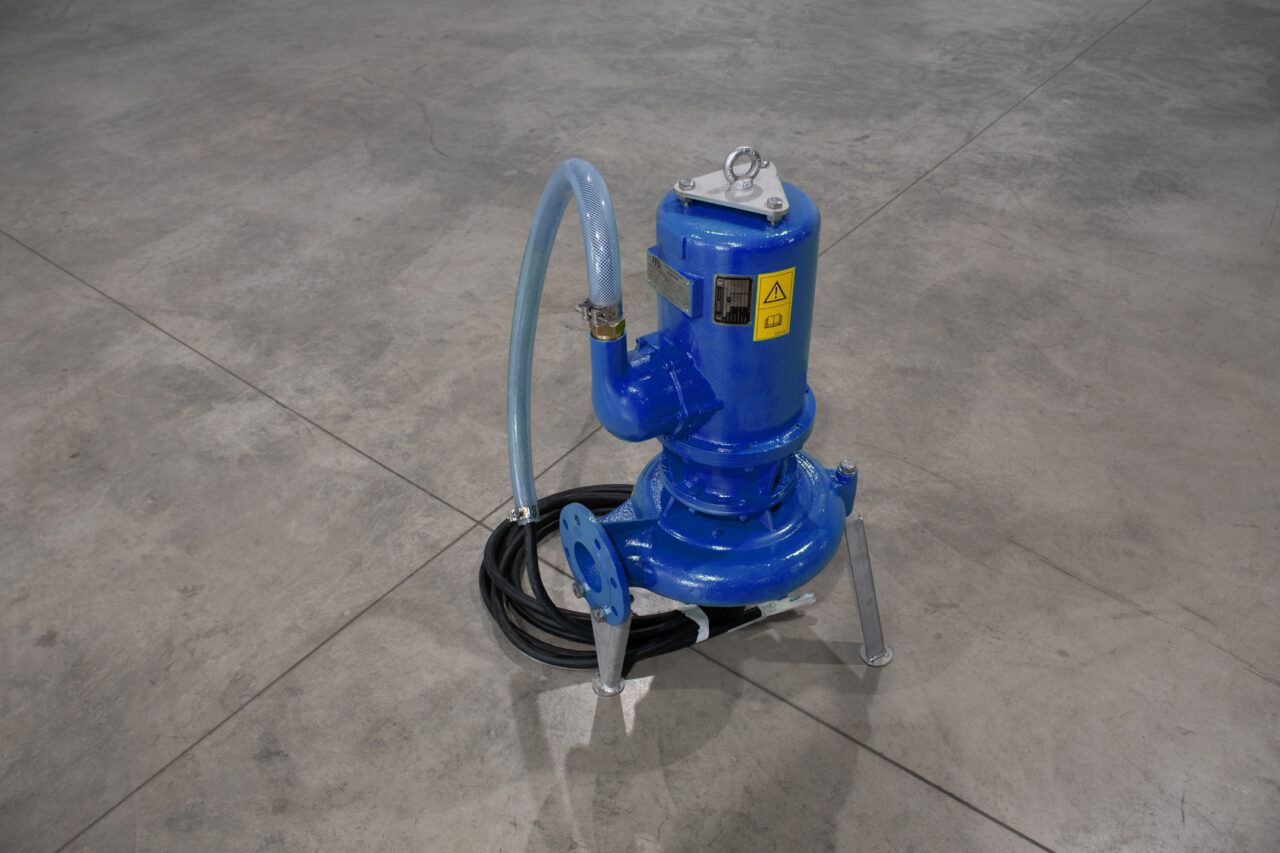
Reference product and installation images: Stallkamp and Paulmichl. Final supplied equipment and site arrangement are subject to project confirmation. |
- Home
-
Products
- Pig Farming Equipment
- Cattle Farming Equipment
- Sheep & Goat Farming Equipment
- Poultry Farming Equipment
- Feeding & Drinking Systems
- Veterinary & Breeding Equipment
- Testing & Diagnostic Equipment
- Cleaning & Biosecurity Equipment
- Climate Control Equipment
- Livestock Weighing Equipment
- Manure & Waste Management
- Farm Transport & Handling
-
Solutions
- Pig Farm Solutions
- Dairy Farm Solutions
- Beef Cattle Farm Solutions
- Sheep & Goat Farm Solutions
- Layer Farm Solutions
- Broiler Farm Solutions
- Feeding & Drinking System Solutions
- Climate Control Solutions
- Biosecurity & Disinfection Solutions
- Manure & Waste Management
- Smart Farming Solutions
- Farm Renovation and Upgrade Solutions
- Partners
- Projects
- Resources
- News
- About Us
- Contact


Comments & Inquiries
Leave your questions or requirements below. We will reply as soon as possible.