
| Product Showcase | Content | ||||||||||||||||||||||||||||||||
|---|---|---|---|---|---|---|---|---|---|---|---|---|---|---|---|---|---|---|---|---|---|---|---|---|---|---|---|---|---|---|---|---|---|
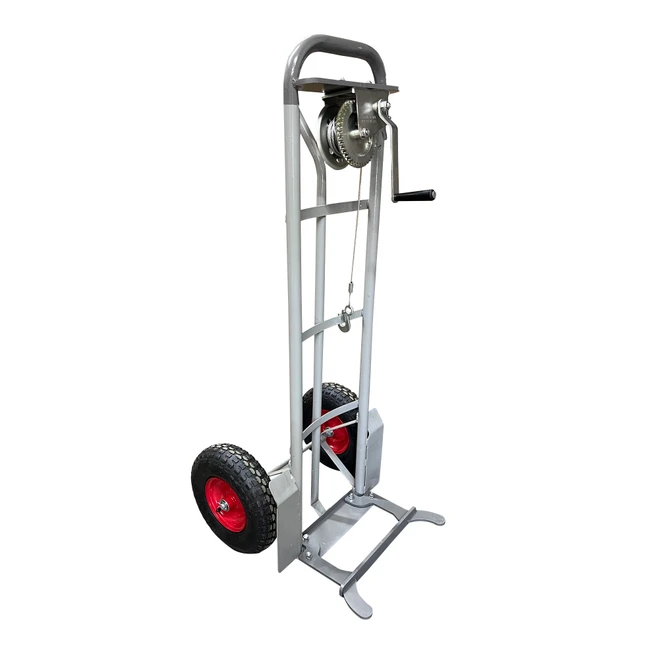
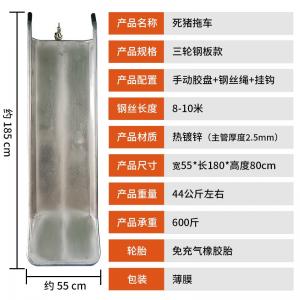
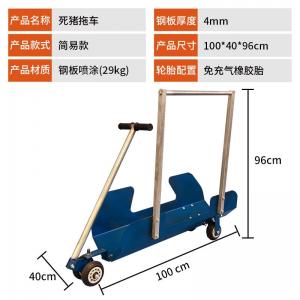
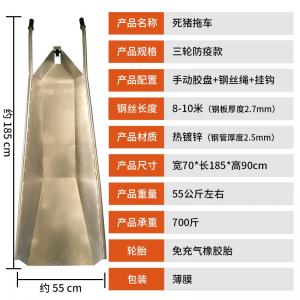
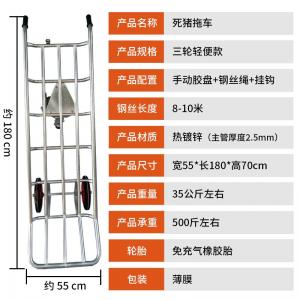
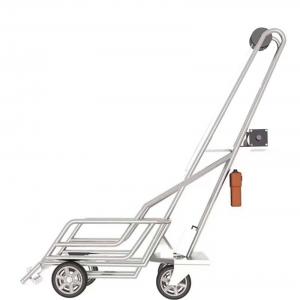
| Product Name | Three-Wheel Steel-Plate Dead Pig Cart | ||||||||||||||||||||||||||||||||
| Product Image | 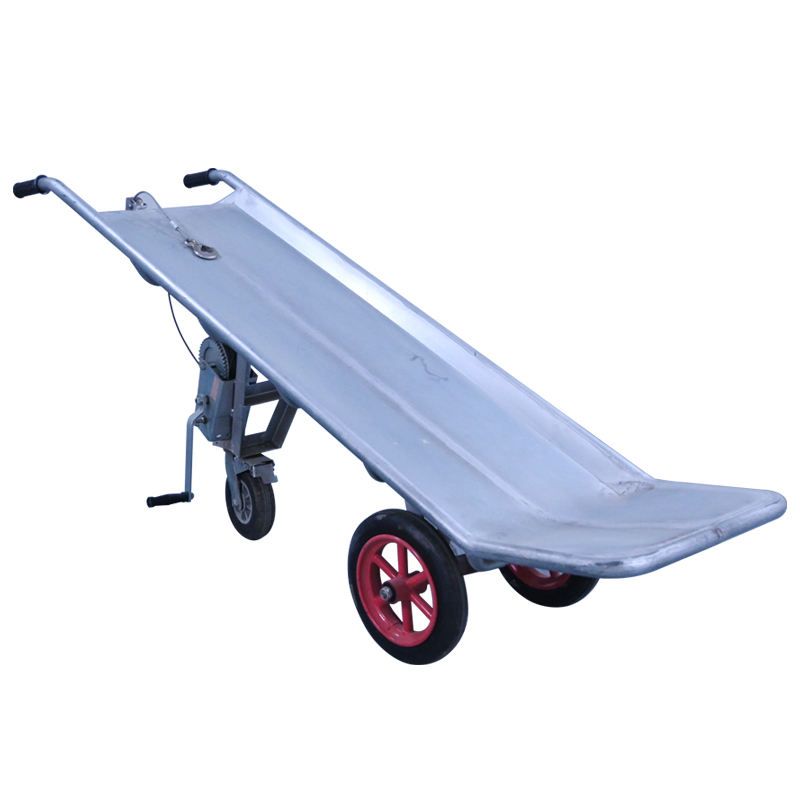 |
||||||||||||||||||||||||||||||||
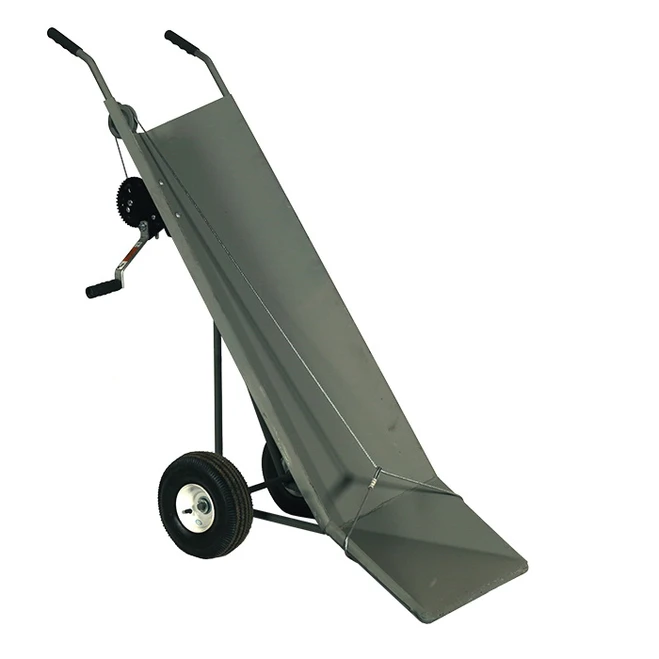
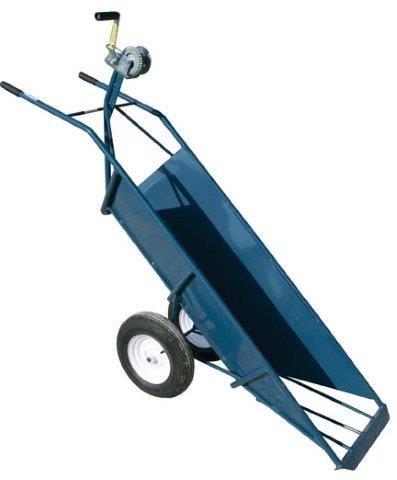
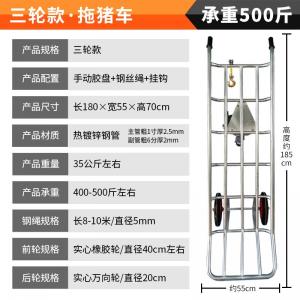
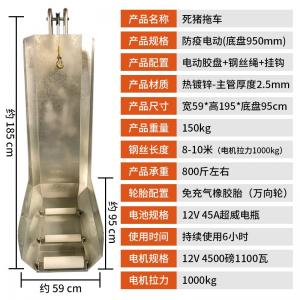
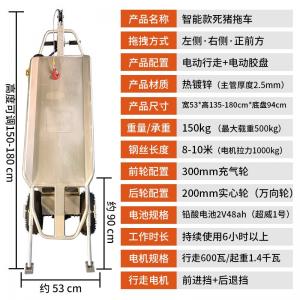
| Product Overview | The Three-Wheel Steel-Plate Dead Pig Cart is a manual carcass handling solution for commercial swine farms. Its solid steel-plate bed, three-wheel support system and hand winch provide stable loading and convenient transport of pig mortalities through barns, aisles and farm service areas. | ||||||||||||||||||||||||||||||||
| Key Features |
|
||||||||||||||||||||||||||||||||
| Structural Components |
|
||||||||||||||||||||||||||||||||
| Working Principle | The cart is positioned near the pig carcass and the winch cable is connected according to farm handling procedures. Turning the hand winch draws the carcass onto the solid steel-plate bed. The two main wheels support the load while the third wheel stabilizes the cart, allowing the operator to push or pull the loaded unit to the designated mortality collection, storage or disposal area. | ||||||||||||||||||||||||||||||||
| Technical Specifications |
Reference dimensions are based on comparable commercial solid-panel carcass cart configurations. Final specifications can be customized according to farm requirements. |
||||||||||||||||||||||||||||||||
| Applications |
|
||||||||||||||||||||||||||||||||
| Customization Options | The Three-Wheel Steel-Plate Dead Pig Cart can be configured according to pig size, barn aisle dimensions, mortality handling procedures and farm operating conditions.
|
||||||||||||||||||||||||||||||||
| Installation & Maintenance | Initial Assembly:
|
||||||||||||||||||||||||||||||||
| Product FAQ | Q1: What is the Three-Wheel Steel-Plate Dead Pig Cart used for? It is designed for loading and transporting pig carcasses from production barns to designated mortality collection, storage or disposal areas. Q2: What is the advantage of the third wheel? The third wheel provides additional support and stability, reducing the need for the operator to continuously balance the loaded cart. Q3: Why use a solid steel-plate bed? The solid bed supports the carcass securely and can help contain fluids, manure and debris during transportation. Q4: How is the carcass loaded? A manual winch, cable and hook are used to draw the carcass onto the steel-plate loading bed. Q5: Does the cart require electricity? No. The standard model is completely manual and requires no battery or electrical power supply. Q6: Are flat-free wheels available? Yes. Flat-free wheel configurations are available to reduce downtime caused by punctures in livestock farm environments. Q7: Can the cart be used in narrow pig house aisles? Yes. Overall width and wheel configuration can be selected according to barn aisle dimensions and project requirements. Q8: Can the load capacity be customized? Yes. Frame strength, bed dimensions and winch configuration can be selected according to expected carcass weight. Q9: Is galvanized steel available? Yes. Galvanized, coated and other corrosion-resistant surface treatments are available upon request. Q10: Is the cart easy to clean and disinfect? Yes. The solid-panel structure provides accessible surfaces for routine washing and disinfection as part of farm biosecurity management. Q11: Can the cart be supplied in a modular configuration? Yes. Modular configurations can be supplied to simplify packing, international transportation and on-site assembly. Q12: What information is required for quotation? Please provide the expected carcass weight, barn aisle width, required bed dimensions, preferred wheel type, surface treatment and estimated order quantity. |
||||||||||||||||||||||||||||||||
| Product Gallery |
   |
- Home
-
Products
- Pig Farming Equipment
- Cattle Farming Equipment
- Sheep & Goat Farming Equipment
- Poultry Farming Equipment
- Feeding & Drinking Systems
- Veterinary & Breeding Equipment
- Testing & Diagnostic Equipment
- Cleaning & Biosecurity Equipment
- Climate Control Equipment
- Livestock Weighing Equipment
- Manure & Waste Management
- Farm Transport & Handling
-
Solutions
- Pig Farm Solutions
- Dairy Farm Solutions
- Beef Cattle Farm Solutions
- Sheep & Goat Farm Solutions
- Layer Farm Solutions
- Broiler Farm Solutions
- Feeding & Drinking System Solutions
- Climate Control Solutions
- Biosecurity & Disinfection Solutions
- Manure & Waste Management
- Smart Farming Solutions
- Farm Renovation and Upgrade Solutions
- Partners
- Projects
- Resources
- News
- About Us
- Contact
Comments & Inquiries
Leave your questions or requirements below. We will reply as soon as possible.