
| Product Showcase | Content | ||||||||||||||||||||||||||||||||||||||||
|---|---|---|---|---|---|---|---|---|---|---|---|---|---|---|---|---|---|---|---|---|---|---|---|---|---|---|---|---|---|---|---|---|---|---|---|---|---|---|---|---|---|
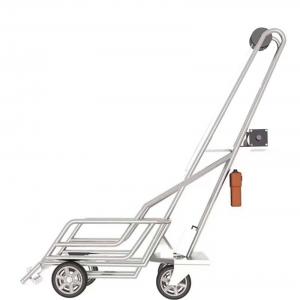
| Product Name | Standard Dead Pig Cart | ||||||||||||||||||||||||||||||||||||||||
| Product Image | 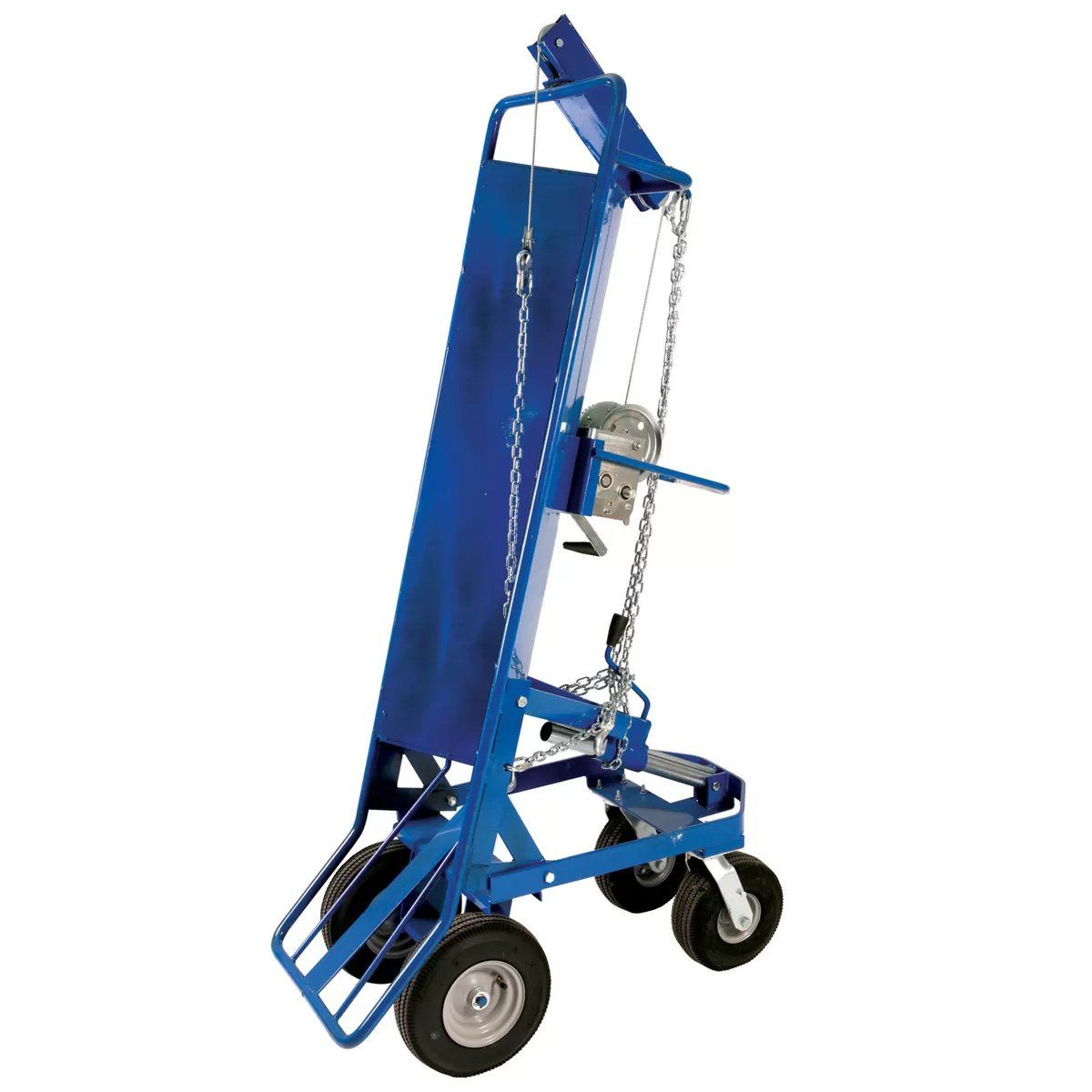 |
||||||||||||||||||||||||||||||||||||||||
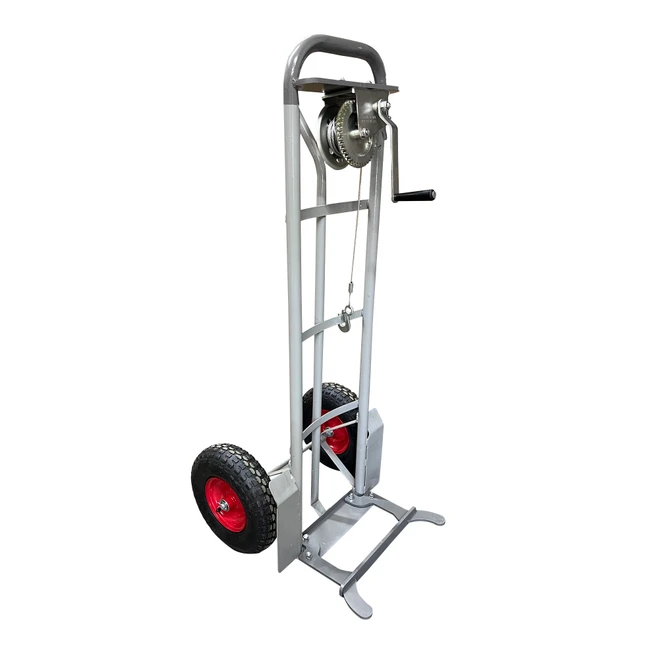
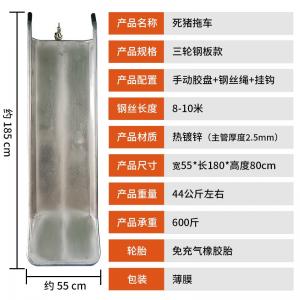
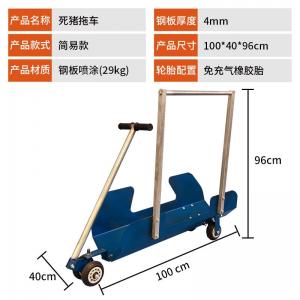
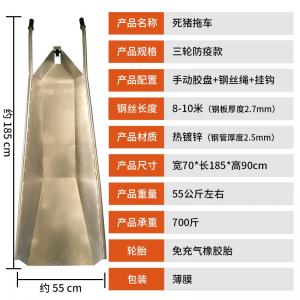
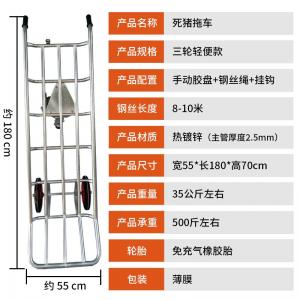
| Product Overview | The Standard Dead Pig Cart is a heavy-duty manual carcass handling solution for commercial swine farms. Its reclining bed, multi-wheel chassis and two-speed hand winch help operators load and transport heavy pig mortalities through barn aisles, corners and service areas with improved control and reduced physical effort. | ||||||||||||||||||||||||||||||||||||||||
| Key Features |
|
||||||||||||||||||||||||||||||||||||||||
| Structural Components |
|
||||||||||||||||||||||||||||||||||||||||
| Working Principle | The cart is positioned close to the carcass and stabilized using the anchoring system. The winch cable is extended, routed through the pulley arrangement when required, and connected according to farm handling procedures. The two-speed hand winch then pulls the carcass onto the reclining bed. Once the load is secured and balanced, the cart can be manually maneuvered through the pig house to the designated mortality collection, storage or disposal area. | ||||||||||||||||||||||||||||||||||||||||
| Technical Specifications |
Reference specifications are based on comparable Generation II commercial carcass cart configurations. Final specifications can be customized according to farm and project requirements. |
||||||||||||||||||||||||||||||||||||||||
| Applications |
|
||||||||||||||||||||||||||||||||||||||||
| Customization Options | The Standard Dead Pig Cart can be configured according to carcass size, barn aisle dimensions, floor conditions and mortality handling procedures.
|
||||||||||||||||||||||||||||||||||||||||
| Installation & Maintenance | Initial Assembly:
|
||||||||||||||||||||||||||||||||||||||||
| Product FAQ | Q1: What is the Standard Dead Pig Cart designed for? It is designed for loading and transporting pig and sow carcasses from production barns to designated mortality collection, storage or disposal areas. Q2: What is the advantage of the reclining bed? The reclining bed helps position and balance the carcass during loading and transportation, reducing the physical effort required from the operator. Q3: How is the carcass loaded? A manual two-speed hand winch, aircraft cable and pulley system are used to pull the carcass onto the cart. Q4: What is the advantage of a two-speed winch? Two-speed operation provides greater flexibility between faster cable movement and increased mechanical advantage when handling heavier loads. Q5: What is the free-spooling function? Free spooling allows the operator to extend the winch cable quickly before attaching it for carcass retrieval. Q6: Why is a four-point anchor system used? The anchor system helps stabilize the cart during winching and reduces unwanted chassis movement while loading a carcass. Q7: Can the cart pull from an angle? Comparable Generation II configurations are designed to assist with pulling from difficult directions and maneuvering around tight barn corners. Q8: What is the reference load capacity? Comparable commercial configurations are rated up to approximately 1,200 lb. Final capacity should be selected according to project requirements. Q9: Are solid tires available? Yes. Pneumatic tires and casters are commonly used, while solid tire options are available for farms requiring lower puncture-related maintenance. Q10: Does the cart require electricity? No. The standard configuration is manually operated and requires no battery or external electrical supply. Q11: Is it suitable for narrow pig barn aisles? Yes. The narrow frame and swivel caster arrangement are designed to provide maneuverability in commercial swine facilities. Q12: Can the dimensions be customized? Yes. Frame dimensions, capacity, bed configuration, wheels, winch and other structural parameters can be customized according to project requirements. Q13: Can the cart be galvanized? Yes. Galvanized, coated and other corrosion-resistant surface treatments are available upon request. Q14: What information is required for quotation? Please provide the maximum expected carcass weight, barn aisle width, required dimensions, preferred tire type, surface treatment and estimated order quantity. |
||||||||||||||||||||||||||||||||||||||||
| Product Gallery |
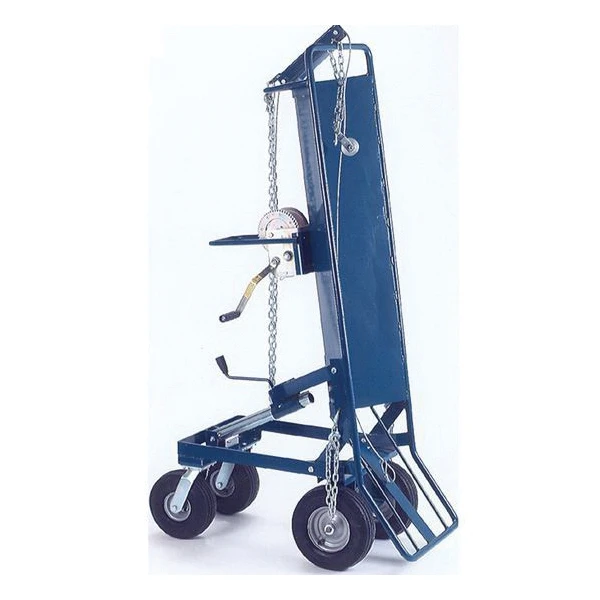 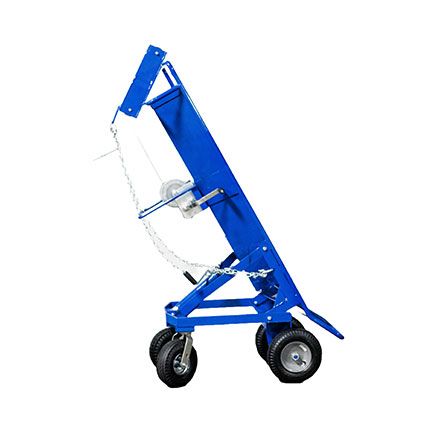 |
- Home
-
Products
- Pig Farming Equipment
- Cattle Farming Equipment
- Sheep & Goat Farming Equipment
- Poultry Farming Equipment
- Feeding & Drinking Systems
- Veterinary & Breeding Equipment
- Testing & Diagnostic Equipment
- Cleaning & Biosecurity Equipment
- Climate Control Equipment
- Livestock Weighing Equipment
- Manure & Waste Management
- Farm Transport & Handling
-
Solutions
- Pig Farm Solutions
- Dairy Farm Solutions
- Beef Cattle Farm Solutions
- Sheep & Goat Farm Solutions
- Layer Farm Solutions
- Broiler Farm Solutions
- Feeding & Drinking System Solutions
- Climate Control Solutions
- Biosecurity & Disinfection Solutions
- Manure & Waste Management
- Smart Farming Solutions
- Farm Renovation and Upgrade Solutions
- Partners
- Projects
- Resources
- News
- About Us
- Contact
Comments & Inquiries
Leave your questions or requirements below. We will reply as soon as possible.