Global Livestock Equipment Manufacturer & Supplier
SHEWUYOU · Livestock Equipment
Integrated Equipment Solutions for Pig, Cattle & Poultry Farms

FRP Negative Pressure Exhaust Fan for Livestock Farms

Product Showcase Content
Product Name FRP NEGATIVE PRESSURE EXHAUST FAN
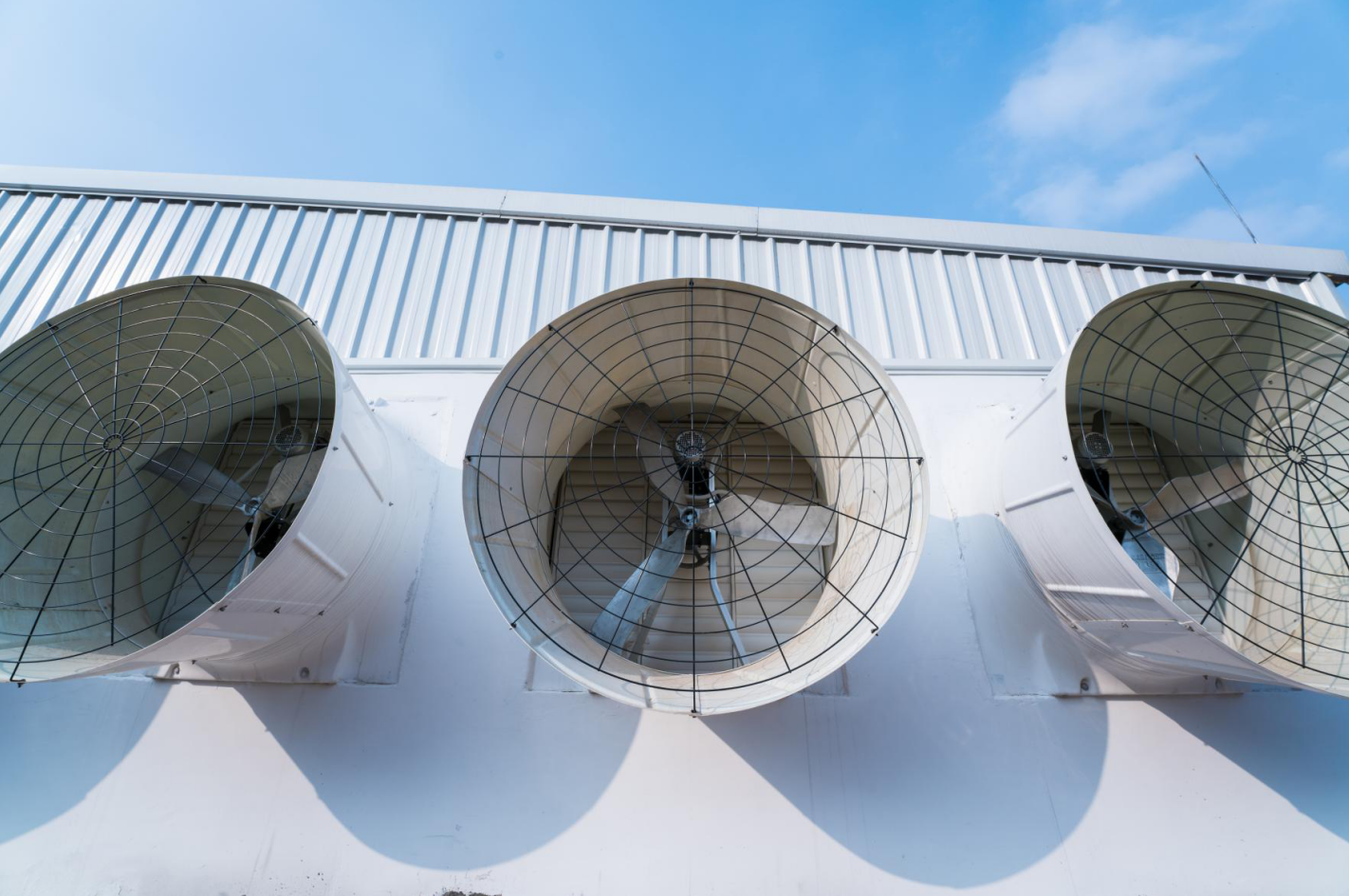
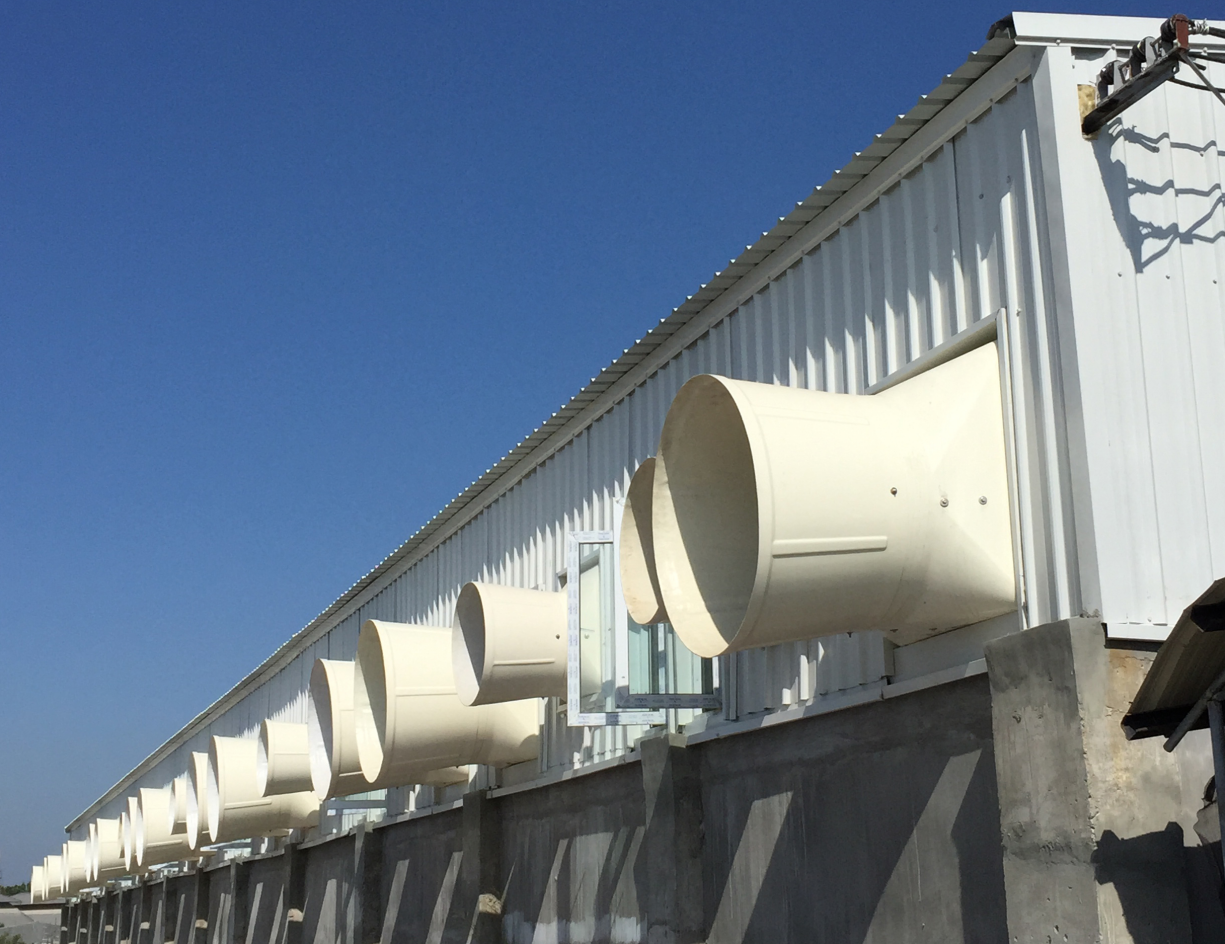
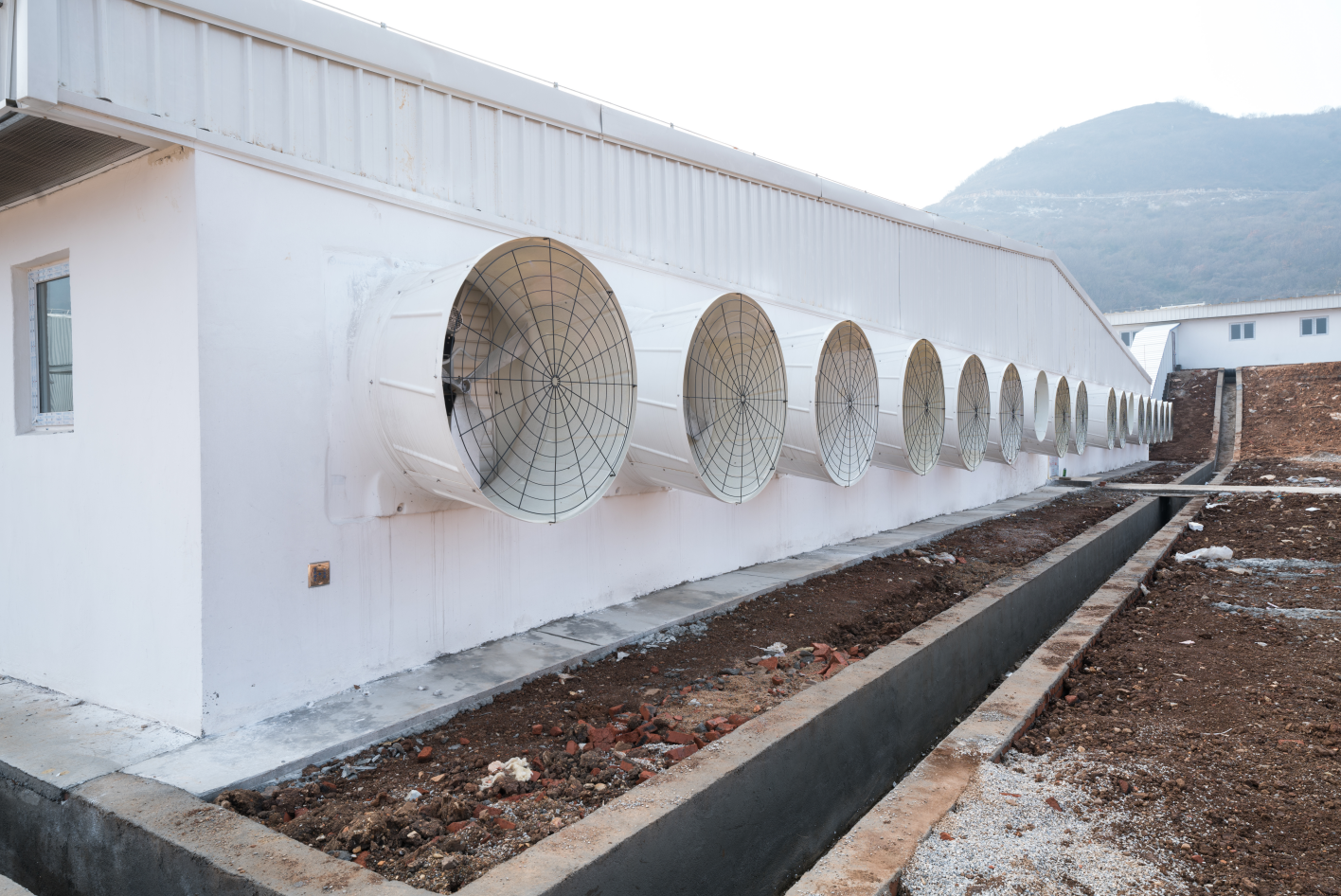
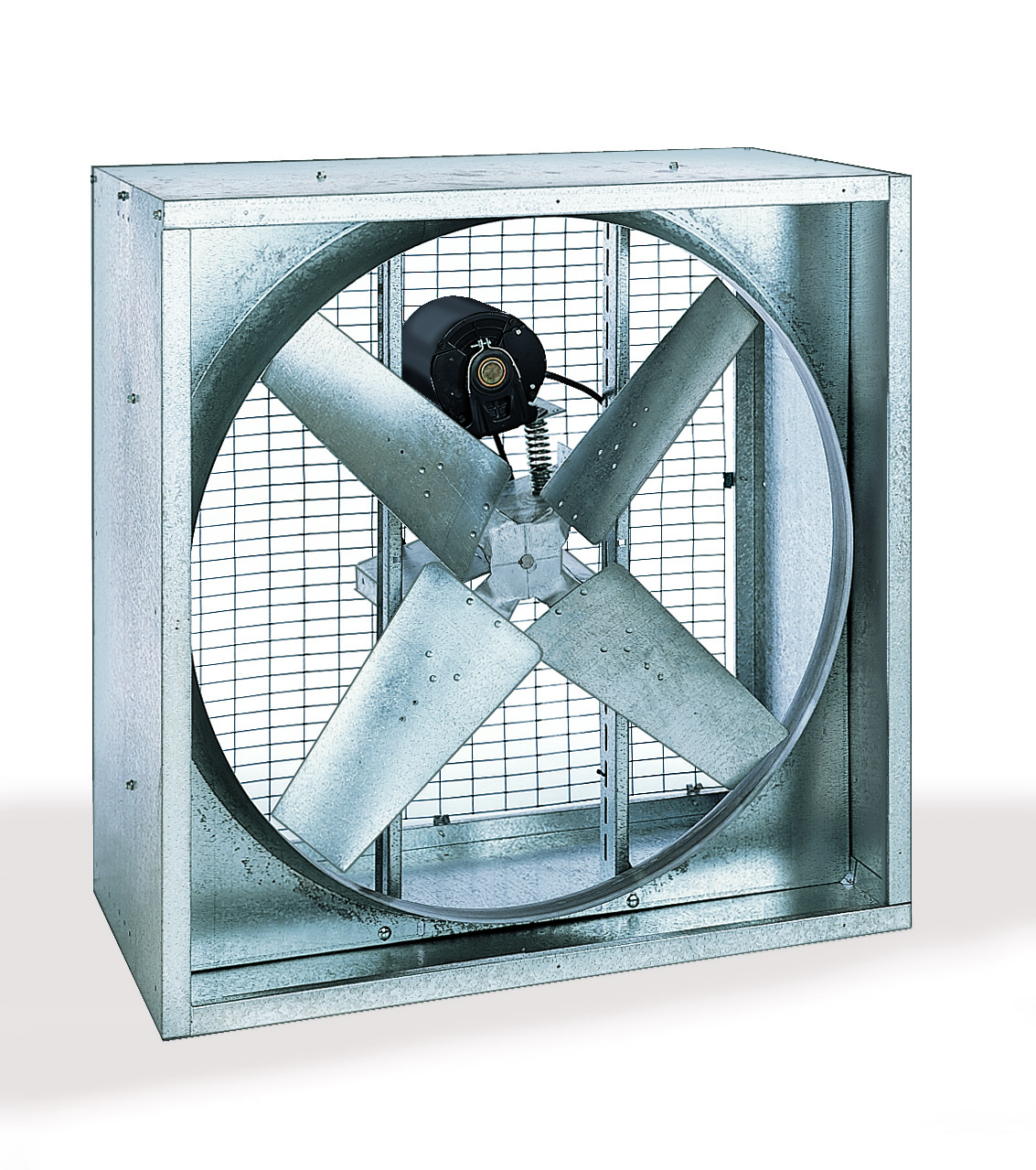
Product Image FRP Negative Pressure Exhaust Fan for Livestock Farms
Product Overview The FRP Negative Pressure Exhaust Fan is designed for high-volume ventilation and environmental control in pig houses, poultry houses, cattle barns and other livestock buildings. Its fiberglass-reinforced plastic housing provides excellent resistance to moisture, rust and corrosive farm gases.

The fan can be configured with FRP or stainless steel blades and direct-drive or belt-drive transmission. An aerodynamic discharge cone helps improve exhaust performance and directs discharged air away from the livestock building, making the system suitable for modern tunnel and negative-pressure ventilation projects.
Product Gallery
  • Corrosion-resistant FRP fan housing
  • Aerodynamic discharge cone for efficient exhaust
  • FRP or stainless steel blade options
  • Direct-drive and belt-drive configurations
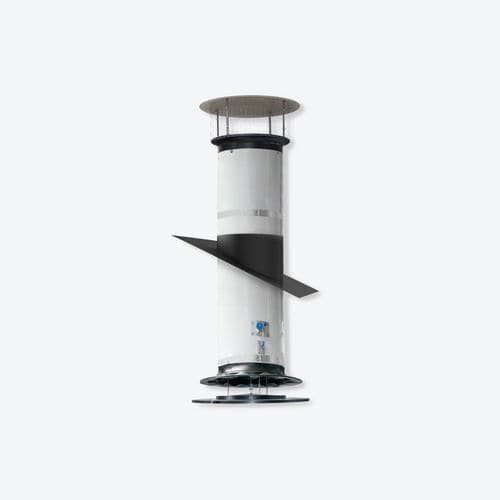
  • Wall-mounted installation for livestock houses
  • Optional configurations for pit and roof ventilation applications
Key Features
  • FRP Corrosion-Resistant Housing: Fiberglass-reinforced plastic frame resists rust, moisture and corrosive gases commonly found in livestock environments.
  • High-Volume Exhaust: Large axial fan structure supports rapid removal of heat, humidity, dust and stale air from livestock buildings.
  • Optional Blade Materials: Available with FRP or stainless steel fan blades according to project requirements.
  • Aerodynamic Discharge Cone: Guides exhaust airflow away from the building and helps improve overall fan performance.
  • Direct or Belt Drive: Different transmission configurations are available for various farm ventilation projects.
  • Stable Belt Tension: Belt-drive configurations can use an elastic tensioning mechanism to maintain consistent belt tension.
  • Low-Maintenance Structure: FRP housing does not require the same anti-rust maintenance as conventional galvanized steel frames.
  • Multiple Installation Options: Suitable configurations are available for sidewalls, manure pits and roof ventilation systems.
Working Principle The exhaust fan removes indoor air from the livestock house and creates a controlled negative pressure inside the building. Fresh outside air is then drawn through designated air inlets, sidewall openings or cooling pads.

Continuous air exchange removes excess heat, moisture, dust and contaminated air while helping maintain a more stable environment for livestock. When used with evaporative cooling pads, air inlets and environmental controllers, the fan can form part of a complete tunnel ventilation and cooling system.
Technical Specifications
Product Type FRP Negative Pressure Exhaust Fan
Housing Material Fiberglass-Reinforced Plastic (FRP)
Blade Material FRP or Stainless Steel
Drive Type Direct Drive / Belt Drive
Discharge Structure Aerodynamic FRP Air Guide Cone
Motor High-Efficiency Motor, According to Configuration
Pit Fan Option Anti-Backflow Structure and Removable Design
Roof Fan Option Dedicated Roof Mounting Components with Adjustable Installation Height
Fan Size Available According to Ventilation Design Requirements
Airflow Capacity According to Fan Size and Project Configuration
Voltage / Frequency Available According to Project Electrical Requirements
Installation Sidewall / Pit / Roof Configuration
Applications
  • Commercial pig houses
  • Farrowing and gestation buildings
  • Nursery and finishing barns
  • Poultry houses
  • Dairy and cattle barns
  • Manure pit ventilation systems
  • Livestock house roof ventilation
  • Tunnel ventilation and cooling systems
  • New farm construction and ventilation renovation projects
Installation & Maintenance
  • Determine fan quantity and capacity according to livestock type, building dimensions, climate and required ventilation rate.
  • Prepare a rigid and level wall opening or mounting frame according to the selected fan dimensions.
  • Seal the perimeter between the fan frame and building structure to prevent uncontrolled air leakage.
  • Keep sufficient clearance around the discharge cone and avoid structures that restrict exhaust airflow.
  • Connect the motor according to the specified voltage, phase and electrical protection requirements.
  • Inspect fan blades, guards, bearings, fasteners and motor connections periodically.
  • For belt-drive models, check belt condition and tension regularly.
  • Remove excessive dust, feathers and debris from blades and airflow passages to maintain ventilation efficiency.
  • Keep pit-fan drainage and service areas accessible for cleaning and wastewater management.
  • Disconnect and lock out electrical power before inspection, cleaning or maintenance.
Product FAQ

Q: Why is FRP used for the fan housing?
A: FRP provides excellent resistance to rust, moisture and corrosive livestock-house gases, making it suitable for demanding farm environments.

Q: What blade materials are available?
A: The current product can be configured with FRP or stainless steel fan blades.

Q: What is the purpose of the discharge cone?
A: The cone guides discharged air away from the building, supports efficient airflow and can help reduce undesirable exhaust recirculation between nearby livestock-house openings.

Q: Is the fan available with direct drive or belt drive?
A: Yes. Both transmission types are available depending on the selected fan configuration and project requirements.

Q: Can the fan be used in pig houses?
A: Yes. It is designed for negative-pressure ventilation in pig houses and can also be used in poultry, cattle and other livestock buildings.

Q: Can it be installed for manure pit ventilation?
A: Yes. A dedicated pit-fan configuration with an anti-backflow structure and removable design is available for suitable projects.

Q: Can it be installed on the roof?
A: Yes. Roof configurations can use dedicated mounting components designed to reduce rainwater leakage and accommodate different farm-building requirements.

Q: How do I select the correct fan size and quantity?
A: Selection should be based on animal type, house dimensions, stocking density, local climate, ventilation mode and required airflow. Project-specific ventilation calculations are recommended.


Comments & Inquiries

Leave your questions or requirements below. We will reply as soon as possible.