


| Product Showcase | Content | ||||||||||||||||||||||||||
| Product Name | Estrus Detection Patch | ||||||||||||||||||||||||||
| Product Image | 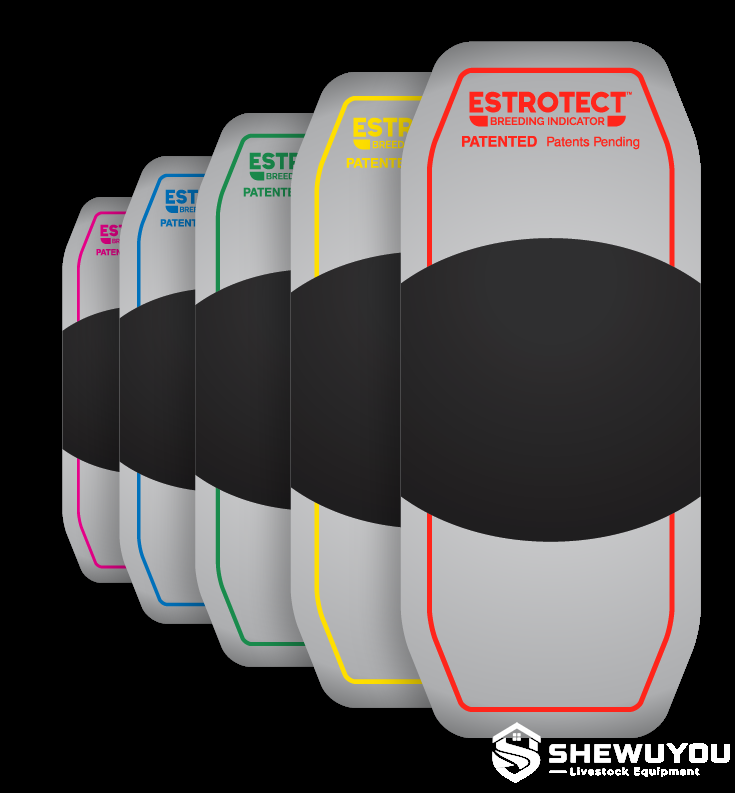 |
||||||||||||||||||||||||||
| Product Overview |
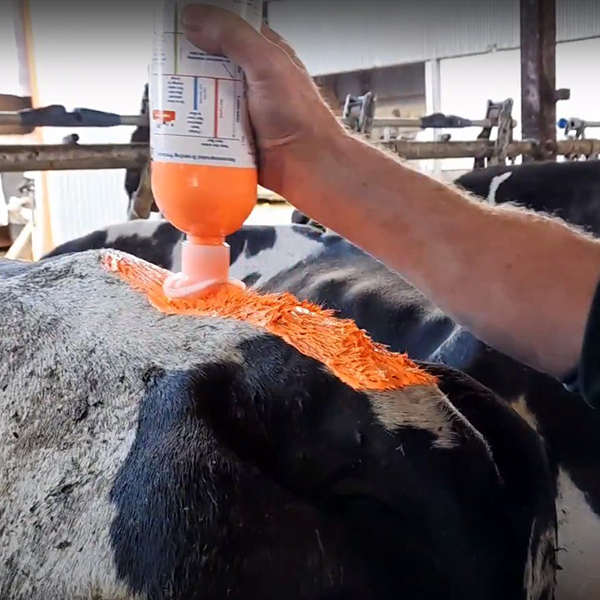
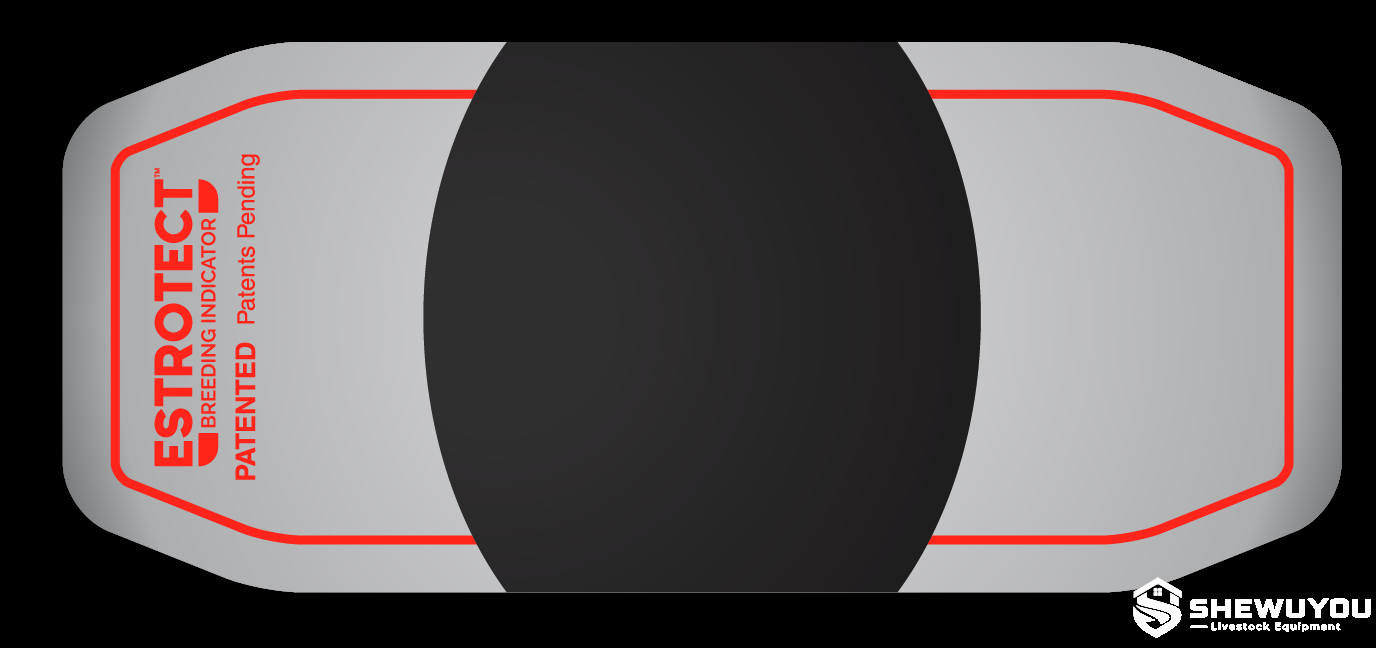
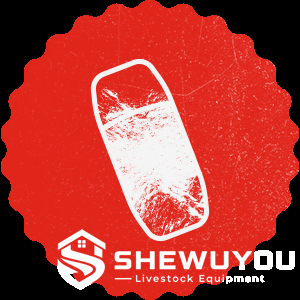
The Estrus Detection Patch is a self-adhesive visual breeding indicator designed to help identify mounting activity and estrus intensity in cows and heifers. Applied to the animal between the hip and tail head, the patch provides an easy-to-read visual indication without requiring electronic sensors, batteries or permanent monitoring infrastructure. During standing heat, mounting activity creates friction across the patch surface. The outer rub-off layer is gradually removed and exposes a high-visibility indicator color underneath. The amount of exposed color provides breeding personnel with a practical indication of mounting activity and estrus intensity. This simple structure makes the patch particularly suitable for dairy farms, beef cattle operations, artificial insemination programs, synchronization protocols and livestock breeding projects requiring economical individual-animal heat detection. |
||||||||||||||||||||||||||
| Key Features |
|
||||||||||||||||||||||||||
| Structural Components |
|
||||||||||||||||||||||||||
| Working Principle / Structural Principle |
The patch is attached to a clean and dry area on the animal's back, approximately halfway between the hip and tail head and positioned perpendicular to the spine. When a cow or heifer enters estrus and stands to be mounted, repeated contact from mounting animals creates friction on the patch. This friction removes part of the dark or metallic surface coating and exposes the fluorescent indicator layer underneath. The greater the mounting activity, the larger the exposed indicator area. With comparable professional breeding indicators, more than approximately 50% rub-off is used as an indication of high estrus intensity and an appropriate time for breeding evaluation. Final insemination decisions should follow the farm's reproductive protocol and veterinary or breeding-management recommendations. |
||||||||||||||||||||||||||
| Technical Specifications |
|
||||||||||||||||||||||||||
| Applications |
The patch can be used as a stand-alone visual heat detection aid or together with activity monitoring collars, ear sensors, tail paint, breeding records and other livestock reproduction equipment. Because mounting behavior and reproductive management differ between livestock species, cattle-oriented estrus detection patches should not automatically be specified for commercial pig farms. Species-specific estrus detection equipment should be selected according to the breeding program. |
||||||||||||||||||||||||||
| Customization Options |
Color combinations and packaging can be configured according to herd grouping, breeding schedule, distributor requirements and livestock project specifications. |
||||||||||||||||||||||||||
| Installation & Maintenance |
Choose the Application Site: Position the patch approximately halfway between the hip and tail head, evenly spaced perpendicular to the animal's spine. Prepare the Hair: Thoroughly brush the coat in the direction of hair growth to remove loose hair, dust, dirt and other contamination. Clean the Surface: Make sure the application area is clean and dry before installing the patch. Prepare the Patch: For comparable professional breeding indicators, warming the patch to approximately 100°F / 38°C immediately before installation helps activate the adhesive, particularly in cooler conditions. Apply Firmly: Remove the protective backing, position the patch correctly and press firmly into the hair to establish good adhesive contact. Avoid Rain During Application: Do not apply the patch while the animal's coat is wet or during rainfall. Routine Inspection: Check the indicator during normal breeding rounds and record the amount of surface rub-off according to the farm's reproductive management protocol. Storage: Keep unused patches in a cool, dry location away from direct sunlight until required. |
||||||||||||||||||||||||||
| Project Cases |
Estrus detection patches are suitable for dairy and beef operations where breeding personnel require an economical method of identifying mounting activity without installing electronic monitoring infrastructure. They can be particularly practical for pasture-based herds, replacement heifer groups, synchronization programs and farms where animals are housed across several livestock buildings or breeding groups. For large steel structure cattle farm projects, patches can complement centralized breeding pens, artificial insemination equipment and digital herd records without requiring additional wiring, antennas or receiver installation. |
||||||||||||||||||||||||||
| Product FAQ |
Q1: How does an estrus detection patch work? Q2: Where should the patch be installed? Q3: How many patches are required for each cow? Q4: What does more than 50% rub-off indicate? Q5: Does the patch require batteries? Q6: Can the patch be used on heifers? Q7: Can different colors be used for different breeding groups? Q8: Can the patch be combined with electronic heat detection equipment? |
||||||||||||||||||||||||||
| Product Gallery |
|
- Home
-
Products
- Pig Farming Equipment
- Cattle Farming Equipment
- Sheep & Goat Farming Equipment
- Poultry Farming Equipment
- Feeding & Drinking Systems
- Veterinary & Breeding Equipment
- Testing & Diagnostic Equipment
- Cleaning & Biosecurity Equipment
- Climate Control Equipment
- Livestock Weighing Equipment
- Manure & Waste Management
- Farm Transport & Handling
-
Solutions
- Pig Farm Solutions
- Dairy Farm Solutions
- Beef Cattle Farm Solutions
- Sheep & Goat Farm Solutions
- Layer Farm Solutions
- Broiler Farm Solutions
- Feeding & Drinking System Solutions
- Climate Control Solutions
- Biosecurity & Disinfection Solutions
- Manure & Waste Management
- Smart Farming Solutions
- Farm Renovation and Upgrade Solutions
- Partners
- Projects
- Resources
- News
- About Us
- Contact




Comments & Inquiries
Leave your questions or requirements below. We will reply as soon as possible.