
| Product Name | Beef Cattle Backfat and Loin Muscle Scanner | ||||||||||||||||||||||||||||||||
| Product Image | 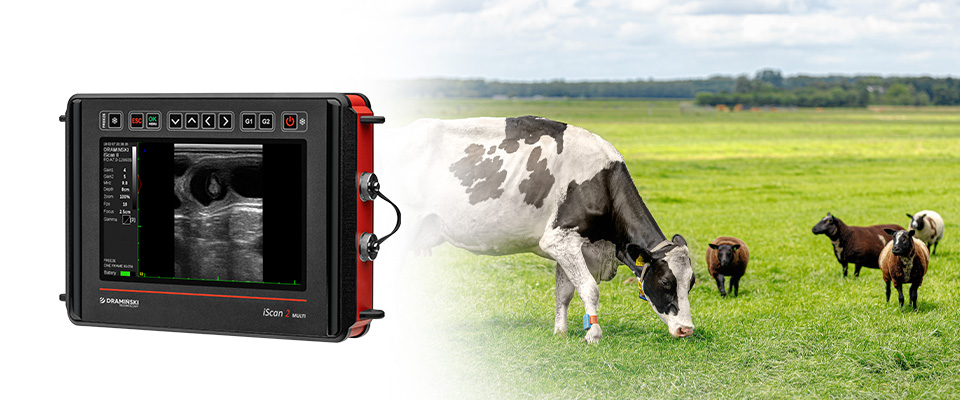 |
||||||||||||||||||||||||||||||||
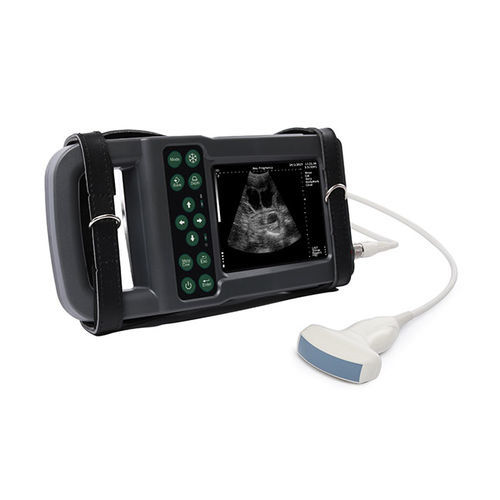
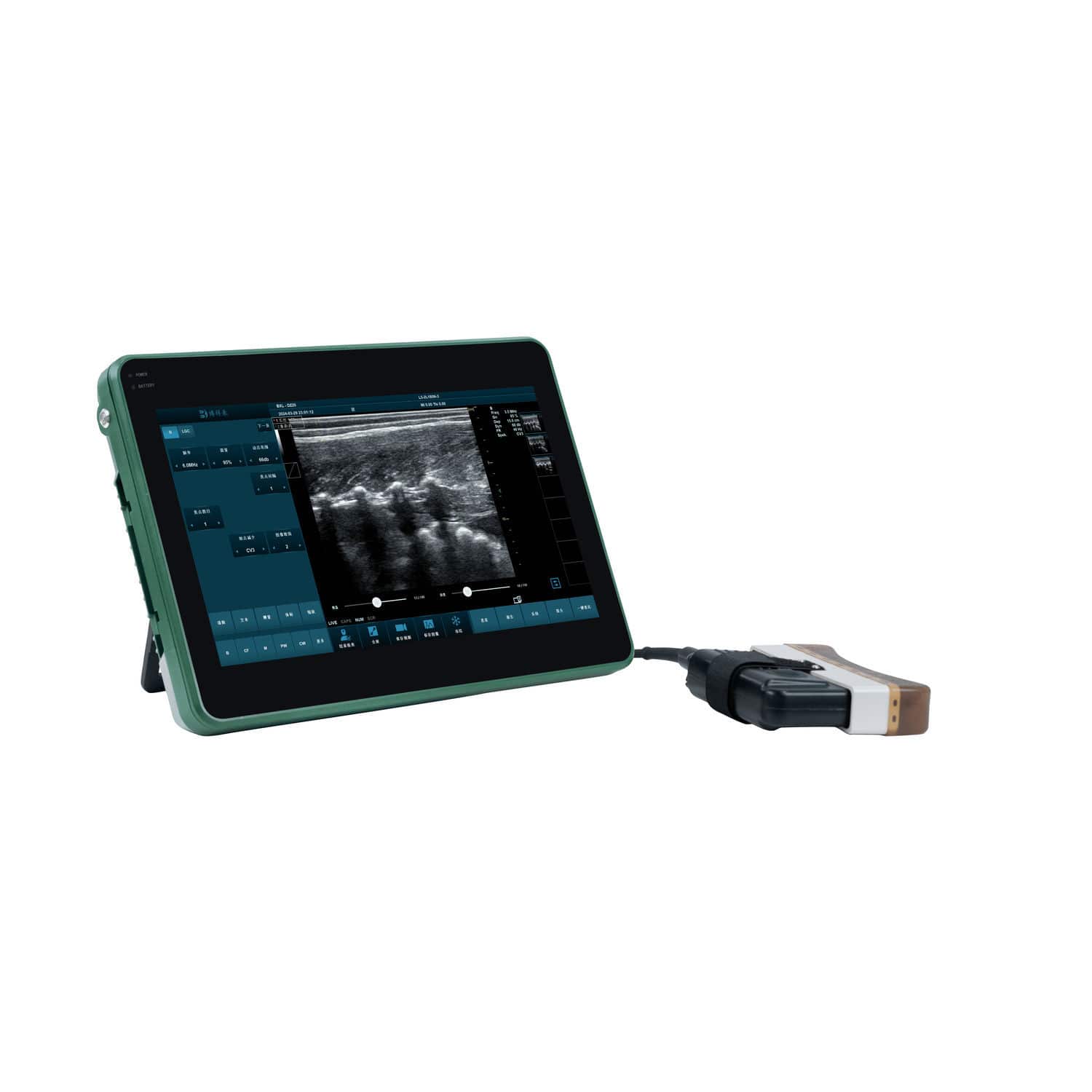
| Product Overview | The Beef Cattle Backfat and Loin Muscle Scanner is a portable veterinary ultrasound system designed for non-invasive evaluation of carcass-related traits in live beef cattle. When equipped with a dedicated backfat transducer, the system can be used to measure subcutaneous backfat thickness and evaluate the longissimus dorsi muscle, commonly referred to as the loin eye or ribeye muscle. The scanner is suitable for beef cattle breeding farms, performance testing stations, livestock breeding companies, genetic improvement programs, research organizations and commercial cattle operations. Real-time ultrasound measurements can provide objective information for breeding selection, body composition assessment and production management without slaughtering the animal. A dedicated backfat probe with an extended scanning surface is recommended for cattle muscle-area examinations because it provides a wider acoustic window across the loin region. |
||||||||||||||||||||||||||||||||
| Key Features | Non-Invasive Live Cattle Evaluation: Measures important body composition characteristics without surgical or destructive procedures. Backfat Thickness Measurement: Supports quantitative assessment of subcutaneous fat depth at selected anatomical scanning locations. Loin Muscle Evaluation: Suitable for imaging the longissimus dorsi muscle and assessing its thickness or cross-sectional area according to the selected measurement protocol. Dedicated Long Backfat Probe: A wide linear scanning surface provides coverage suitable for beef cattle loin muscle examinations. Real-Time B-Mode Imaging: Displays tissue layers clearly so the operator can identify skin, fat, muscle and underlying anatomical boundaries. Portable Field Design: Suitable for use in cattle handling facilities, breeding farms, livestock testing stations and mobile veterinary or genetic evaluation services. Measurement and Image Storage: Depending on configuration, the system can support distance, area and backfat measurements together with image and cine-loop storage. |
||||||||||||||||||||||||||||||||
| Structural Components | Portable Ultrasound Main Unit: Processes ultrasound signals and displays real-time diagnostic images for measurement and evaluation. Dedicated Backfat Probe: Wide linear-array transducer designed for cattle backfat and longissimus dorsi muscle examination. Probe Cable: Connects the transducer to the ultrasound scanner while providing sufficient working distance around restrained cattle. Display and Control Panel: Provides access to imaging parameters, measurement tools, image freezing and data management functions. Rechargeable Battery: Supports mobile operation in barns, handling facilities and outdoor livestock environments. Acoustic Standoff or Coupling Pad: May be used with the backfat probe where required to improve probe contact and visualization of superficial tissues. |
||||||||||||||||||||||||||||||||
| Working Principle | The scanner uses diagnostic ultrasound to create cross-sectional images of tissues beneath the animal's skin. A suitable coupling medium is applied between the probe and the prepared scanning area to remove air and improve acoustic transmission. The backfat probe transmits ultrasound waves through the skin, subcutaneous fat and loin muscle. Echoes reflected from different tissue interfaces are received by the transducer and converted into a real-time B-mode image. The operator identifies the relevant anatomical boundaries and uses on-screen measurement tools to determine backfat thickness, muscle depth or longissimus dorsi muscle area according to the selected cattle evaluation protocol. |
||||||||||||||||||||||||||||||||
| Technical Specifications |
|
||||||||||||||||||||||||||||||||
| Applications | Beef Breeding Selection: Provides objective ultrasound measurements that can support selection of breeding bulls, replacement heifers and other breeding candidates. Backfat Evaluation: Supports measurement of subcutaneous fat thickness as part of live-animal body composition assessment. Ribeye / Loin Muscle Evaluation: Allows imaging of the longissimus dorsi muscle for muscle development assessment and carcass-related performance evaluation. Genetic Improvement Programs: Suitable for cattle breeding companies, breed associations and performance testing programs requiring measurable production traits. Feedlot and Nutrition Research: Can be used to monitor changes in fat deposition and muscle development during feeding trials or production studies. Livestock Research: Suitable for universities, agricultural research institutes and cattle performance evaluation centers. |
||||||||||||||||||||||||||||||||
| Customization Options | Scanner and probe configurations can be supplied according to beef cattle breeding programs and project requirements. Available options may include: • Dedicated cattle backfat and loin muscle probe • Different probe cable lengths • Acoustic standoff or coupling accessories • Image and measurement software configuration • Rechargeable battery package • Carrying straps and protective transport case • Sun shield or viewing accessories for outdoor operation • Data storage and export accessories • OEM and distributor procurement packages Final equipment configuration should be selected according to the required measurement protocol, farm conditions and cattle evaluation program. |
||||||||||||||||||||||||||||||||
| Installation & Maintenance | Before scanning, connect the dedicated backfat probe securely and select the appropriate examination preset and measurement mode. Restrain the animal safely in a cattle chute or suitable handling facility. Identify the anatomical scanning location according to the breeding or carcass evaluation protocol being used. Hair at the measurement site may need to be clipped or prepared to improve probe contact. Apply sufficient ultrasound coupling gel or another approved acoustic coupling medium between the probe and the animal. Position the probe perpendicular to the required anatomical plane and adjust gain, depth and image settings until the fat layers and muscle boundaries are clearly visible. Freeze the image before completing distance or area measurements. After use, remove coupling material from the probe and scanner. Clean and disinfect external surfaces using products compatible with the equipment materials. Avoid excessive cable bending, impacts to the probe face and liquid contamination of electrical connectors. |
||||||||||||||||||||||||||||||||
| Project Cases | Beef cattle backfat and loin muscle scanners can be incorporated into breeding and performance evaluation projects for seedstock producers, genetic companies, breed associations, commercial beef farms, agricultural universities and livestock research institutions. For large-scale cattle operations, the scanner can be used at predetermined production stages to collect standardized backfat and muscle measurements for herd comparison, breeding records and production analysis. |
||||||||||||||||||||||||||||||||
| Product FAQ | Q: What does a beef cattle backfat and loin muscle scanner measure? A: With a suitable backfat transducer and software, it can measure subcutaneous backfat thickness and evaluate the longissimus dorsi muscle, including muscle depth or cross-sectional area according to the selected measurement protocol. Q: Is the examination non-invasive? A: Yes. Diagnostic ultrasound evaluates tissues beneath the skin without surgical procedures or slaughtering the animal. Q: Why is a long linear probe used for beef cattle? A: A wide probe face provides a larger scanning window, which is useful when imaging the longissimus dorsi muscle across the loin region. Q: Can the scanner measure ribeye area? A: A suitable backfat probe combined with area measurement functions can be used to evaluate the cross-sectional area of the longissimus dorsi muscle according to the applicable scanning protocol. Q: Is ultrasound gel required? A: Yes. A suitable acoustic coupling medium is required to remove air between the probe and animal and obtain a clear ultrasound image. Q: Can the scanner be used outdoors? A: Portable battery-powered systems are suitable for cattle yards and field work. Optional sun shields or viewing accessories can improve screen visibility under strong daylight. Q: Can the equipment configuration be customized? A: Yes. Probe type, cable length, accessories, measurement functions and carrying configuration can be selected according to project requirements. |
||||||||||||||||||||||||||||||||
| Product Gallery | 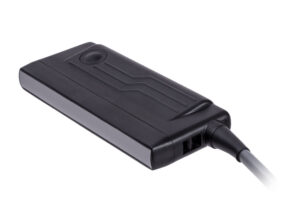 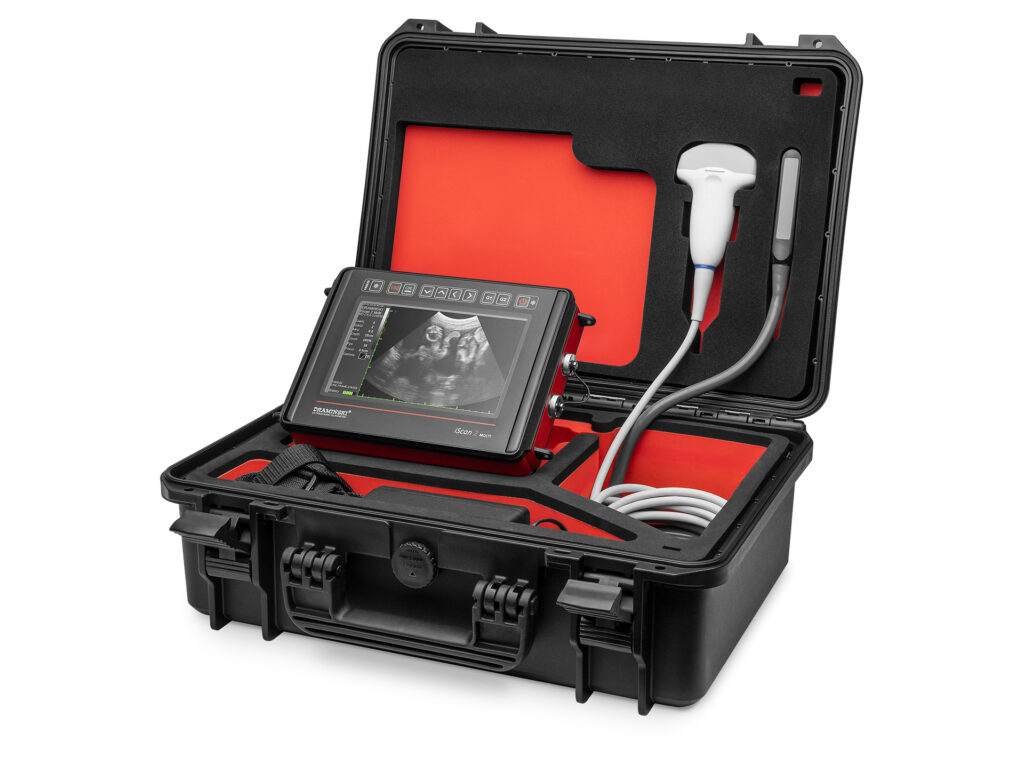 |
- Home
-
Products
- Pig Farming Equipment
- Cattle Farming Equipment
- Sheep & Goat Farming Equipment
- Poultry Farming Equipment
- Feeding & Drinking Systems
- Veterinary & Breeding Equipment
- Testing & Diagnostic Equipment
- Cleaning & Biosecurity Equipment
- Climate Control Equipment
- Livestock Weighing Equipment
- Manure & Waste Management
- Farm Transport & Handling
-
Solutions
- Pig Farm Solutions
- Dairy Farm Solutions
- Beef Cattle Farm Solutions
- Sheep & Goat Farm Solutions
- Layer Farm Solutions
- Broiler Farm Solutions
- Feeding & Drinking System Solutions
- Climate Control Solutions
- Biosecurity & Disinfection Solutions
- Manure & Waste Management
- Smart Farming Solutions
- Farm Renovation and Upgrade Solutions
- Partners
- Projects
- Resources
- News
- About Us
- Contact

Comments & Inquiries
Leave your questions or requirements below. We will reply as soon as possible.