Global Livestock Equipment Manufacturer & Supplier
SHEWUYOU · Livestock Equipment
Integrated Equipment Solutions for Pig, Cattle & Poultry Farms

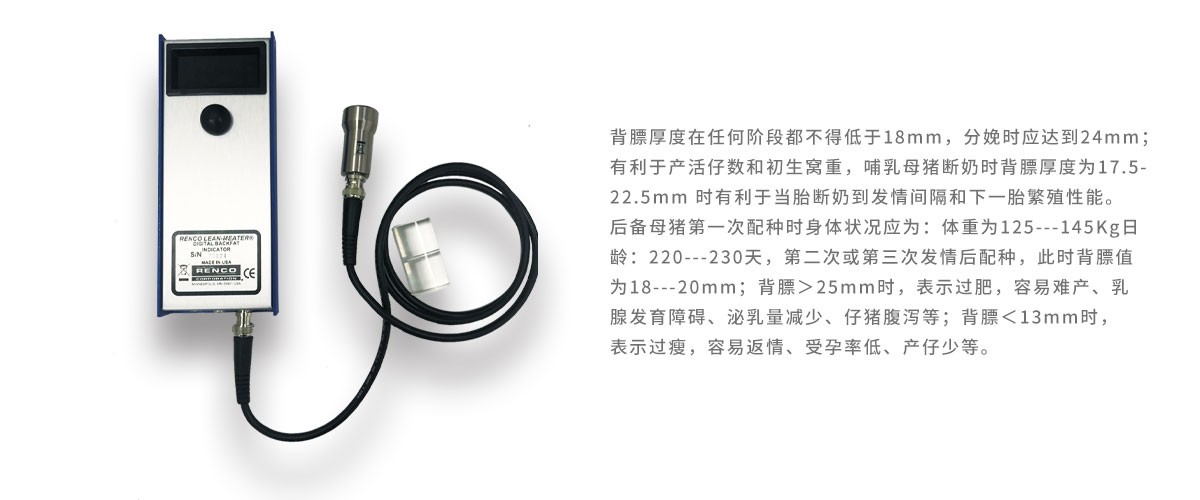
Portable Veterinary Backfat Thickness Scanner

Product Showcase Content
Product Name PORTABLE VETERINARY BACKFAT THICKNESS SCANNER
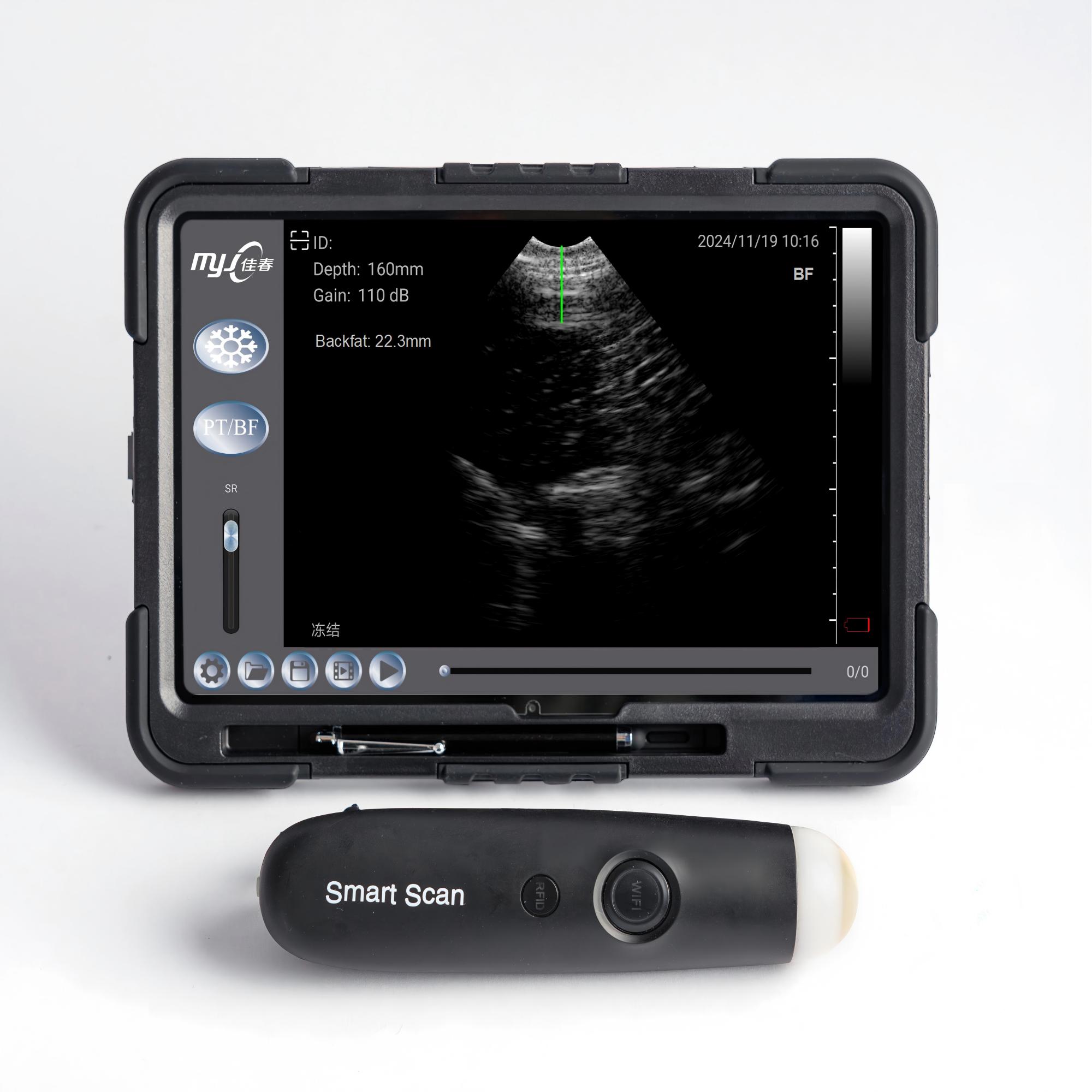
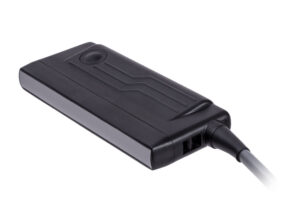
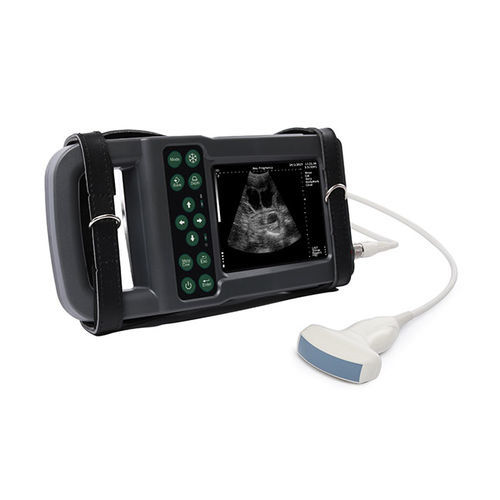
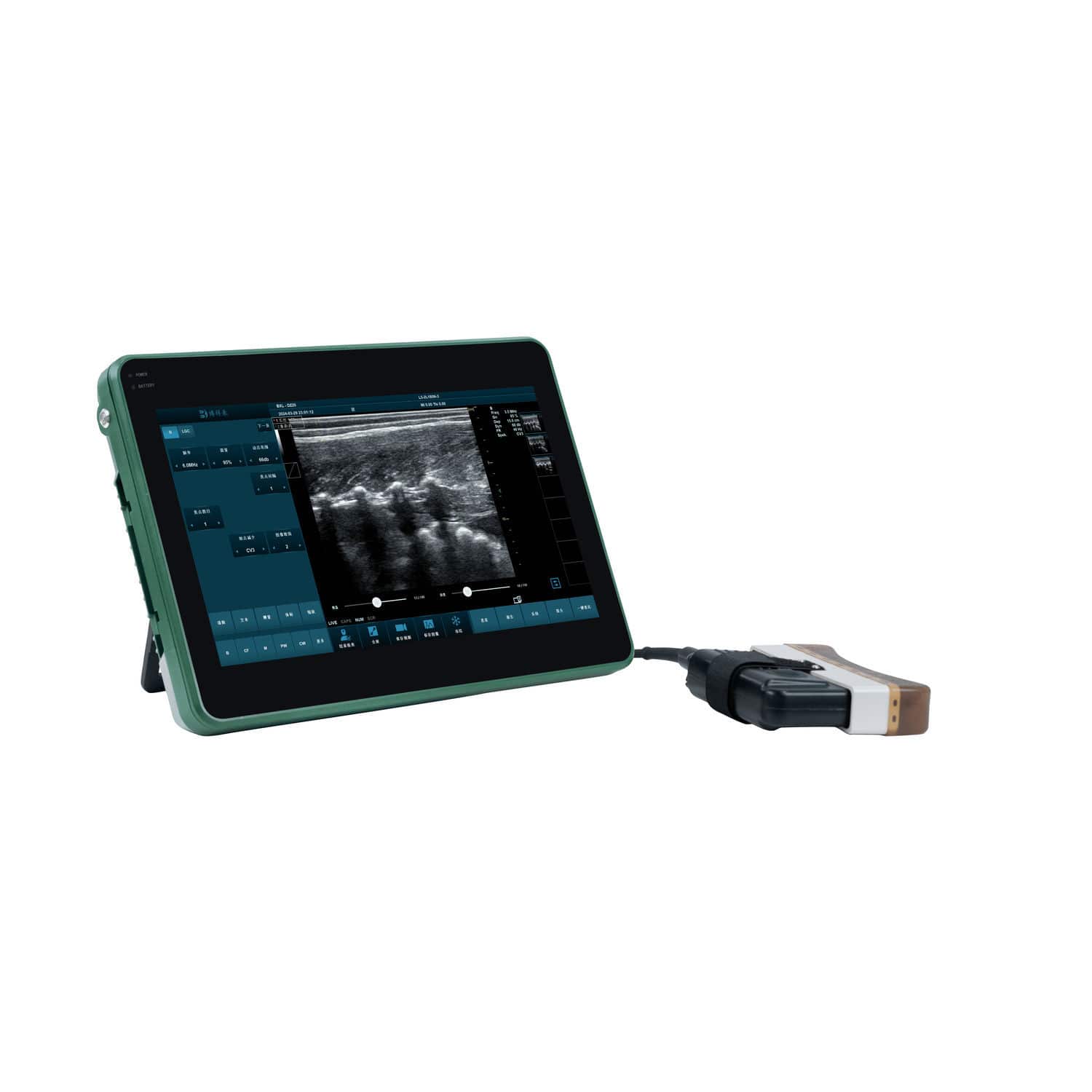
Product Image Portable Veterinary Backfat Thickness Scanner
Product Overview The Portable Veterinary Backfat Thickness Scanner is a handheld pulsed-ultrasound instrument designed for fast and non-invasive measurement of backfat in livestock. It is especially useful for evaluating sow and gilt body condition, supporting feeding management, breeding selection and reproductive management in commercial pig farms.

The instrument measures the combined thickness of the skin and backfat layers and displays the result directly in millimeters. Its rugged handheld structure, separate probe and rechargeable power supply make it suitable for routine on-farm measurements without requiring a large ultrasound imaging system.
Product Gallery
  • Portable backfat measurement main unit
  • Digital LED measurement display
  • Separate ultrasonic measurement probe
  • Probe connection cable
  • Fat-layer detection indicators
  • Handheld livestock body-condition measurement system
Key Features
  • Pulsed Ultrasound Measurement: Measures backfat thickness without puncturing or damaging the animal's skin.
  • Direct Digital Reading: Displays total measured backfat thickness directly in millimeters.
  • Automatic Layer Detection: Automatically identifies one, two or three backfat layers during measurement.
  • Wide Livestock Application: Suitable for backfat evaluation in pigs, cattle, goat-farming-equipment/" target="_blank" class="keylink">sheep and other appropriate livestock species.
  • Sow Body Condition Management: Provides objective data for feeding adjustment and reproductive management.
  • Portable Handheld Design: Convenient for technicians moving between pens and different farm areas.
  • Rugged Construction: Durable metal housing is designed for routine livestock farm use.
  • Rechargeable Power Supply: Supports repeated field measurements without continuous connection to mains power.
  • Simple Operation: Does not require interpretation of complex B-mode ultrasound images for routine backfat measurement.
Working Principle The probe sends short ultrasonic pulses through the animal's skin and backfat. Ultrasound echoes are produced at the interfaces between the skin, individual fat layers and the underlying tissue.

The instrument measures the travel time of these returning echoes and converts the result into a distance measurement. The total thickness of the detected skin and backfat layers is then displayed in millimeters. Because the measurement is performed externally, the process is non-invasive and suitable for repeated body-condition monitoring.
Technical Specifications
Product Type Veterinary Backfat Thickness Scanner
Measurement Technology Pulsed Ultrasound
Ultrasound Mode A-Mode Measurement
Measurement Range 4–35 mm Including Skin
Measurement Accuracy ±1 Digit
Fat Layer Detection Automatic Detection of 1, 2 or 3 Layers
Display Digital LED Display with Layer Indicators
Power Supply Rechargeable Nickel-Metal Hydride Battery
Housing Rugged All-Metal Handheld Construction
Recommended Animals Swine, Cattle and Sheep
Main Measurement Total Skin and Backfat Thickness
Muscle Measurement Not Designed for Muscle Depth Measurement
Water Protection Do Not Submerge
Applications
  • Sow backfat thickness measurement
  • Gilt body-condition evaluation
  • Breeding stock selection
  • Gestation feeding management
  • Farrowing and weaning condition monitoring
  • Commercial pig farm nutrition management
  • Cattle and sheep fat-depth measurement
  • Livestock breeding and research programs
Installation & Maintenance
  • Connect the ultrasonic probe and cable securely to the instrument before measurement.
  • Select a consistent measurement location according to the farm's breeding or body-condition monitoring protocol.
  • Apply sufficient coupling fluid, such as suitable oil or water, between the probe and the animal's skin.
  • Keep the probe approximately perpendicular to the animal's back to reduce measurement errors.
  • Use gentle pressure and ensure that air bubbles are removed from the contact area.
  • Repeat measurements at the same anatomical location when monitoring changes over time.
  • Wipe the probe clean after each use and follow appropriate farm biosecurity procedures.
  • Do not immerse the main unit, cable connectors or probe assembly in water.
  • Protect the instrument from strong impact, excessive moisture and corrosive cleaning chemicals.
  • Recharge and store the instrument in a clean, dry environment when not in use.
Product FAQ

Q: What does this veterinary backfat scanner measure?
A: It measures the total thickness of the skin and detected backfat layers and displays the result in millimeters.

Q: What animals can it be used for?
A: It is primarily used for pigs and can also be used for appropriate backfat measurements in cattle, sheep and other livestock.

Q: What is the measurement range?
A: The specified total measurement range is approximately 4 to 35 mm, including skin.

Q: Can it identify different fat layers?
A: Yes. The instrument automatically detects and indicates one, two or three backfat layers.

Q: Does the measurement hurt the animal?
A: No. It uses external ultrasonic pulses and does not require needles or skin penetration.

Q: Why is backfat measurement useful for sow management?
A: Objective backfat measurements help farm managers evaluate sow body condition and support decisions on feeding, breeding and reproductive management.

Q: Is coupling fluid required?
A: Yes. Adequate coupling fluid is required because air between the probe and skin can interfere with ultrasound transmission and produce unstable readings.

Q: Can this instrument measure loin muscle depth?
A: No. This type of backfat scanner is designed to measure backfat thickness rather than muscle depth.

Q: Is the instrument waterproof?
A: The instrument should not be submerged. After use, clean the probe carefully without immersing the electrical components or connectors.

Comments & Inquiries

Leave your questions or requirements below. We will reply as soon as possible.