Global Livestock Equipment Manufacturer & Supplier
SHEWUYOU · Livestock Equipment
Integrated Equipment Solutions for Pig, Cattle & Poultry Farms

Rail-Guided Individual-Pen Automatic Calf Feeder

Product Showcase Content
Product Name RAIL-GUIDED INDIVIDUAL-PEN AUTOMATIC CALF FEEDER
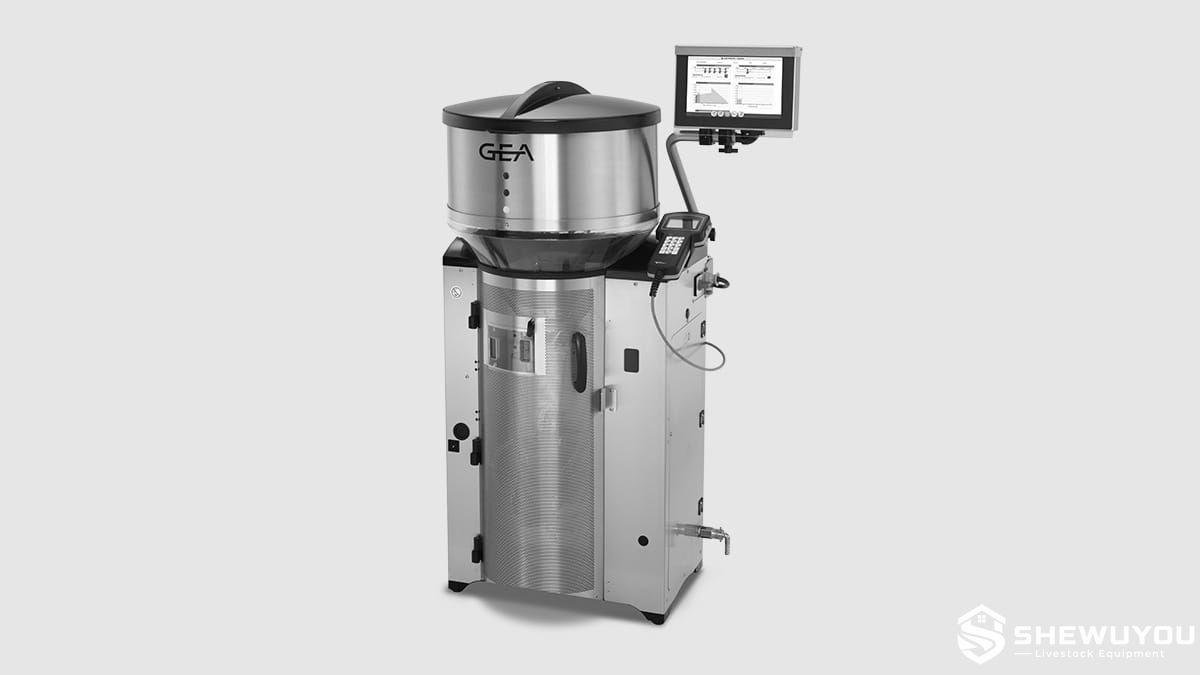
Product Image rail-guided individual-pen automatic calf feeder
Product Overview The Rail-Guided Individual-Pen Automatic Calf Feeder is designed for dairy and beef farms that keep young calves in individual pens or hutches during the early rearing period. Instead of transporting milk manually from pen to pen, the feeding unit travels automatically along a sliding rail and positions the teat directly at each calf pen.

Freshly prepared milk is transferred from the central mixing system through a direct hose to the teat. Individual portions can be supplied according to calf age and feeding plan, while consumption and drinking speed are recorded for management review.

The system combines automated milk preparation, rail-guided distribution, temperature control and automatic cleaning to reduce bucket handling and repetitive labor in commercial calf houses.
Key Features
  • Rail-Guided Automatic Travel: The feeder moves automatically along a sliding rail to serve individual calf pens in sequence.
  • Up to Eight Feedings per Day: Supports intensive early-life feeding with multiple freshly prepared portions throughout the day.
  • Individual Portions: Feed quantity can be adapted according to calf age and programmed feeding requirements.
  • Fresh Feed Preparation: Milk is prepared shortly before delivery rather than remaining in buckets for extended periods.
  • Direct Hose-to-Teat System: A direct milk hose minimizes intermediate containers and difficult-to-clean milk-holding areas.
  • Integrated Hose Heating: Intelligent heating helps maintain a comfortable drinking temperature, including during cold-weather operation.
  • Hose Pump Delivery: Transfers prepared feed directly into the teat for controlled consumption by young calves.
  • 90° Rail Capability: The drive system can negotiate suitable 90-degree rail layouts, helping adapt the system to existing barn structures.
  • Automatic Cleaning: Cleaning before and after feeding cycles reduces manual bucket washing and milk-residue accumulation.
  • Optional Teat Cleaning: An external teat-rinsing system can clean the teat after individual calf feeding.
  • Consumption Monitoring: Feed intake and drinking speed can be recorded for calf-management purposes.
  • Digital Management: Compatible management functions allow calf information to remain available when animals move from individual pens into group housing.
Structural Components
  • Overhead / Side Rail System: Guides the mobile feeding unit along the row of individual calf pens.
  • Motorized Traveling Unit: Moves the feeding head automatically between programmed pen positions.
  • Direct Milk Hose: Connects the central preparation system directly with the mobile teat assembly.
  • Integrated Hose Heating: Helps maintain suitable milk temperature during transport to the calf.
  • Hose Pump: Transfers the prepared ration through the hose to the teat.
  • Calf Teat Assembly: Provides a natural suckling point at each individual pen.
  • Feed Training Button: Supports convenient introduction of young calves to the automatic feeding system.
  • LED Indicator: Assists operator inspection and feeding-status observation, including in low-light conditions.
  • Acoustic Signal: Can help condition calves to recognize the start of feeding.
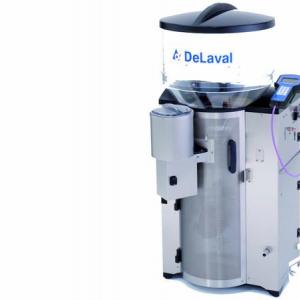
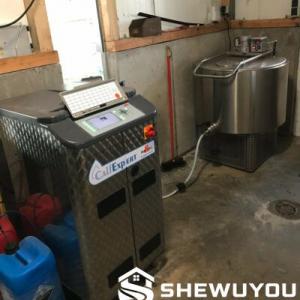
  • Central Automatic Calf Feeder: Prepares, controls and records the feed delivered to the rail-guided unit.
Working Principle The central automatic calf feeder prepares milk according to the programmed feeding schedule. At feeding time, the rail-guided unit travels along the sliding track and stops at the designated individual calf pen.

A hose pump transfers the animal-specific portion directly from the mixing system through the milk hose to the teat. The calf drinks while the feeder monitors relevant feeding information such as consumption and drinking speed.

After feeding, the mobile unit continues to the next programmed pen. The process can be repeated several times throughout the day, with the reference system capable of providing up to eight feeding rounds.

Automatic cleaning cycles rinse the milk-contact system before and after feeding periods. Outside feeding times, milk does not remain stored in intermediate containers within the rail system.
Technical Specifications
Product Type Rail-Guided Automatic Calf Feeder for Individual Pens
Reference Feeding Frequency Up to 8 Feeding Rounds per Day
Reference Capacity per Rail Unit Up to 50 Individually Penned Calves
Maximum Rail Units per Central Feeder Up to 2 Reference Units
Reference Total Capacity Up to 100 Individually Penned Calves with Two Rail Units
Movement System Motorized Sliding-Rail Travel
Rail Routing Straight Layout with Suitable 90° Bends
Milk Transfer Direct Hose from Mixing Station to Teat
Feed Pump Hose Pump
Temperature Control Integrated Hose Heating in Reference System
Feed Allocation Age-Appropriate / Animal-Specific Portions
Recorded Data Feed Consumption / Drinking Speed / Calf Management Data
Cleaning Automatic Cleaning Before and After Feeding Cycles
Optional Teat Hygiene External Automatic Teat Rinsing Available
Management Access PC / Smartphone / Tablet According to System Configuration
Barn Layout Customizable According to Individual-Pen Arrangement
Applications
  • Commercial dairy calf-rearing facilities
  • Individual calf pens
  • Individual calf hutches
  • Early-life calf housing systems
  • Replacement heifer rearing facilities
  • Intensive milk-feeding programs
  • Cold-climate calf barns with protected rail installations
  • Combined individual-pen and group-housing systems
  • Existing calf-barn automation upgrades
  • New commercial dairy construction and livestock automation projects
Customization Options
  • Rail length according to number of individual pens
  • Straight or 90-degree rail routing according to barn layout
  • Single or dual rail-guided feeding units
  • Milk preparation configuration according to feeding program
  • Automatic teat-cleaning option
  • Cold-weather hose-heating configuration
  • Digital calf-management and remote-monitoring functions
  • Integration with later group-housing feeding stations
  • Pen-specific mounting and teat positioning
  • Complete project design according to calf numbers, barn dimensions, local climate and feeding strategy
Installation & Maintenance
  • Survey the calf-house layout and confirm pen spacing before designing the rail route.
  • Install the sliding rail securely to a suitable structural frame capable of supporting the moving feeder and operational loads.
  • Maintain accurate rail alignment to ensure smooth travel between individual calf pens.
  • Use engineered 90-degree bends only where required by the building layout.
  • Position each stopping point so the teat aligns comfortably with the calf's natural drinking position.
  • Keep milk hoses as direct as practical and protect them from mechanical damage.
  • Check travel wheels, rail connections, drive components and stop positions regularly.
  • Inspect the hose pump, teat, milk hose and heating components for wear or leakage.
  • Run all programmed automatic cleaning cycles and verify that milk residue is removed from the system.
  • Inspect optional teat-rinsing equipment and keep spray outlets free from blockage.
  • Review consumption and drinking-speed records as part of routine calf monitoring.
  • Electrical, structural and service requirements should be designed according to local standards and project conditions.
Product FAQ

Q: How does the rail-guided calf feeder work?
A: The mobile feeding unit travels automatically along a sliding rail, stops at each programmed individual pen and delivers a calf-specific milk portion through a teat.

Q: How many calves can one rail unit serve?
A: The reference configuration can serve up to approximately 50 individually penned calves with one rail-guided unit.

Q: Can one automatic feeder operate two rail units?
A: Yes. The reference system allows one central calf feeder to control up to two rail-guided units, providing capacity for up to approximately 100 individually penned calves.

Q: How often can calves be fed?
A: The reference system can provide freshly prepared portions up to eight times per day.

Q: Can the rail turn around a barn corner?
A: Yes. Suitable rail layouts can incorporate 90-degree bends, helping integrate the system into existing calf-house structures.

Q: How is milk transferred to the teat?
A: A hose pump transfers feed through a direct milk hose from the mixing system to the teat.

Q: Is the milk kept warm while traveling along the rail?
A: The reference design incorporates intelligent hose heating to help maintain a suitable drinking temperature, including in cold conditions.

Q: Does the system clean automatically?
A: Yes. Automatic cleaning before and after feeding cycles reduces milk residue and eliminates much of the routine bucket-cleaning workload.

Q: Can calves move from individual pens to group feeding later?
A: Yes. Compatible calf-management systems can retain individual feeding data when calves transition from individual housing to group feeding.

Q: What information is required for quotation?
A: Please provide number of calves, number and dimensions of individual pens, pen arrangement, rail route, milk type, feeding frequency, building drawings, local climate conditions and required management functions.

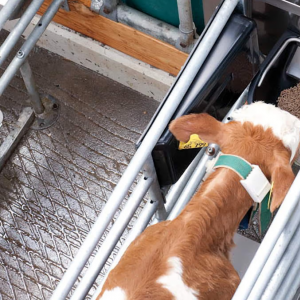
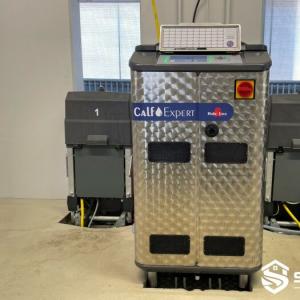
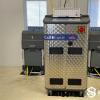
Product Gallery GEA rail-guided calf feeder serving individual calf pen

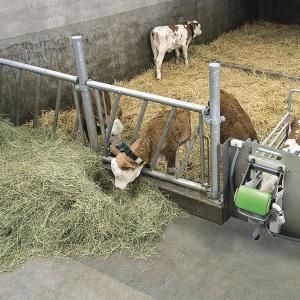
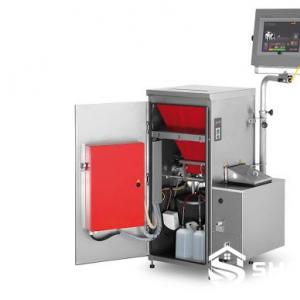
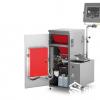
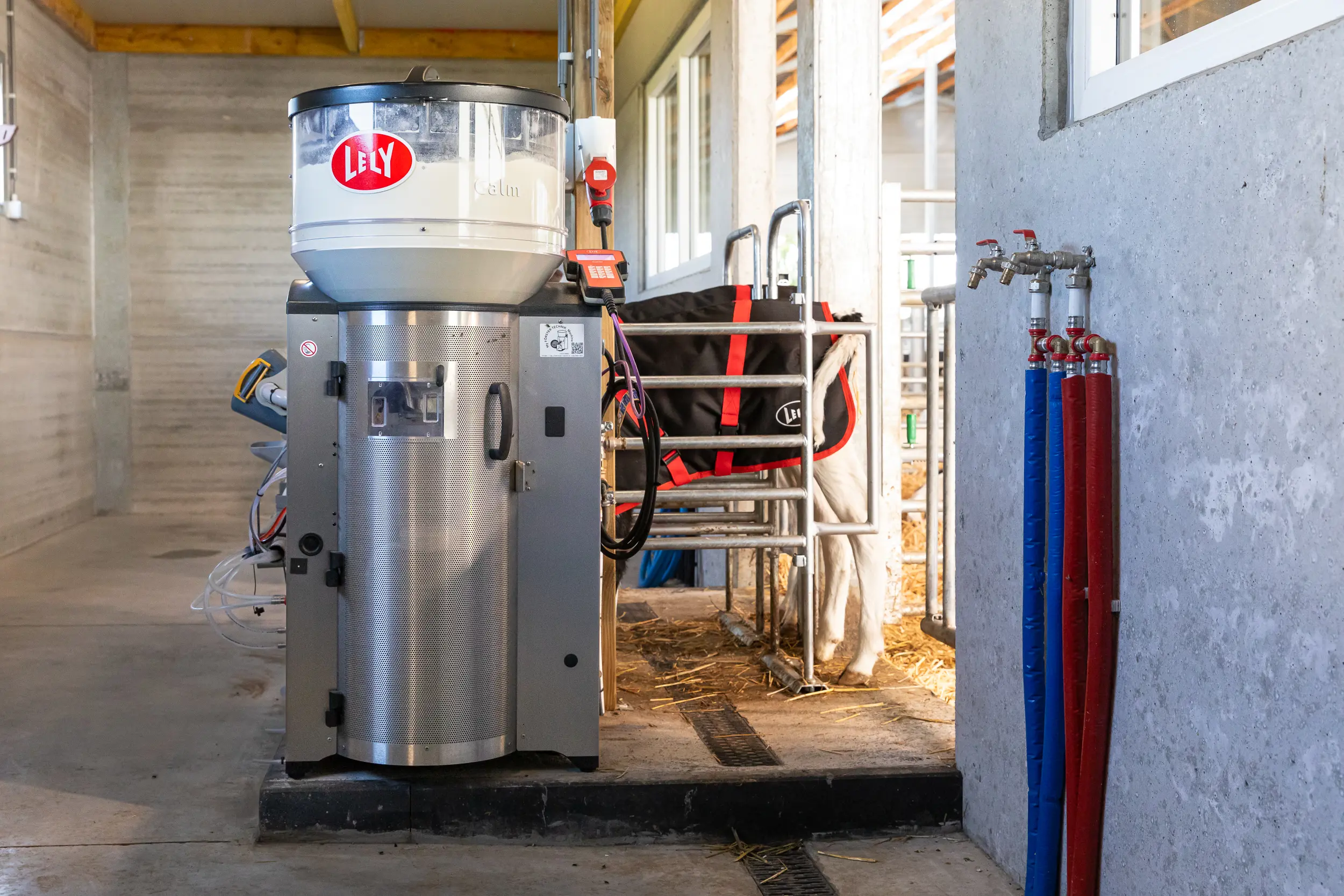
automatic calf feeding system installed in dairy barn

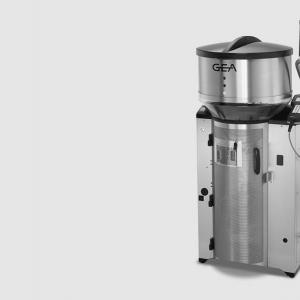
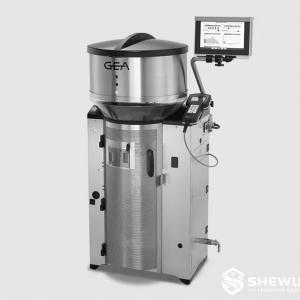
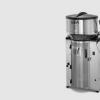
GEA automatic calf feeder central milk preparation unit

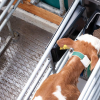
GEA automatic calf feeding hygiene station

Comments & Inquiries

Leave your questions or requirements below. We will reply as soon as possible.