Global Livestock Equipment Manufacturer & Supplier
SHEWUYOU · Livestock Equipment
Integrated Equipment Solutions for Pig, Cattle & Poultry Farms

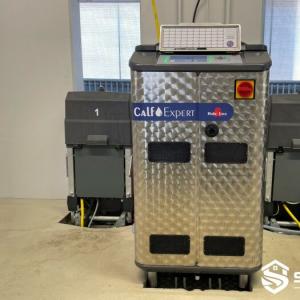
RFID Automatic Calf Feeding Station

Product Showcase Content
Product Name RFID AUTOMATIC CALF FEEDING STATION
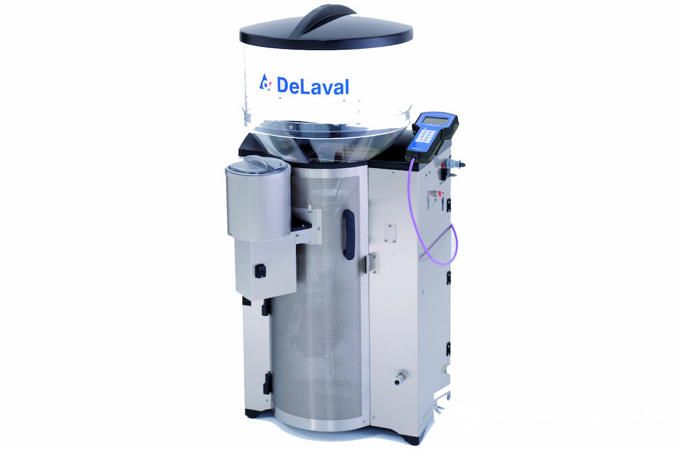
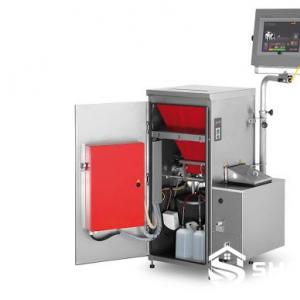
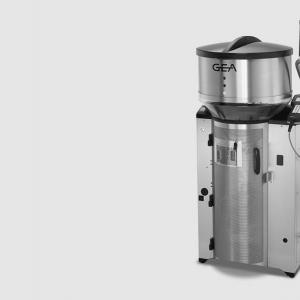
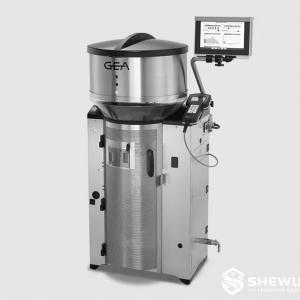
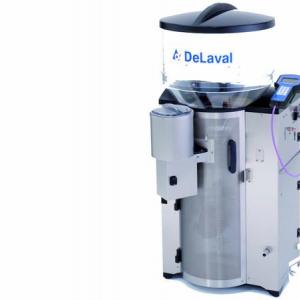
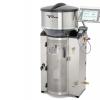
Product Image RFID automatic calf feeding station
Product Overview The RFID Automatic Calf Feeding Station is designed for professional dairy and beef calf-rearing facilities where individual feeding accuracy, labor efficiency and continuous calf monitoring are required.

Each calf is recognized through a compatible RFID/EID transponder when entering the milk station. The control system checks the animal's programmed feeding plan and current milk entitlement before preparing a fresh portion at the required temperature.

Individual milk intake, feeding visits and drinking behavior can be recorded for management review. Multi-station configurations allow one central automatic feeder to serve several calf groups while maintaining animal-specific feeding programs.
Key Features
  • RFID/EID Calf Identification: Automatically identifies each calf through a compatible electronic transponder before milk is dispensed.
  • Individual Feeding Plans: Milk allowance, feeding intervals and weaning curves can be adapted to individual calves.
  • Fresh On-Demand Portions: Small portions are prepared only when an eligible calf enters the feeding station.
  • Controlled Feeding Temperature: Milk is prepared at a consistent programmed temperature for reliable calf feeding.
  • Multiple Milk Options: Compatible configurations can use milk replacer, fresh milk or a combination of both.
  • Multi-Station Capacity: One central feeder can supply several teat stations according to herd size and barn layout.
  • Individual Intake Monitoring: Records calf consumption and feeding activity for routine management.
  • Gentle Automatic Weaning: Milk allowance can be gradually reduced according to the programmed feeding strategy.
  • Automatic Calibration: Reference systems automatically calibrate milk-powder dosing for consistent feed preparation.
  • Automatic Cleaning Options: Detergent dosing and programmed washing reduce repetitive sanitation work.
  • Remote Management: Internet-connected configurations support remote calf-feeding supervision and data review.
  • Expandable Farm System: Additional milk stations, additive dispensers and calf-management functions can be selected according to project requirements.
Structural Components
  • Central Feeding Unit: Integrates water heating, milk preparation, dosing and electronic control functions.
  • Milk Powder Hopper: Stores calf milk replacer for automatic portion preparation.
  • Mixing Chamber: Combines water, milk replacer and configured liquid ingredients into fresh portions.
  • RFID/EID Identification Reader: Identifies the calf at the drinking station and links feeding data to its individual record.
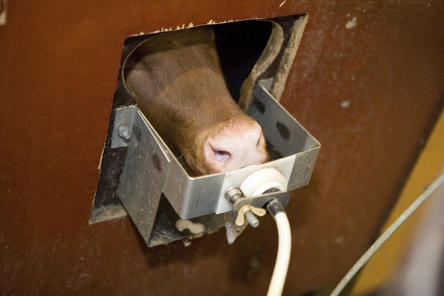
  • Milk Feeding Station: Provides a protected teat-access position for one calf at a time.
  • Milk Pump and Hose System: Transfers prepared milk from the feeder to the teat station.
  • Teat Assembly: Provides a natural suckling interface for controlled milk intake.
  • Control Terminal: Used for feeding-plan programming, animal management, calibration and alarm review.
  • Additive Dosing System: Powder and liquid additive dispensers can be integrated according to configuration.
  • Cleaning System: Programmable washing components support hygienic operation of the milk-contact system.
Working Principle When a calf enters the feeding station, the RFID/EID reader detects its electronic identification tag. The controller retrieves the calf's individual feeding plan and checks whether milk is currently available to that animal.

If feeding entitlement is available, the system prepares a small fresh portion using the selected milk-replacer, fresh-milk or combination recipe. The milk is mixed at the programmed concentration and temperature and delivered through the milk line to the teat.

Each feeding event is recorded, including milk consumption and relevant feeding activity. This information helps farm staff identify calves that drink less than expected, visit irregularly or require additional observation.

The programmed feeding curve can gradually reduce milk allowance during weaning, while automatic cleaning cycles maintain hygiene throughout the milk-delivery system.
Technical Specifications
Product Type RFID/EID Automatic Calf Feeding System
Animal Identification Compatible Electronic Transponder / RFID-EID Tag
Reference System Capacity Up to Approx. 120 Calves According to Configuration
Reference Teat Stations Up to 4
Reference Portion Size Approx. 250–500 ml Freshly Prepared Portions
Reference Feed Preparation Up to Approx. 2.5 L/min
Reference Heat Output Approx. 5.0 kW
Reference Power Supply 400 V / 16 A Reference Configuration; Other Versions Available According to Project Requirements
Feed Types Milk Replacer / Fresh Milk / Combination
Feeding Plans Individual Programmable Feeding and Weaning Curves
Automatic Calibration Available in Reference System
Additive Dosing Powder and Liquid Dispensers Available According to Configuration
Cleaning Automatic Cleaning with Optional Detergent Dosing
Data Monitoring Milk Intake / Feeding Visits / Drinking Activity / Feeding Plan Status
Connectivity Ethernet / Internet-Connected Management According to Configuration
Installation Layout Customizable According to Calf Barn and Group-Pen Layout
Applications
  • Commercial dairy calf-rearing facilities
  • Replacement heifer rearing centers
  • Beef calf-rearing operations
  • Group calf housing systems
  • Pre-weaning calf barns
  • Milk-replacer feeding programs
  • Fresh whole-milk feeding programs
  • Automatic calf weaning programs
  • RFID livestock management projects
  • New commercial dairy farm construction
  • Existing calf-house automation and modernization projects
Customization Options
  • 1–4 milk feeding stations according to calf numbers
  • RFID/EID animal-identification configuration
  • Milk replacer, fresh milk or combination feeding
  • Parallel multi-station feeding configuration
  • Powder and liquid additive dispensers
  • Automatic detergent dosing system
  • Stainless steel chassis option
  • Calf concentrate feeding station integration
  • Automatic calf weighing integration
  • Remote calf-management software
  • Customized milk-line routing and station positioning
  • Complete system design according to herd size, local climate and calf-house layout
Installation & Maintenance
  • Install the central feeding unit on a level surface in a dry, protected and service-accessible area.
  • Provide clean water, suitable electrical power and drainage according to the selected configuration.
  • Position feeding stations to provide convenient calf access and minimize competition within each group.
  • Set the teat at an appropriate feeding height and use short, direct milk-line routing where practical.
  • Register RFID/EID tags and configure individual feeding plans before routine operation.
  • Calibrate milk powder, water and additive dosing according to the operating procedure.
  • Check milk concentration, portion accuracy and feeding temperature regularly.
  • Run automatic cleaning cycles according to the farm sanitation schedule.
  • Clean exposed feeding-station surfaces and teat areas routinely.
  • Inspect milk hoses, pumps, valves, teats and seals for wear, leakage or residue accumulation.
  • Review abnormal intake, missed feeding and slow-drinking reports as part of daily calf observation.
  • Preventive maintenance should be scheduled according to operating hours, calf numbers and local farm conditions.
Product FAQ

Q: How does the feeder recognize each calf?
A: A compatible RFID/EID electronic transponder identifies the calf when it enters the feeding station and links the visit to its individual feeding record.

Q: Can each calf receive a different milk allowance?
A: Yes. Individual feeding plans can define milk quantity, feeding intervals and weaning progression for each calf.

Q: How many calves can one system manage?
A: The reference high-capacity configuration can manage up to approximately 120 calves with multiple feeding stations. Actual capacity depends on barn layout and management conditions.

Q: Can four calves be fed simultaneously?
A: A suitable four-station and multi-pump reference configuration can support simultaneous feeding at four teat stations.

Q: Can the system use both fresh milk and milk replacer?
A: Yes. Compatible combination configurations can use fresh milk, milk powder and water according to the selected feeding program.

Q: Does the feeder prepare milk in advance?
A: The reference system prepares small portions on demand when an eligible calf enters the station, helping provide fresh feed at a controlled temperature.

Q: Can feeding data help identify calves that need attention?
A: Yes. Milk consumption and feeding behavior records can highlight calves showing unusual intake patterns for further inspection.

Q: Is automatic cleaning available?
A: Yes. Automatic cleaning and detergent dosing can be incorporated according to the selected system configuration.

Q: Can the system be connected to farm-management software?
A: Internet-connected configurations can exchange calf-feeding information with compatible management platforms.

Q: What information is required for quotation?
A: Please provide calf numbers, group sizes, barn layout, required feeding stations, milk type, RFID/EID requirements, electrical supply, water conditions and desired automation functions.

Product Gallery
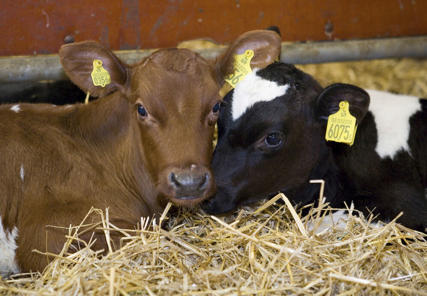
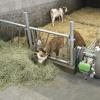
calves in automatic RFID calf feeding barn

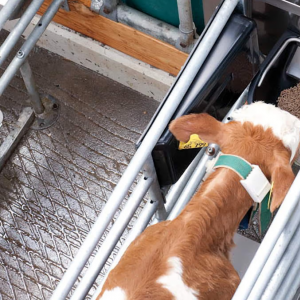
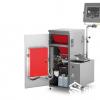
automatic calf feeding station teat detail

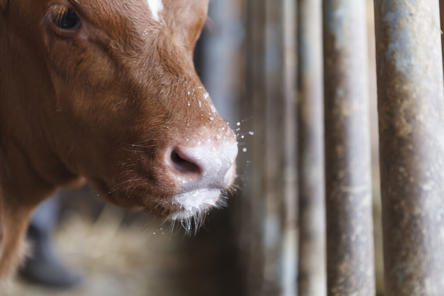
calf after drinking from automatic feeding station

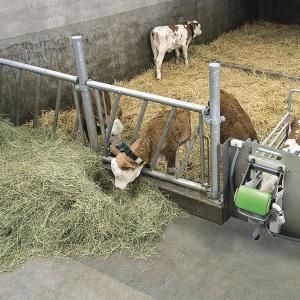
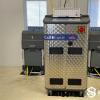
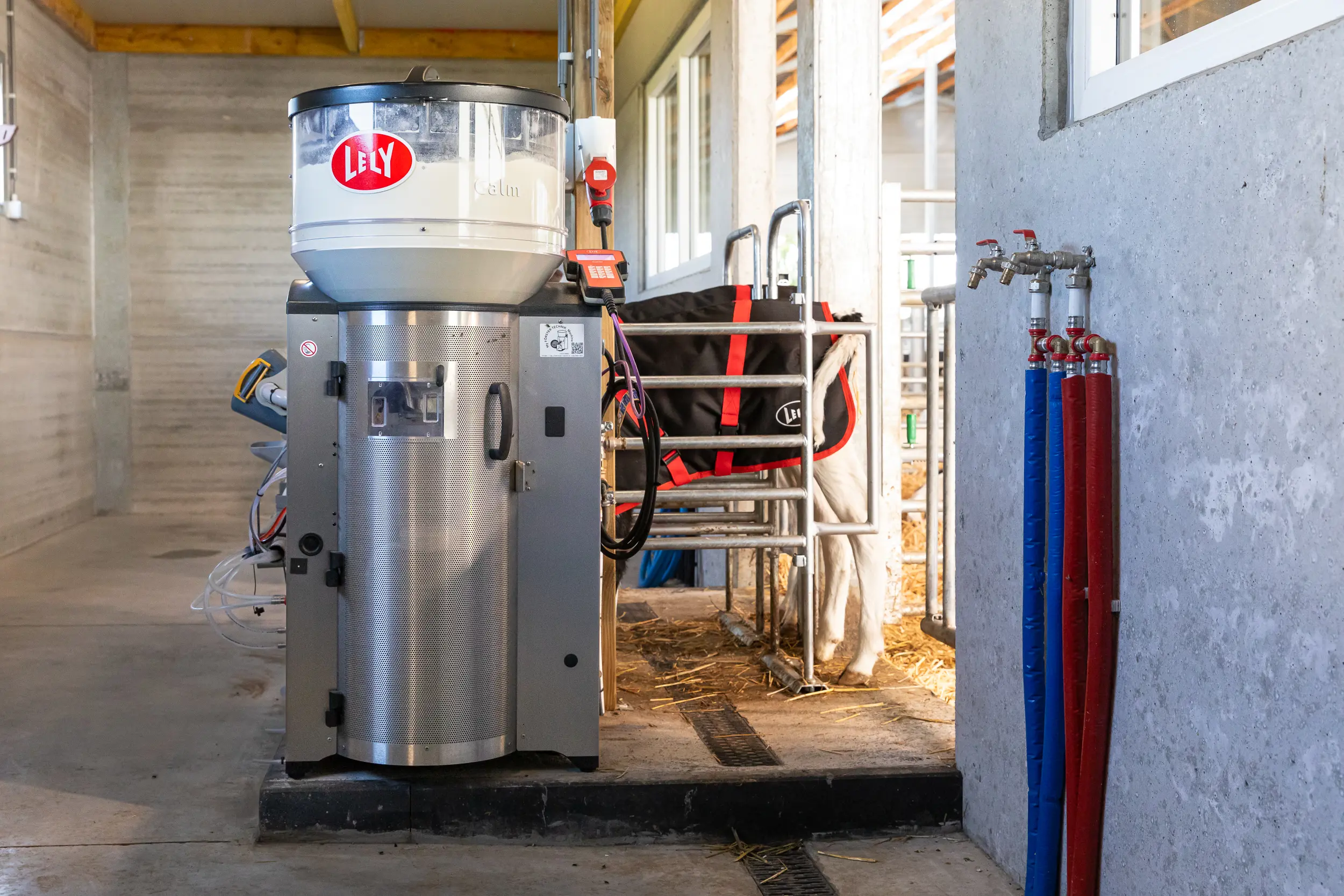
commercial dairy calf barn automatic feeding project

Comments & Inquiries

Leave your questions or requirements below. We will reply as soon as possible.