Global Livestock Equipment Manufacturer & Supplier
SHEWUYOU · Livestock Equipment
Integrated Equipment Solutions for Pig, Cattle & Poultry Farms

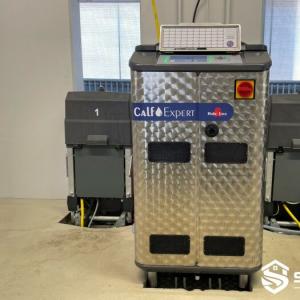
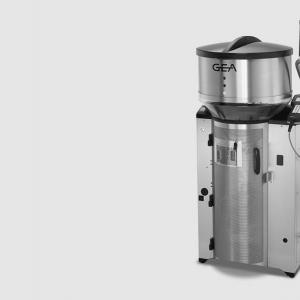
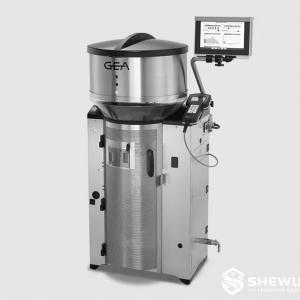
Fresh Milk Automatic Calf Feeder

Product Showcase Content
Product Name FRESH MILK AUTOMATIC CALF FEEDER
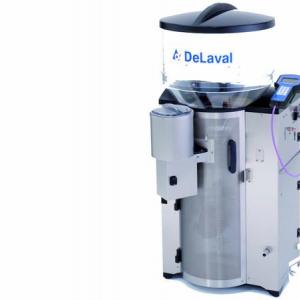
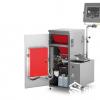
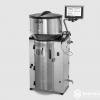
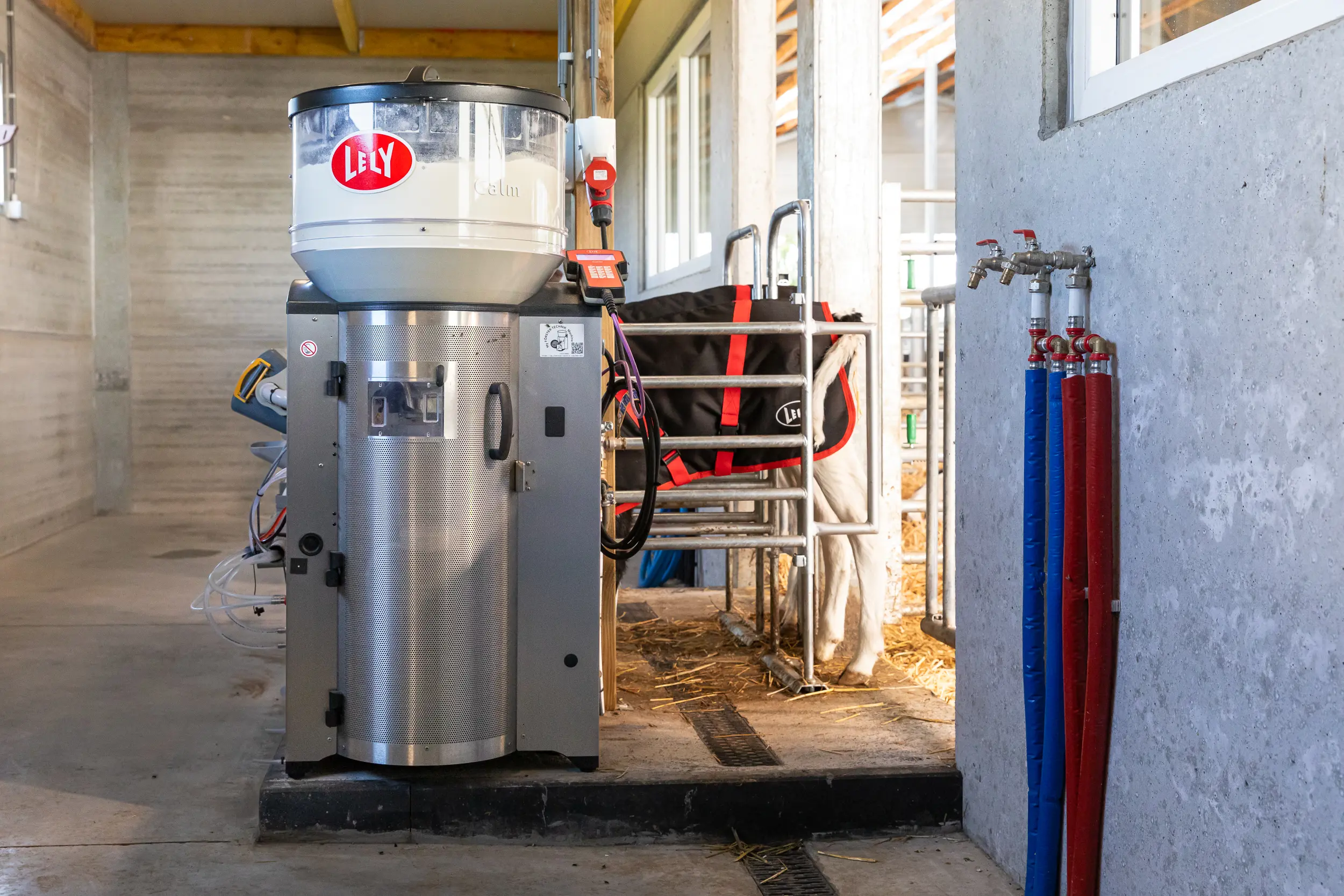
Product Image fresh milk automatic calf feeder
Product Overview The Fresh Milk Automatic Calf Feeder is designed for professional dairy and beef calf-rearing facilities that require precise, animal-specific feeding with fresh or properly prepared whole milk.

Each calf is electronically identified when entering the feeding station. The control system checks its individual feeding entitlement and delivers a freshly prepared portion according to the programmed feeding curve. Whole milk can be used alone or combined with milk replacer according to the selected configuration and farm feeding strategy.

Automatic milk-line cleaning, individual intake recording, remote management and modular feeding stations help reduce routine labor while improving consistency in large-scale calf management.
Key Features
  • Fresh Whole Milk Feeding: Supports fresh or pasteurized whole milk according to farm hygiene and milk-management protocols.
  • Individual Calf Identification: HDX and FDX-compatible electronic identification links every feeding event to the correct calf.
  • Animal-Specific Feeding: Individual milk allowance, concentration and feeding curves can be adapted to age, development and management objectives.
  • EvenMilk Control: Whole milk and milk replacer can be combined in controlled proportions when milk availability varies.
  • Fresh Portion Preparation: Each ration is prepared on demand rather than relying on warm milk stored for long periods.
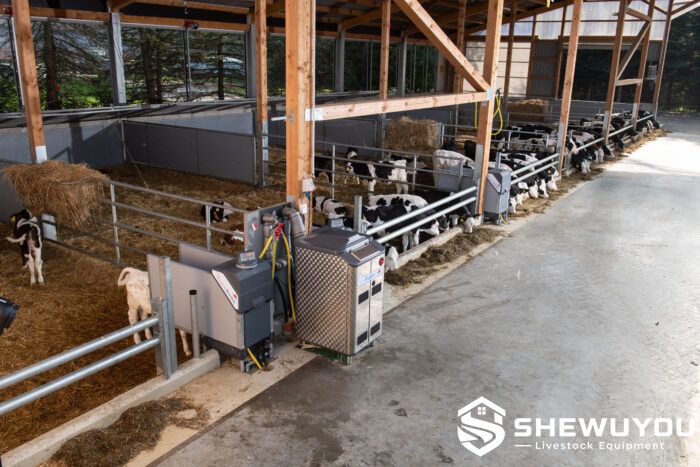
  • Multi-Station Operation: One central feeder can supply several feeding stations for efficient group calf housing.
  • Automatic Milk-Line Cleaning: Programmable cleaning cycles reduce manual sanitation requirements.
  • Two Cleaning-Agent Capability: Reference systems can use separate cleaning agents for optimized washing cycles.
  • Calf Intake Monitoring: Individual drinking activity and milk consumption are recorded for management review.
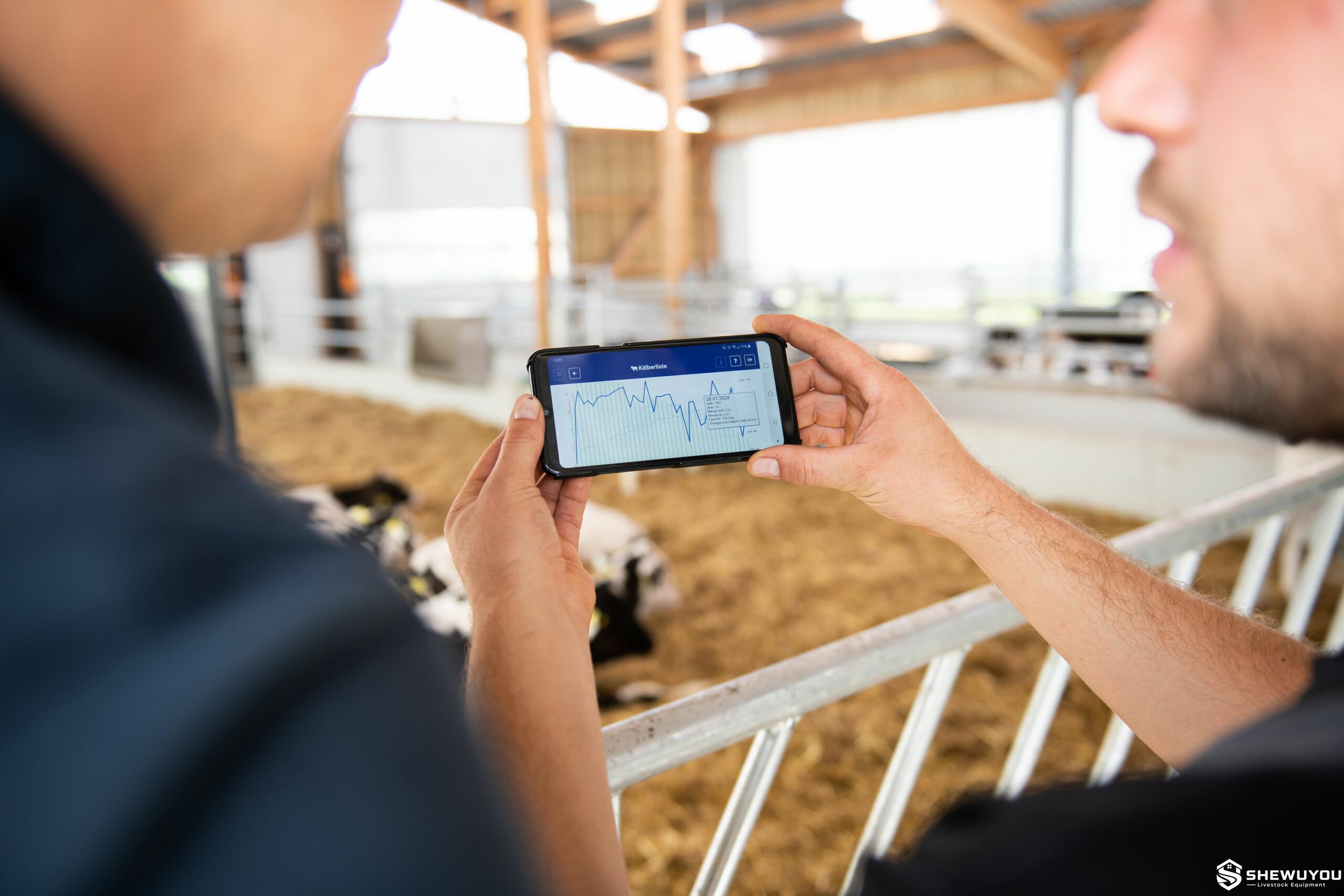
  • Remote Data Access: Wi-Fi and compatible calf-management software provide access to animal data, alerts and feeder status.
  • Frost Protection: Automatic cold-weather protection supports operation in demanding calf-house environments.
  • Expandable Configuration: Fresh-milk tanks, HygieneStations, weighing systems, additive dosing and additional feeding stations are available according to project requirements.
Structural Components
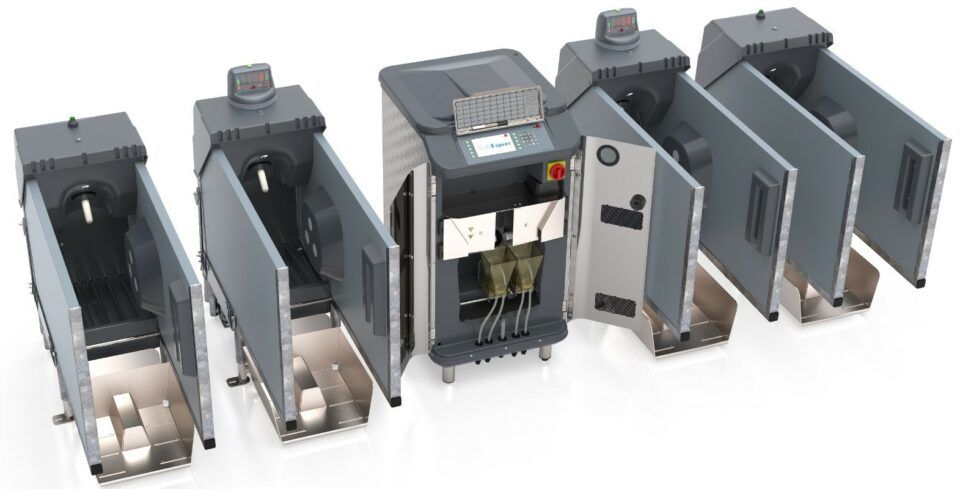
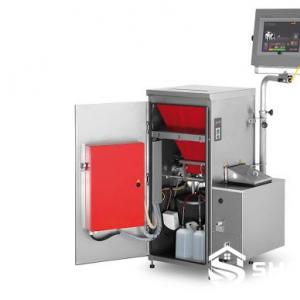
  • Central Feeder Unit: Contains milk preparation, dosing, heating, pumping and electronic control components.
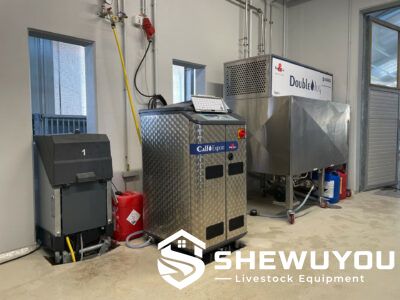
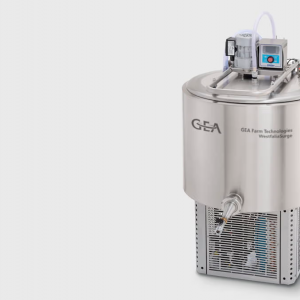
  • Whole Milk Supply System: Connects a compatible refrigerated fresh-milk storage tank to the automatic feeder.
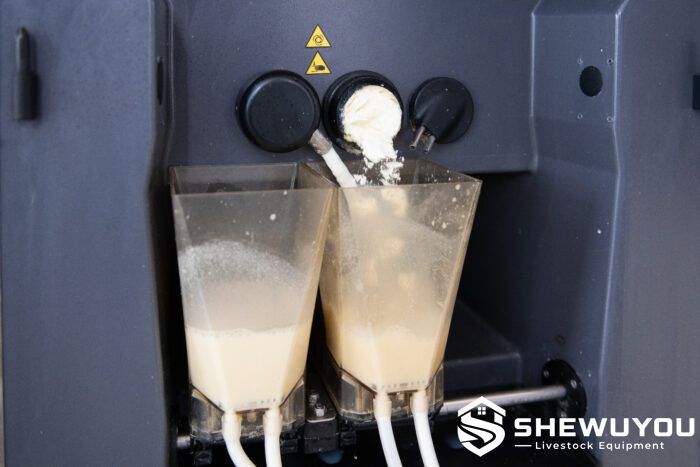
  • PowerMixer: Prepares milk portions and maintains consistent temperature and mixing when milk replacer or additives are used.
  • Milk Pump and Hose Network: Transfers milk from the central unit to the selected feeding station.
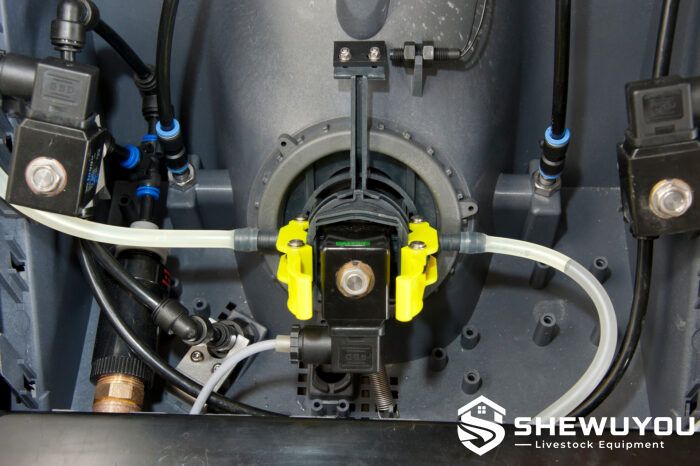
  • Automatic Cleaning Circuit: Rinses and cleans milk-contact components according to programmed cycles.
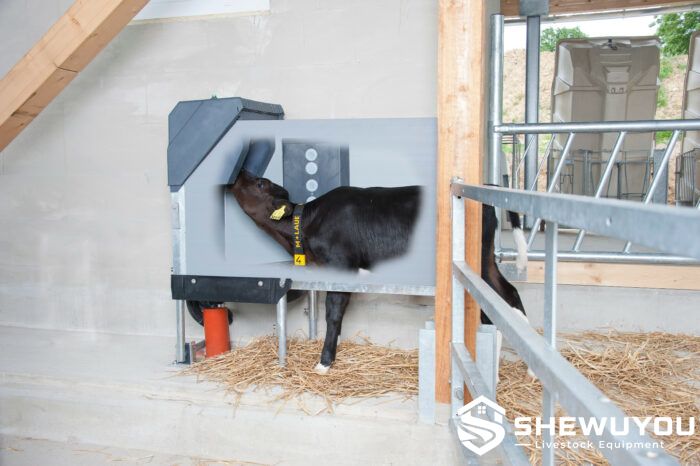
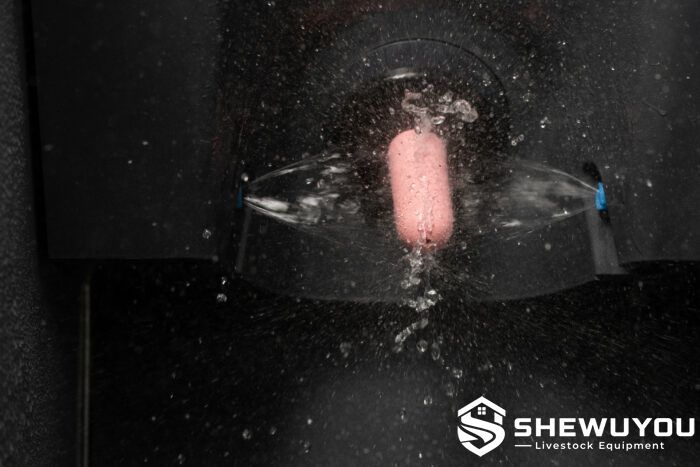
  • Feeding Stations: Provide controlled individual teat access within group calf pens.
  • Electronic Identification Reader: Recognizes HDX or FDX animal identification devices.
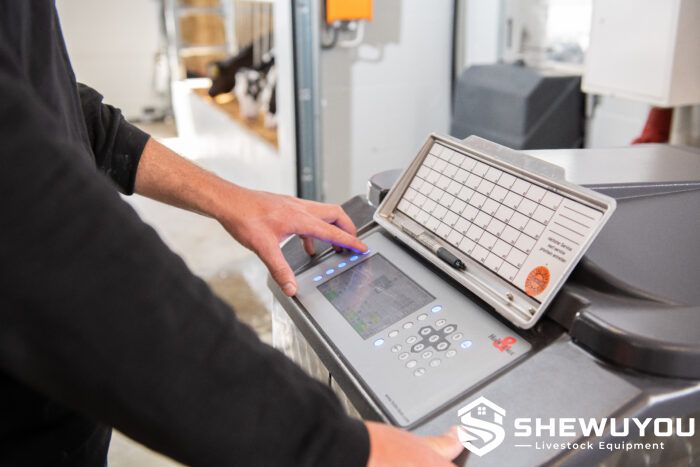
  • Control Display: Provides local access to calf records, feeding curves, alarms and technical parameters.
  • Cleaning-Agent Pumps: Meter cleaning agents into automated washing cycles.
  • Optional Fresh Milk Storage: Single-tank or dual-compartment refrigerated milk storage can be integrated according to project requirements.
Working Principle Fresh or pasteurized whole milk is stored in a compatible cooled milk tank and supplied to the central automatic feeder.

When a calf enters a feeding station, the electronic identification system recognizes the animal and checks its individual feeding plan, previous consumption and current milk entitlement.

If feeding credit is available, the system prepares or meters the required portion, controls milk temperature and delivers the ration through the milk hose to the teat. The quantity consumed and feeding activity are recorded automatically.

Where whole milk supply varies, the system can be configured to supplement milk with milk replacer in controlled proportions. During scheduled hygiene cycles, milk-contact lines and associated components are automatically rinsed and cleaned.
Technical Specifications
Product Type Fresh Milk Automatic Calf Feeding System
Milk Options Whole Milk / Pasteurized Whole Milk / Milk Replacer / Combination
Reference Capacity Up to 100 Calves with 4 Feeding Stations in Standard Reference Configuration
Maximum Feeding Stations Up to 4
Animal Identification HDX / FDX Multireader
Feeding Curves 8 Programmable Feeding Curves in Reference System
Animal Data Storage Up to 250 Calf Records in Reference System
Boiler Capacity 12 L
Electrical Supply 400 V / 16 A / 6 kW or 230 V / 16 A / 3 kW Reference Versions
Cleaning Temperature Up to 65 °C in Reference Configuration
Cleaning System Automatic Milk-System Cleaning with Dual Detergent Pumps
Control Interface 7-Inch Graphic Display with SmartKeys
Connectivity Wi-Fi / Compatible Mobile Management
Reference Machine Dimensions Approx. 60 × 70 × 121 cm
Reference Space Requirement Approx. 100 × 100 cm
Milk Storage External Refrigerated Tank According to Project Requirements
Installation Layout Customizable According to Calf Barn Layout
Applications
  • Commercial dairy farms
  • Professional calf-rearing centers
  • Fresh whole-milk calf feeding systems
  • Pasteurized milk feeding programs
  • Group calf housing facilities
  • Pre-weaning calf barns
  • Dairy replacement heifer programs
  • Whole milk and milk-replacer combination feeding
  • New cattle farm construction projects
  • Existing calf-barn automation and modernization projects
Customization Options
  • 1–4 feeding stations according to herd size
  • Whole milk or combination milk-feeding configuration
  • Single or dual-compartment refrigerated fresh-milk storage
  • Automatic fresh-milk tank changeover
  • Automatic teat-cleaning HygieneStation
  • Integrated calf weighing equipment
  • Electronic ear-tag or transponder identification
  • Automatic additive dosing equipment
  • Milk replacer supplementation system
  • Remote calf-management software
  • Customized milk-line length and station arrangement
  • Complete system design according to herd size, local climate and calf-barn requirements
Installation & Maintenance
  • Install the central feeder on a stable, level surface in a dry and service-accessible technical area.
  • Provide clean water, suitable electrical supply and drainage according to the selected configuration.
  • Locate refrigerated whole-milk storage close enough to minimize unnecessary milk-line length.
  • Use properly prepared or pasteurized whole milk according to the farm's veterinary and hygiene protocol.
  • Install feeding stations so calves have convenient access without excessive competition.
  • Configure calf identification and individual feeding curves before routine operation.
  • Check milk temperature, portion accuracy and liquid-flow calibration regularly.
  • Run automatic cleaning programs according to the established sanitation schedule.
  • Inspect milk hoses, teats, pumps, valves and seals for wear or leakage.
  • Keep fresh-milk storage tanks cooled, clean and protected from contamination.
  • Review feeding alerts and abnormal intake records daily.
  • Professional preventive servicing is recommended according to operating hours and project conditions.
Product FAQ

Q: Can the feeder use fresh whole milk?
A: Yes. A whole-milk configuration can supply fresh or properly prepared whole milk from a compatible refrigerated storage system.

Q: Can it combine whole milk with milk replacer?
A: Yes. Combination configurations can supplement whole milk with milk replacer according to the programmed feeding strategy.

Q: How many calves can one feeder serve?
A: The standard reference configuration can serve up to approximately 100 calves with four feeding stations. Actual capacity depends on the system configuration and farm management.

Q: How does the feeder identify individual calves?
A: The reference identification system supports HDX and FDX electronic animal identification.

Q: Does each calf receive an individual feeding plan?
A: Yes. Milk quantity and feeding curves can be assigned individually according to calf age, growth stage and management objectives.

Q: Is automatic cleaning included?
A: Automatic cleaning of milk-contact components is included in the reference system, with additional hygiene options available for the feeding stations.

Q: Can the fresh-milk storage system clean automatically?
A: Compatible dual-compartment milk-storage systems can support coordinated automatic cleaning and tank changeover according to configuration.

Q: Can feeding information be monitored remotely?
A: Yes. Compatible Wi-Fi and mobile management functions allow remote review of calf records, feeding information and alerts.

Q: Can the system be expanded later?
A: Yes. Feeding stations, fresh-milk equipment, hygiene modules, weighing systems and other options can be added according to project requirements.

Q: What information is required for quotation?
A: Please provide herd size, number of calves, daily whole-milk availability, calf-barn layout, number of feeding stations, milk-storage requirements, electrical supply and desired management functions.

Product Gallery
automatic calf feeder with DoubleJug fresh milk tank

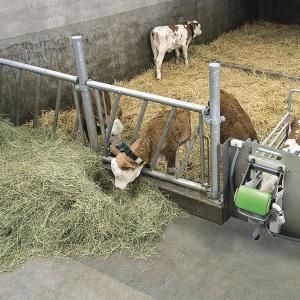
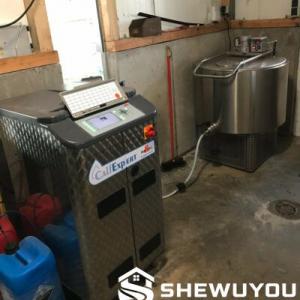
automatic calf feeder installed in commercial calf barn

fresh milk and milk replacer mixing system in automatic calf feeder

automatic calf feeder milk hose cleaning system

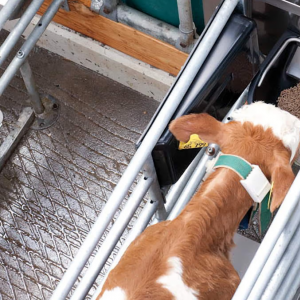
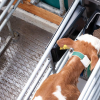
automatic calf feeding station with calf drinking

automatic calf feeder teat cleaning system

automatic calf feeder control display

automatic calf feeder mobile management system

four-station automatic calf feeding system

Comments & Inquiries

Leave your questions or requirements below. We will reply as soon as possible.