

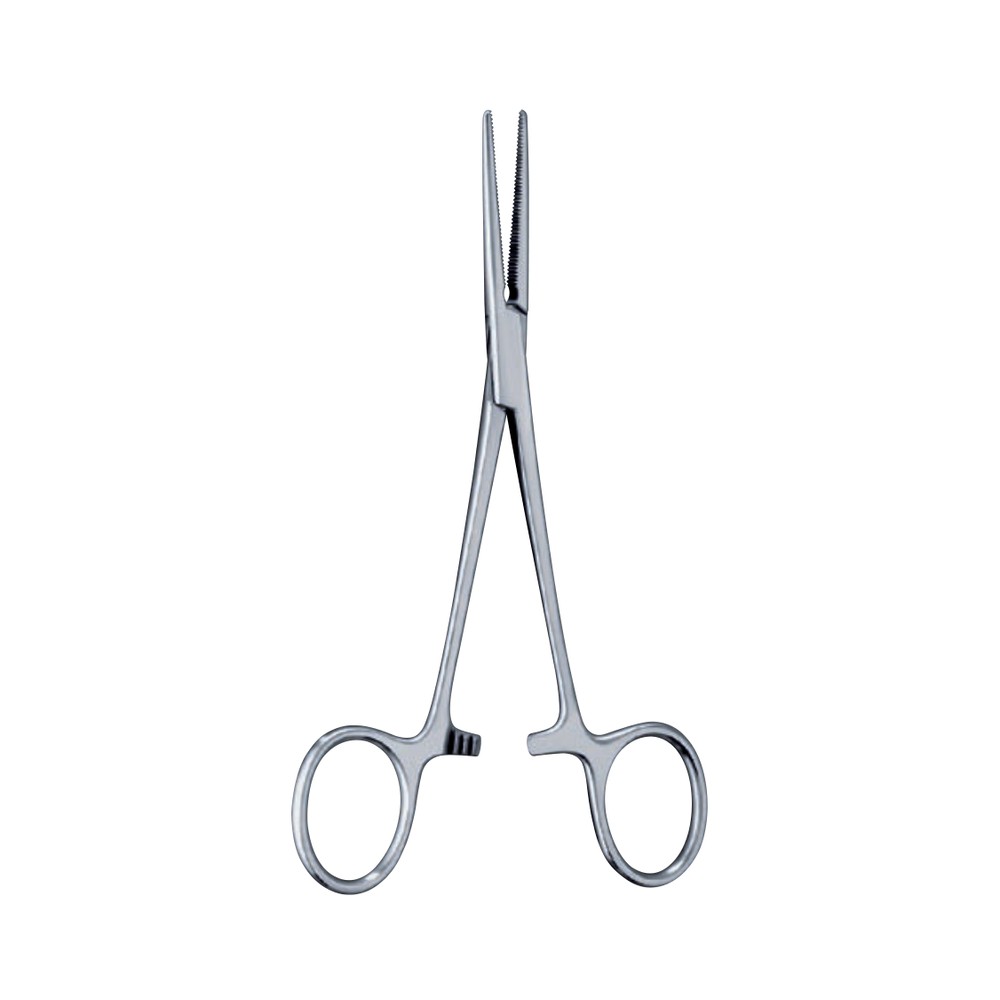
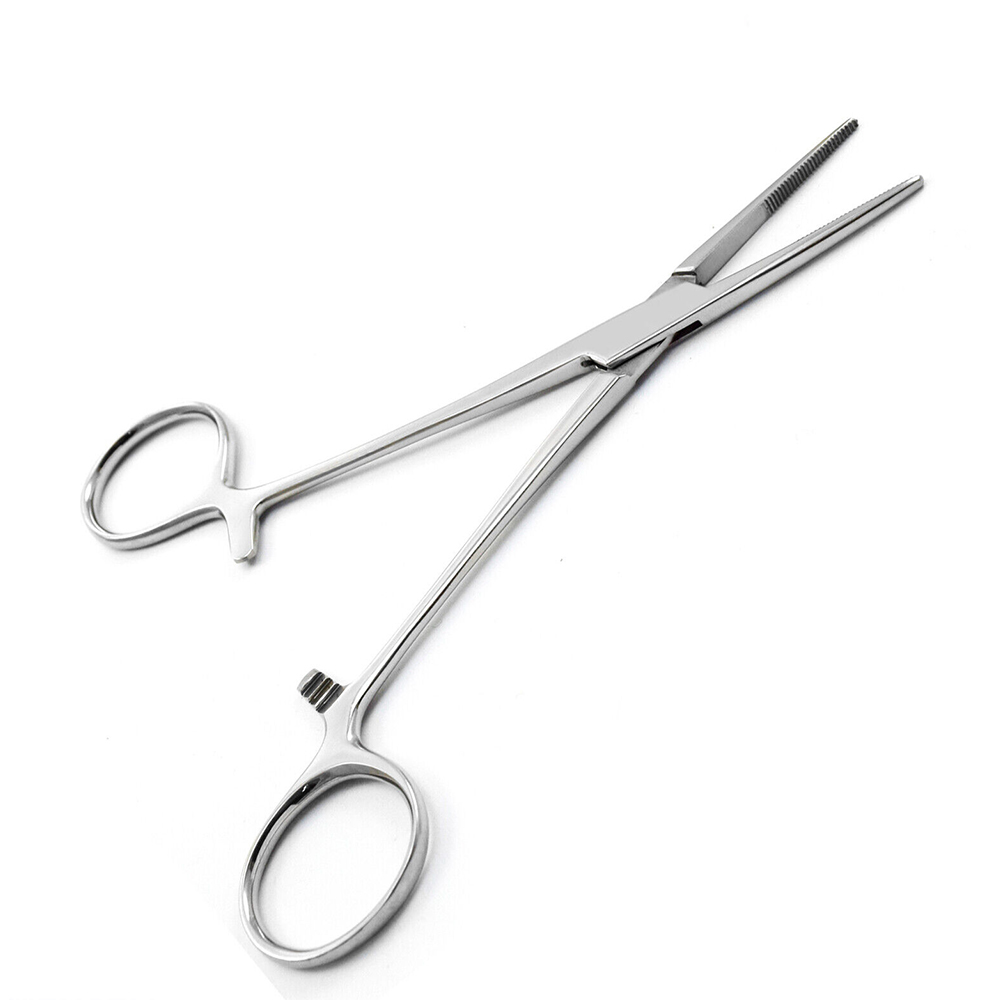
| Product Name | Veterinary Rochester-Carmalt Hemostatic Forceps |
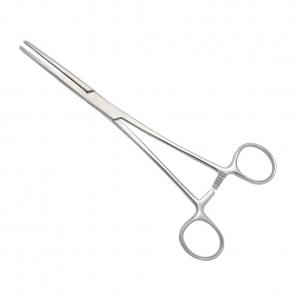
| Product Image | 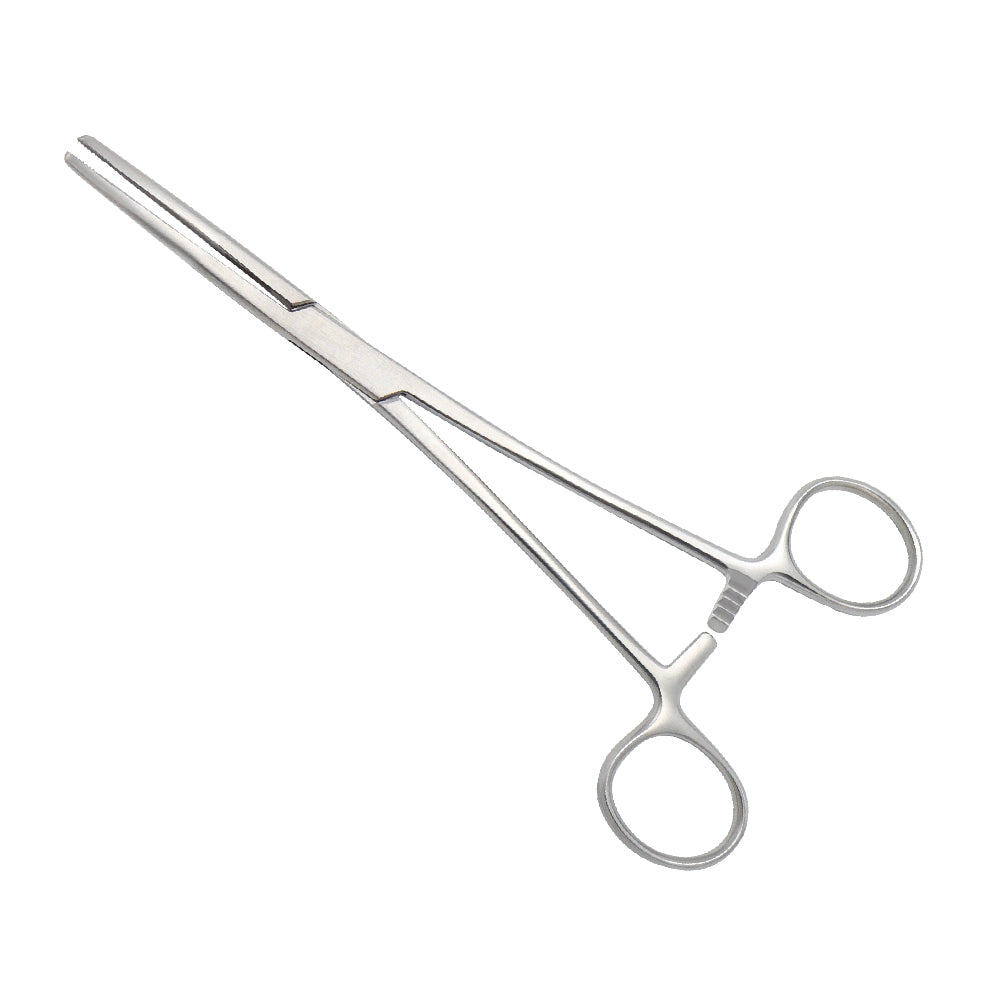 |
| Product Overview | Veterinary Rochester-Carmalt Hemostatic Forceps are professional surgical instruments designed for secure clamping of blood vessels, vascular pedicles, and heavier tissue during veterinary procedures. The characteristic jaw design combines longitudinal serrations along the working surface with cross-serrated tips to provide controlled tissue retention during hemostasis. The instrument is suitable for veterinary clinics, animal hospitals, livestock breeding facilities, commercial pig farms, cattle operations, and agricultural veterinary service projects where reliable reusable surgical instruments are required. |
| Key Features | • Longitudinally serrated jaws provide secure engagement with vascular pedicles and heavier tissue. • Cross-serrated tips improve holding stability at the distal working end. • Ratchet locking mechanism maintains controlled clamping pressure during surgical procedures. • Finger-ring handles provide familiar and precise manual operation for veterinary professionals. • Straight and curved configurations can be supplied according to surgical requirements. • Suitable for professional veterinary surgery and livestock health management applications. |
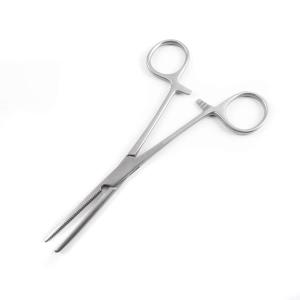
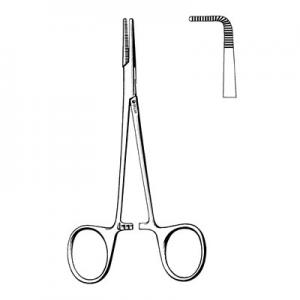
| Structural Components | The forceps consist of paired jaws, a box-lock joint, elongated shanks, ratchet locking teeth, and finger-ring handles. The working jaws are typically designed with longitudinal serrations and cross-serrated tips, distinguishing the Rochester-Carmalt pattern from many conventional hemostatic forceps. |
| Working Principle / Structural Principle | During surgery, the jaws are positioned around the selected vessel, vascular pedicle, or tissue bundle. Closing the finger-ring handles engages the ratchet mechanism and maintains clamping pressure. The longitudinal serrations help distribute grip along the jaw surface, while the cross-serrated tip provides additional retention near the distal end. |
| Technical Specifications | Product Type: Rochester-Carmalt Hemostatic Forceps Application: Veterinary surgical clamping and hemostasis Jaw Pattern: Longitudinal serrations with cross-serrated tips Handle Type: Finger-ring handle with ratchet lock Configuration: Straight or curved options available Material: Stainless steel options available Length: Available in multiple sizes according to project requirements Packaging: Available upon request |
| Applications | Veterinary Rochester-Carmalt Hemostatic Forceps can be used in general veterinary surgery, soft-tissue procedures, reproductive surgery, livestock surgical treatment, and other procedures requiring temporary vessel or tissue clamping. Typical users include veterinary hospitals, animal clinics, livestock farms, pig production groups, cattle farms, breeding centers, veterinary service companies, distributors, and agricultural project purchasers. |
| Customization Options | Instrument length, straight or curved jaw configuration, packaging method, order quantity, and other supply options can be customized according to project requirements. OEM and bulk supply solutions are available upon request for distributors and veterinary equipment procurement projects. |
| Installation & Maintenance | No fixed installation is required. Before use, inspect the jaw alignment, box-lock movement, ratchet engagement, and working surfaces. After use, clean the instrument promptly according to veterinary surgical instrument protocols. Sterilization and reuse procedures should follow the instructions applicable to the supplied model and local veterinary practice requirements. |
| Project Cases | Suitable for veterinary surgical instrument sets used by commercial livestock farms, veterinary service centers, breeding companies, animal hospitals, agricultural engineering projects, and veterinary equipment distributors. Supply configurations can be adapted to routine farm treatment programs and centralized veterinary procurement. |
| Product FAQ | Q: What is the Rochester-Carmalt pattern mainly used for? A: It is commonly used for clamping larger blood vessels, vascular pedicles, and heavier tissue during surgical hemostasis. Q: What is distinctive about the jaw design? A: The Rochester-Carmalt pattern typically uses longitudinal serrations along the jaws combined with cross-serrated tips to provide a secure grip. Q: Are straight and curved versions available? A: Yes. Straight and curved configurations can be supplied according to veterinary procedure and procurement requirements. Q: Can the size be customized? A: Different lengths and supply configurations are available according to project requirements. Q: Is this product suitable for commercial livestock operations? A: Yes. It can be included in veterinary surgical instrument sets for pig farms, cattle farms, breeding facilities, and professional animal health service projects. |
| Product Gallery | 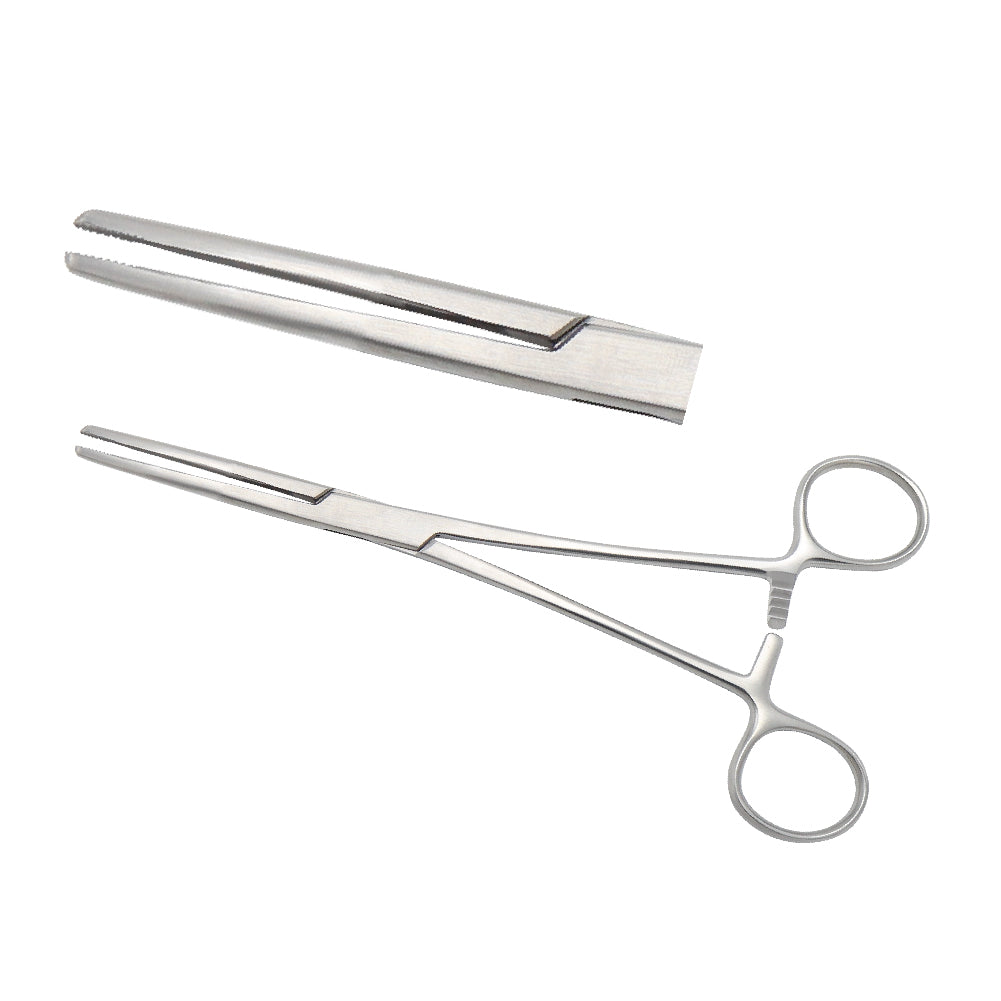 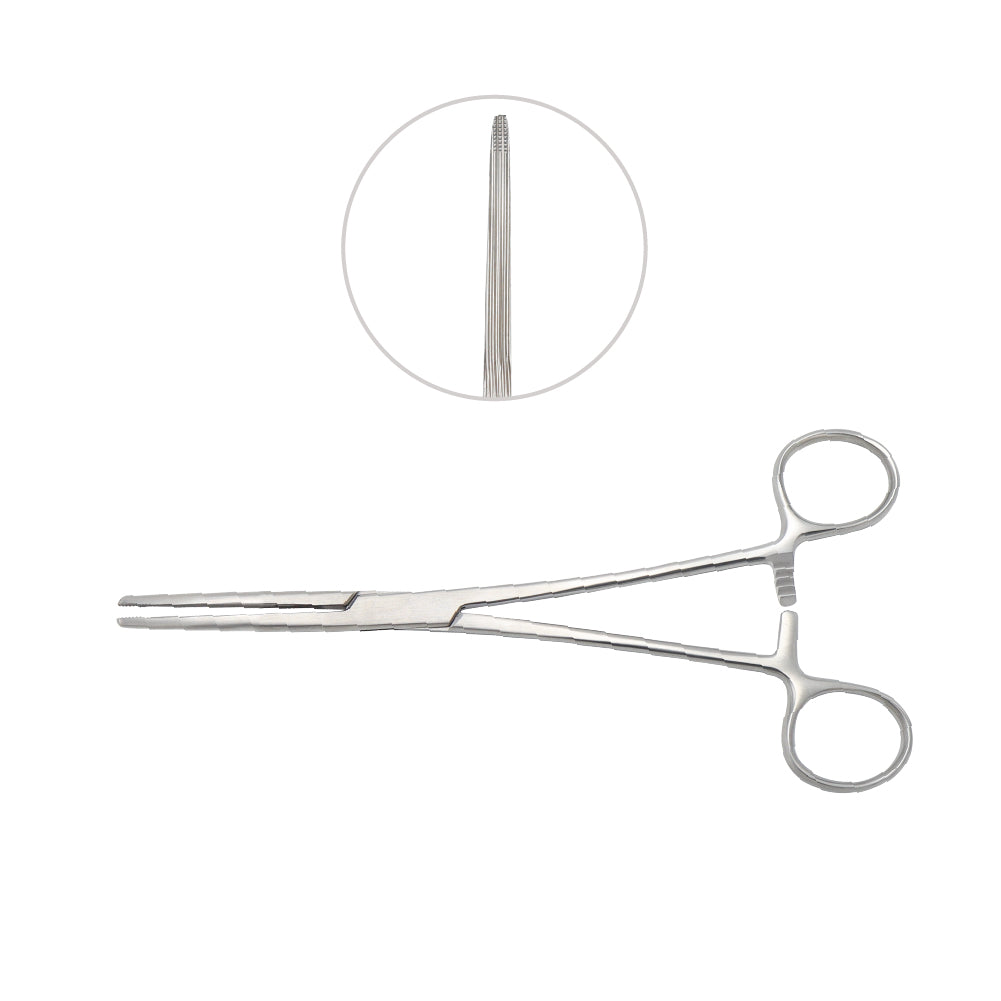 |
- Home
-
Products
- Pig Farming Equipment
- Cattle Farming Equipment
- Sheep & Goat Farming Equipment
- Poultry Farming Equipment
- Feeding & Drinking Systems
- Veterinary & Breeding Equipment
- Testing & Diagnostic Equipment
- Cleaning & Biosecurity Equipment
- Climate Control Equipment
- Livestock Weighing Equipment
- Manure & Waste Management
- Farm Transport & Handling
-
Solutions
- Pig Farm Solutions
- Dairy Farm Solutions
- Beef Cattle Farm Solutions
- Sheep & Goat Farm Solutions
- Layer Farm Solutions
- Broiler Farm Solutions
- Feeding & Drinking System Solutions
- Climate Control Solutions
- Biosecurity & Disinfection Solutions
- Manure & Waste Management
- Smart Farming Solutions
- Farm Renovation and Upgrade Solutions
- Partners
- Projects
- Resources
- News
- About Us
- Contact

Comments & Inquiries
Leave your questions or requirements below. We will reply as soon as possible.