
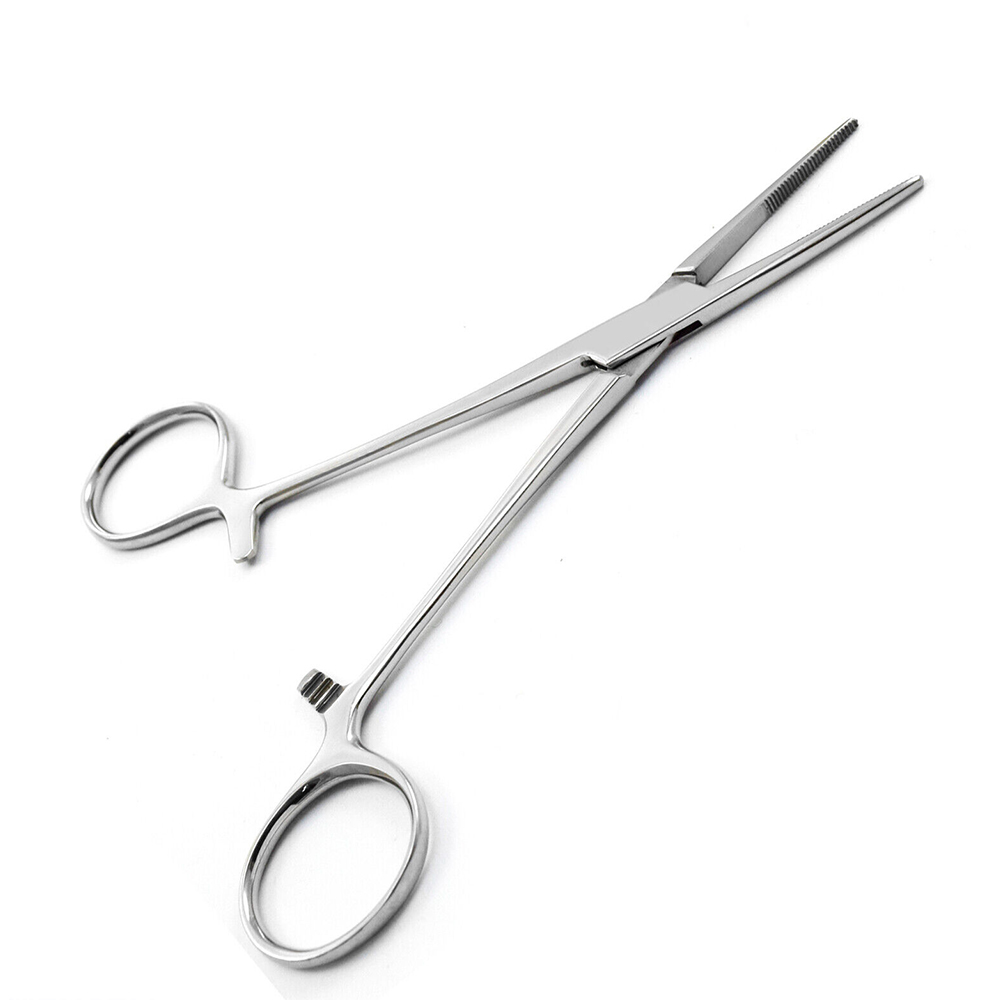
| Product Name | Veterinary Crile Hemostatic Forceps | ||||||||||||||||||||||
| Product Image | 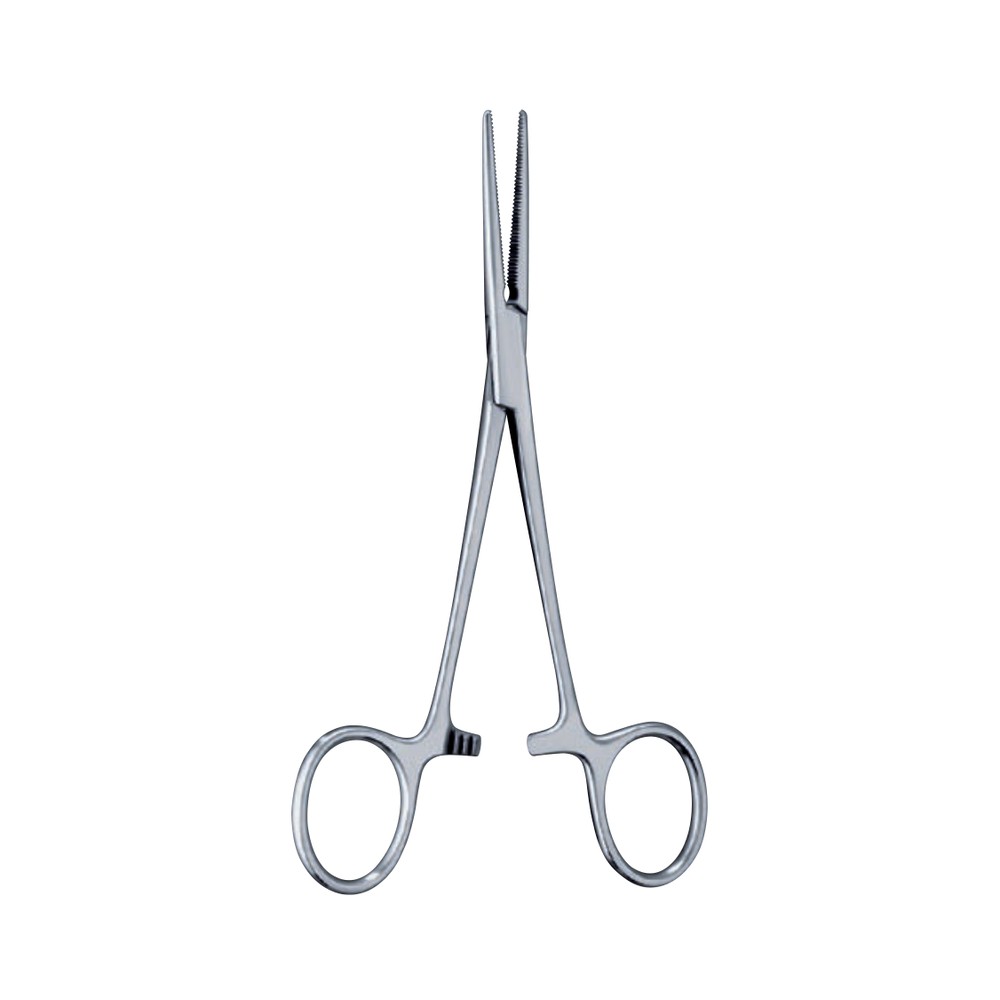 |
||||||||||||||||||||||
| Product Overview | Veterinary Crile Hemostatic Forceps are reusable surgical clamps designed for temporary occlusion of blood vessels and controlled clamping of tissue during veterinary procedures. The Crile pattern is distinguished by transverse serrations extending along the full length of the jaws, helping provide uniform grip across the clamping surface. The instrument uses finger-ring handles and a multi-position ratchet lock to maintain clamping pressure without continuous hand force. Straight and curved jaw configurations can be selected according to surgical access and tissue location. Crile forceps are suitable for veterinary clinics, animal hospitals, livestock farms, mobile veterinary teams and surgical instrument sets used for cattle, pigs, goat-farming-equipment/" target="_blank" class="keylink">sheep, goats, horses and companion animals. |
||||||||||||||||||||||
| Key Features |
|
||||||||||||||||||||||
| Structural Components |
|
||||||||||||||||||||||
| Working Principle | The surgeon positions the jaws around a blood vessel or tissue bundle and closes the finger-ring handles until the required ratchet position is engaged. The fully serrated jaws distribute gripping force across the entire clamping surface, helping maintain secure occlusion and reduce slippage while the vessel is ligated, divided or otherwise treated. After the surgical step is completed, the ratchet is released manually and the forceps are removed in a controlled manner. The instrument should be selected according to vessel size, tissue type and veterinary procedure. |
||||||||||||||||||||||
| Technical Specifications |
|
||||||||||||||||||||||
| Applications |
|
||||||||||||||||||||||
| Customization Options |
|
||||||||||||||||||||||
| Use & Maintenance | Inspect the forceps before use to confirm that the jaws are correctly aligned and that the ratchet and box-lock operate smoothly. Select an instrument size and jaw configuration appropriate for the vessel or tissue being clamped. Avoid applying excessive force or using the forceps on tissue substantially larger than the intended working range. After use, remove visible biological material promptly and clean the jaws, serrations, joint and ratchet thoroughly according to the veterinary facility's reusable instrument procedure. The instrument should be completely dried before sterilization and storage. Steam sterilization may be used when compatible with the selected model. Periodically inspect for corrosion, jaw misalignment, damaged serrations or ratchet wear. |
||||||||||||||||||||||
| Product FAQ | What are Crile hemostatic forceps used for? They are primarily used to clamp blood vessels and tissue bundles temporarily during surgical procedures to support hemostasis. How are Crile forceps different from Kelly forceps? Crile forceps typically have transverse serrations extending along the full jaw length, while traditional Kelly forceps have serrations primarily on the distal portion of the jaws. Are straight and curved versions available? Yes. Straight models provide direct access, while curved models can improve access to deeper or less visible surgical areas. Can Crile forceps be used for livestock surgery? Yes. Appropriate Crile forceps can be used in cattle, pigs, sheep, goats, horses and other animals depending on the procedure and vessel size. Can the forceps be reused? Yes. Stainless steel Crile forceps are designed for repeated use when properly cleaned, inspected and sterilized. Can other sizes be supplied? Yes. Length, jaw configuration and packaging can be supplied according to veterinary or project requirements. |
||||||||||||||||||||||
| Product Gallery | |
- Home
-
Products
- Pig Farming Equipment
- Cattle Farming Equipment
- Sheep & Goat Farming Equipment
- Poultry Farming Equipment
- Feeding & Drinking Systems
- Veterinary & Breeding Equipment
- Testing & Diagnostic Equipment
- Cleaning & Biosecurity Equipment
- Climate Control Equipment
- Livestock Weighing Equipment
- Manure & Waste Management
- Farm Transport & Handling
-
Solutions
- Pig Farm Solutions
- Dairy Farm Solutions
- Beef Cattle Farm Solutions
- Sheep & Goat Farm Solutions
- Layer Farm Solutions
- Broiler Farm Solutions
- Feeding & Drinking System Solutions
- Climate Control Solutions
- Biosecurity & Disinfection Solutions
- Manure & Waste Management
- Smart Farming Solutions
- Farm Renovation and Upgrade Solutions
- Partners
- Projects
- Resources
- News
- About Us
- Contact


Comments & Inquiries
Leave your questions or requirements below. We will reply as soon as possible.