

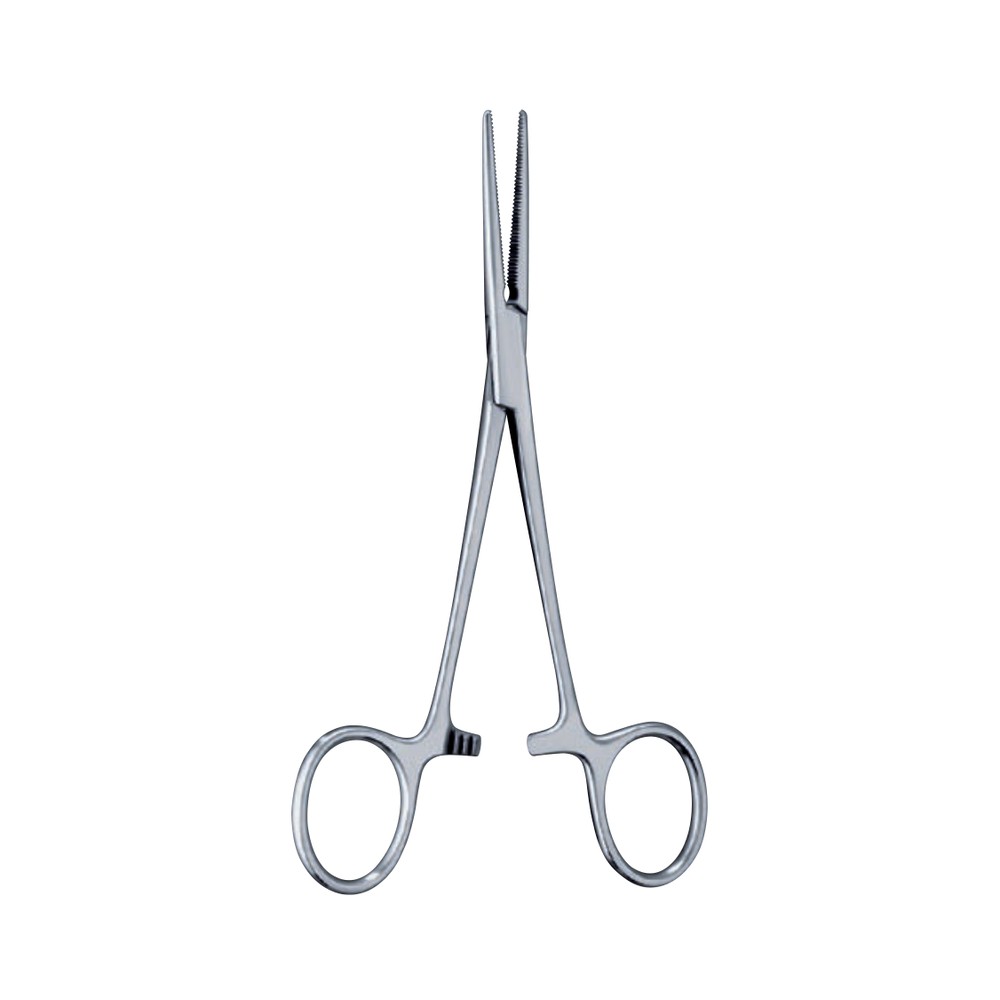
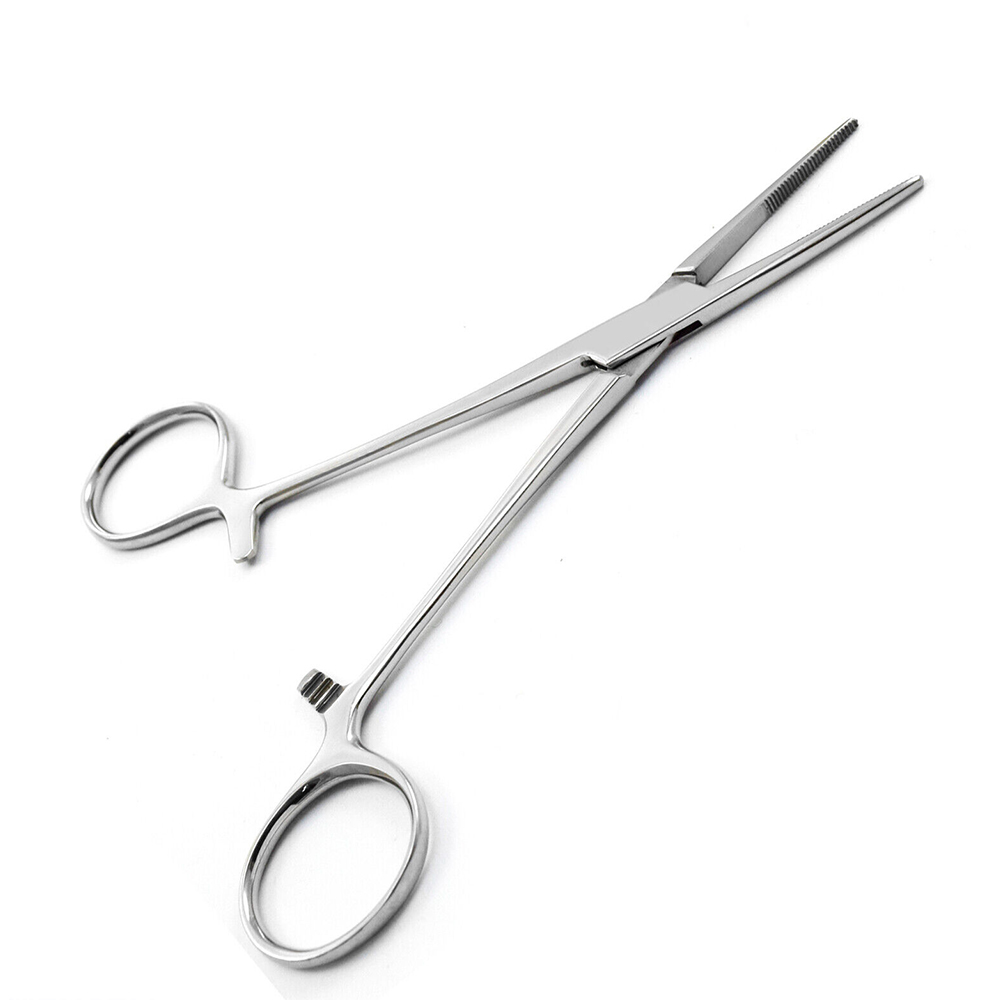
| Product Name | Veterinary Mosquito Hemostatic Forceps | ||||||||||||||||||||||||||
| Product Image | 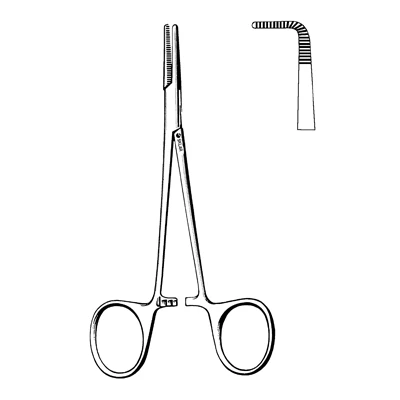 |
||||||||||||||||||||||||||
| Product Overview | The Veterinary Mosquito Hemostatic Forceps are precision reusable surgical instruments designed for clamping small blood vessels and controlling superficial bleeding during veterinary procedures. Their narrow working profile makes them suitable for confined surgical fields where accurate tissue handling and controlled hemostasis are required. The reference configuration features delicate serrated jaws, a blunt tip, finger-ring handles and a locking mechanism that maintains clamping pressure without continuous hand force. The stainless steel construction provides the strength and corrosion resistance required for repeated veterinary instrument processing. These forceps are suitable for veterinary clinics, livestock farms, animal hospitals, breeding facilities and mobile veterinary teams treating cattle, pigs, goat-farming-equipment/" target="_blank" class="keylink">sheep, goats, horses and other animals. |
||||||||||||||||||||||||||
| Key Features |
|
||||||||||||||||||||||||||
| Structural Components |
|
||||||||||||||||||||||||||
| Working Principle | The surgeon positions the jaws around a small vessel or selected tissue structure and closes the finger-ring handles until the required clamping pressure is achieved. The ratchet mechanism engages progressively and keeps the jaws closed, allowing temporary vessel occlusion while ligation, cauterization or another hemostatic procedure is performed. Serrations on the working surfaces increase friction and help prevent the clamped structure from slipping. The delicate jaw profile makes mosquito forceps particularly useful for small vessels and superficial surgical work rather than major vessels or large arteries. |
||||||||||||||||||||||||||
| Technical Specifications |
|
||||||||||||||||||||||||||
| Applications |
|
||||||||||||||||||||||||||
| Customization Options |
|
||||||||||||||||||||||||||
| Use & Maintenance | Select a forceps size and jaw configuration appropriate for the target vessel, tissue depth and veterinary procedure. Mosquito forceps are intended primarily for small vessels and should not be substituted for larger hemostatic clamps when substantial vessels require occlusion. Before use, inspect the jaw alignment, serrations, box joint, finger rings and ratchet mechanism. The jaws should meet correctly and the ratchet should engage and release smoothly. After use, remove blood and biological residue promptly. Clean the jaw serrations and joint carefully because these areas can retain organic material. Reusable instruments should be disinfected and sterilized according to the instrument material, manufacturer's instructions and veterinary facility procedures. Dry thoroughly before storage and periodically inspect for corrosion, deformation, damaged serrations or impaired locking performance. |
||||||||||||||||||||||||||
| Product FAQ | What are veterinary mosquito hemostatic forceps used for? They are mainly used to clamp small blood vessels and temporarily control bleeding during veterinary surgical procedures. Why are the jaws serrated? Serrations increase friction between the jaws and the clamped vessel or tissue, helping provide a more secure grip. How does the locking mechanism work? The ratchet near the finger rings engages as the handles are closed and maintains the selected jaw pressure until manually released. Can mosquito forceps be used on large arteries? They are primarily intended for small vessels and delicate hemostatic work. Larger vessels require an appropriately sized hemostatic instrument selected according to the surgical procedure. Are straight and curved models available? Yes. Mosquito forceps are commonly available in straight, curved and specialized angled configurations, depending on procedural requirements. Can the instrument be reused? Yes. Stainless steel reusable models can be used repeatedly when correctly cleaned, inspected and sterilized between procedures. Is this instrument suitable for livestock surgery? Yes. Mosquito hemostatic forceps are suitable for veterinary procedures involving cattle, pigs, sheep, goats, horses and other animals when the instrument size and surgical application are appropriate. |
||||||||||||||||||||||||||
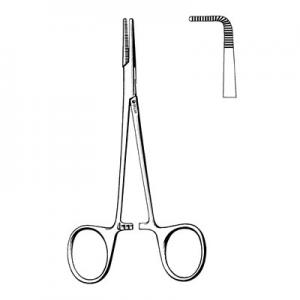
| Product Gallery | 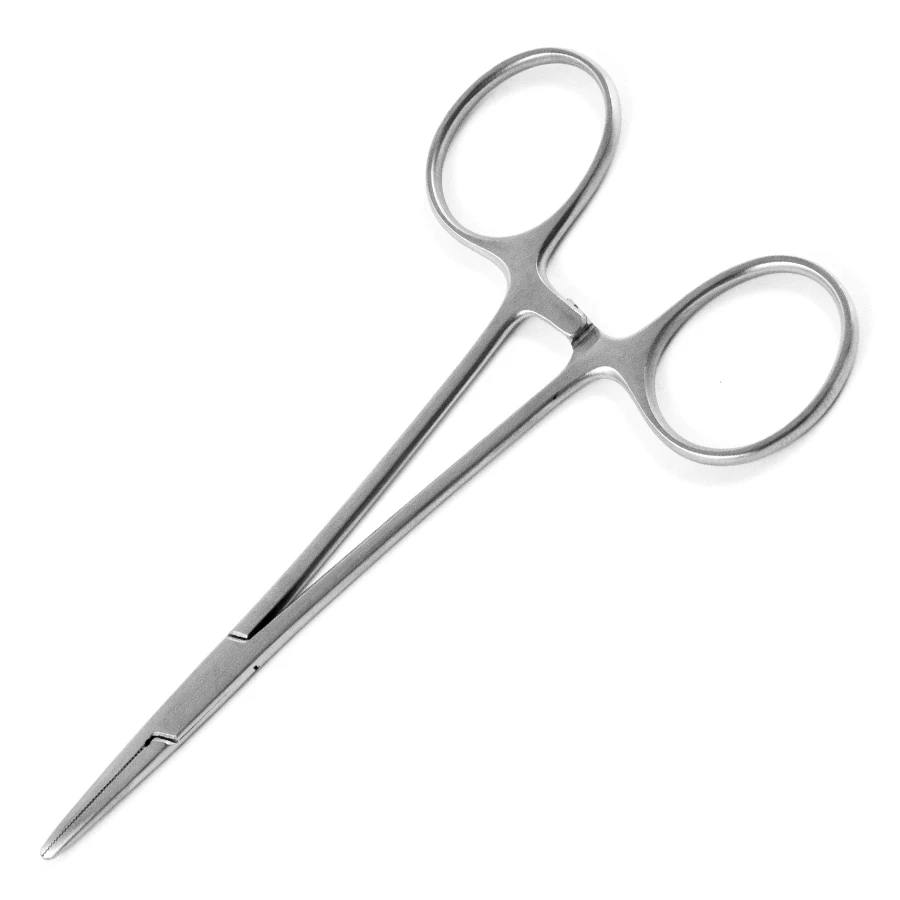 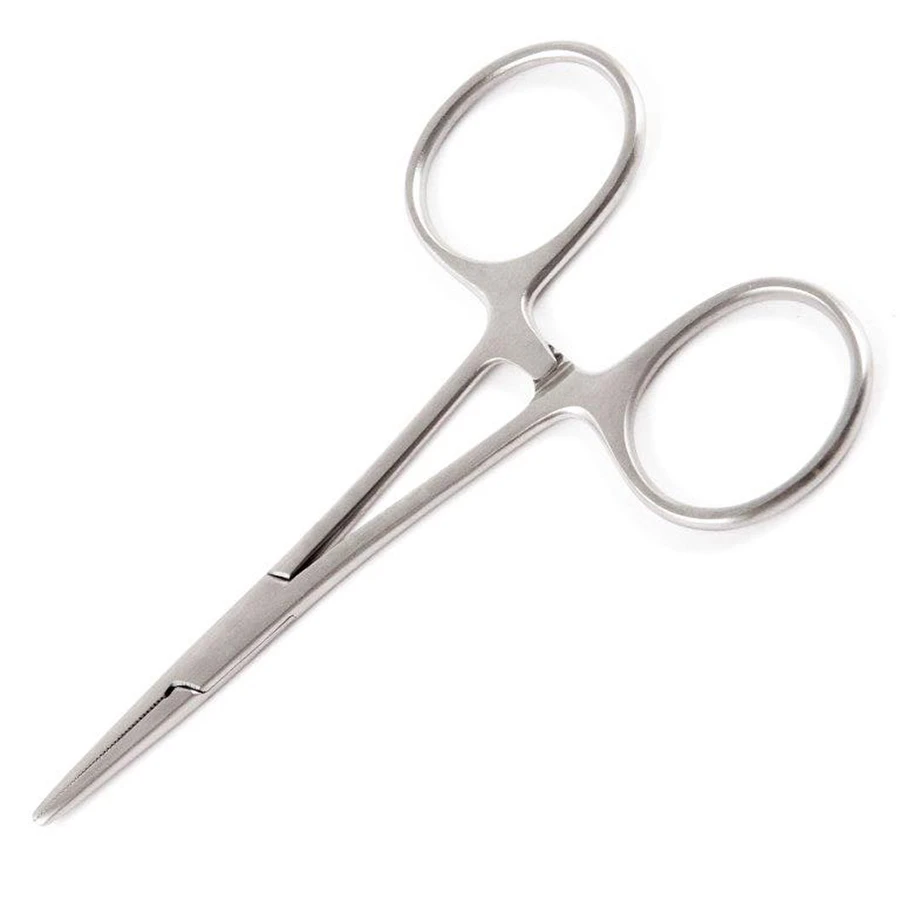 |
- Home
-
Products
- Pig Farming Equipment
- Cattle Farming Equipment
- Sheep & Goat Farming Equipment
- Poultry Farming Equipment
- Feeding & Drinking Systems
- Veterinary & Breeding Equipment
- Testing & Diagnostic Equipment
- Cleaning & Biosecurity Equipment
- Climate Control Equipment
- Livestock Weighing Equipment
- Manure & Waste Management
- Farm Transport & Handling
-
Solutions
- Pig Farm Solutions
- Dairy Farm Solutions
- Beef Cattle Farm Solutions
- Sheep & Goat Farm Solutions
- Layer Farm Solutions
- Broiler Farm Solutions
- Feeding & Drinking System Solutions
- Climate Control Solutions
- Biosecurity & Disinfection Solutions
- Manure & Waste Management
- Smart Farming Solutions
- Farm Renovation and Upgrade Solutions
- Partners
- Projects
- Resources
- News
- About Us
- Contact

Comments & Inquiries
Leave your questions or requirements below. We will reply as soon as possible.