
| Product Name | Veterinary Kelly Hemostatic Forceps | ||||||||||||||||||||
| Product Image | 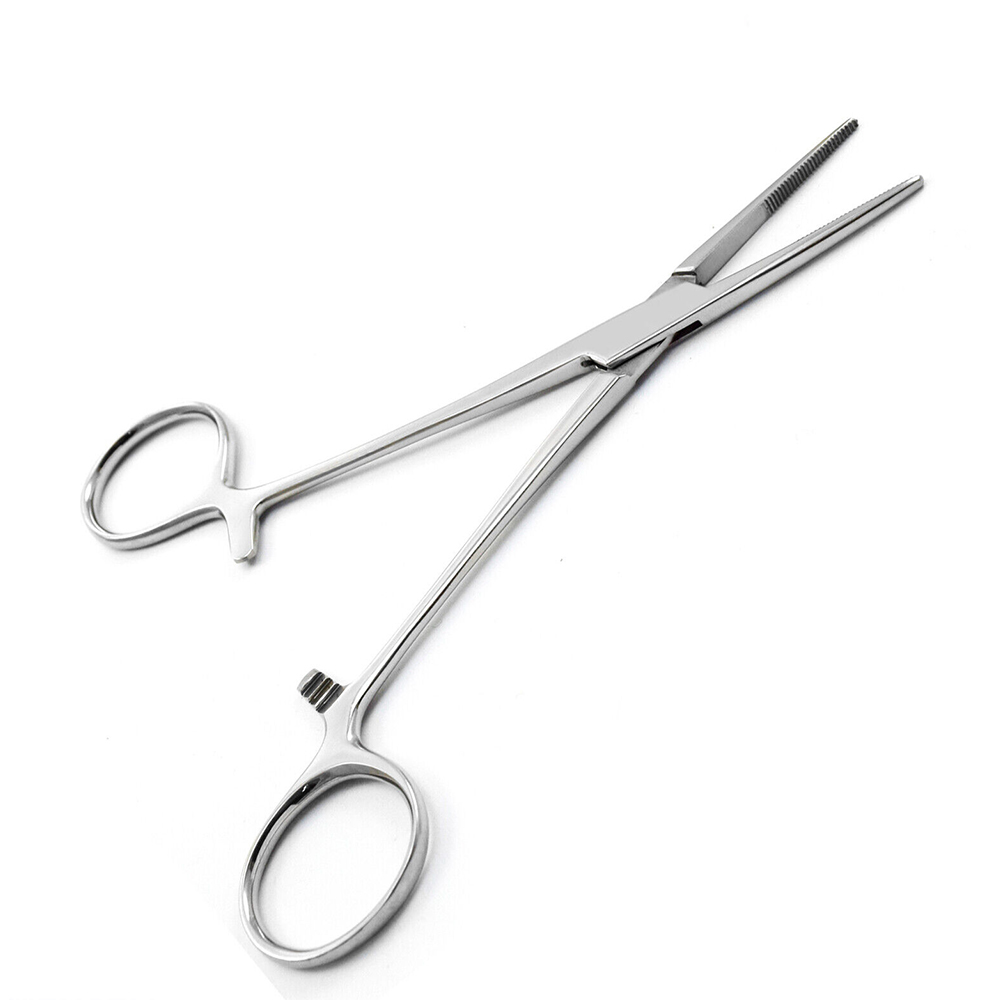 |
||||||||||||||||||||
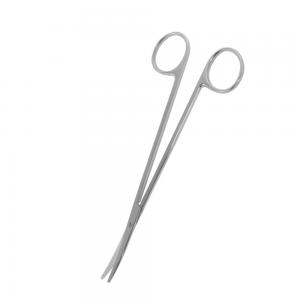
| Product Overview | Veterinary Kelly Hemostatic Forceps are reusable surgical clamping instruments designed for temporary hemostasis, vessel control, tissue handling and selected blunt dissection procedures in veterinary surgery. The classic Kelly pattern features relatively slender jaws with transverse serrations extending over approximately the distal half of the jaw surface. This configuration distinguishes Kelly forceps from Crile forceps, which normally have serrations extending along the full jaw length. A ratchet locking mechanism below the finger rings allows the jaws to remain closed at a selected pressure without continuous hand force. Straight and curved versions are available to suit different surgical approaches and operating-field access requirements. |
||||||||||||||||||||
| Key Features |
|
||||||||||||||||||||
| Structural Components |
|
||||||||||||||||||||
| Working Principle | The veterinarian positions the jaws around a vessel, tissue bundle or other target structure and closes the finger-ring handles until the desired ratchet position is engaged. The transverse serrations increase friction between the jaws and the tissue, while the locking mechanism maintains the selected clamping force without continuous manual pressure. Straight forceps provide direct access to superficial or easily visible structures, while curved forceps can improve visualization and access around surrounding tissue. The appropriate pattern and clamping pressure should be selected according to the veterinary procedure and tissue involved. |
||||||||||||||||||||
| Technical Specifications |
|
||||||||||||||||||||
| Applications |
|
||||||||||||||||||||
| Customization Options |
|
||||||||||||||||||||
| Use & Maintenance | Inspect the jaws, serrations, box joint, ratchet and finger rings before use. Instruments showing corrosion, deformation, misalignment or damaged locking components should be removed from service. Position the jaws only on the intended vessel or tissue and engage the ratchet at the minimum locking level required for controlled clamping. Excessive compression should be avoided where unnecessary tissue trauma could result. After use, remove blood and biological residue promptly. Clean the serrated jaw surfaces, joint and ratchet carefully because organic material can accumulate in these areas. Sterilize reusable forceps according to the instrument manufacturer's instructions and the veterinary facility's validated procedures. Dry the instrument thoroughly before storage and keep the joint operating smoothly using an appropriate instrument lubricant when required. |
||||||||||||||||||||
| Product FAQ | What are Kelly hemostatic forceps used for? They are commonly used to temporarily clamp blood vessels, control bleeding and manipulate tissue during veterinary surgical procedures. What is distinctive about Kelly forceps jaws? A traditional Kelly pattern has transverse serrations over approximately the distal half of the jaws rather than along the entire jaw surface. What is the difference between Kelly and Crile forceps? Kelly forceps typically have serrations only on the distal half of the jaws, while Crile forceps generally have transverse serrations extending along the full jaw length. Are straight and curved models available? Yes. Both straight and curved Kelly forceps are commonly available. The preferred design depends on surgical access and operator requirements. What is the typical length? A common standard size is approximately 5 1/2 inches or 140 mm. Can the forceps be reused? Yes. Reusable surgical stainless steel models can be repeatedly cleaned and sterilized when maintained according to the appropriate instrument processing procedure. |
||||||||||||||||||||
| Product Gallery | 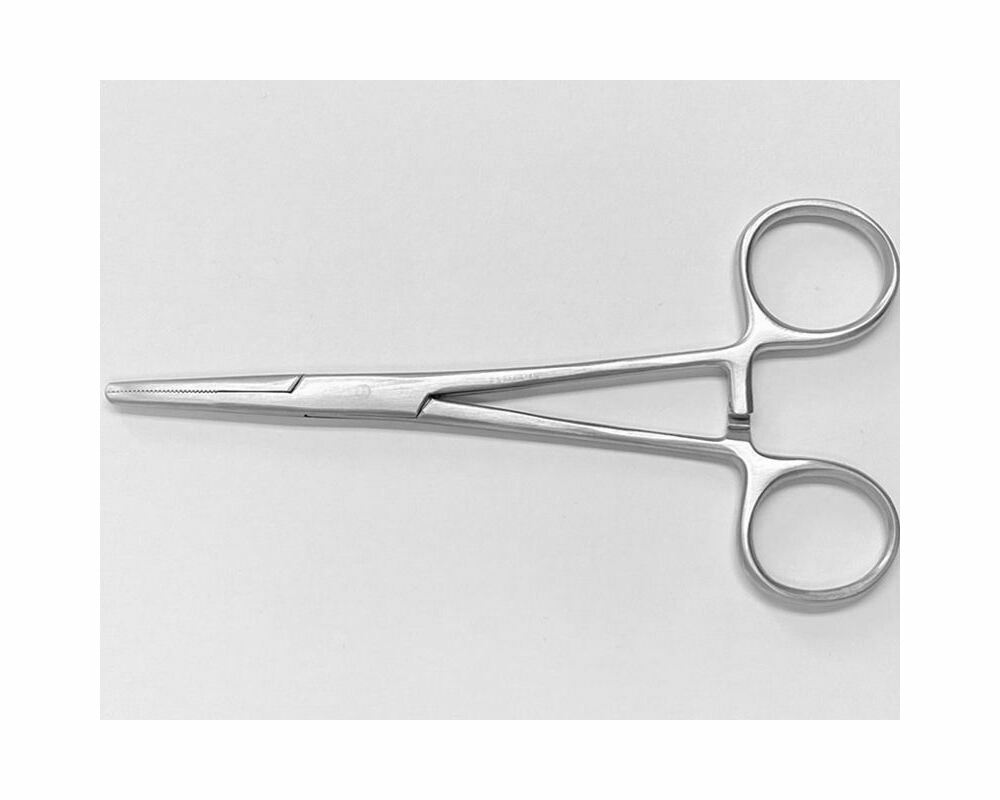 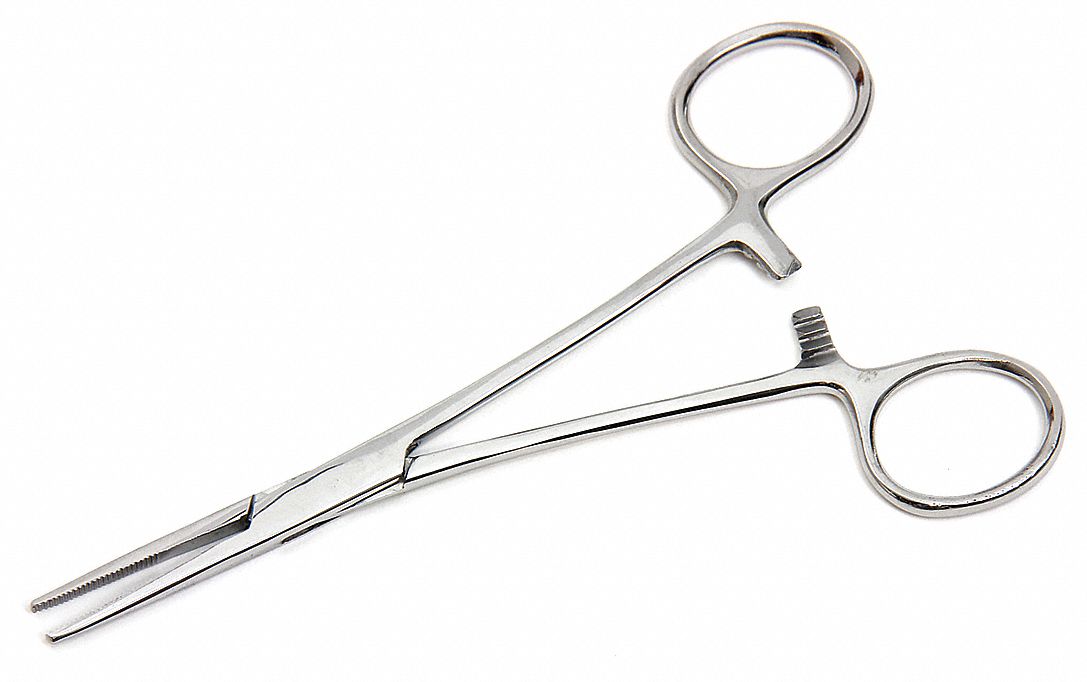 |
- Home
-
Products
- Pig Farming Equipment
- Cattle Farming Equipment
- Sheep & Goat Farming Equipment
- Poultry Farming Equipment
- Feeding & Drinking Systems
- Veterinary & Breeding Equipment
- Testing & Diagnostic Equipment
- Cleaning & Biosecurity Equipment
- Climate Control Equipment
- Livestock Weighing Equipment
- Manure & Waste Management
- Farm Transport & Handling
-
Solutions
- Pig Farm Solutions
- Dairy Farm Solutions
- Beef Cattle Farm Solutions
- Sheep & Goat Farm Solutions
- Layer Farm Solutions
- Broiler Farm Solutions
- Feeding & Drinking System Solutions
- Climate Control Solutions
- Biosecurity & Disinfection Solutions
- Manure & Waste Management
- Smart Farming Solutions
- Farm Renovation and Upgrade Solutions
- Partners
- Projects
- Resources
- News
- About Us
- Contact


Comments & Inquiries
Leave your questions or requirements below. We will reply as soon as possible.