Global Livestock Equipment Manufacturer & Supplier
SHEWUYOU · Livestock Equipment
Integrated Equipment Solutions for Pig, Cattle & Poultry Farms

Electronic Sow Feeding Station

Product Showcase Content
Product Name Electronic Sow Feeding Station
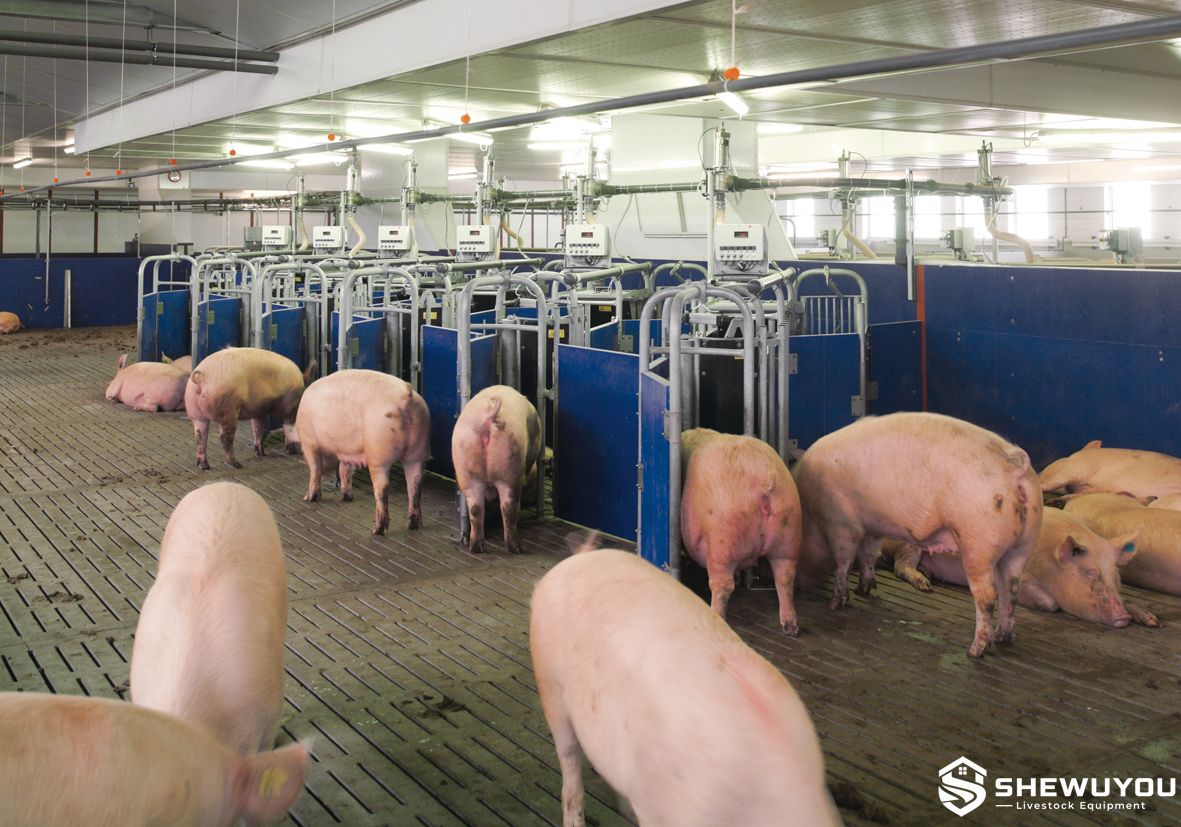
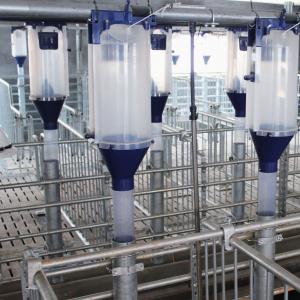
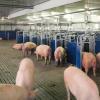
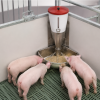
Product Image electronic sow feeding station for group housed sows
Product Overview The Electronic Sow Feeding Station is designed for individual feeding of gestating sows kept in static or dynamic groups. Each sow is electronically identified when entering the protected feeding station, allowing the control system to determine whether feed is available according to her individual feeding curve and production status.

The enclosed feeding area protects the sow from interference while eating, while the controlled entrance and exit arrangement supports smooth animal flow through the group pen. Depending on project configuration, the system can operate with dry or liquid feed and can incorporate sow selection, marking and mineral dosing functions.

The system is suitable for modern commercial sow farms seeking precise feed allocation, electronic animal management and efficient use of group-housing space.
Key Features
  • Individual Sow Feeding: Feed allocation can be adapted to each sow's condition and stage of gestation.
  • Electronic Identification: Compatible systems identify each animal by an electronic ear transponder or RFID tag.
  • Protected Feeding: Solid side partitions allow the sow to eat with less interference from other animals.
  • Static and Dynamic Groups: Suitable for different commercial group-management strategies.
  • Controlled Animal Flow: Separate entrance and optimized exit gates help prevent animals from entering through the exit side.
  • Dry or Liquid Feeding: Feeding configuration can be selected according to project requirements.
  • Computer-Controlled Management: Feed intake, station visits and animal status can be recorded and monitored.
  • Optional Sow Selection: Selected animals can be directed into a separate management area.
  • Optional Colour Marking: Marking devices can identify sows requiring treatment, movement or management attention.
  • Low-Noise Design: Sound-absorbing components can reduce noise around the feeding station.
Structural Components
  • Entrance Gate: Controls sow entry and helps prevent multiple occupancy.
  • Electronic Identification Unit: Reads the sow's transponder before feed is dispensed.
  • Feed Hopper: Stores dry feed or connects with the selected feeding system.
  • Precision Dosing Unit: Dispenses the programmed ration in controlled portions.
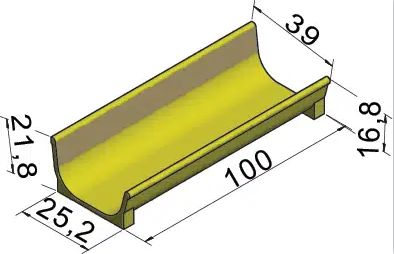
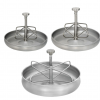
  • Feeding Trough: Available with open configuration or optional trough flap according to system design.
  • Solid Side Panels: Protect the feeding sow and reduce disturbance.
  • Exit Gate System: Directs the sow back into the group or toward an optional selection area.
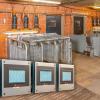
  • Station Controller: Manages identification, feeding entitlement, dosing and optional station functions.
  • Selection Unit: Optional gate system for automatically separating selected animals.
  • Colour Marker: Optional marking equipment for animal management.
Working Principle A sow enters the electronic feeding station from the group pen. The identification system reads her electronic transponder and sends the animal ID to the station controller.

The control system checks the sow's programmed feeding curve, previously consumed ration and remaining daily feed allowance. If feed is available, the dosing unit releases the required quantity into the trough in controlled portions.

Solid side panels protect the sow while she eats. After feeding, the exit gate allows her to leave the station while the entrance arrangement prepares for the next animal.

If an optional selection function is installed, designated sows can be automatically routed to a separate pen for pregnancy checking, treatment, vaccination, breeding management or transfer.
Technical Specifications
Product Type Computer-controlled electronic sow feeding station
Animal Application Gestating sows and gilts in group housing
Reference Capacity Up to approximately 70 sows per station, subject to local regulations and farm management conditions
Group Management Static or dynamic groups
Animal Identification Electronic transponder / RFID according to system configuration
Feeding Method Individual computer-controlled feeding
Feed Type Dry feed or liquid feed according to project configuration
Feed Recipes Up to two feed types in comparable reference configurations
Mineral Dosing Optional separate mineral dosing device
Trough Configuration With or without trough flap
Selection Function Optional automatic sow selection
Colour Marking Up to two optional colour markers in comparable reference systems
Controller Touchscreen station controller or centralized farm-management system
Dimensions According to project requirements and selected station configuration
Applications
  • Group-housed gestating sows
  • Dynamic sow groups
  • Static gestation groups
  • Pregnant gilt management
  • Large commercial sow farms
  • Electronic sow management systems
  • Automatic dry or liquid feeding projects
  • New steel-structure sow houses
  • Existing gestation-barn renovation
  • Smart livestock and precision-feeding projects
Customization Options
  • Dry or liquid feeding configuration
  • Number of sows per station
  • Electronic identification system
  • Individual feeding curves
  • Single or multiple feed recipes
  • Mineral dosing unit
  • Trough flap configuration
  • Automatic selection gate
  • One or two colour marking systems
  • Water addition to feed
  • Station controller and touchscreen
  • Centralized farm-management software
  • Penning and resting-area layout
  • Partially slatted floor or straw-bedded housing integration
Final station configuration can be designed according to sow numbers, feeding strategy, barn layout, flooring system and project requirements.
Installation & Maintenance Installation:
  • Determine station quantity according to total sow numbers, expected station capacity and local welfare requirements.
  • Plan clear entrance and exit zones to support smooth animal movement.
  • Provide sufficient resting, activity and circulation areas within the group pen.
  • Secure the feeding station to the approved concrete or structural floor.
  • Connect the dry or liquid feed supply according to system design.
  • Install electronic identification, station controller, sensors and optional selection equipment.
  • Program individual feeding curves and test identification and dosing before commissioning.
  • Train replacement gilts before introducing them into larger gestation groups where practical.
Maintenance:
  • Inspect entrance and exit gates for unrestricted movement.
  • Clean the trough and feed-dosing components regularly.
  • Check transponder identification and antenna performance.
  • Inspect sensors, actuators and electrical connections according to the maintenance schedule.
  • Keep controller housings protected from moisture and aggressive barn conditions.
  • Review sow visit and feed-consumption data for abnormal patterns.
  • Inspect optional selection and marking equipment periodically.
  • Back up feeding and animal-management data according to farm procedures.
Project Cases Comparable electronic sow feeding systems are widely used in large commercial gestation farms. A documented European project commissioned in Romania uses 24 electronic sow feeding stations for group-housed pregnant sows within a farm operating approximately 1,500 productive sows.

Other documented commercial installations integrate electronic sow feeding with centralized feed transport, large group pens, protected resting zones and automated sow-management functions.
Product FAQ

Q: What is an electronic sow feeding station?
A: It is a computer-controlled feeding station that identifies individual sows and dispenses feed according to each animal's programmed ration.

Q: How is each sow identified?
A: Compatible systems use an electronic transponder or RFID ear tag that is read automatically when the sow enters the station.

Q: How many sows can one station serve?
A: The referenced CallMatic 3 Pro system is designed for groups of up to approximately 70 sows per station, subject to country-specific requirements and farm conditions.

Q: Can the system feed each sow differently?
A: Yes. Individual feeding curves allow the ration to be adjusted according to body condition, gestation stage and production management.

Q: Can it be used with both static and dynamic groups?
A: Yes. Electronic sow feeding stations can be configured for both group-management strategies.

Q: Is dry feeding the only option?
A: No. Compatible station systems can be configured for dry or liquid feeding according to project requirements.

Q: Can selected sows be separated automatically?
A: Yes. An optional selection unit can route designated animals to a separate management pen.

Q: Can the system monitor feed intake?
A: Yes. The control system can record visits and feed consumption, helping farm managers identify animals requiring attention.

Q: What information is required for quotation?
A: Recommended information includes total sow inventory, sows per group, static or dynamic management, feed type, floor system, pen dimensions, required identification and selection functions, and project drawings.

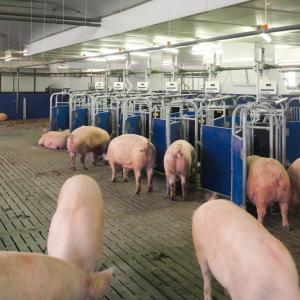
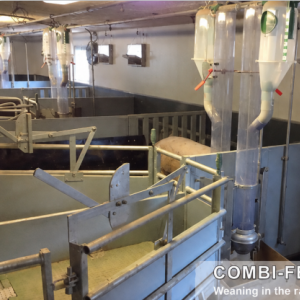
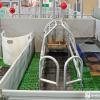
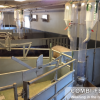
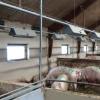
Product Gallery electronic sow feeding stations in commercial gestation barn

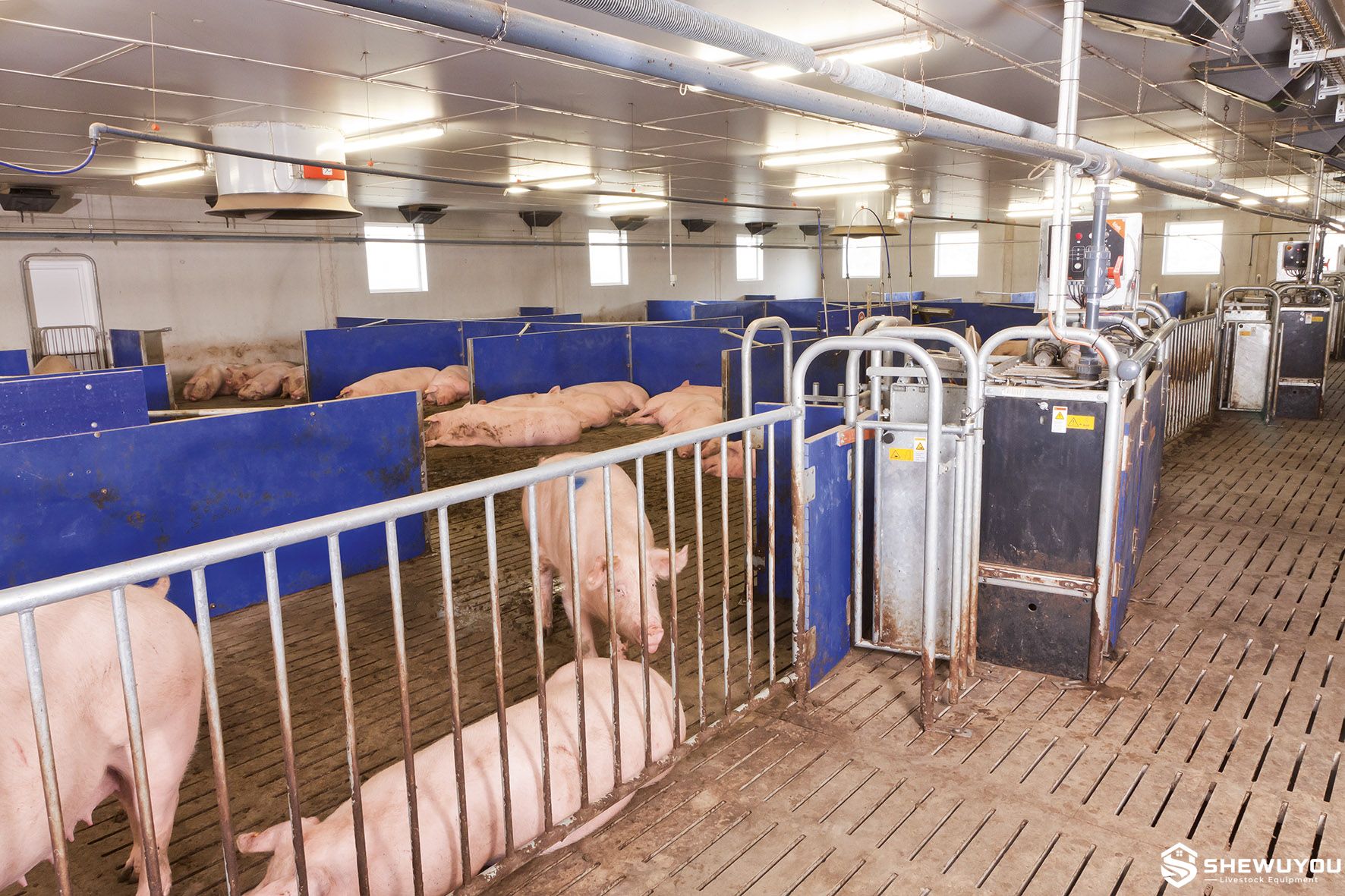
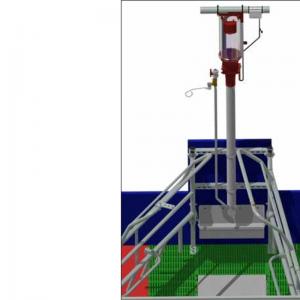
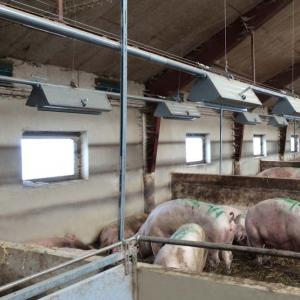
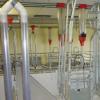
electronic sow feeding system for group housed gestating sows

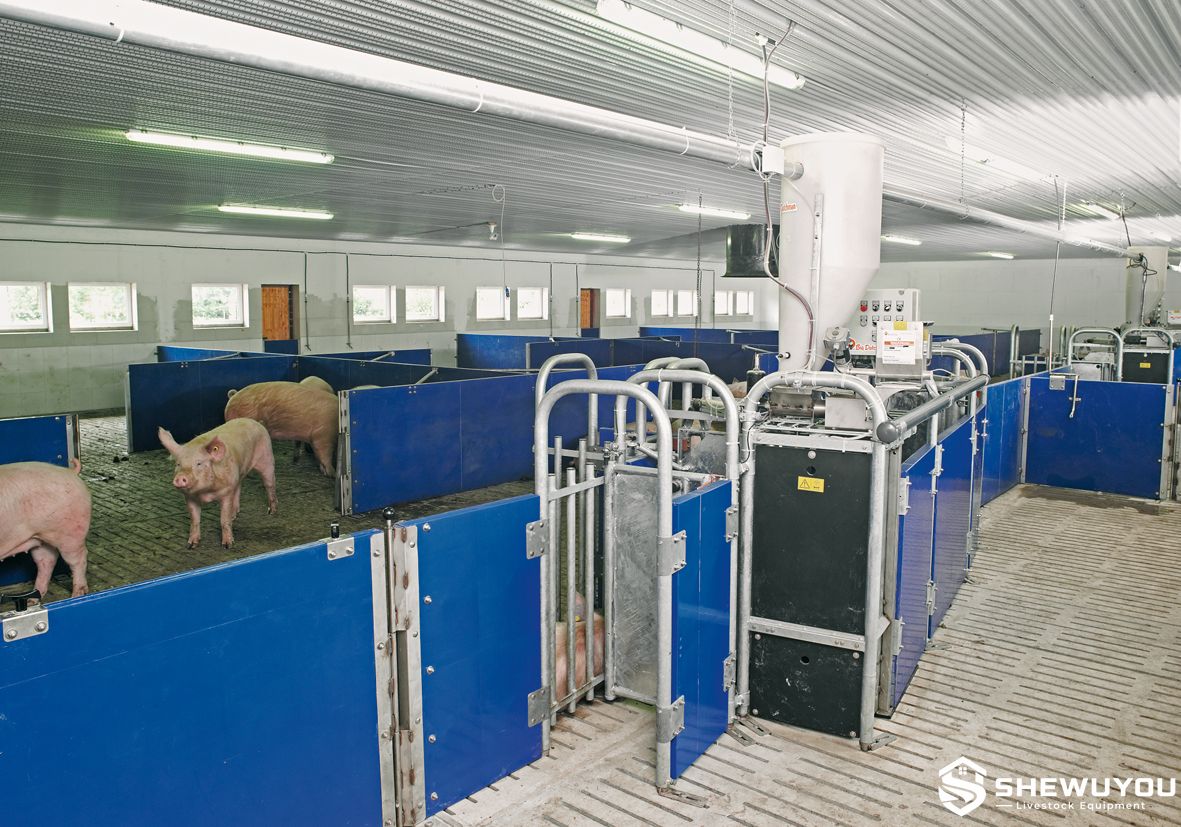
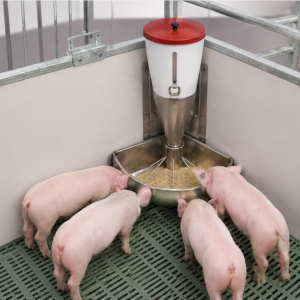
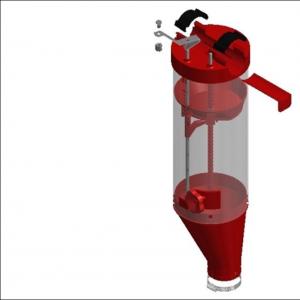
automatic electronic sow feeding station with feed hopper

Comments & Inquiries

Leave your questions or requirements below. We will reply as soon as possible.