
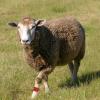

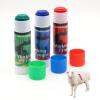
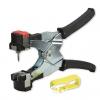

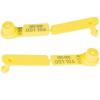
| Product Name | Sheep Tissue Sampling Ear Tag | ||||||||||||||||||||||
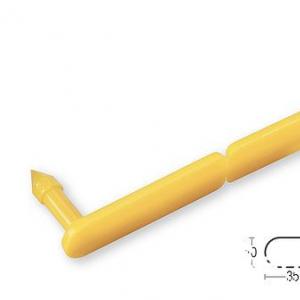
| Product Image | 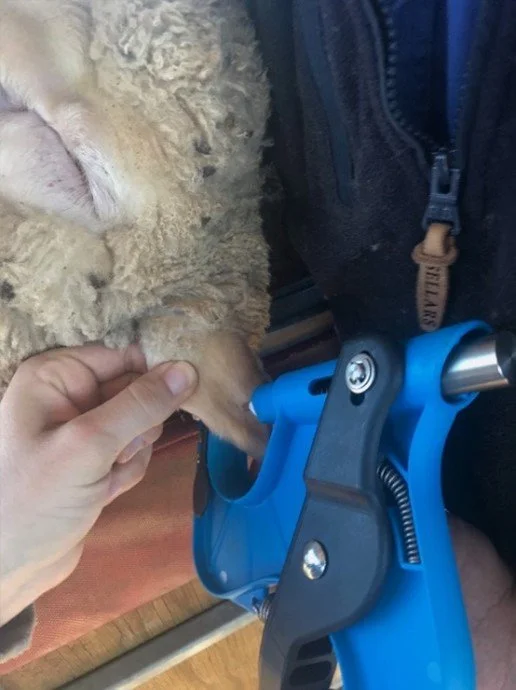 |
||||||||||||||||||||||
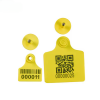
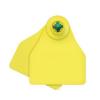
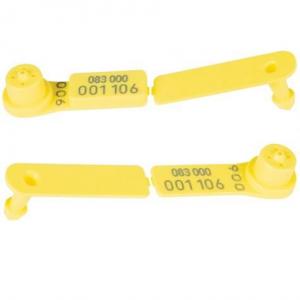
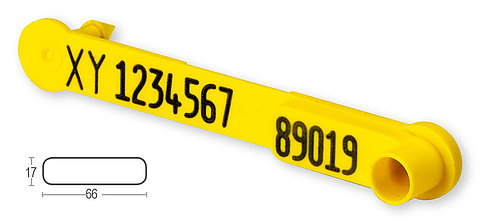
| Product Overview | The Sheep Tissue Sampling Ear Tag is a professional livestock identification solution that combines permanent animal tagging with collection of an ear-tissue sample during the same application process. This integrated approach helps establish a direct link between the identified goat-farming-equipment/" target="_blank" class="keylink">sheep and its biological sample, simplifying DNA-based breeding, parentage verification and flock traceability programs. Designed for commercial sheep and goat farms, breeding companies, genetics programs, veterinary organizations and agricultural research projects, the system can reduce additional animal handling compared with separate identification and tissue collection procedures. The collected sample can be transferred to laboratory workflows for genetic or diagnostic analysis according to the testing program. |
||||||||||||||||||||||
| Key Features |
|
||||||||||||||||||||||
| Structural Components |
|
||||||||||||||||||||||
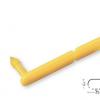
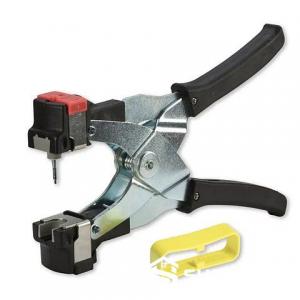
| Working Principle | The male tag, female tag and tissue collection component are loaded into the compatible applicator according to the system configuration. After the sheep is safely restrained, the applicator is positioned on an appropriate area of the ear away from major blood vessels. When the applicator is closed, the piercing and cutting components pass through the ear tissue. The ear tag locks into position while a small tissue sample is simultaneously transferred into the corresponding collection tube. The sample can then be removed from the applicator, identified and prepared for transport to the laboratory. This combined procedure helps minimize separate handling steps and supports accurate sample-to-animal traceability throughout breeding, testing and flock management workflows. |
||||||||||||||||||||||
| Technical Specifications |
|
||||||||||||||||||||||
| Applications |
|
||||||||||||||||||||||
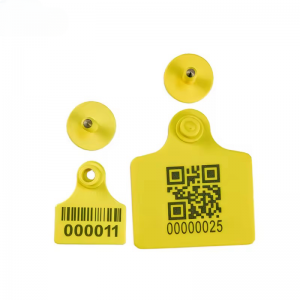
| Customization Options | Ear tag color, visible numbering, sequential coding, barcode format, sample identification system, packaging quantity and matching records can be customized according to project requirements. Different preservation systems and sample tube configurations are available upon request. Identification programs can also be configured according to flock size, breeding management procedures, laboratory requirements and applicable local livestock identification regulations. |
||||||||||||||||||||||
| Installation & Maintenance | Before application, confirm that the ear tag, tissue collection tube and animal identification records correspond correctly. Load the components into the compatible applicator and safely restrain the sheep before positioning the tool on the ear. Avoid major blood vessels and excessively thick areas of the ear. Close the applicator completely to ensure correct tag locking and tissue collection. After sampling, check that the specimen is present in the collection tube and store or transport it according to the requirements of the selected laboratory and preservation system. Keep the applicator clean and inspect the jaws, alignment components and moving parts regularly. Disposable sampling components should not be reused. |
||||||||||||||||||||||
| Project Cases | Sheep tissue sampling ear tags can be supplied for commercial breeding farms, genetics companies, flock improvement programs and livestock research projects. For large operations, sequential identification sets can be prepared to match farm databases and laboratory sampling workflows. The system can also be supplied together with visual ear tags, electronic identification equipment, applicators, RFID readers, weighing systems and sheep handling equipment as part of an integrated livestock identification and data-management project. |
||||||||||||||||||||||
| Product FAQ | Q: What is the main advantage of a tissue sampling ear tag? A: It allows animal identification and collection of an ear-tissue sample during the same handling operation, helping simplify sample management and improve animal-to-sample traceability. Q: What can the collected tissue be used for? A: Depending on the laboratory and testing program, samples can be used for DNA genotyping, parentage verification, genetic screening, breeding analysis and other compatible laboratory applications. Q: Is the system suitable for both sheep and goats? A: Yes. Suitable configurations are designed for sheep and goat identification and tissue sampling. Q: Does the sample need a preservative? A: Collection systems can be supplied with dry or liquid preservation configurations. The correct option should be selected according to laboratory requirements. Q: Is a special applicator required? A: A compatible applicator is required to align the ear tag and sampling components correctly during application. Q: Can identification numbers be customized? A: Yes. Sequential numbers, project-specific codes and other identification formats can be supplied according to order requirements. Q: Can the product be combined with electronic identification? A: Tissue sampling programs can be integrated with electronic identification and livestock data-management systems according to project requirements. |
||||||||||||||||||||||
| Product Gallery | 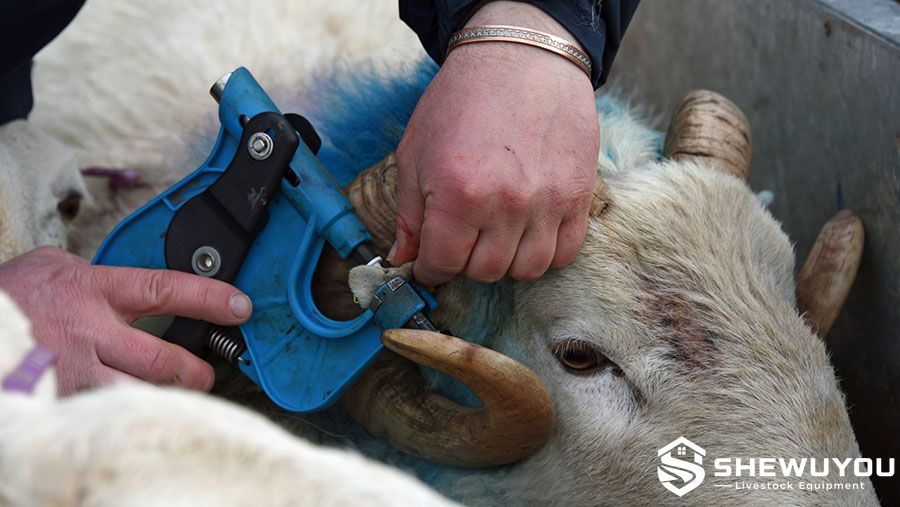 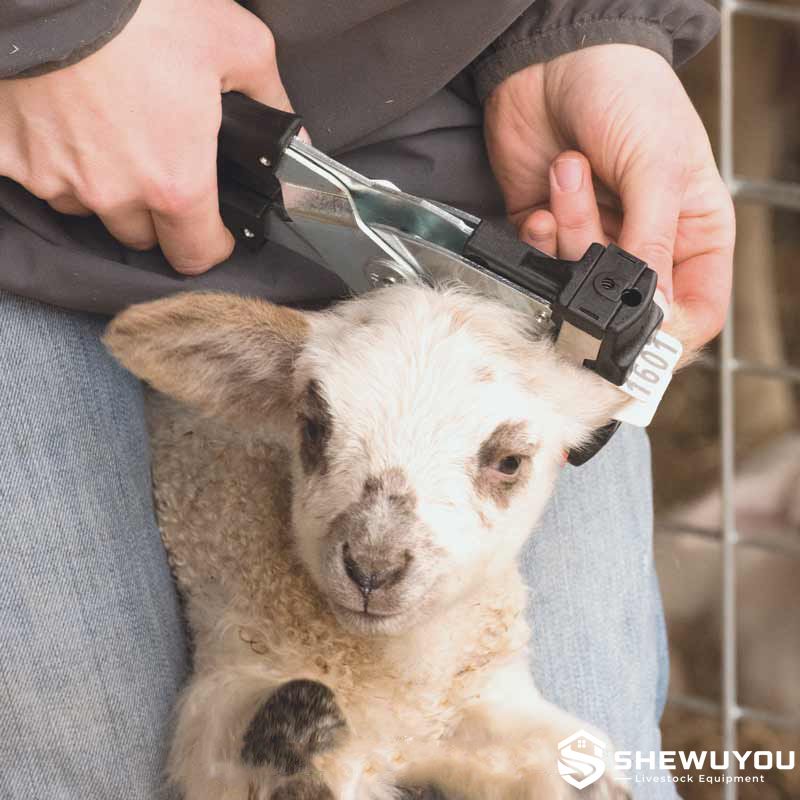 |
- Home
-
Products
- Pig Farming Equipment
- Cattle Farming Equipment
- Sheep & Goat Farming Equipment
- Poultry Farming Equipment
- Feeding & Drinking Systems
- Veterinary & Breeding Equipment
- Testing & Diagnostic Equipment
- Cleaning & Biosecurity Equipment
- Climate Control Equipment
- Livestock Weighing Equipment
- Manure & Waste Management
- Farm Transport & Handling
-
Solutions
- Pig Farm Solutions
- Dairy Farm Solutions
- Beef Cattle Farm Solutions
- Sheep & Goat Farm Solutions
- Layer Farm Solutions
- Broiler Farm Solutions
- Feeding & Drinking System Solutions
- Climate Control Solutions
- Biosecurity & Disinfection Solutions
- Manure & Waste Management
- Smart Farming Solutions
- Farm Renovation and Upgrade Solutions
- Partners
- Projects
- Resources
- News
- About Us
- Contact

Comments & Inquiries
Leave your questions or requirements below. We will reply as soon as possible.