

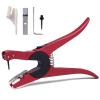
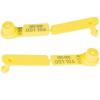
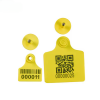
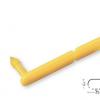
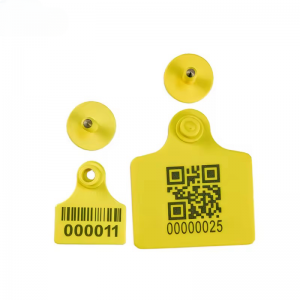
| Product Name | RFID Electronic Sheep Ear Tag | ||||||||||||||||||||||||
| Product Image | 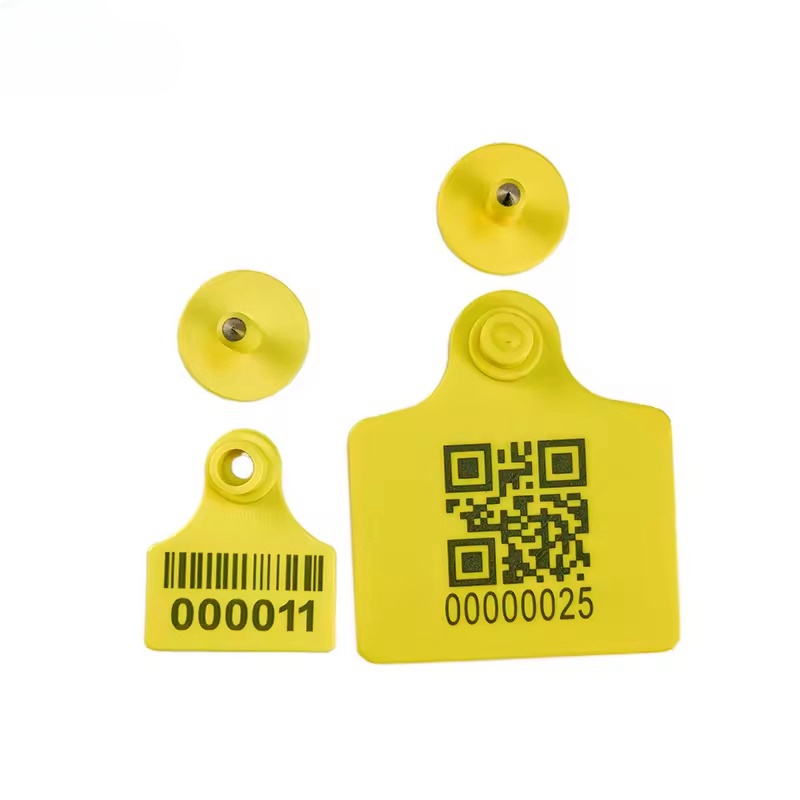 |
||||||||||||||||||||||||
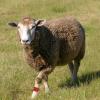
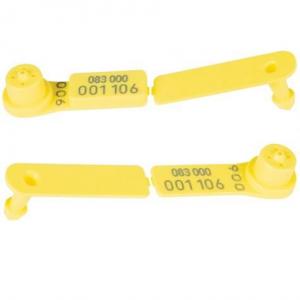
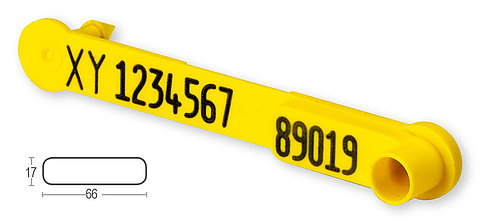
| Product Overview | The RFID Electronic Sheep Ear Tag is designed for permanent individual livestock identification and digital flock management in goat-farming-equipment/" target="_blank" class="keylink">sheep and goat production systems. An integrated passive RFID transponder stores a unique electronic identification code that can be detected by a compatible handheld or fixed reader without direct visual contact. The reference-type electronic tag uses FDX-B technology and can be combined with different male tag components. It is also suitable for use together with a visual identification tag when dual electronic and visual identification is required. The compact design is well suited to commercial sheep farms, breeding operations, livestock markets, veterinary management and automated data collection systems. |
||||||||||||||||||||||||
| Key Features |
|
||||||||||||||||||||||||
| Structural Components |
|
||||||||||||||||||||||||
| Working Principle | The electronic ear tag contains a passive RFID transponder. When the animal enters the reading field of a compatible RFID reader, the reader generates a low-frequency electromagnetic field that energizes the transponder. The tag then transmits its stored identification code back to the reader. The identification number can be linked with flock management software or other farm databases to record information such as animal origin, breeding history, weight, health treatment, vaccination, movement and production data. FDX-B animal identification systems commonly operate at an activation frequency of 134.2 kHz under ISO 11784/11785 livestock RFID principles. |
||||||||||||||||||||||||
| Technical Specifications |
|
||||||||||||||||||||||||
| Applications |
|
||||||||||||||||||||||||
| Customization Options | Ear tag color, visible numbering, barcode, QR code, male tag configuration, packaging and identification sequence can be customized according to project requirements. Electronic and visual identification combinations are available upon request. Tag numbering and technical configuration should be selected according to national animal identification regulations, farm management software and reader compatibility requirements. |
||||||||||||||||||||||||
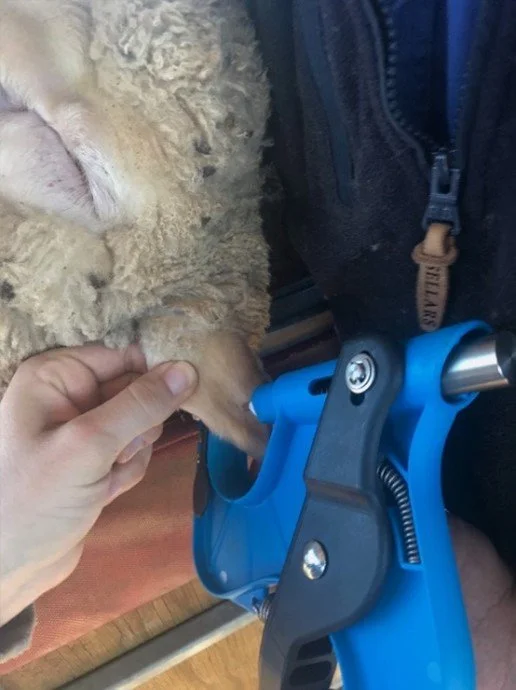
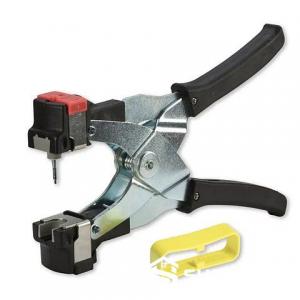
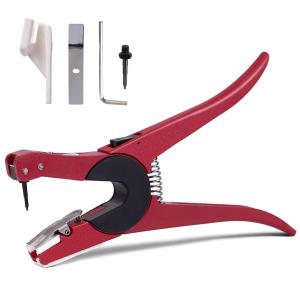
| Installation & Maintenance | Select a compatible ear tag applicator and install the male and female components according to the required orientation. The application point should be selected in a suitable area of the ear while avoiding major blood vessels and excessive proximity to the ear edge. After tagging, verify that the tag is securely locked and confirm the electronic identification number with a compatible RFID reader. Routine flock inspections should include checking tag retention and ear condition. RFID readers, antennas and farm management software should also be tested periodically to maintain reliable data collection. |
||||||||||||||||||||||||
| Project Cases | RFID sheep ear tags can be integrated into complete digital livestock management projects together with electronic readers, weighing indicators, load cells, automatic drafting gates and sheep handling races. This enables farms to capture individual animal identification during routine weighing, sorting and treatment operations with less manual data entry. | ||||||||||||||||||||||||
| Product FAQ | Q: Does the RFID ear tag need a battery? A: No. FDX-B livestock ear tags are passive transponders and receive operating energy from the RFID reader field. Q: What is the purpose of an electronic sheep ear tag? A: It provides a unique machine-readable identification number that can be linked to individual animal records for traceability and flock management. Q: Can the tag be read without seeing the printed number? A: Yes. A compatible RFID reader can electronically detect the transponder within its effective reading range. Q: Can electronic and visual identification be used together? A: Yes. The electronic tag can be combined with a compatible visual ear tag when identification in both ears or dual identification is required. Q: Can it connect with automatic sheep weighing equipment? A: Yes. With compatible readers and management software, RFID identification can be integrated with weighing, drafting and livestock handling systems. Q: Can custom identification numbers be supplied? A: Yes. Numbering and visible marking options can be configured according to project requirements, subject to applicable livestock identification regulations. |
||||||||||||||||||||||||
| Product Gallery |  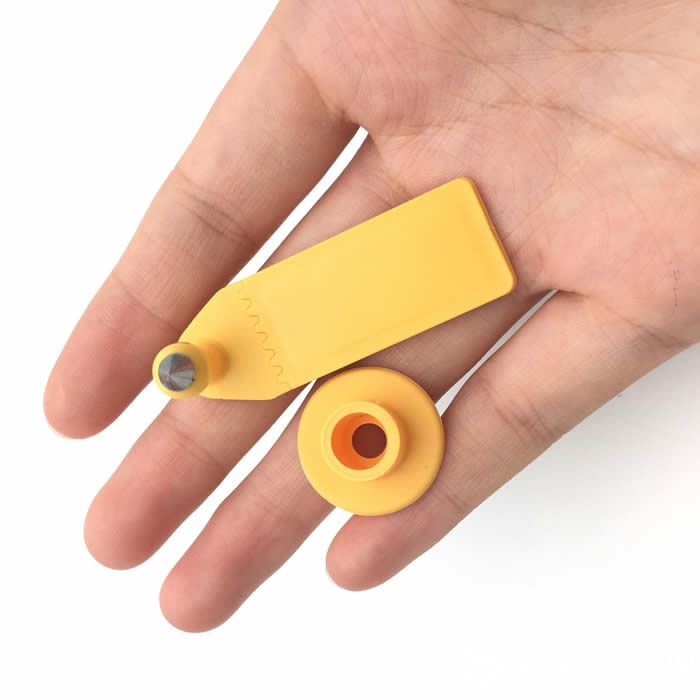 |
- Home
-
Products
- Pig Farming Equipment
- Cattle Farming Equipment
- Sheep & Goat Farming Equipment
- Poultry Farming Equipment
- Feeding & Drinking Systems
- Veterinary & Breeding Equipment
- Testing & Diagnostic Equipment
- Cleaning & Biosecurity Equipment
- Climate Control Equipment
- Livestock Weighing Equipment
- Manure & Waste Management
- Farm Transport & Handling
-
Solutions
- Pig Farm Solutions
- Dairy Farm Solutions
- Beef Cattle Farm Solutions
- Sheep & Goat Farm Solutions
- Layer Farm Solutions
- Broiler Farm Solutions
- Feeding & Drinking System Solutions
- Climate Control Solutions
- Biosecurity & Disinfection Solutions
- Manure & Waste Management
- Smart Farming Solutions
- Farm Renovation and Upgrade Solutions
- Partners
- Projects
- Resources
- News
- About Us
- Contact

Comments & Inquiries
Leave your questions or requirements below. We will reply as soon as possible.