



| Product Name | Bi-Carb Mineral Feeder for Cattle | ||||||||||||||||||||||
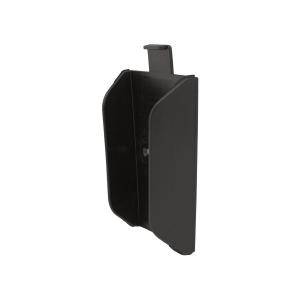
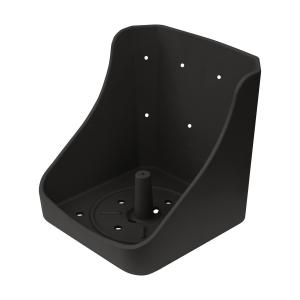
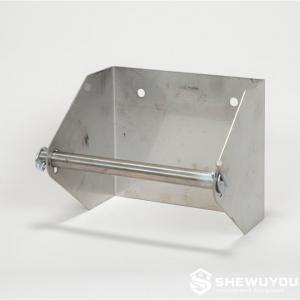
| Product Image | 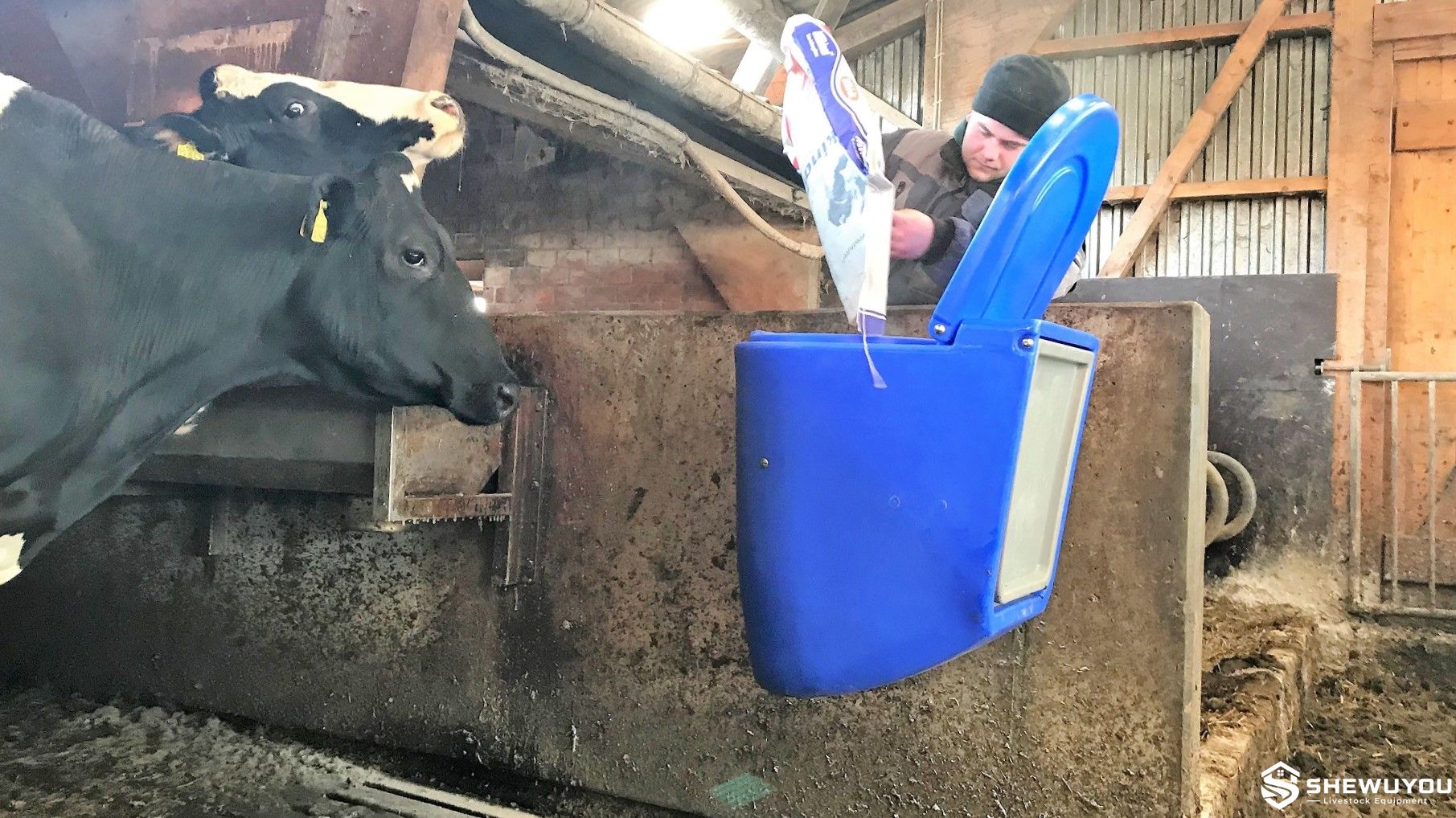 |
||||||||||||||||||||||
| Product Overview |
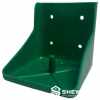
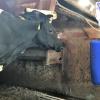
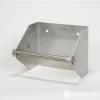
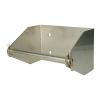
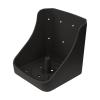
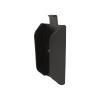
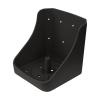
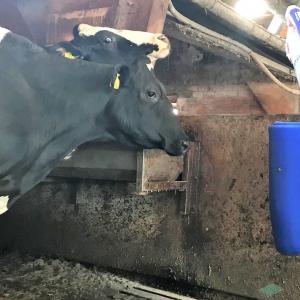
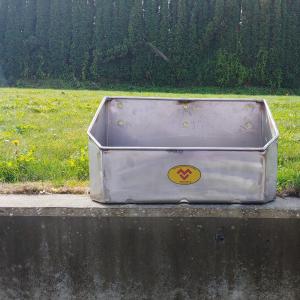
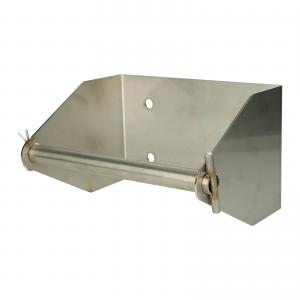
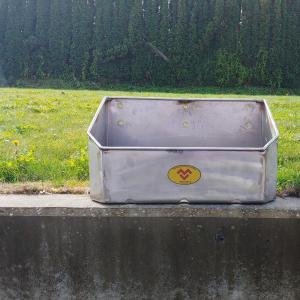
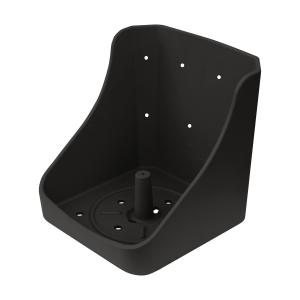
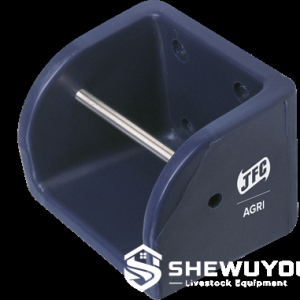
The Bi-Carb Mineral Feeder for Cattle is designed for controlled free-choice presentation of sodium bicarbonate, fodder salt and compatible loose mineral supplements in dairy and beef cattle facilities. Unlike an open mineral pan placed directly on the barn floor, the elevated feeder configuration helps reduce contamination from manure, moisture and routine barn traffic. A protected hopper and feeding opening keep most of the supplement enclosed while allowing cattle convenient access when required. The compact mounting arrangement makes the feeder suitable for commercial free-stall barns, transition-cow areas, heifer housing, cattle pens and other livestock buildings where floor space, manure handling and equipment circulation must be carefully managed. |
||||||||||||||||||||||
| Key Features |
|
||||||||||||||||||||||
| Structural Components |
|
||||||||||||||||||||||
| Working Principle / Structural Principle |
Loose supplement is loaded into the upper hopper. As cattle consume material from the lower feeding section, additional supplement moves downward into the accessible feeding area. This gravity-assisted arrangement keeps most of the material stored inside the protected feeder body rather than exposed in an open floor trough. The feeder is intended for free-choice supplementation where the livestock nutrition program permits cattle to access suitable mineral products such as sodium bicarbonate or fodder salt. The type and quantity of supplement should always be determined by the farm's nutrition management program. |
||||||||||||||||||||||
| Technical Specifications |
Final dimensions, hopper capacity, mounting height, material specification and feeder configuration should be confirmed before production. |
||||||||||||||||||||||
| Applications |
|
||||||||||||||||||||||
| Customization Options |
The feeder can be adapted to different cattle barn layouts, management systems and international livestock projects. Available customization may include:
Final configuration can be designed according to local climate, cattle breed, livestock building structure and farm management conditions. |
||||||||||||||||||||||
| Installation & Maintenance |
Installation Location: Select an accessible area with regular cattle traffic while avoiding interference with feed delivery equipment, manure scrapers, gates and livestock circulation routes. Wall Installation: The feeder can be fixed to a structurally suitable concrete wall or half-wall using a reinforced bracket and appropriate anchors. Rail Installation: For cattle partitions or steel rails, suitable U-bolts or project-specific mounting hardware can be used without compromising the strength of the supporting livestock structure. Mounting Height: Installation height should be selected according to cattle size, feeding posture and the specific barn layout. Routine Cleaning: Remove damp, compacted or contaminated supplement and clean the feeding compartment before replenishment when necessary. Inspection: Periodically inspect brackets, fasteners, protective frames, lids and flaps for wear or loosening caused by repeated livestock contact. |
||||||||||||||||||||||
| Project Cases |
Bi-carb mineral feeders can be integrated into complete cattle housing projects together with free stalls, headlocks, feed barriers, drinking systems, cattle gates, manure scraping systems and steel structure livestock buildings. For large dairy projects, feeder locations can be coordinated with water troughs, concrete partitions and animal traffic routes to improve accessibility without reducing effective barn space. |
||||||||||||||||||||||
| Product FAQ |
Q1: What can be placed in a bi-carb mineral feeder? The feeder is intended for suitable free-choice supplements such as sodium bicarbonate, fodder salt and compatible loose mineral feed. Actual supplement selection should follow the farm nutrition program. Q2: Why use an elevated mineral feeder instead of an open floor trough? An elevated protected feeder helps reduce contamination from manure, urine, wash water and routine barn traffic while also keeping manure scraping routes clearer. Q3: Can the feeder be mounted near a water trough? Yes. A concrete half-wall or suitable structural support near a drinking station can provide a practical installation position where cattle traffic and refilling access are convenient. Q4: Can it be fixed to steel cattle rails? Yes. Rail-mounted configurations can be supplied with customized brackets or U-bolt arrangements according to the rail dimensions and structural requirements. Q5: Is the feeder suitable for outdoor use? Outdoor configurations are available. Material selection, lid design and mounting details should be designed according to local climate and farm conditions. Q6: Can the capacity and dimensions be customized? Yes. Hopper capacity, dimensions, mounting arrangement, protective frame and feeding opening can be customized according to project requirements. Q7: Is it suitable for commercial dairy farms? Yes. The compact elevated configuration is particularly suitable for commercial cattle housing where hygiene, equipment circulation and efficient use of barn space are important. |
||||||||||||||||||||||
| Product Gallery |   |
- Home
-
Products
- Pig Farming Equipment
- Cattle Farming Equipment
- Sheep & Goat Farming Equipment
- Poultry Farming Equipment
- Feeding & Drinking Systems
- Veterinary & Breeding Equipment
- Testing & Diagnostic Equipment
- Cleaning & Biosecurity Equipment
- Climate Control Equipment
- Livestock Weighing Equipment
- Manure & Waste Management
- Farm Transport & Handling
-
Solutions
- Pig Farm Solutions
- Dairy Farm Solutions
- Beef Cattle Farm Solutions
- Sheep & Goat Farm Solutions
- Layer Farm Solutions
- Broiler Farm Solutions
- Feeding & Drinking System Solutions
- Climate Control Solutions
- Biosecurity & Disinfection Solutions
- Manure & Waste Management
- Smart Farming Solutions
- Farm Renovation and Upgrade Solutions
- Partners
- Projects
- Resources
- News
- About Us
- Contact

Comments & Inquiries
Leave your questions or requirements below. We will reply as soon as possible.