


| Product Showcase | Content | ||||||||||||||||||
| Product Name | Milk Transfer Hose | ||||||||||||||||||
| Product Image | 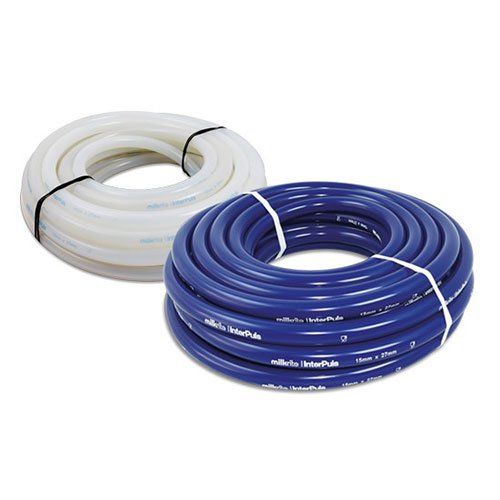 |
||||||||||||||||||
| Product Overview |
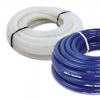
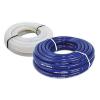
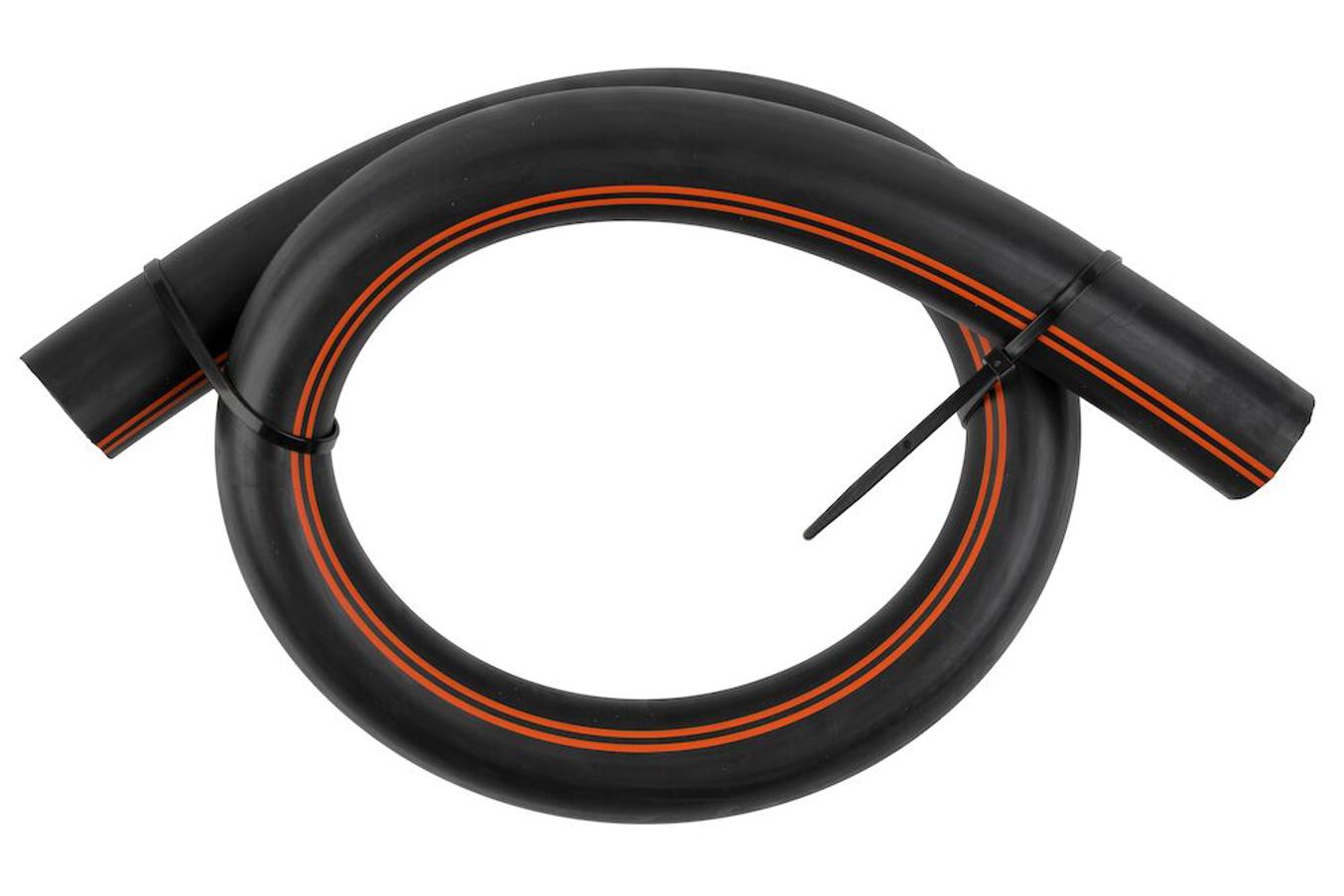
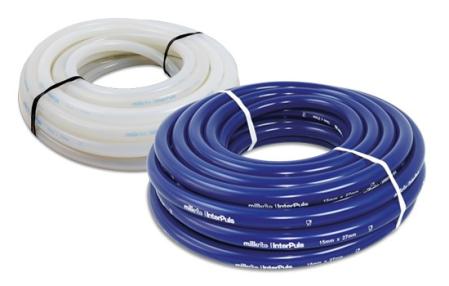
The Milk Transfer Hose is a flexible fluid-transfer component used to convey milk between the milking cluster, milk line, receiver, collection vessel or other compatible dairy equipment. Depending on the selected material, the hose can be manufactured from food-grade silicone, rubber or other suitable dairy tubing materials. Smooth internal surfaces help support hygienic milk handling and efficient cleaning. The hose is suitable for new dairy farm projects, milking parlour upgrades, equipment replacement and spare-parts supply programs. Material, diameter and length can be selected according to the complete milking system. |
||||||||||||||||||
| Key Features |
|
||||||||||||||||||
| Structural Components |
The exact construction depends on the selected hose type and operating conditions. Material and reinforcement options are available according to project requirements. |
||||||||||||||||||
| Working Principle / Structural Principle |
Milk flows through the smooth internal bore of the hose under the vacuum and flow conditions generated by the milking system. The flexible hose provides a continuous connection between compatible dairy equipment while allowing practical movement and routing. For vacuum-assisted milking systems, the hose construction must maintain its intended shape and connection integrity under operating vacuum. The selected inside diameter, wall construction and length should match the equipment manufacturer's requirements. |
||||||||||||||||||
| Technical Specifications |
Exact dimensions, temperature range, pressure or vacuum rating and applicable certifications are available upon request and should be confirmed according to the selected hose construction. |
||||||||||||||||||
| Applications |
|
||||||||||||||||||
| Customization Options |
For replacement orders, customers can provide the existing hose dimensions, equipment model, connection type or technical drawing to support product matching. |
||||||||||||||||||
| Installation & Maintenance |
Installation: Select a hose with the correct internal diameter and construction for the milking equipment. Cut the hose cleanly to the required length and install it onto compatible sanitary fittings or connectors using suitable clamps. Routing: Avoid excessive bending, sharp edges, twisting and unnecessary mechanical stress. Maintain an appropriate bend radius according to the selected hose construction. Cleaning: Follow the dairy equipment manufacturer's approved cleaning and sanitation procedure. Use cleaning chemicals, water temperature and circulation conditions suitable for the selected hose material. Inspection: Regularly check for discoloration, cracking, abrasion, deformation, surface damage, leakage or loss of flexibility. Replace the hose when its condition may affect milk hygiene or system performance. |
||||||||||||||||||
| Project Cases |
The Milk Transfer Hose can be supplied as an individual replacement part or as part of a complete dairy milking equipment package. For commercial dairy farm construction and renovation projects, hose dimensions and connection arrangements can be coordinated with the milk line, milking cluster, receiver and collection equipment. For distributors and agricultural engineering companies, standardized hose sizes and customized cut lengths can support regular spare-parts inventory and multi-site dairy farm maintenance programs. |
||||||||||||||||||
| Product FAQ |
Q1. What is a milk transfer hose used for?
It transfers milk between compatible components of a dairy milking or milk collection system. Q2. What material is suitable for milk transfer?
Food-grade silicone and suitable dairy-grade rubber are commonly used. The final material should be selected according to the application, cleaning process and required compliance. Q3. Can the hose be customized?
Yes. Diameter, length, material, color and packaging can be customized according to project requirements. Q4. Can the hose be used with an existing milking machine?
Yes, provided the inside diameter, connection method, operating vacuum and material are compatible with the existing equipment. Q5. How often should a milk hose be replaced?
Replacement intervals depend on material, cleaning frequency, operating conditions and actual hose condition. Regular inspection is recommended. Q6. Can you supply bulk or OEM orders?
Yes. Bulk rolls, specified cut lengths, customized packaging and OEM/private-label supply are available upon request. |
||||||||||||||||||
| Product Gallery |
 |
- Home
-
Products
- Pig Farming Equipment
- Cattle Farming Equipment
- Sheep & Goat Farming Equipment
- Poultry Farming Equipment
- Feeding & Drinking Systems
- Veterinary & Breeding Equipment
- Testing & Diagnostic Equipment
- Cleaning & Biosecurity Equipment
- Climate Control Equipment
- Livestock Weighing Equipment
- Manure & Waste Management
- Farm Transport & Handling
-
Solutions
- Pig Farm Solutions
- Dairy Farm Solutions
- Beef Cattle Farm Solutions
- Sheep & Goat Farm Solutions
- Layer Farm Solutions
- Broiler Farm Solutions
- Feeding & Drinking System Solutions
- Climate Control Solutions
- Biosecurity & Disinfection Solutions
- Manure & Waste Management
- Smart Farming Solutions
- Farm Renovation and Upgrade Solutions
- Partners
- Projects
- Resources
- News
- About Us
- Contact
Comments & Inquiries
Leave your questions or requirements below. We will reply as soon as possible.