


| Product Showcase | Content | ||||||||||||||||||||
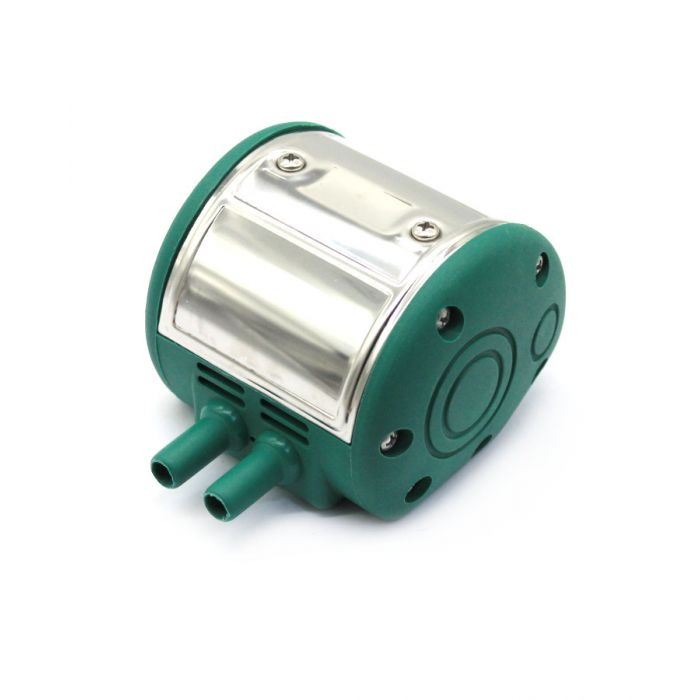
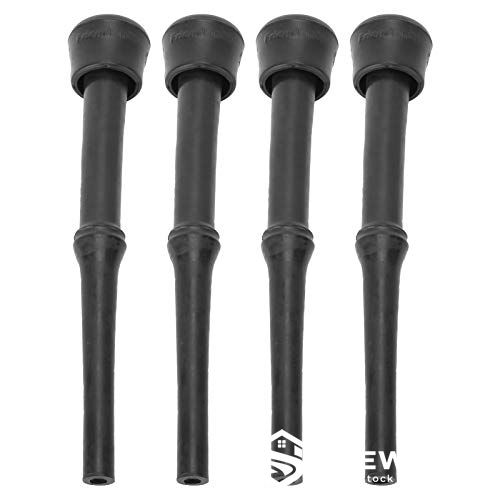
| Product Name | Cow Milking Teat Cup | ||||||||||||||||||||
| Product Image | 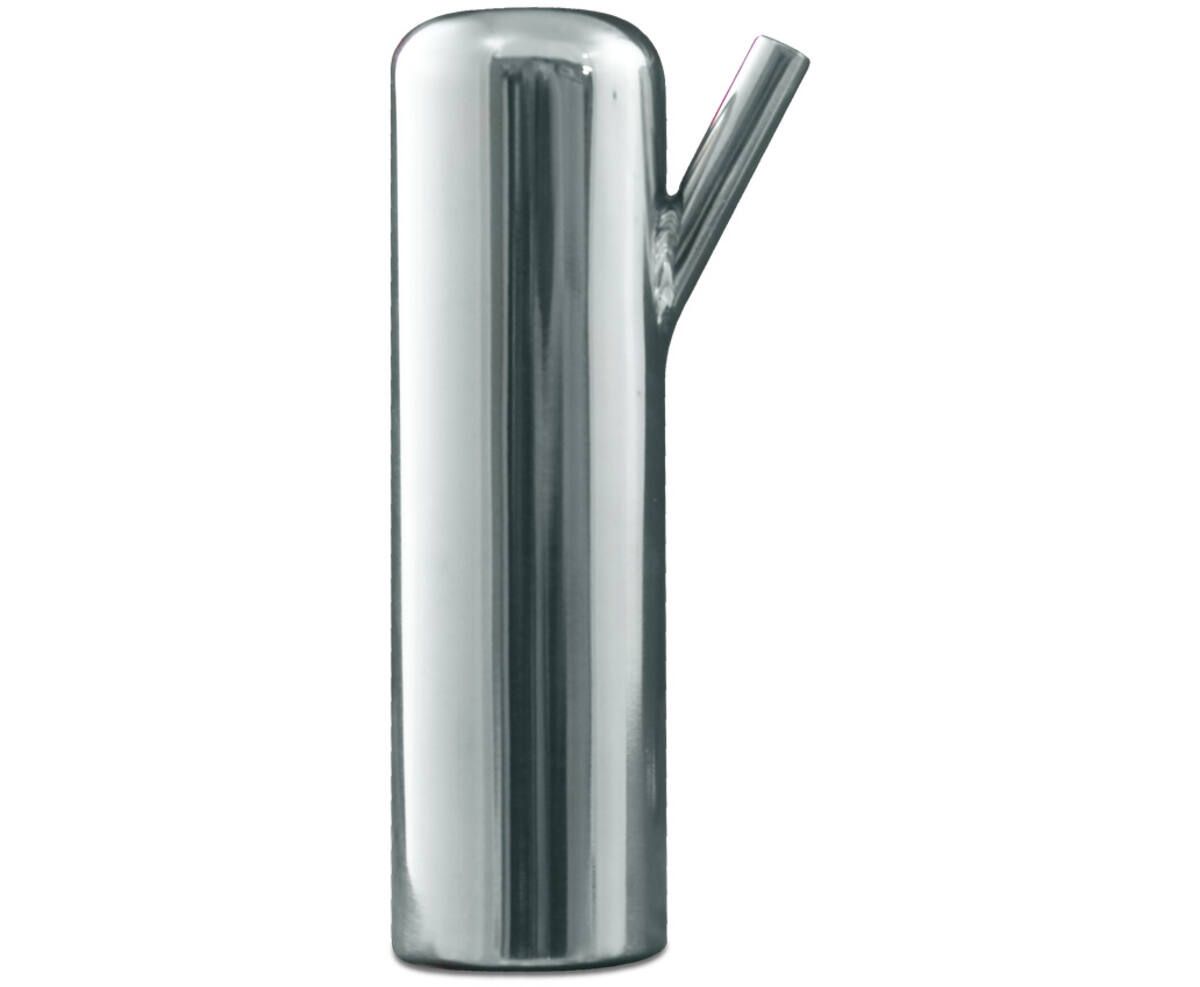 |
||||||||||||||||||||
| Product Overview |
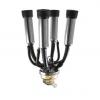
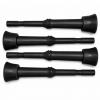
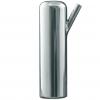
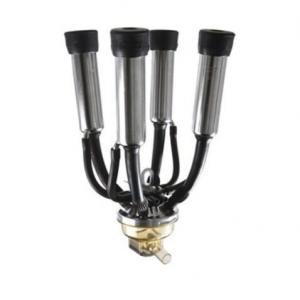
The Cow Milking Teat Cup is a key interface component of a mechanical dairy milking system. It supports the liner or inflation around the cow's teat while creating the pulsation chamber required for controlled vacuum operation. The teat cup shell is designed to work together with a compatible liner, short milk tube and pulsation connection. During milking, vacuum inside the liner draws milk toward the milk collection system, while pulsating vacuum in the space between the shell and liner controls the liner's opening and closing movement. :contentReference[oaicite:1]{index=1} Available configurations can be matched to different milking parlours, liner designs and cluster systems. Material, dimensions, connection arrangement and finish can be supplied according to project requirements. |
||||||||||||||||||||
| Key Features |
|
||||||||||||||||||||
| Structural Components |
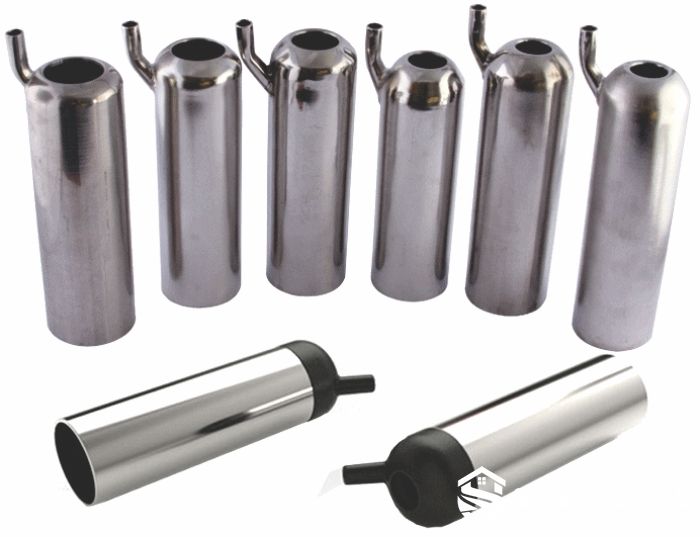
The exact component arrangement varies by model and milking system. Compatible liners and connection sizes should be confirmed before ordering. |
||||||||||||||||||||
| Working Principle / Structural Principle |
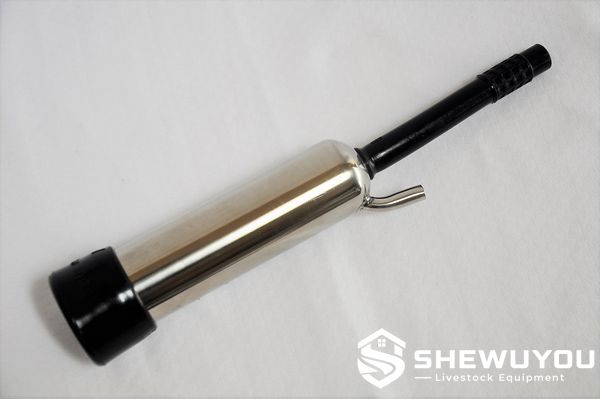
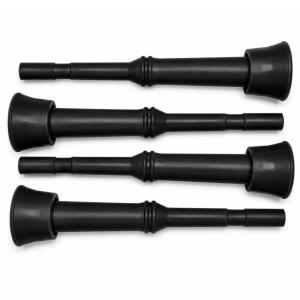
The teat cup consists essentially of a rigid shell surrounding a flexible liner. The liner creates the milk passage around the teat, while the space between the liner and shell forms the pulsation chamber. :contentReference[oaicite:3]{index=3} During the milking phase, vacuum inside the liner supports milk extraction. During the rest phase, atmospheric pressure and pulsating vacuum cause the liner to collapse around the teat, providing the massage action required by the milking cycle. :contentReference[oaicite:4]{index=4} Correct liner selection, shell compatibility, cluster alignment, vacuum level and pulsation settings are important for stable milking performance and teat condition. :contentReference[oaicite:5]{index=5} |
||||||||||||||||||||
| Technical Specifications |
|
||||||||||||||||||||
| Applications |
The Cow Milking Teat Cup is suitable for commercial dairy operations and milking equipment supply programs.
|
||||||||||||||||||||
| Customization Options |
For replacement projects, customers should provide the existing shell model, liner reference or dimensional drawing to ensure correct compatibility. |
||||||||||||||||||||
| Installation & Maintenance |
Installation: Insert the compatible liner into the shell according to the liner manufacturer's installation procedure. Ensure the liner is correctly seated, aligned and not twisted. Connect the pulsation tube and milk tubing to the designated ports, then verify the cluster position before milking. Proper cluster alignment helps avoid unnecessary teat pulling and uneven vacuum application. :contentReference[oaicite:6]{index=6} Cleaning: Clean and sanitize the teat cup and liner after each milking cycle according to the dairy's cleaning protocol. Pay particular attention to the liner, milk passage and connection points. Maintenance: Inspect liners regularly for wear, cracks, deformation or loss of elasticity. Replace worn liners according to the manufacturer's recommended service interval. Incorrectly fitted or worn liners can affect vacuum stability, milking performance and teat condition. :contentReference[oaicite:7]{index=7} |
||||||||||||||||||||
| Project Cases |
The teat cup can be supplied as a replacement component for existing dairy milking installations or as part of a new milking cluster configuration. For dairy equipment distributors, engineering contractors and commercial farm projects, shell dimensions, liner compatibility and connection specifications can be coordinated before production. This supports replacement programs and standardized spare-parts procurement across multiple dairy units. |
||||||||||||||||||||
| Product FAQ |
Q1. What is a cow milking teat cup?
It is the shell-and-liner interface attached to a cow's teat during mechanical milking. The shell supports the liner and provides the pulsation chamber required for the milking cycle. Q2. What is the difference between the teat cup shell and liner?
The shell is the rigid outer housing, while the liner or inflation is the flexible inner component that contacts the teat and opens and closes during pulsation. Q3. Can the teat cup fit existing milking machines?
Yes, provided the shell, liner, tubing and connection dimensions are compatible. Customers can provide existing component specifications for compatibility checking. Q4. What material is commonly used for the shell?
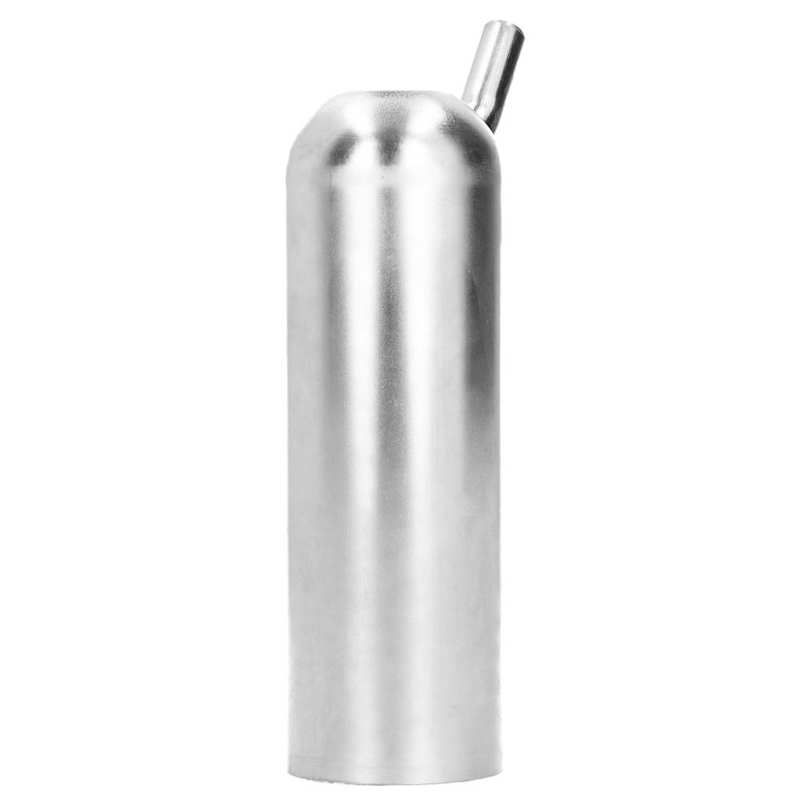
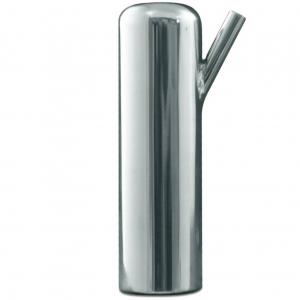
Stainless steel is widely used for dairy teat cup shells because it provides a durable, smooth and cleanable surface. Other materials may be available according to the selected design. Q5. How often should the liner be replaced?
Replacement depends on liner material, manufacturer specifications, milking frequency and operating conditions. Liners should be inspected regularly and replaced when worn or according to the manufacturer's recommended service interval. :contentReference[oaicite:8]{index=8} Q6. Can the teat cup be customized?
Yes. Dimensions, material, connection arrangement, finish, liner compatibility and packaging can be customized according to project requirements. |
||||||||||||||||||||
| Product Gallery |
    |
- Home
-
Products
- Pig Farming Equipment
- Cattle Farming Equipment
- Sheep & Goat Farming Equipment
- Poultry Farming Equipment
- Feeding & Drinking Systems
- Veterinary & Breeding Equipment
- Testing & Diagnostic Equipment
- Cleaning & Biosecurity Equipment
- Climate Control Equipment
- Livestock Weighing Equipment
- Manure & Waste Management
- Farm Transport & Handling
-
Solutions
- Pig Farm Solutions
- Dairy Farm Solutions
- Beef Cattle Farm Solutions
- Sheep & Goat Farm Solutions
- Layer Farm Solutions
- Broiler Farm Solutions
- Feeding & Drinking System Solutions
- Climate Control Solutions
- Biosecurity & Disinfection Solutions
- Manure & Waste Management
- Smart Farming Solutions
- Farm Renovation and Upgrade Solutions
- Partners
- Projects
- Resources
- News
- About Us
- Contact
Comments & Inquiries
Leave your questions or requirements below. We will reply as soon as possible.