

| Product Showcase | Content | ||||||||||||||||||||
| Product Name | Milking Pulsator | ||||||||||||||||||||
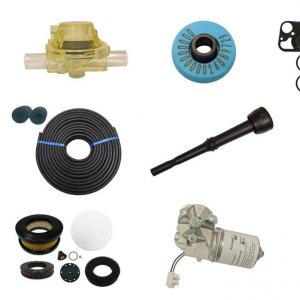
| Product Image | 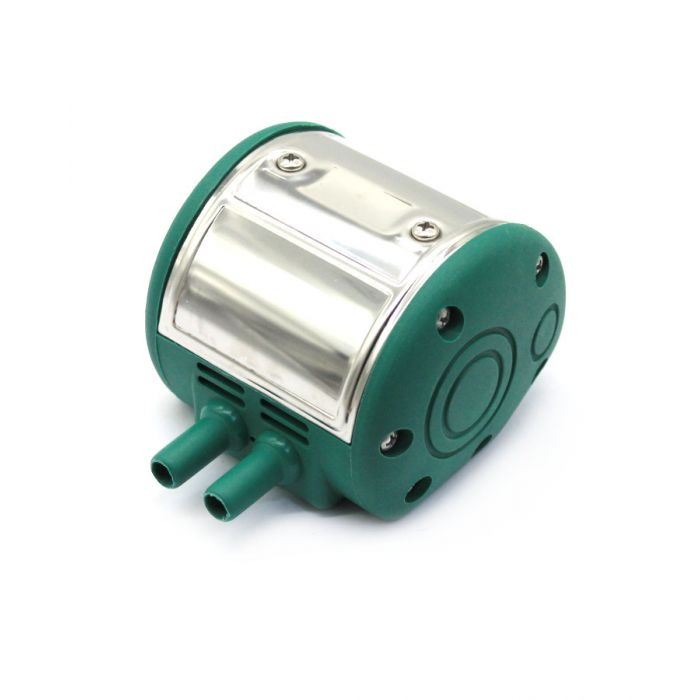 |
||||||||||||||||||||
| Product Overview |
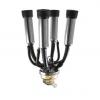
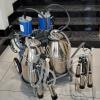
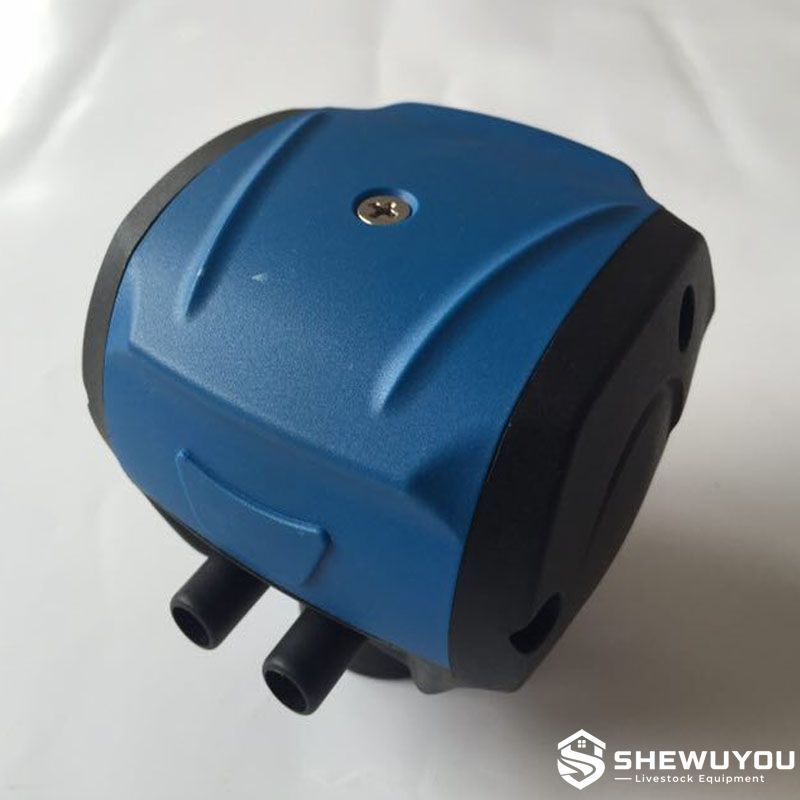
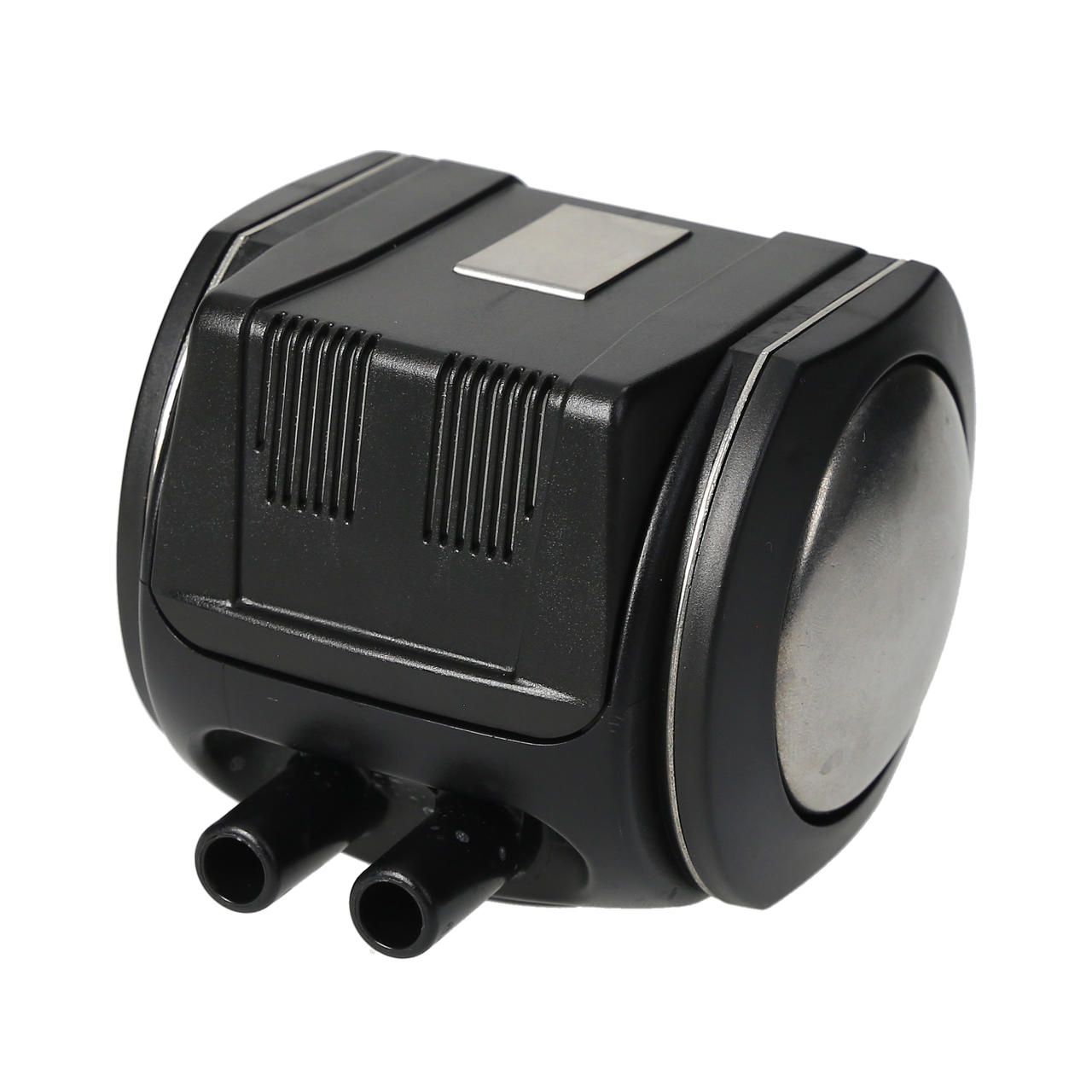
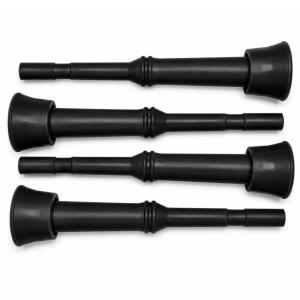
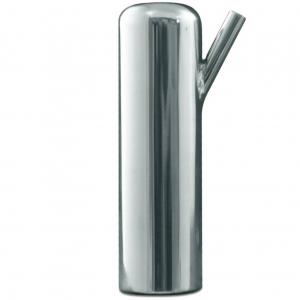
The Milking Pulsator is a core control component in a mechanical dairy milking system. It periodically changes the vacuum and atmospheric-air conditions in the pulsation chamber, controlling the opening and closing movement of the milking liner. Available in pneumatic and electronic configurations, pulsators are designed to provide repeatable pulsation and stable liner movement. Proper pulsation is important for consistent milk flow, milking efficiency, teat stimulation and animal comfort. :contentReference[oaicite:1]{index=1} The product can be supplied for conventional milking parlours, bucket and mobile milking machines, pipeline systems and other compatible dairy installations. Configuration, connection arrangement and control characteristics can be matched according to the milking system requirements. |
||||||||||||||||||||
| Key Features |
|
||||||||||||||||||||
| Structural Components |
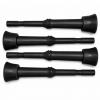
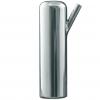
The exact construction depends on the selected pneumatic or electronic model. Materials, outlet configuration and internal components can be customized according to project requirements. |
||||||||||||||||||||
| Working Principle / Structural Principle |
A milking pulsator alternates the pressure conditions in the chamber surrounding the liner. During the milking phase, vacuum allows the liner to open and milk to flow. During the rest phase, the liner closes around the teat, providing the compression and massage action required by the milking cycle. Pneumatic pulsators use the milking system's vacuum to operate the internal mechanism, while electronic pulsators use an electrical control system to regulate pulsation more precisely. Both configurations are designed to provide consistent liner movement when correctly installed and adjusted. :contentReference[oaicite:2]{index=2} Pulsation rate and ratio should be selected according to the liner, animal type, milking system and manufacturer's operating recommendations. Accurate pulsation contributes to efficient milking and supports udder health and animal comfort. :contentReference[oaicite:3]{index=3} |
||||||||||||||||||||
| Technical Specifications |
Exact technical values are determined by the selected pulsator model, liner specification and complete milking system. Available specifications can be provided upon request. |
||||||||||||||||||||
| Applications |
The Milking Pulsator is suitable for a wide range of commercial dairy milking installations and replacement-part programs.
Pneumatic pulsators are particularly suitable where a simple vacuum-operated solution is preferred, while electronic configurations can provide more precise control of pulsation characteristics. :contentReference[oaicite:4]{index=4} |
||||||||||||||||||||
| Customization Options |
For replacement applications, customers can provide the existing pulsator model, tubing dimensions, outlet configuration or product drawing to support compatibility evaluation. |
||||||||||||||||||||
| Installation & Maintenance |
Installation: Mount the pulsator securely in the designated position on the milking machine or cluster system. Connect the vacuum supply, pulsation outlets and control lines according to the selected configuration. Confirm that all tubing connections are tight and free from kinks or leaks. Commissioning: Before normal milking, check the pulsation rate, ratio and vacuum response with suitable test equipment. The final settings should correspond with the liner manufacturer's recommendations and the complete milking system design. Maintenance: Keep air filters and connection points clean. Inspect tubing, membranes, valves, seals and electrical connections where applicable. Periodically verify pulsation rate and ratio to detect wear or abnormal operation. Service: Replace worn membranes, valves, filters or other service components according to the selected model's maintenance procedure. Some professional pulsator ranges are specifically designed for quick servicing and low maintenance. :contentReference[oaicite:5]{index=5} |
||||||||||||||||||||
| Project Cases |
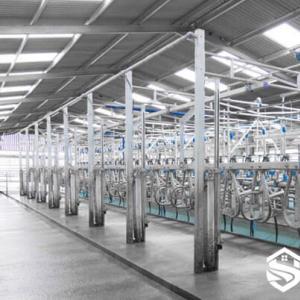
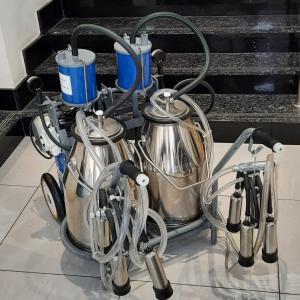
The Milking Pulsator can be integrated into new dairy milking installations or used as a replacement component during milking parlour renovation and equipment upgrades. For large commercial dairy farms, engineering companies and equipment distributors, multiple pulsators can be configured for standardized installation across herringbone, rotary, pipeline or mobile milking systems. The product is also suitable for spare-parts programs where consistent pulsation components are required across multiple farm locations. Configuration can be coordinated according to local farm conditions, existing milking equipment and project requirements. |
||||||||||||||||||||
| Product FAQ |
Q1. What does a milking pulsator do?
It periodically changes the pressure conditions around the milking liner, controlling its opening and closing movement during the milking cycle. Q2. What is the difference between pneumatic and electronic pulsators?
Pneumatic pulsators use vacuum-operated mechanisms, while electronic pulsators use electrical control to regulate the pulsation cycle. Electronic designs can offer more precise adjustment and control depending on the model. Q3. Can the pulsator be used with an existing milking machine?
Yes, provided the pulsator's operating principle, outlet connections, tubing, mounting arrangement and control requirements are compatible with the existing system. Q4. Can the pulsation rate and ratio be adjusted?
Selected models provide adjustable pulsation rate and ratio. The available adjustment range depends on the specific pulsator design. Q5. How should a milking pulsator be maintained?
Keep filters and air passages clean, inspect tubing and seals, and periodically verify pulsation performance. Service intervals should follow the selected model's maintenance recommendations. Q6. Can you supply OEM pulsators?
Yes. Housing design, color, connections, packaging, product marking and selected technical configurations can be discussed for OEM and private-label projects. |
||||||||||||||||||||
| Product Gallery |
  |
- Home
-
Products
- Pig Farming Equipment
- Cattle Farming Equipment
- Sheep & Goat Farming Equipment
- Poultry Farming Equipment
- Feeding & Drinking Systems
- Veterinary & Breeding Equipment
- Testing & Diagnostic Equipment
- Cleaning & Biosecurity Equipment
- Climate Control Equipment
- Livestock Weighing Equipment
- Manure & Waste Management
- Farm Transport & Handling
-
Solutions
- Pig Farm Solutions
- Dairy Farm Solutions
- Beef Cattle Farm Solutions
- Sheep & Goat Farm Solutions
- Layer Farm Solutions
- Broiler Farm Solutions
- Feeding & Drinking System Solutions
- Climate Control Solutions
- Biosecurity & Disinfection Solutions
- Manure & Waste Management
- Smart Farming Solutions
- Farm Renovation and Upgrade Solutions
- Partners
- Projects
- Resources
- News
- About Us
- Contact
Comments & Inquiries
Leave your questions or requirements below. We will reply as soon as possible.