

| Product Showcase | Content | ||||||||||||||||||||
| Product Name | Milking Silicone Tube | ||||||||||||||||||||
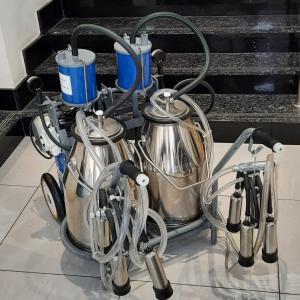
| Product Image | 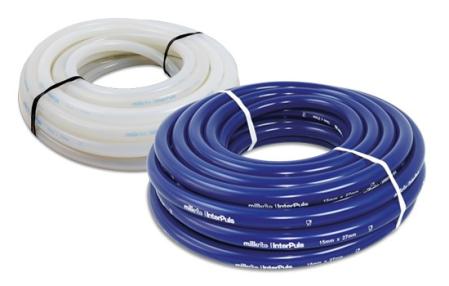 |
||||||||||||||||||||
| Product Overview |
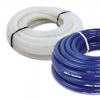
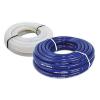
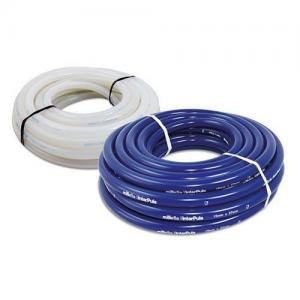
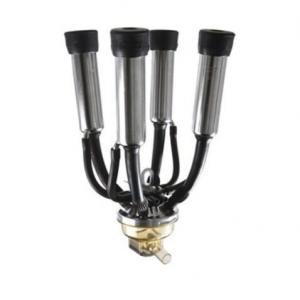
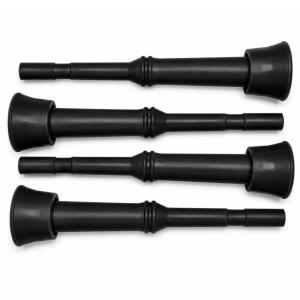
Milking Silicone Tube is a flexible dairy tubing solution designed for milk transfer and fluid connections within milking systems. Its smooth, flexible construction supports reliable milk flow while allowing convenient routing around milking clusters, milk claws, receivers and other dairy equipment. Silicone tubing is available in different internal diameters, outside diameters, colors and lengths. The product can be supplied as straight sections or coils and configured according to the requirements of the milking equipment and installation layout. |
||||||||||||||||||||
| Key Features |
|
||||||||||||||||||||
| Structural Components |
|
||||||||||||||||||||
| Working Principle / Structural Principle |
The tube provides a sealed and flexible flow path between compatible components of a milking system. During milking, milk is transferred through the internal bore under the operating conditions of the installed system. The flexible wall allows the tubing to follow the equipment layout while maintaining a continuous flow passage. Correct internal diameter, tube length, connection method and routing should be selected according to the specific milking system to help prevent unnecessary restriction, sharp bends or kinking. |
||||||||||||||||||||
| Technical Specifications |
|
||||||||||||||||||||
| Applications |
|
||||||||||||||||||||
| Customization Options |
The Milking Silicone Tube can be configured to match different milking machine designs, connection standards and installation layouts.
Specifications are designed according to the milking equipment, connection components and local farm conditions. |
||||||||||||||||||||
| Installation & Maintenance |
Installation: Cut the tube to the required length using a suitable clean cutting method. Push or secure the tube onto compatible fittings, nipples or connectors and use the specified clamp where required. Avoid excessive bending, twisting and sharp-radius routing. Cleaning: Clean the tubing as part of the milking system's established cleaning-in-place or manual sanitation procedure. Use cleaning agents and temperatures compatible with the selected silicone material and the complete milking system. Inspection: Regularly check for discoloration, cracking, splitting, deformation, excessive wear or connection damage. Replace tubing when its condition may affect hygiene, sealing or reliable milk transfer. |
||||||||||||||||||||
| Product FAQ |
Q1: What is Milking Silicone Tube used for?
It is used as flexible dairy tubing for milk transfer and compatible connections in milking machines, milking clusters, milk claws and related dairy equipment. Q2: Is the silicone tube suitable for commercial dairy farms?
Yes. It is suitable for routine maintenance, replacement and new installations in commercial dairy farms and milking parlors when the selected specification matches the equipment. Q3: What sizes are available?
Internal diameter, outside diameter and length can vary according to the milking system. Customizable dimensions are available upon request. Q4: Can the tubing be supplied in coils?
Yes. Coil or straight-length supply can be arranged according to project requirements and the intended installation method. Q5: Can OEM specifications be produced?
Yes. Dimensions, color, length, packaging, labeling and other specifications can be customized for distributors, equipment manufacturers and agricultural projects. Q6: How should the tube be maintained?
Follow the cleaning procedure recommended for the complete milking system and inspect the tube regularly for wear, cracking, discoloration or deformation. Replace damaged tubing promptly. |
||||||||||||||||||||
| Product Gallery | 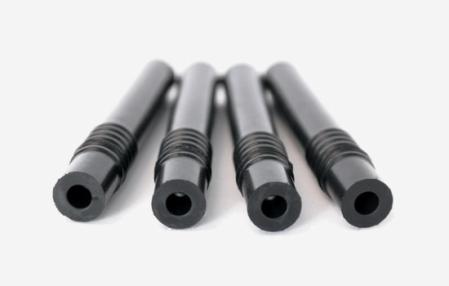  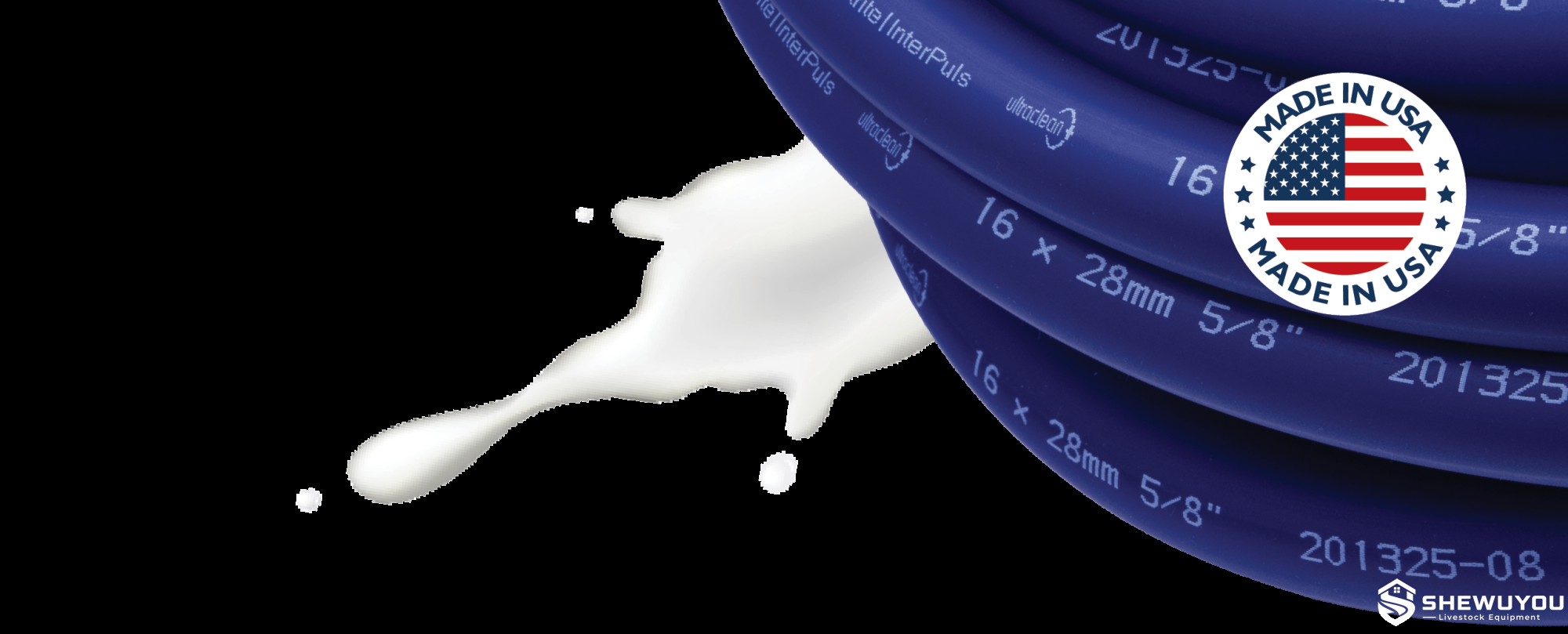 |
- Home
-
Products
- Pig Farming Equipment
- Cattle Farming Equipment
- Sheep & Goat Farming Equipment
- Poultry Farming Equipment
- Feeding & Drinking Systems
- Veterinary & Breeding Equipment
- Testing & Diagnostic Equipment
- Cleaning & Biosecurity Equipment
- Climate Control Equipment
- Livestock Weighing Equipment
- Manure & Waste Management
- Farm Transport & Handling
-
Solutions
- Pig Farm Solutions
- Dairy Farm Solutions
- Beef Cattle Farm Solutions
- Sheep & Goat Farm Solutions
- Layer Farm Solutions
- Broiler Farm Solutions
- Feeding & Drinking System Solutions
- Climate Control Solutions
- Biosecurity & Disinfection Solutions
- Manure & Waste Management
- Smart Farming Solutions
- Farm Renovation and Upgrade Solutions
- Partners
- Projects
- Resources
- News
- About Us
- Contact
Comments & Inquiries
Leave your questions or requirements below. We will reply as soon as possible.