
| Product Name | Sloped-Bottom Lamb Feeding Bucket | ||||||||||||||||||||||||||
| Product Image | 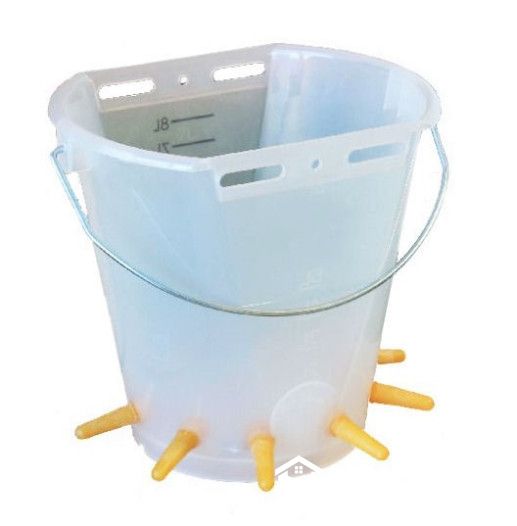 |
||||||||||||||||||||||||||
| Product Overview |
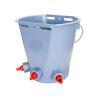
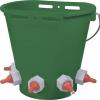
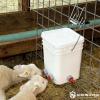
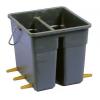
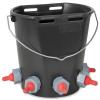
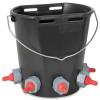
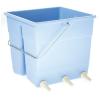
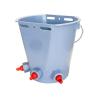
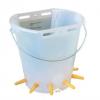
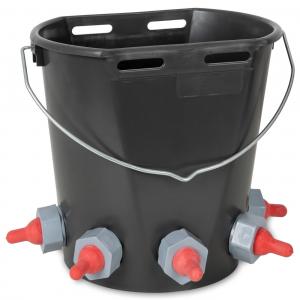
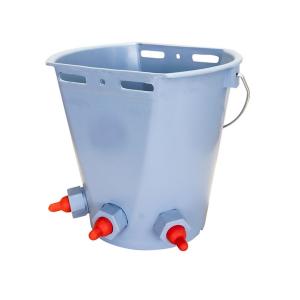
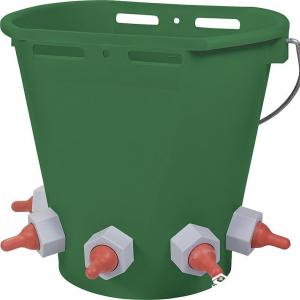
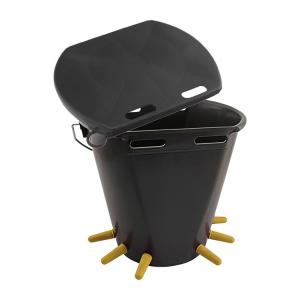
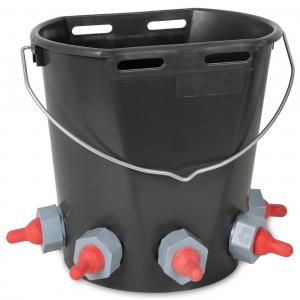
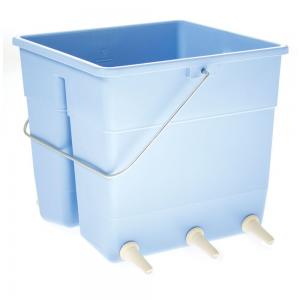
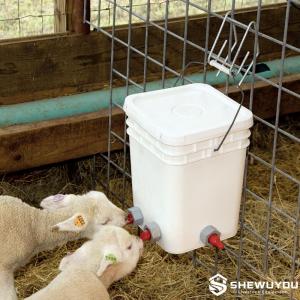
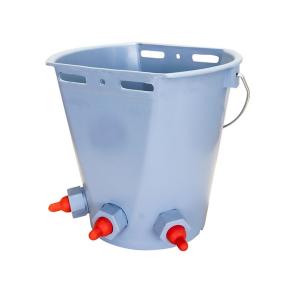
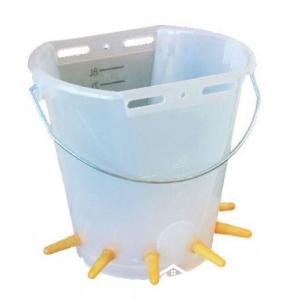
The Sloped-Bottom Lamb Feeding Bucket is a practical multi-animal milk feeding system developed for orphan lambs, goat kids and other young small ruminants. The inclined internal floor directs milk toward the low-mounted teat outlets, helping animals consume more of the available liquid and reducing residual milk inside the bucket. A translucent or see-through bucket body allows farm operators to monitor milk level without opening the feeder. Clearly visible volume markings support more consistent preparation and feeding management, while compatible multi-teat configurations allow several young animals to nurse from one reservoir. The flat-back mounting concept is suitable for attachment to livestock panels, pen partitions or compatible wall-mounted brackets, making the feeder useful in commercial lambing sheds, goat kid nurseries, modular livestock pens and steel-structure farm buildings. |
||||||||||||||||||||||||||
| Key Features |
|
||||||||||||||||||||||||||
| Structural Components |
|
||||||||||||||||||||||||||
| Working Principle / Structural Principle |
Milk or prepared milk replacer is poured into the bucket reservoir. The low-positioned teat units connect the liquid inside the bucket to the external feeding nipples. When a lamb or goat kid suckles, milk passes through the corresponding flow-control assembly and teat. Several animals can therefore feed from one reservoir at the same time when a multi-teat configuration is used. As the milk level drops, the sloped floor directs the remaining liquid toward the teat side of the bucket. This structural feature helps minimize residual milk and makes the usable volume of the feeder more effective. The flat-back profile and external holder help stabilize the bucket against the pen structure while animals apply pulling and pushing forces during feeding. |
||||||||||||||||||||||||||
| Technical Specifications |
|
||||||||||||||||||||||||||
| Applications |
|
||||||||||||||||||||||||||
| Customization Options |
|
||||||||||||||||||||||||||
| Installation & Maintenance |
Installation:
Cleaning and Maintenance:
|
||||||||||||||||||||||||||
| Product FAQ |
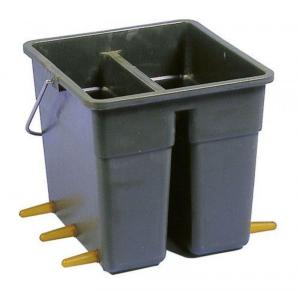
Q1: What is the advantage of a sloped-bottom feeding bucket? The sloped floor directs remaining milk toward the low-mounted teat units, helping reduce unused liquid at the bottom of the reservoir. Q2: Can several lambs feed at the same time? Yes. Multi-teat configurations provide separate nursing positions so several lambs or goat kids can use one milk reservoir simultaneously. Q3: What capacities are available? Reference configurations include a 2 US gal round bucket and a 2.5 US gal square bucket. Other specifications can be supplied according to project requirements. Q4: Why is the bucket translucent? A see-through body allows operators to check milk levels without opening the feeder and supports easier monitoring during group feeding. Q5: Are the teat components removable? Yes. Compatible easy-clean designs allow the nipple and flow-control component to be removed for washing while the main teat fitting remains attached to the bucket. Q6: Can rubber teats be used instead of latex? Compatible rubber teat options can be used where greater resistance to chewing is required. Latex teats are commonly selected for very young animals because of their softer feel. Q7: Can the feeder be used for goat kids? Yes. Appropriate teat and mounting configurations can be used for both lamb and goat kid artificial rearing. Q8: Can the feeder configuration be customized for farm projects? Yes. Bucket size, number of teats, teat type, mounting arrangement, accessories and packaging can be supplied according to project requirements. |
||||||||||||||||||||||||||
| Product Gallery | 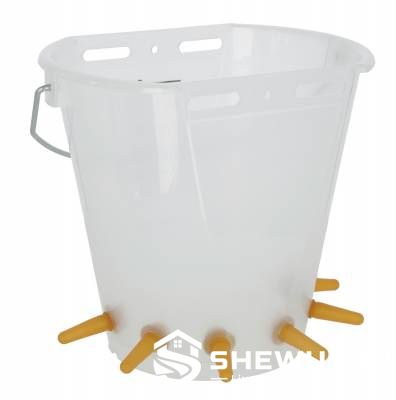 |
- Home
-
Products
- Pig Farming Equipment
- Cattle Farming Equipment
- Sheep & Goat Farming Equipment
- Poultry Farming Equipment
- Feeding & Drinking Systems
- Veterinary & Breeding Equipment
- Testing & Diagnostic Equipment
- Cleaning & Biosecurity Equipment
- Climate Control Equipment
- Livestock Weighing Equipment
- Manure & Waste Management
- Farm Transport & Handling
-
Solutions
- Pig Farm Solutions
- Dairy Farm Solutions
- Beef Cattle Farm Solutions
- Sheep & Goat Farm Solutions
- Layer Farm Solutions
- Broiler Farm Solutions
- Feeding & Drinking System Solutions
- Climate Control Solutions
- Biosecurity & Disinfection Solutions
- Manure & Waste Management
- Smart Farming Solutions
- Farm Renovation and Upgrade Solutions
- Partners
- Projects
- Resources
- News
- About Us
- Contact
Comments & Inquiries
Leave your questions or requirements below. We will reply as soon as possible.