
| Product Name | Dual-Compartment Lamb Feeding Bucket | ||||||||||||||||||||||||||||
| Product Image | 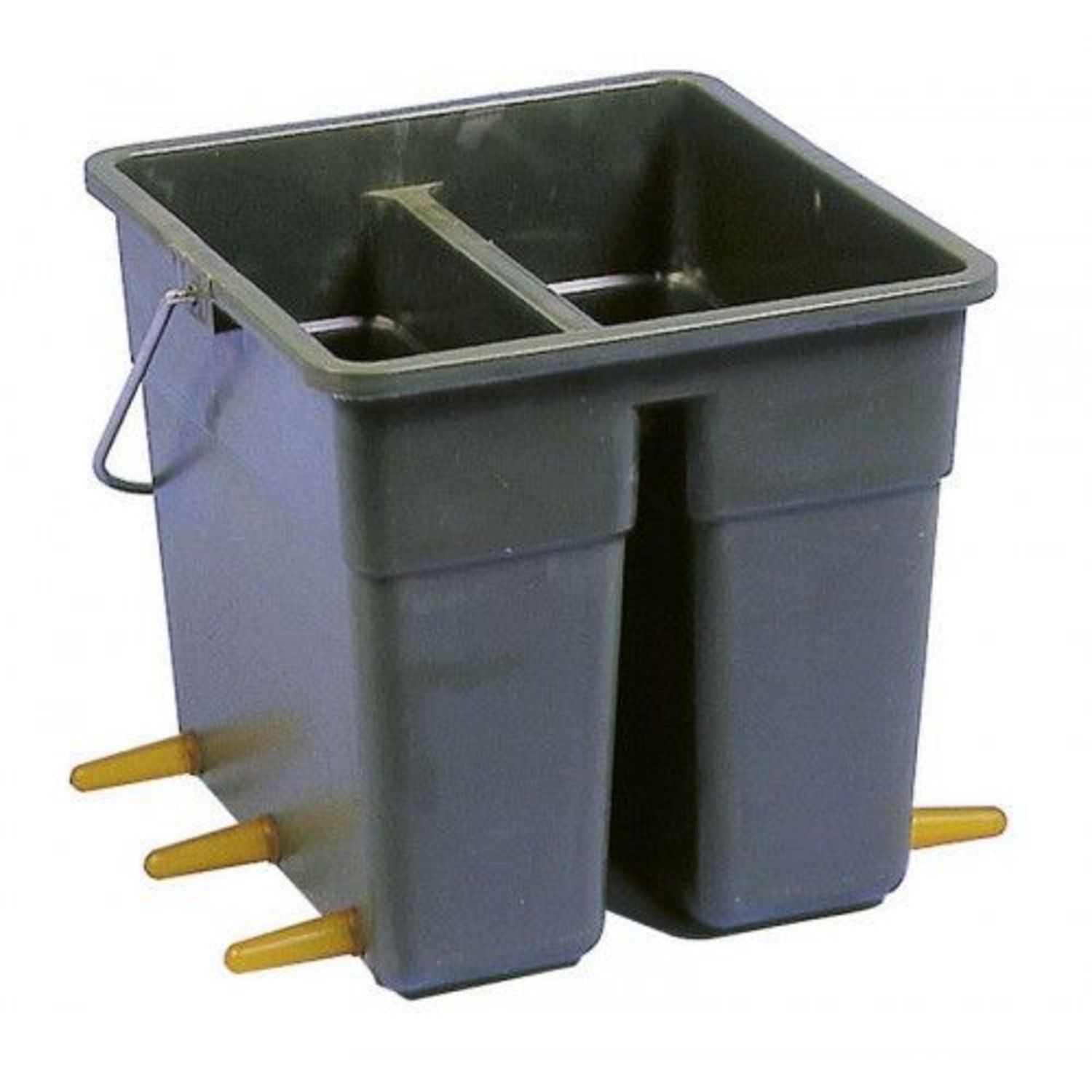 |
||||||||||||||||||||||||||||
| Product Overview |
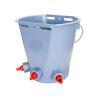
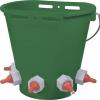
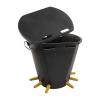
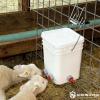
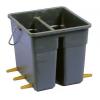
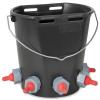
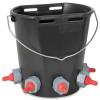
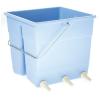
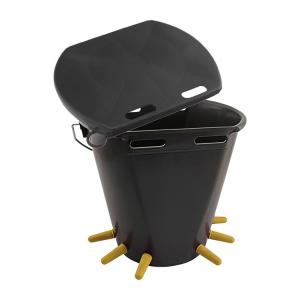
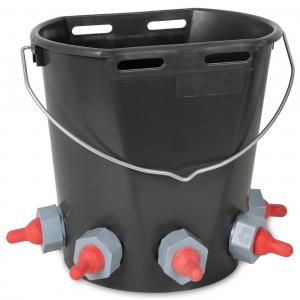
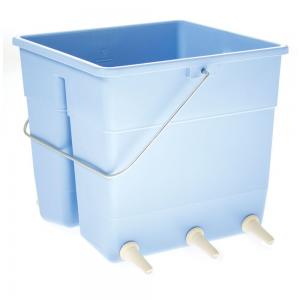
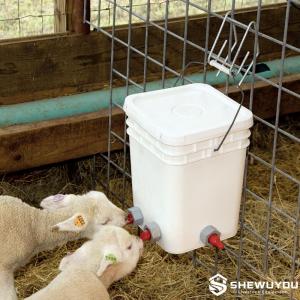
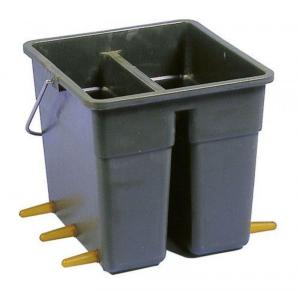
The Dual-Compartment Lamb Feeding Bucket is a group milk-feeding solution designed for artificial rearing and supplementary feeding of lambs and goat kids. Its divided reservoir consists of two separate 5 L compartments and provides six feeding positions for simultaneous nursing. The molded plastic structure incorporates an angled base to promote more complete milk drainage toward the teat outlets, helping reduce residual liquid after feeding. The feeder is designed for convenient hanging on barn walls, feed barriers, livestock fencing and compatible pen structures. For commercial sheep farms, goat farms, lambing facilities and livestock equipment projects, the dual-compartment configuration provides a practical balance between group-feeding capacity, easy handling, cleaning access and efficient use of pen space. |
||||||||||||||||||||||||||||
| Key Features |
|
||||||||||||||||||||||||||||
| Structural Components |
|
||||||||||||||||||||||||||||
| Working Principle / Structural Principle |
Milk or properly prepared milk replacer is poured into the two reservoir compartments. Each compartment supplies its associated feeding outlets through individual valve-and-teat assemblies positioned near the lower section of the bucket. When lambs or goat kids suckle the teats, milk is drawn through the corresponding valves. The six feeding points enable several young animals to feed simultaneously, reducing dependence on individual hand-held bottles. The sloped reservoir base directs liquid toward the outlet area, improving drainage as the milk level falls. Correct mounting height should be selected according to animal size so that lambs maintain an appropriate natural nursing posture. |
||||||||||||||||||||||||||||
| Technical Specifications |
|
||||||||||||||||||||||||||||
| Applications |
|
||||||||||||||||||||||||||||
| Customization Options |
|
||||||||||||||||||||||||||||
| Installation & Maintenance |
Installation:
Routine Maintenance:
|
||||||||||||||||||||||||||||
| Product FAQ |
Q1: What is the capacity of the dual-compartment bucket? The reference configuration contains two 5 L compartments, providing a combined nominal capacity of 10 L. Q2: How many lambs can feed at the same time? The bucket provides six teat positions and is designed for feeding up to six lambs simultaneously. Q3: Why is the bucket divided into two compartments? The divided structure creates two manageable milk chambers and reinforces the overall bucket geometry while maintaining six group-feeding positions. Q4: What is the advantage of the angled bottom? The angled base guides milk toward the teat outlet area, helping minimize residual liquid as the bucket empties. Q5: What material are the feeding teats made from? The reference configuration uses yellow natural rubber lamb teats. Q6: Can the teats and valves be replaced? Yes. Compatible teats and metal valves are replaceable wear components and can be serviced separately. Q7: Where can the bucket be installed? It is designed for hanging on suitable barn walls, feed barriers, livestock fencing and compatible pen structures. Q8: Can the feeder be used for goat kids? Yes. The same group-feeding principle can be used for goat kids when teat selection, milk management and installation height are appropriate. Q9: Is the bucket suitable for commercial livestock farms? Yes. The six-position layout, dual reservoir, replaceable feeding components and hanging design make it practical for commercial lamb-rearing and goat-kid nursery operations. |
||||||||||||||||||||||||||||
| Product Gallery | 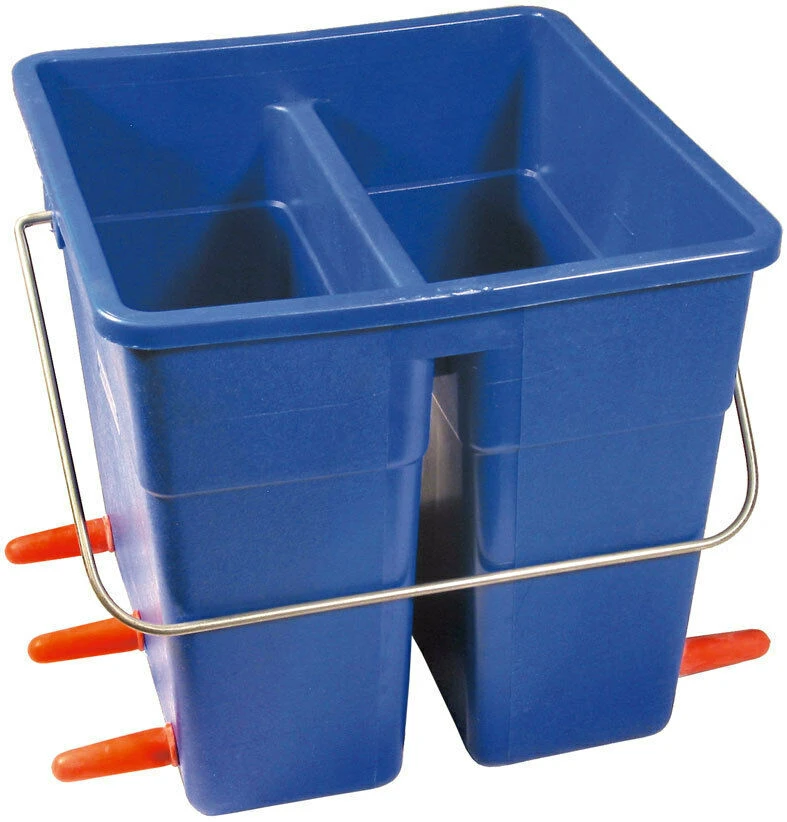 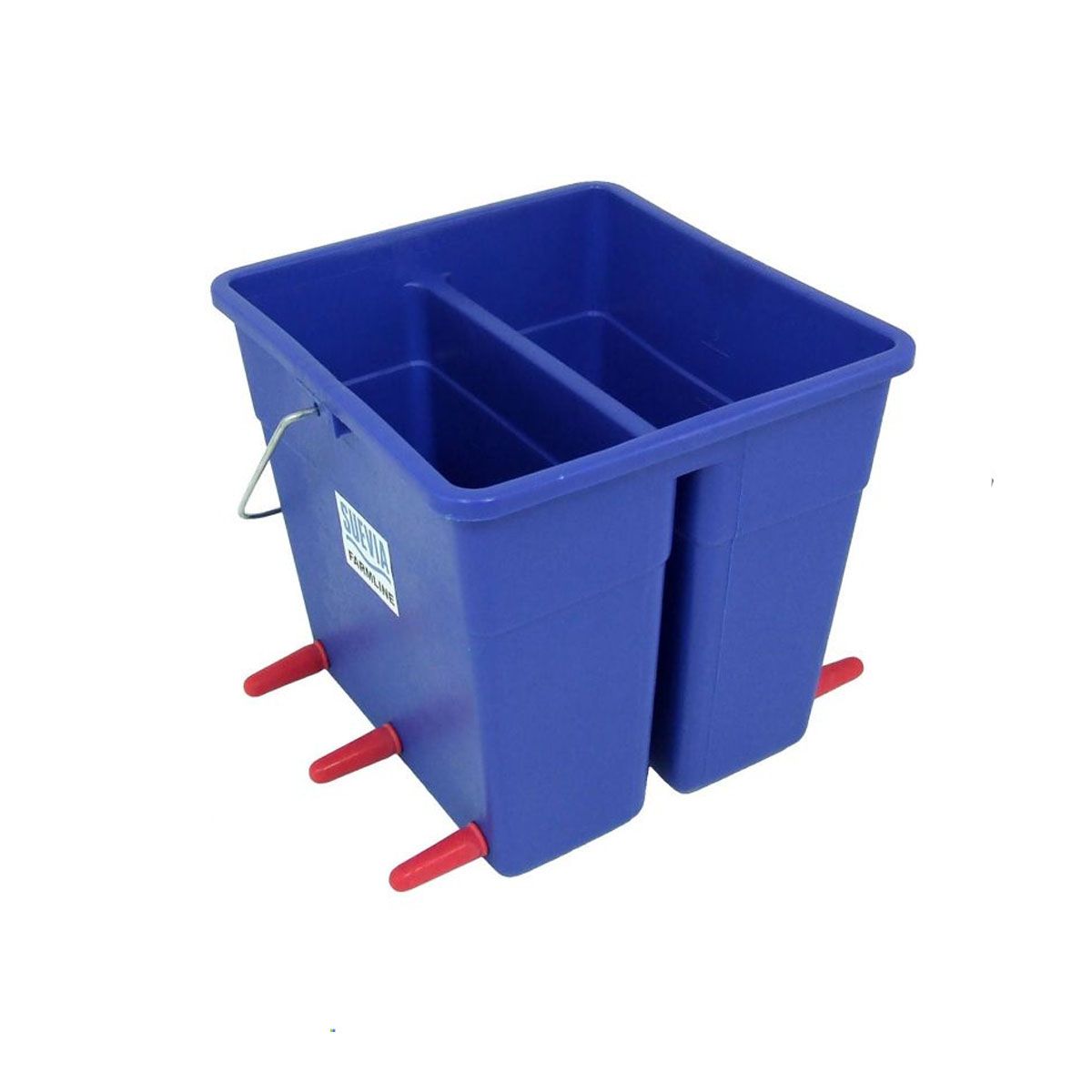 |
- Home
-
Products
- Pig Farming Equipment
- Cattle Farming Equipment
- Sheep & Goat Farming Equipment
- Poultry Farming Equipment
- Feeding & Drinking Systems
- Veterinary & Breeding Equipment
- Testing & Diagnostic Equipment
- Cleaning & Biosecurity Equipment
- Climate Control Equipment
- Livestock Weighing Equipment
- Manure & Waste Management
- Farm Transport & Handling
-
Solutions
- Pig Farm Solutions
- Dairy Farm Solutions
- Beef Cattle Farm Solutions
- Sheep & Goat Farm Solutions
- Layer Farm Solutions
- Broiler Farm Solutions
- Feeding & Drinking System Solutions
- Climate Control Solutions
- Biosecurity & Disinfection Solutions
- Manure & Waste Management
- Smart Farming Solutions
- Farm Renovation and Upgrade Solutions
- Partners
- Projects
- Resources
- News
- About Us
- Contact
Comments & Inquiries
Leave your questions or requirements below. We will reply as soon as possible.