
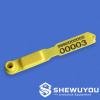
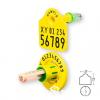

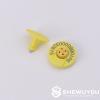

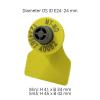
| Product Name | Tissue Sampling EID Sheep Ear Tag | ||||||||||||||||||||||||||
| Product Image | 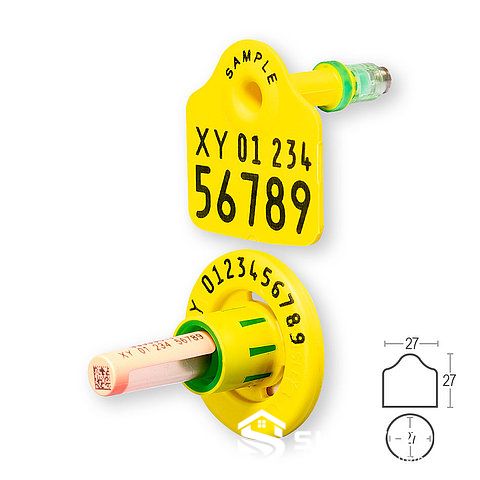 |
||||||||||||||||||||||||||
| Product Overview | The Tissue Sampling EID Sheep Ear Tag combines electronic livestock identification with collection of an ear-tissue sample during the tagging procedure. This integrated design allows the animal to receive an electronic identity while a biological sample is collected for compatible laboratory testing, reducing separate handling operations and simplifying sample-to-animal traceability. Designed for commercial goat-farming-equipment/" target="_blank" class="keylink">sheep and goat farms, breeding organizations, genetics programs, veterinary projects and livestock research facilities, the system supports electronic flock management together with DNA-based breeding and traceability workflows. Compatible EID readers can retrieve the individual transponder number for integration with weighing, sorting and livestock management systems. |
||||||||||||||||||||||||||
| Key Features |
|
||||||||||||||||||||||||||
| Structural Components |
|
||||||||||||||||||||||||||
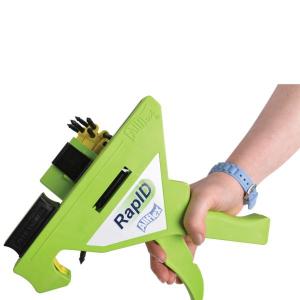
| Working Principle | The tag components and tissue collection unit are positioned in the compatible applicator. After the sheep is safely restrained, the applicator is placed on an appropriate section of the ear away from major blood vessels. Closing the applicator inserts and locks the ear tag while the sampling component collects a small tissue specimen. The specimen is transferred directly into the corresponding sample container, helping maintain the relationship between the animal identification record and the biological sample. After installation, the electronic transponder can be read using a compatible livestock EID reader. The electronic number can then be linked with flock management records, weighing data, breeding information and laboratory test results. |
||||||||||||||||||||||||||
| Technical Specifications |
|
||||||||||||||||||||||||||
| Applications |
|
||||||||||||||||||||||||||
| Customization Options | Tag color, printed identification, sequential numbering, sample coding, packaging quantity and livestock database matching can be customized according to project requirements. Dry or liquid sample preservation systems are available upon request. The identification package can also be configured with compatible applicators, RFID readers, handheld terminals, weighing indicators and automatic sheep sorting equipment. Final tag coding and identification format should be selected according to local livestock identification regulations and farm management requirements. |
||||||||||||||||||||||||||
| Installation & Maintenance | Before application, verify that the electronic identification number, visual number and tissue sample information correspond with the required animal record. Load the tag components and sampling unit into the compatible applicator according to the operating instructions. Restrain the animal safely and select an appropriate application position on the ear, avoiding major blood vessels and excessively thick tissue. Close the applicator completely to achieve correct locking and tissue collection. After application, confirm that the tag is properly secured, verify the electronic number with an RFID reader and check that the tissue specimen has entered the collection tube. Samples should be stored and transported according to laboratory and preservation-system requirements. Keep applicators and RFID readers clean and inspect them regularly. Tissue sampling components intended for single use should not be reused. |
||||||||||||||||||||||||||
| Project Cases | Tissue Sampling EID Sheep Ear Tags can form part of an integrated commercial flock-management project combining individual electronic identification, DNA testing, electronic weighing and automatic drafting. In breeding operations, the EID number can be linked with pedigree information, performance records and laboratory results. In larger livestock projects, compatible RFID readers and weighing equipment can help operators identify animals automatically as they pass through sheep handling races and sorting systems. |
||||||||||||||||||||||||||
| Product FAQ | Q: What is the difference between a standard EID tag and a tissue sampling EID tag? A: A standard EID tag provides electronic identification, while a tissue sampling EID tag combines electronic identification with collection of an ear-tissue specimen during the tagging procedure. Q: What electronic technology is used? A: The reference configuration uses an FDX-B livestock identification transponder. Q: What can the tissue sample be used for? A: Depending on the laboratory program, it can support DNA genotyping, parentage verification, genetic screening and other compatible livestock genetic analyses. Q: Can the tag be read by automatic farm equipment? A: Yes. Compatible livestock RFID readers can identify the electronic transponder and transfer the animal number to weighing, drafting or farm management systems. Q: Is a special applicator required? A: A compatible applicator is required to align the electronic tag and tissue collection components correctly during installation. Q: Are different sample preservation methods available? A: Yes. Sample containers with dry or liquid preservative can be supplied according to laboratory requirements. Q: Can visual and electronic identification be combined? A: Yes. Combined identification configurations can include electronic and visual identification together with tissue sampling according to project requirements. Q: Can identification numbers be customized? A: Yes. Sequential numbers and project-specific visual identification can be provided according to order requirements and applicable livestock identification rules. |
||||||||||||||||||||||||||
| Product Gallery | 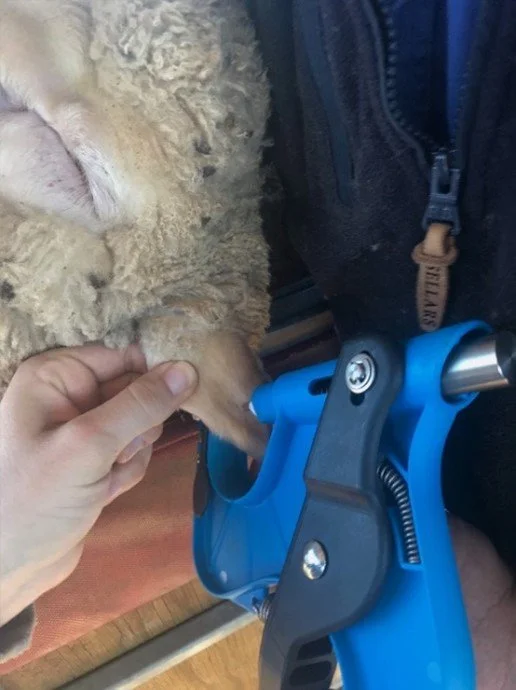 |
- Home
-
Products
- Pig Farming Equipment
- Cattle Farming Equipment
- Sheep & Goat Farming Equipment
- Poultry Farming Equipment
- Feeding & Drinking Systems
- Veterinary & Breeding Equipment
- Testing & Diagnostic Equipment
- Cleaning & Biosecurity Equipment
- Climate Control Equipment
- Livestock Weighing Equipment
- Manure & Waste Management
- Farm Transport & Handling
-
Solutions
- Pig Farm Solutions
- Dairy Farm Solutions
- Beef Cattle Farm Solutions
- Sheep & Goat Farm Solutions
- Layer Farm Solutions
- Broiler Farm Solutions
- Feeding & Drinking System Solutions
- Climate Control Solutions
- Biosecurity & Disinfection Solutions
- Manure & Waste Management
- Smart Farming Solutions
- Farm Renovation and Upgrade Solutions
- Partners
- Projects
- Resources
- News
- About Us
- Contact

Comments & Inquiries
Leave your questions or requirements below. We will reply as soon as possible.