
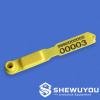
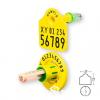
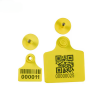
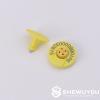

| Product Name | Large RFID Sheep Ear Tag | ||||||||||||||||||||||||
| Product Image | 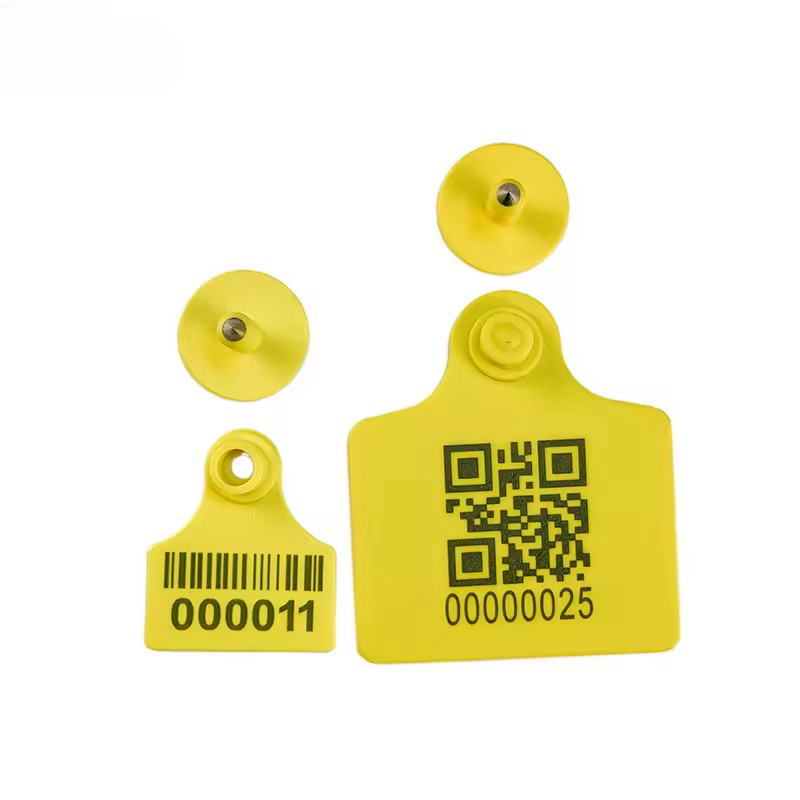 |
||||||||||||||||||||||||
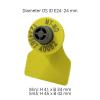
| Product Overview | The Large RFID Sheep Ear Tag is designed for electronic identification and individual animal management in commercial goat-farming-equipment/" target="_blank" class="keylink">sheep and goat operations. An integrated RFID transponder stores a unique electronic identification code that can be read using compatible handheld, panel or race-mounted livestock RFID readers. Compared with compact electronic buttons alone, a large visual identification surface can provide additional space for printed numbers, management codes, barcodes or other farm-specific information. This combination of electronic and visual identification is suitable for breeding farms, livestock groups, automated weighing systems, sorting facilities, veterinary programs and traceability projects. Electronic sheep identification systems can also be integrated with weighing indicators, automatic drafting gates, flock management software and other livestock equipment to reduce manual data entry and improve animal record accuracy. FDX-B technology is commonly used in professional sheep and goat electronic identification systems. :contentReference[oaicite:1]{index=1} |
||||||||||||||||||||||||
| Key Features |
|
||||||||||||||||||||||||
| Structural Components |
|
||||||||||||||||||||||||
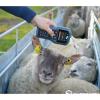
| Working Principle | Each RFID ear tag contains a unique electronic identification number. When a compatible RFID reader is brought within reading range, the transponder is energized by the reader field and returns its stored identification code without direct physical contact. The reader transfers the animal ID to a handheld terminal, weighing indicator, flock management system or other compatible livestock data platform. The electronic number can then be linked with individual information such as weight, breeding history, health records, treatment records, lambing data and sorting decisions. In automated handling installations, an RFID antenna can identify an animal as it enters a weighing crate or drafting race, allowing associated equipment or management software to process the individual animal record automatically. |
||||||||||||||||||||||||
| Technical Specifications |
|
||||||||||||||||||||||||
| Applications |
|
||||||||||||||||||||||||
| Customization Options | Tag size, visual panel format, tag color, sequential numbering, management number, barcode, electronic identification sequence and packaging can be customized according to project requirements. Matched electronic and visual identification sets are available upon request. Identification specifications can also be configured according to local livestock identification regulations, flock management software and existing reader systems. For complete sheep farm projects, RFID tags can be integrated with electronic weighing equipment, automatic sorting gates, race antennas, handheld readers and livestock management systems. |
||||||||||||||||||||||||
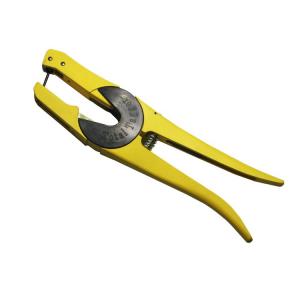
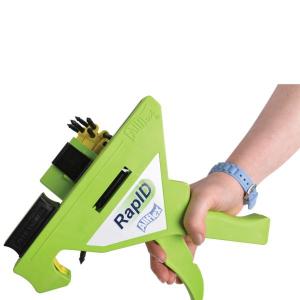
| Installation & Maintenance | Before installation, confirm that the electronic identification number corresponds with the required farm or regulatory records. Load the correct male and female components into the compatible applicator. Safely restrain the sheep and position the tag in an appropriate area of the ear, avoiding major blood vessels and excessively thick tissue. Close the applicator completely to establish a secure connection between the tag components. After installation, scan the RFID tag to confirm successful electronic identification and verify that the displayed electronic number matches the animal record. Periodically inspect ear tags during routine handling and replace damaged visual components where the selected identification system permits replacement. |
||||||||||||||||||||||||
| Project Cases | Large RFID sheep ear tags can form part of complete electronic livestock identification projects for commercial breeding farms, large flock operations and agricultural research facilities. Tags can be supplied as matched sets and connected with electronic weighing, data recording and sorting equipment. In a typical sheep handling project, animals pass through a race where the RFID tag is automatically read. Individual identity can then be linked with live weight and flock records, while an automatic drafting gate directs selected animals according to management criteria. |
||||||||||||||||||||||||
| Product FAQ | Q: What is an RFID sheep ear tag? A: It is an electronic livestock identification tag containing a transponder with a unique identification code that can be read without direct physical contact. Q: What is the advantage of a large visual tag? A: A larger visual area makes management numbers and other markings easier to recognize while retaining electronic identification capability. Q: Is FDX-B available? A: Yes. FDX-B technology is available for compatible sheep and goat electronic identification systems. :contentReference[oaicite:2]{index=2} Q: Can electronic and visual tags be supplied as a matched pair? A: Yes. Electronic and visual identification components can be supplied as matched sets so the visible information corresponds with the electronic animal ID. :contentReference[oaicite:3]{index=3} Q: Can the tag work with electronic weighing systems? A: Yes. Compatible RFID readers can transfer the animal ID to weighing and livestock management systems for individual record keeping. Q: Can the tag be used with automatic drafting gates? A: Yes. RFID identification can be integrated with suitable race readers, weighing indicators and automatic sorting equipment. Q: Can numbering and tag colors be customized? A: Yes. Visual marking, numbering, tag color and packaging can be configured according to project requirements. |
||||||||||||||||||||||||
| Product Gallery | 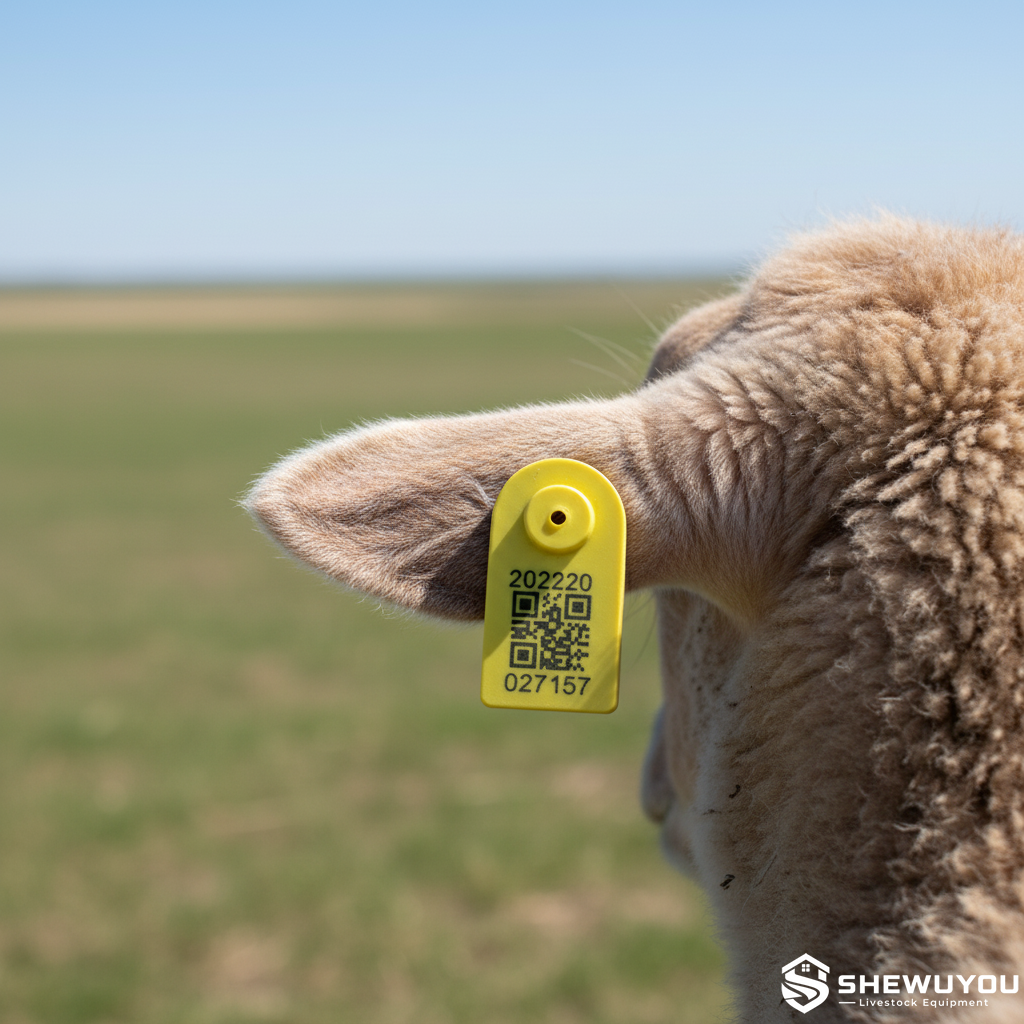  |
- Home
-
Products
- Pig Farming Equipment
- Cattle Farming Equipment
- Sheep & Goat Farming Equipment
- Poultry Farming Equipment
- Feeding & Drinking Systems
- Veterinary & Breeding Equipment
- Testing & Diagnostic Equipment
- Cleaning & Biosecurity Equipment
- Climate Control Equipment
- Livestock Weighing Equipment
- Manure & Waste Management
- Farm Transport & Handling
-
Solutions
- Pig Farm Solutions
- Dairy Farm Solutions
- Beef Cattle Farm Solutions
- Sheep & Goat Farm Solutions
- Layer Farm Solutions
- Broiler Farm Solutions
- Feeding & Drinking System Solutions
- Climate Control Solutions
- Biosecurity & Disinfection Solutions
- Manure & Waste Management
- Smart Farming Solutions
- Farm Renovation and Upgrade Solutions
- Partners
- Projects
- Resources
- News
- About Us
- Contact

Comments & Inquiries
Leave your questions or requirements below. We will reply as soon as possible.