


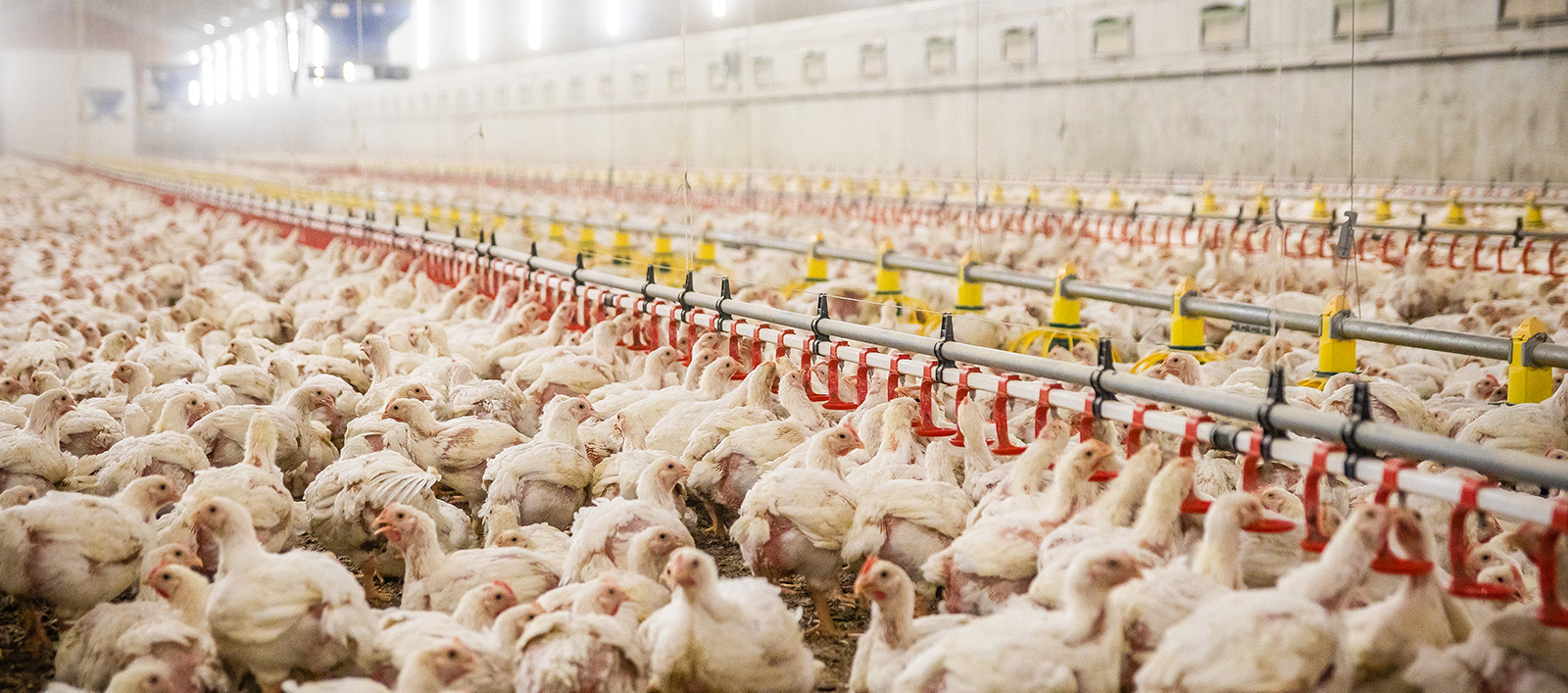


| Product Name | Automatic Drinking Line Flushing System | ||||||||||||||||||||||||
| Product Image |  |
||||||||||||||||||||||||
| Product Overview | The Automatic Drinking Line Flushing System is designed for automated cleaning and water renewal in poultry nipple drinking lines. It can automatically switch the drinking line from normal low-pressure operation to a flushing condition, allowing a higher volume of water to move through the pipeline and discharge through the line-end drainage system. Regular flushing helps remove sediment, feed residues and stagnant water from the drinking line while supporting better water hygiene inside commercial poultry houses. Automatic control reduces the need for operators to manually activate individual flushing valves and makes scheduled water-line management easier on large farms. The system can be integrated with pressure regulators, nipple drinking pipes, end-of-line drain assemblies and poultry house controllers. Configuration can be adapted according to drinking-line quantity, poultry house length, water supply conditions and project requirements. |
||||||||||||||||||||||||
| Key Features |
|
||||||||||||||||||||||||
| Structural Components | A typical automatic drinking line flushing system may include:
|
||||||||||||||||||||||||
| Working Principle | During normal drinking operation, the pressure regulator maintains the low water pressure required for poultry nipple drinkers. When a flushing cycle is activated, the flushing actuator changes the regulator or valve position so that a larger water flow can pass through the drinking line. Water travels rapidly along the pipeline and is discharged through the flushing outlet or end drain. This increased flow helps carry loose deposits, suspended particles and stagnant water out of the line. After the programmed flushing period is completed, the system returns to normal drinking mode and restores the required operating pressure for the nipple drinkers. Depending on the control configuration, flushing can be initiated according to a scheduled program or other system inputs. Advanced installations may also use water temperature or turbidity information as part of automatic water-line management. |
||||||||||||||||||||||||
| Technical Specifications |
|
||||||||||||||||||||||||
| Applications |
|
||||||||||||||||||||||||
| Customization Options |
|
||||||||||||||||||||||||
| Installation & Maintenance | The flushing actuator and pressure-regulating components should be installed at the inlet side of each drinking line according to the system layout. The opposite end of the line should be connected to a suitable flushing outlet and drainage system so discharged water can be removed efficiently from the poultry house. Before commissioning, all pipe connections, valves, pressure regulators and drainage hoses should be checked for secure installation. The normal drinking pressure and flushing mode should then be tested separately. Flushing programs should be selected according to water quality, ambient temperature, poultry production stage and farm management practices. Drinking lines should also be flushed after the use of applicable water-soluble additives and as part of cleaning procedures between production cycles. Routine maintenance includes checking actuators, valves, pressure regulators, line-end outlets and drainage connections for correct operation and keeping flushing passages free from obstruction. |
||||||||||||||||||||||||
| Project Cases | In commercial poultry projects, automatic flushing equipment can be integrated with multiple nipple drinking lines across one or more poultry houses. Each line or group of lines can be connected to the flushing controller according to the building layout and water-management strategy. For large livestock equipment projects, the flushing system can be planned together with water control panels, filtration equipment, pressure regulators, nipple drinking lines, medication dosing equipment and centralized drainage systems. System quantities and layouts can be prepared according to poultry house drawings, line lengths, bird production type and project requirements. |
||||||||||||||||||||||||
| Product FAQ | Q: What is the purpose of an automatic drinking line flushing system? A: It automatically creates a higher water flow through the drinking line to discharge loose sediment, residues and stagnant water through the line-end drain. Q: Can it replace manual flushing? A: Automatic flushing can substantially reduce routine manual activation of individual lines. Periodic inspection and complete drinking-system cleaning are still required as part of normal farm maintenance. Q: Can the flushing interval be adjusted? A: Yes. When used with a compatible controller, the flushing schedule and duration can be configured according to farm requirements. Q: Can it be installed on an existing poultry drinking line? A: Retrofit installation may be possible when the existing regulator, pipeline and end-of-line components are compatible. Final compatibility should be confirmed before installation. Q: Can multiple drinking lines be controlled? A: Yes. Multi-line and zoned configurations are available according to the poultry house design and control requirements. Q: When should poultry drinking lines be flushed? A: Flushing frequency depends on water quality, temperature, additives, production conditions and farm hygiene procedures. Regular flushing is particularly useful for replacing stagnant or warm water and removing loose deposits from the pipeline. |
||||||||||||||||||||||||
| Product Gallery |  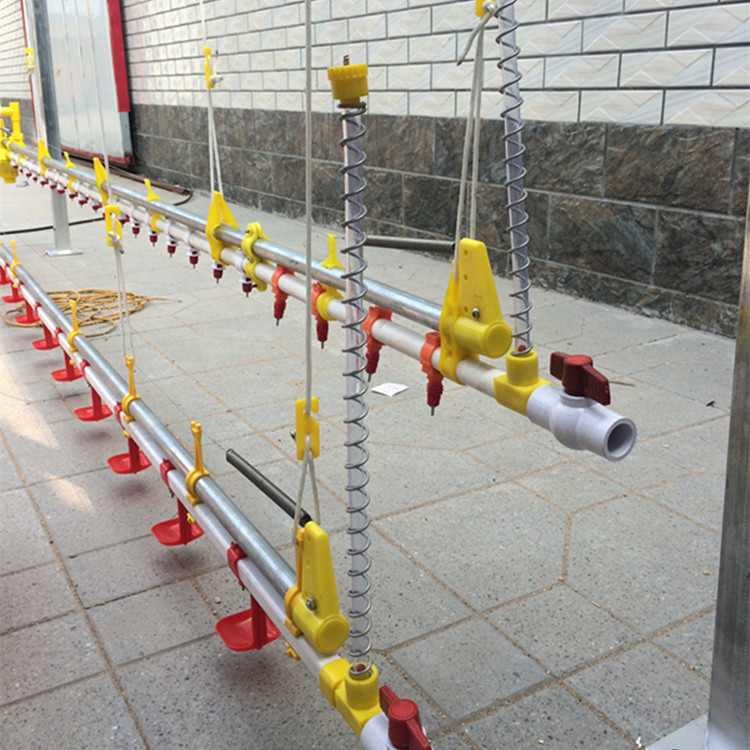 |
- Home
-
Products
- Pig Farming Equipment
- Cattle Farming Equipment
- Sheep & Goat Farming Equipment
- Poultry Farming Equipment
- Feeding & Drinking Systems
- Veterinary & Breeding Equipment
- Testing & Diagnostic Equipment
- Cleaning & Biosecurity Equipment
- Climate Control Equipment
- Livestock Weighing Equipment
- Manure & Waste Management
- Farm Transport & Handling
-
Solutions
- Pig Farm Solutions
- Dairy Farm Solutions
- Beef Cattle Farm Solutions
- Sheep & Goat Farm Solutions
- Layer Farm Solutions
- Broiler Farm Solutions
- Feeding & Drinking System Solutions
- Climate Control Solutions
- Biosecurity & Disinfection Solutions
- Manure & Waste Management
- Smart Farming Solutions
- Farm Renovation and Upgrade Solutions
- Partners
- Projects
- Resources
- News
- About Us
- Contact




Comments & Inquiries
Leave your questions or requirements below. We will reply as soon as possible.