
| Product Showcase | Content | ||||||||||||||||||||||
|---|---|---|---|---|---|---|---|---|---|---|---|---|---|---|---|---|---|---|---|---|---|---|---|
| Product Name | Tilt / Layover Cattle Hoof Trimming Chute | ||||||||||||||||||||||
| Product Image | 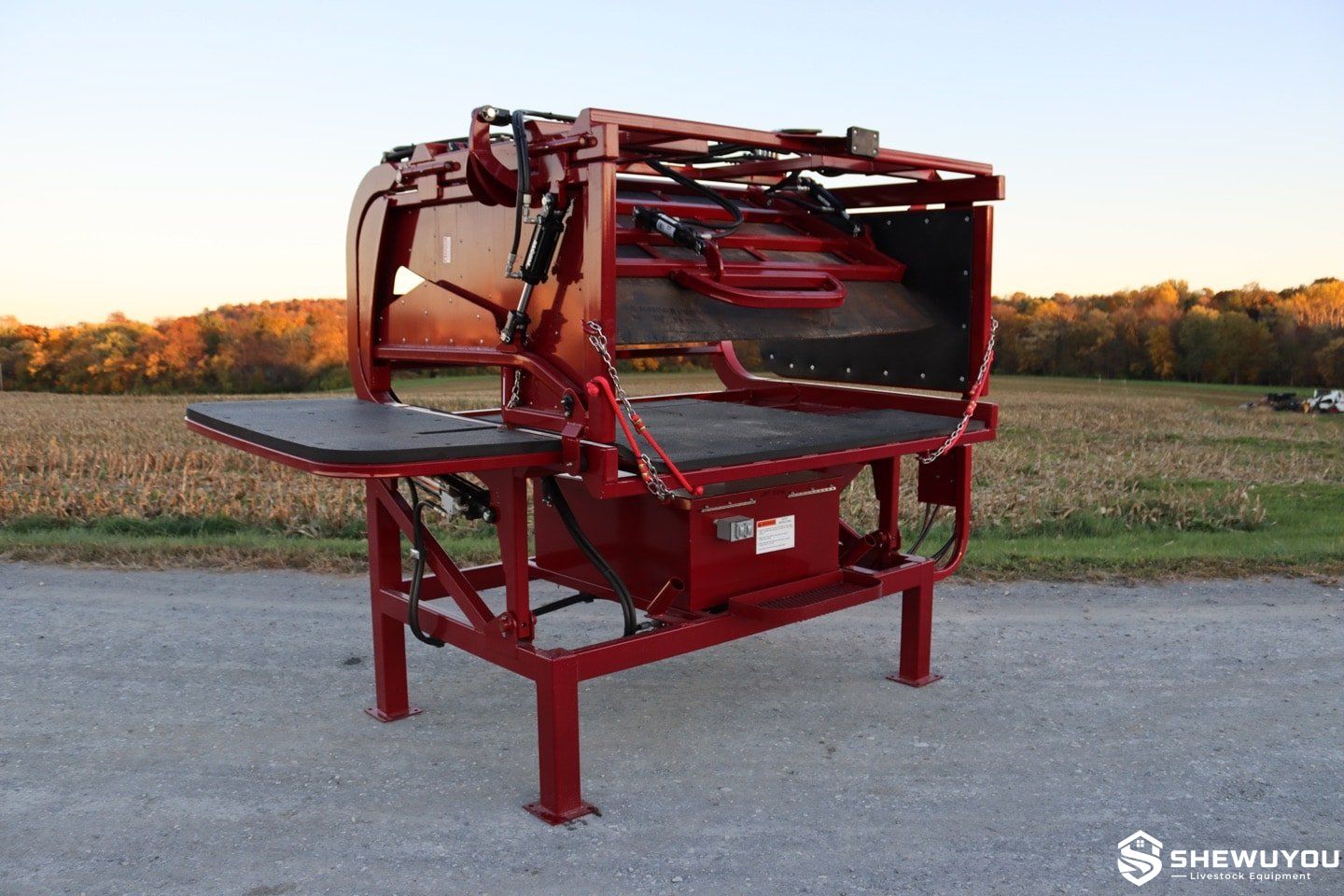 |
||||||||||||||||||||||
| Product Overview |
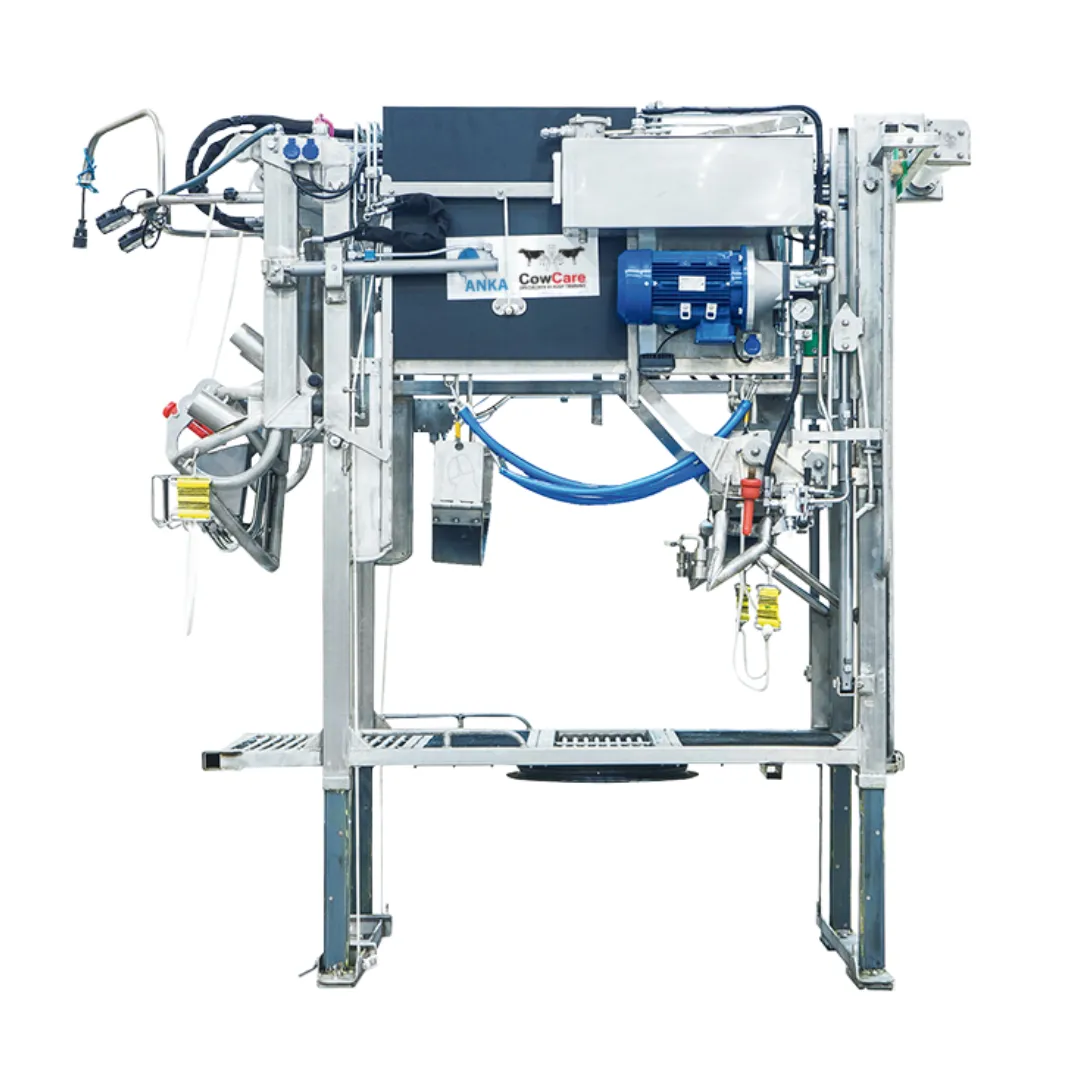
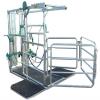
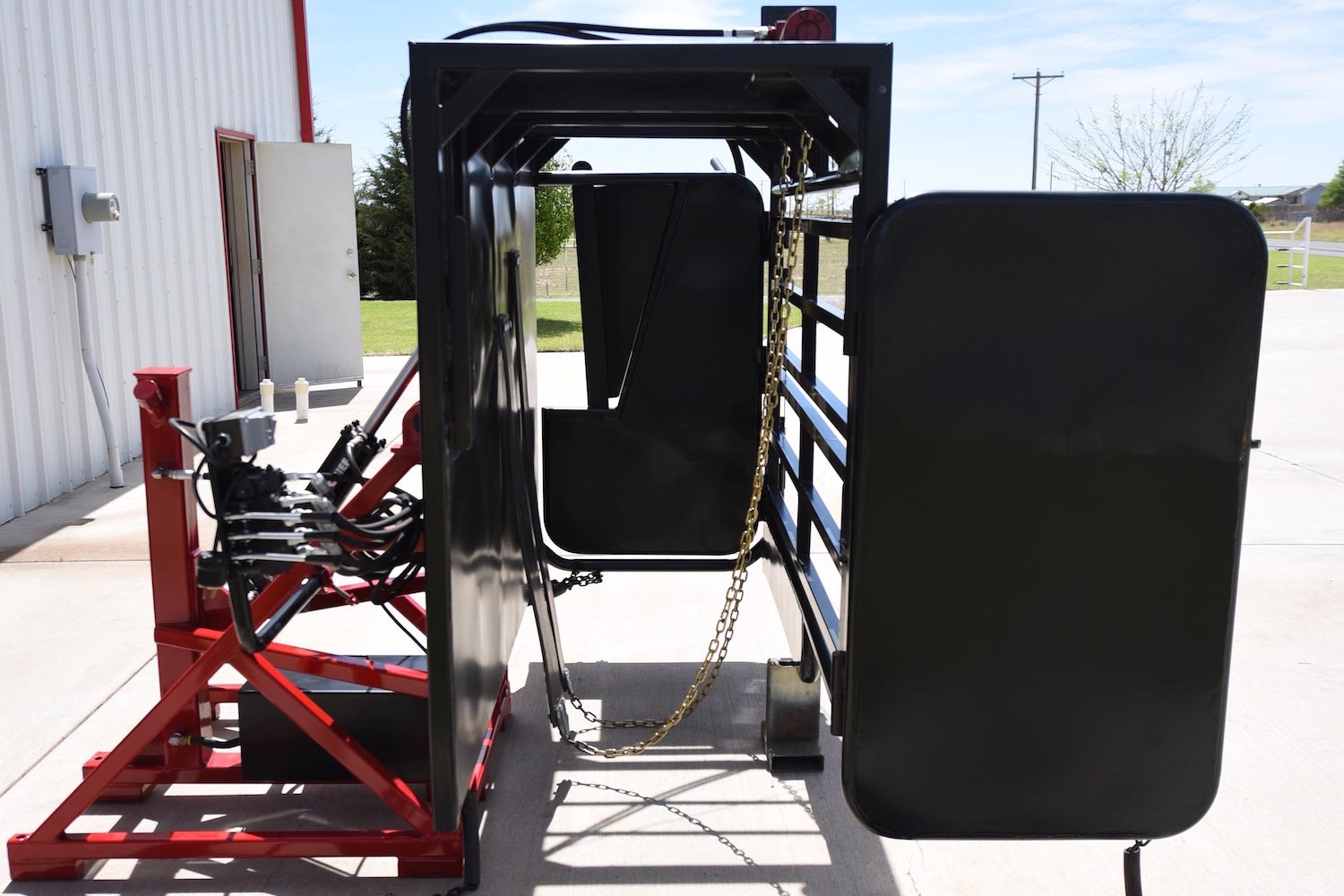
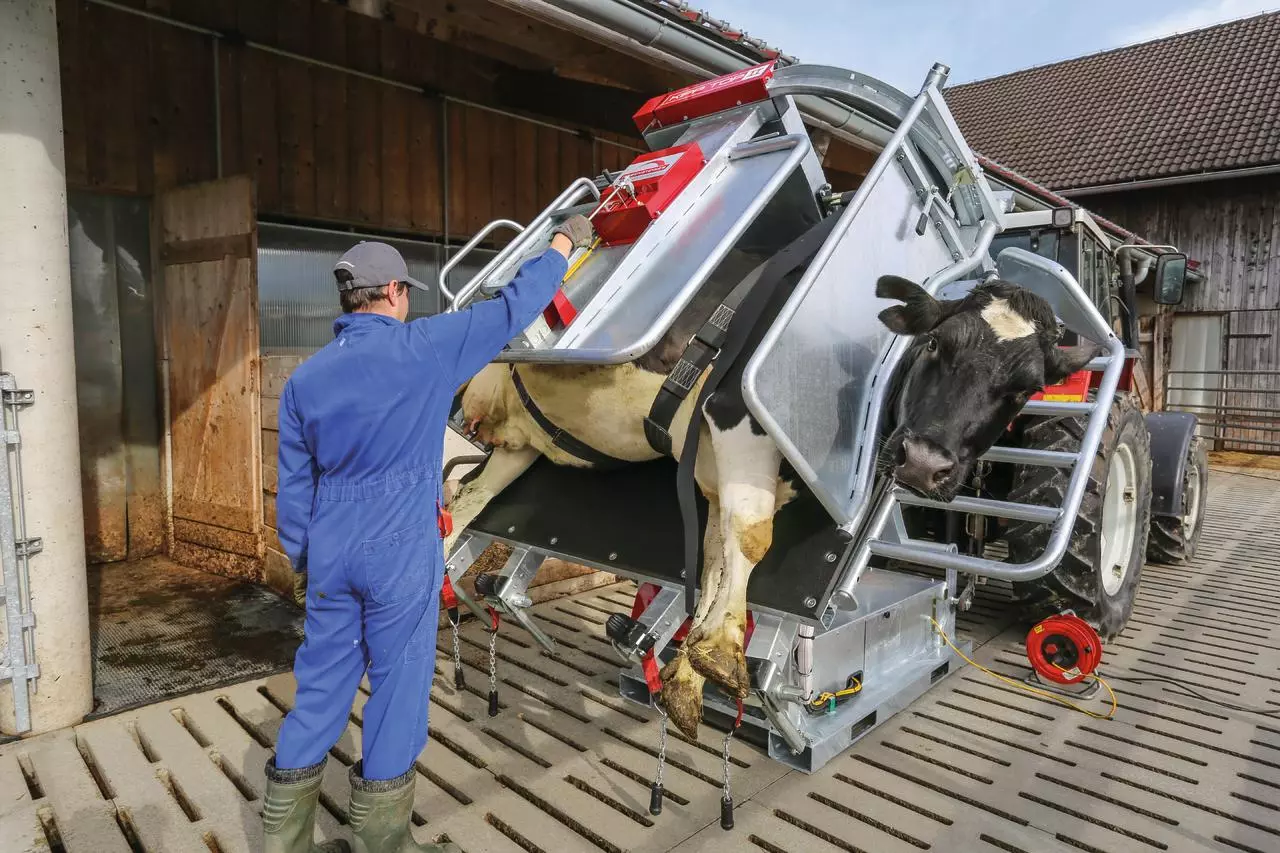
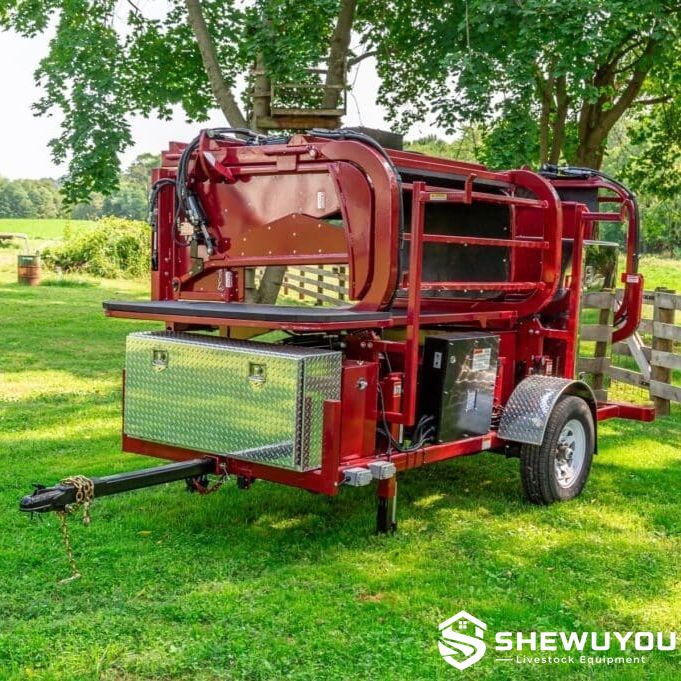
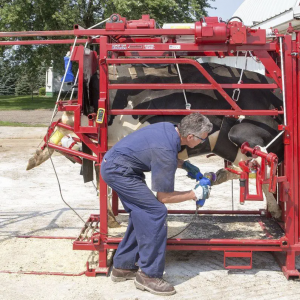
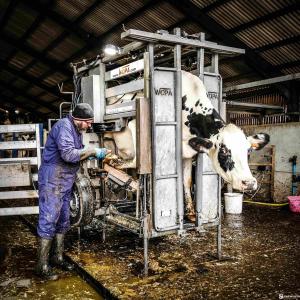
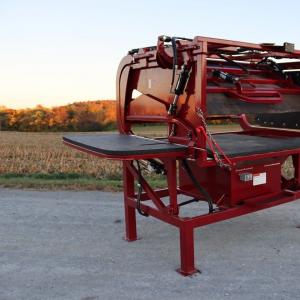
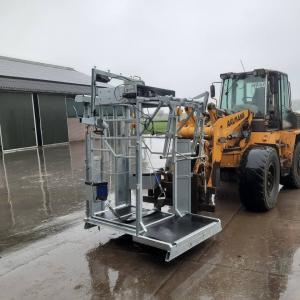
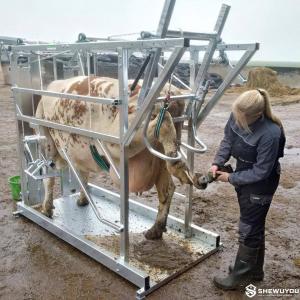
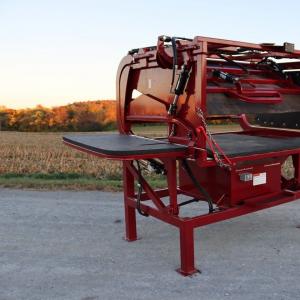
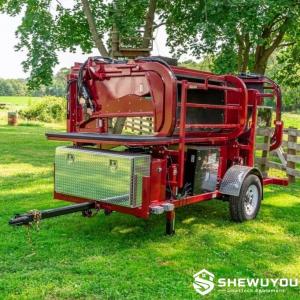
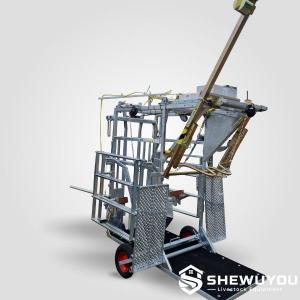
The Tilt / Layover Cattle Hoof Trimming Chute is a professional cattle restraint system designed to rotate or tilt the animal from a standing position into a secure side-working position. This layout provides convenient access to the hooves while reducing the amount of bending, lifting and difficult leg handling required from the operator. The system combines a heavy-duty structural steel frame, cattle entrance and restraint assemblies, body-support components, a padded layover platform and a controlled tilting mechanism. Hydraulic configurations are available to simplify cattle positioning and improve workflow in commercial dairy farms, cattle treatment facilities and professional hoof-trimming operations. Stationary, portable and project-specific configurations can be engineered according to cattle size, farm layout, handling requirements and local operating conditions. The chute can also be coordinated with cattle alleys, holding pens, sorting gates and other livestock equipment. |
||||||||||||||||||||||
| Key Features |
|
||||||||||||||||||||||
| Structural Components |
|
||||||||||||||||||||||
| Working Principle |
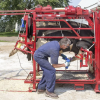
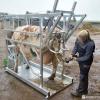
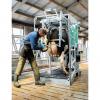
The cow enters the chute in a normal standing position through the cattle alley. Once the animal is correctly positioned, the head restraint and rear or side restraint components are engaged. A belly support, squeeze panel or other body-stabilizing arrangement is then used to support the animal before the tilting cycle begins. The layover assembly rotates in a controlled manner until the cow reaches the required side-working position. The animal is supported by the padded table or side panel while the legs are individually restrained and positioned for hoof trimming. With the hooves elevated into an accessible working area, the technician can perform routine trimming, inspection, cleaning or hoof treatment with reduced need for manual leg lifting. After hoof-care work is completed, the restraints are released in sequence and the table is returned to the upright position. The animal is then released into the exit alley, return lane or sorting area. |
||||||||||||||||||||||
| Technical Specifications |
Final dimensions, hydraulic configuration, cattle capacity, electrical requirements and accessories are confirmed according to the individual farm project. |
||||||||||||||||||||||
| Applications |
|
||||||||||||||||||||||
| Customization Options |
The chute can be adapted to different cattle-handling systems and farm layouts. Customization options may include:
|
||||||||||||||||||||||
| Installation & Maintenance |
Foundation and positioning: Stationary units should be installed on a flat, reinforced concrete working surface with sufficient clearance for the full tilt movement, cattle entry and exit, operator access and maintenance activities. Cattle-flow integration: The entrance should align with the cattle raceway or holding area to encourage straightforward animal movement. Exit gates can be connected to a return alley, treatment lane or sorting system according to the farm layout. Hydraulic installation: Hydraulic hoses, cylinders and power-unit connections should be protected against impact and positioned for convenient inspection. Hydraulic service should be performed by qualified personnel. Electrical installation: Electrical controls and power components should be installed according to local electrical standards and protected appropriately for the livestock-building environment. Routine maintenance: Inspect pivot points, restraint mechanisms, hydraulic hoses, cylinders, fittings, pins, fasteners, safety devices and padding regularly. Lubricate moving components where required and replace worn parts before continued operation. Cleaning: Remove manure, hoof material and debris after use. Regular cleaning helps maintain hygiene, protects moving components and extends the service life of the chute. |
||||||||||||||||||||||
| Farm Integration |
In commercial dairy facilities, the tilt hoof trimming chute can be installed in a dedicated hoof-care area beside a cattle return lane, sorting alley or veterinary treatment zone. This arrangement allows selected animals to be directed into the trimming area without interrupting normal herd movement more than necessary. For new livestock construction projects, chute placement can be coordinated with the steel structure building layout, concrete flooring, drainage system, electrical supply, cattle gates, raceways and surrounding livestock equipment. For renovation projects, equipment dimensions and entrance direction can be adapted to available building space and existing cattle-flow arrangements according to project requirements. |
||||||||||||||||||||||
| Product FAQ |
Q: What is a tilt or layover cattle hoof trimming chute? A: It is a cattle restraint system that secures the animal while standing and then rotates it into a supported side position, allowing the operator to access the hooves more conveniently. Q: What is the main advantage of a layover chute? A: The layover configuration brings the hooves into an accessible working position and can reduce repetitive bending and manual leg lifting during professional hoof-care work. Q: Can the chute tilt to either side? A: Left-side and right-side configurations can be supplied according to the building layout and operator preference. Q: Is hydraulic operation available? A: Yes. Hydraulic operation can be applied to the tilt system and other restraint functions according to the selected equipment configuration. Q: Can the chute be customized for different cattle sizes? A: Yes. Structural dimensions and restraint configuration can be adjusted according to cattle breed, body size and project requirements. Q: Can it be installed in an existing dairy barn? A: Yes. Installation can be adapted to existing cattle alleys and treatment areas after the available space, floor conditions and cattle-flow direction are confirmed. Q: Is corrosion-resistant treatment available? A: Yes. Painted, powder-coated, galvanized or other protective finishes can be selected according to the project environment. Q: Can the chute be integrated with other cattle-handling equipment? A: Yes. The chute can be coordinated with holding pens, cattle alleys, sorting gates, crowd gates and other livestock handling equipment according to the overall farm design. |
||||||||||||||||||||||
| Product Gallery |
|
- Home
-
Products
- Pig Farming Equipment
- Cattle Farming Equipment
- Sheep & Goat Farming Equipment
- Poultry Farming Equipment
- Feeding & Drinking Systems
- Veterinary & Breeding Equipment
- Testing & Diagnostic Equipment
- Cleaning & Biosecurity Equipment
- Climate Control Equipment
- Livestock Weighing Equipment
- Manure & Waste Management
- Farm Transport & Handling
-
Solutions
- Pig Farm Solutions
- Dairy Farm Solutions
- Beef Cattle Farm Solutions
- Sheep & Goat Farm Solutions
- Layer Farm Solutions
- Broiler Farm Solutions
- Feeding & Drinking System Solutions
- Climate Control Solutions
- Biosecurity & Disinfection Solutions
- Manure & Waste Management
- Smart Farming Solutions
- Farm Renovation and Upgrade Solutions
- Partners
- Projects
- Resources
- News
- About Us
- Contact
Comments & Inquiries
Leave your questions or requirements below. We will reply as soon as possible.