
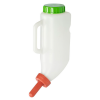
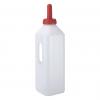
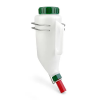
| Product Showcase | Content | ||||||||||||||||||||||
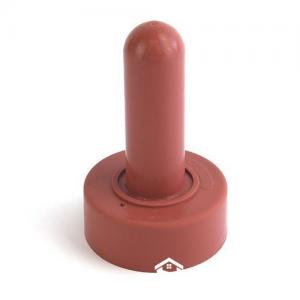
| Product Name | Replacement Rubber Teat for Calf Bottles | ||||||||||||||||||||||
| Product Image | 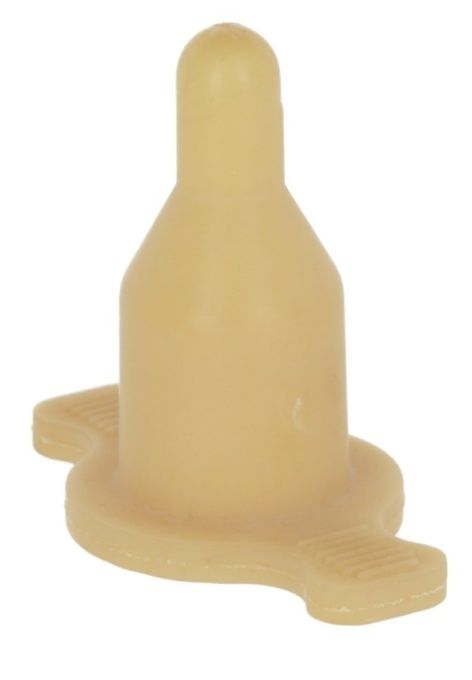 |
||||||||||||||||||||||
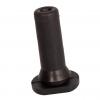
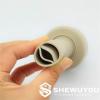
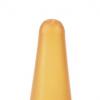
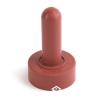
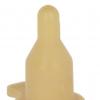
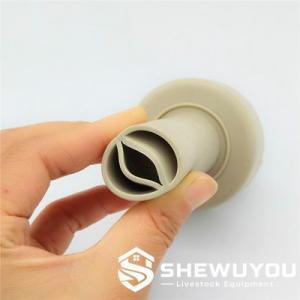
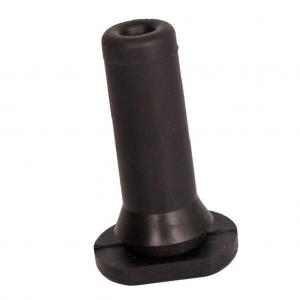
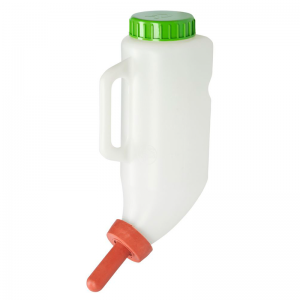
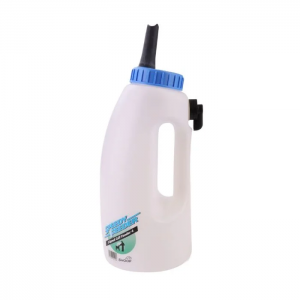
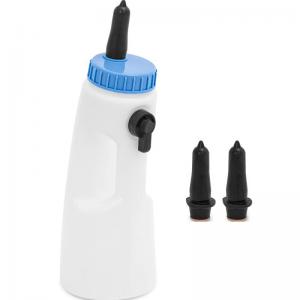
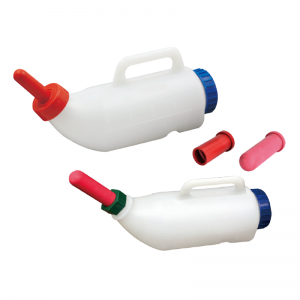
| Product Overview | The Replacement Rubber Teat for Calf Bottles is a soft, durable feeding accessory designed for routine replacement on compatible calf milk bottles used in commercial dairy farms, calf-rearing centers and livestock breeding operations. The 100 mm reference teat is manufactured from flexible rubber and incorporates lateral pull-on tabs that make installation over a compatible bottle neck easier. The soft material provides a practical suckling surface for calves while maintaining the durability required for repeated farm use. Regular teat replacement helps maintain consistent feeding performance and simplifies hygiene management where calf bottles are used daily for colostrum, whole milk or correctly prepared milk replacer. |
||||||||||||||||||||||
| Key Features |
|
||||||||||||||||||||||
| Structural Components |
|
||||||||||||||||||||||
| Working Principle | Install the Teat: Position the teat over the neck of a compatible calf feeding bottle and use the two side tabs to stretch the rubber base into place. Check the Fit: Confirm that the teat base is evenly seated around the bottle neck before adding or presenting milk to the calf. Calf Suckling: During feeding, the calf applies natural sucking pressure to draw milk through the teat opening. Inspect Between Feedings: Check the teat regularly for cracking, hardening, deformation, enlarged openings or other wear that could affect feeding performance. Replace When Required: Remove worn teats and fit a clean replacement to maintain reliable bottle-feeding operation. |
||||||||||||||||||||||
| Technical Specifications |
|
||||||||||||||||||||||
| Applications |
|
||||||||||||||||||||||
| Customization Options |
|
||||||||||||||||||||||
| Installation & Maintenance | Before installation, confirm that the bottle neck is compatible with the replacement teat. Inspect the rubber for damage and ensure that both the bottle and teat are clean. Stretch the teat base over the bottle neck using the side tabs. Make sure the base is evenly seated and cannot easily slip off during calf feeding. After every feeding, remove milk residue and clean the teat using procedures suitable for calf-feeding equipment. Rinse thoroughly and allow the teat to dry in a clean, ventilated area. Inspect teats regularly for cracks, hardening, swelling, deformation or excessive enlargement of the milk opening. Replace worn components promptly rather than continuing to use damaged feeding accessories. |
||||||||||||||||||||||
| Product FAQ | Q: What material is the calf bottle teat made from? A: The reference configuration is manufactured from soft, durable rubber. Q: What is the reference teat length? A: The calf version has a reference length of 100 mm. Q: What are the two side tabs used for? A: The tabs provide additional grip when stretching the rubber teat over the neck of a compatible feeding bottle. Q: Will the teat fit every calf bottle? A: Bottle-neck dimensions and fitting style should be checked before ordering. Compatibility can vary between bottle designs. Q: How often should calf bottle teats be replaced? A: Replacement frequency depends on use and cleaning conditions. Teats should be changed whenever cracking, hardening, deformation or excessive opening wear is observed. Q: Can the teat be used with whole milk and milk replacer? A: Yes. It is suitable for normal calf bottle-feeding applications using appropriate whole milk, colostrum or correctly prepared milk replacer. Q: Can different sizes and packaging quantities be supplied? A: Yes. Alternative dimensions, colors and bulk packaging can be supplied according to project requirements. |
||||||||||||||||||||||
| Product Gallery | 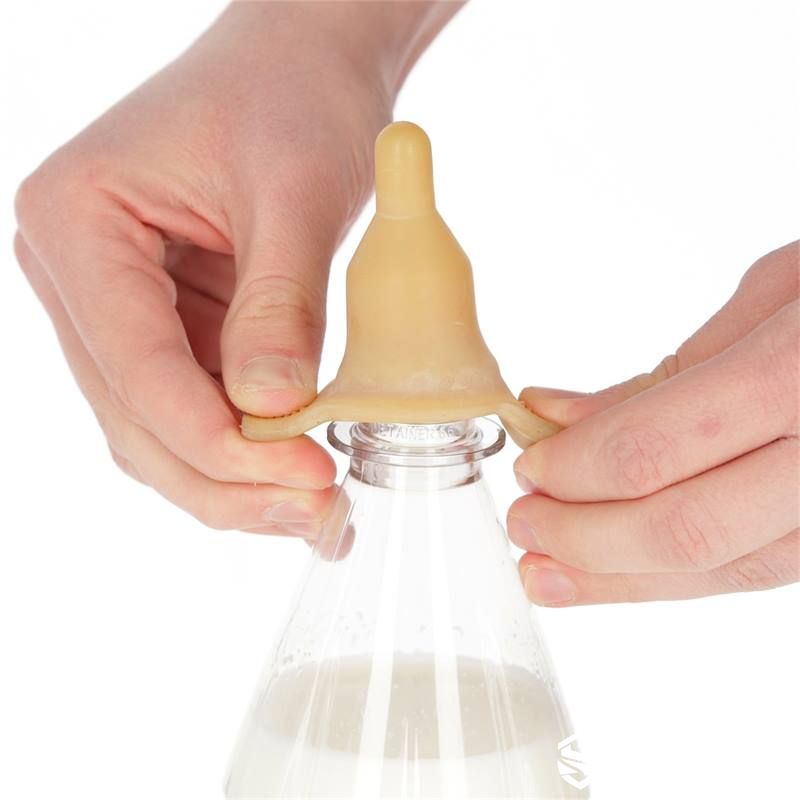 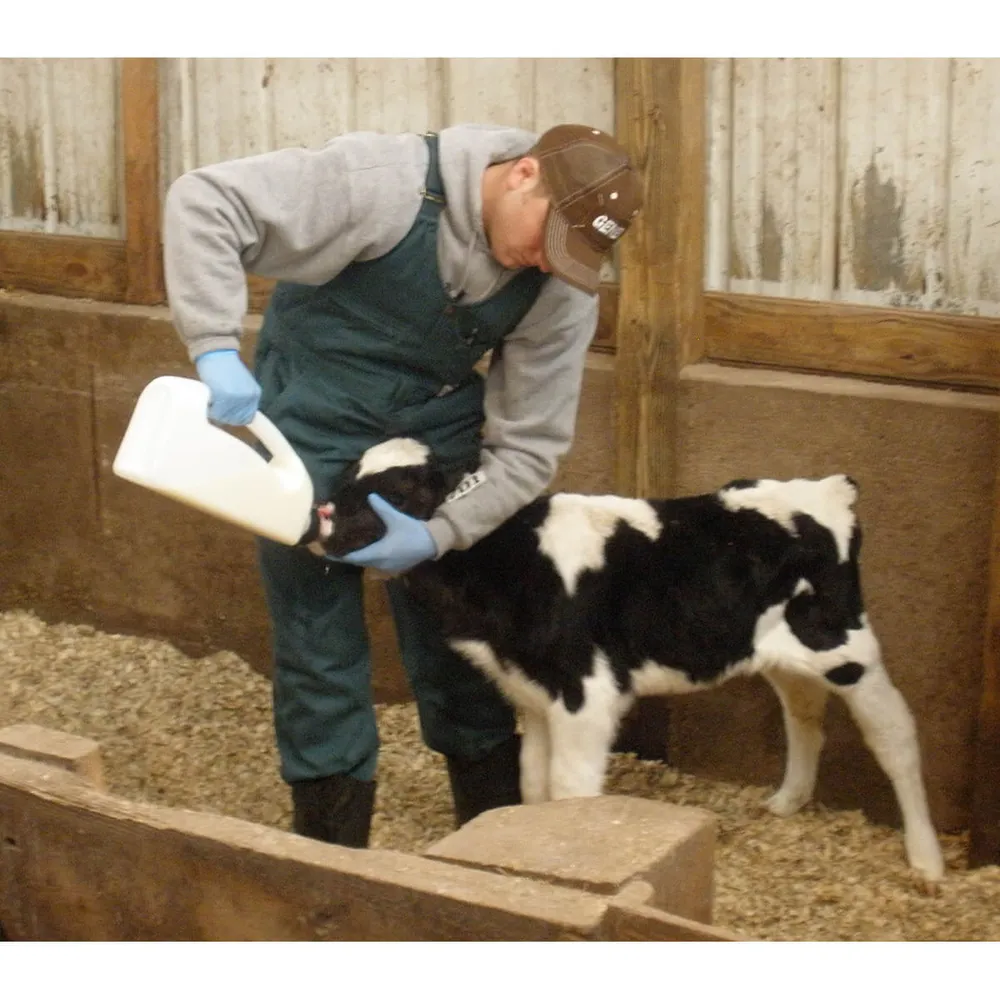 |
- Home
-
Products
- Pig Farming Equipment
- Cattle Farming Equipment
- Sheep & Goat Farming Equipment
- Poultry Farming Equipment
- Feeding & Drinking Systems
- Veterinary & Breeding Equipment
- Testing & Diagnostic Equipment
- Cleaning & Biosecurity Equipment
- Climate Control Equipment
- Livestock Weighing Equipment
- Manure & Waste Management
- Farm Transport & Handling
-
Solutions
- Pig Farm Solutions
- Dairy Farm Solutions
- Beef Cattle Farm Solutions
- Sheep & Goat Farm Solutions
- Layer Farm Solutions
- Broiler Farm Solutions
- Feeding & Drinking System Solutions
- Climate Control Solutions
- Biosecurity & Disinfection Solutions
- Manure & Waste Management
- Smart Farming Solutions
- Farm Renovation and Upgrade Solutions
- Partners
- Projects
- Resources
- News
- About Us
- Contact
Comments & Inquiries
Leave your questions or requirements below. We will reply as soon as possible.