| Product Name |
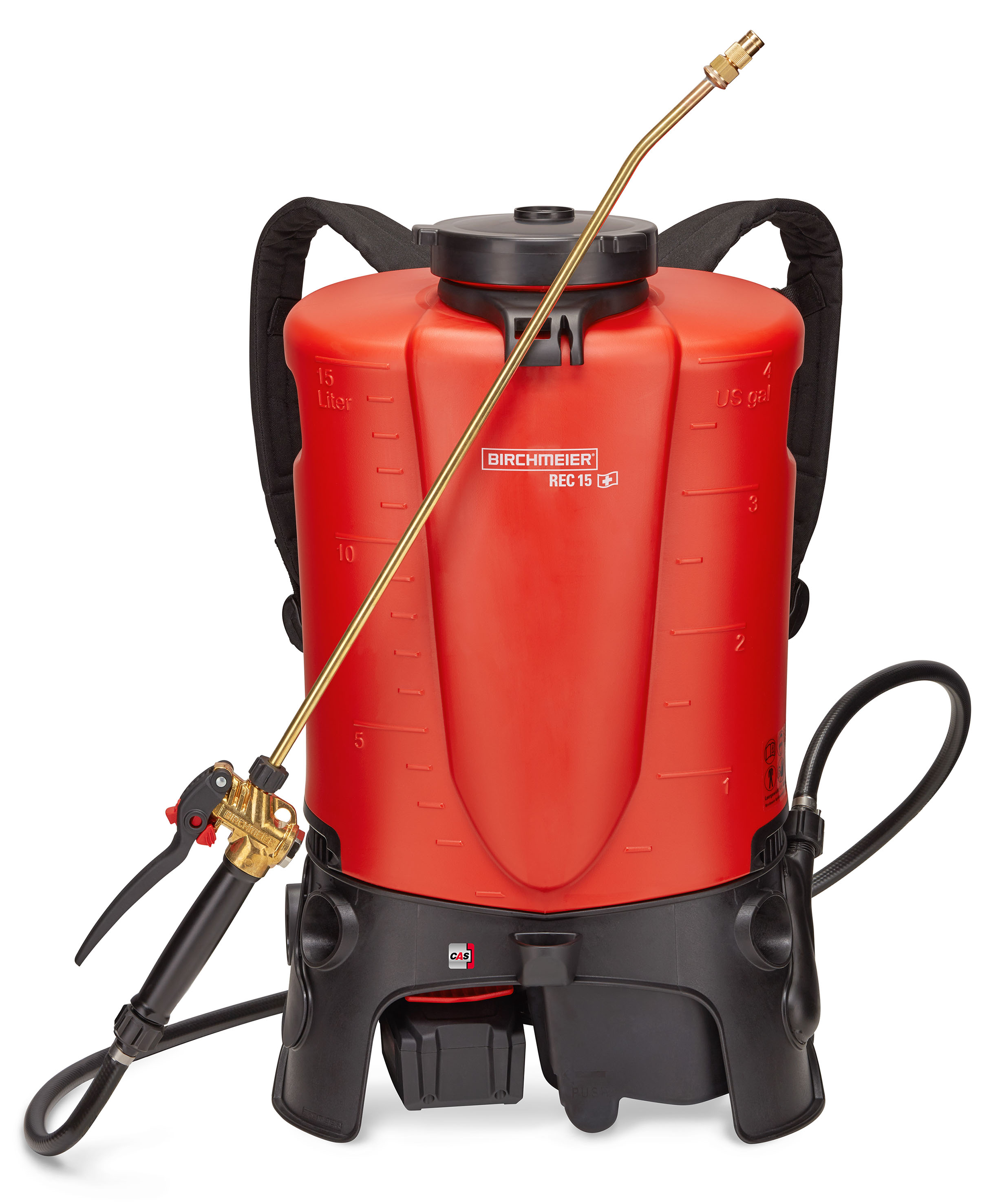
Chemical Resistant Backpack Sprayer |
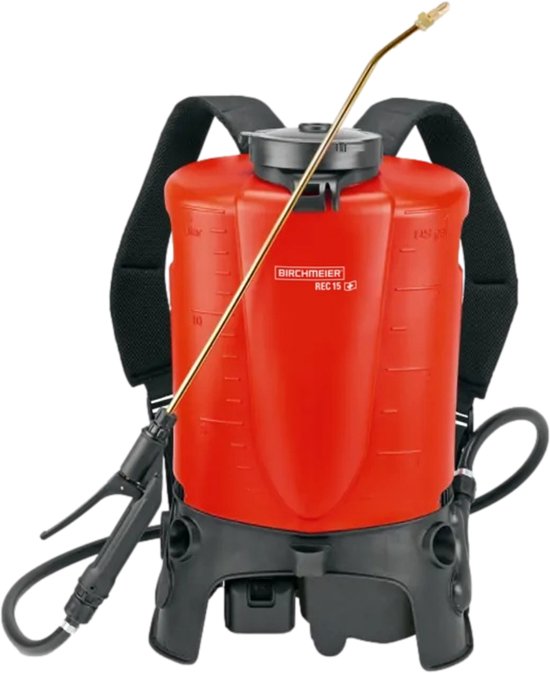
| Product Image |
 |
| Product Overview |
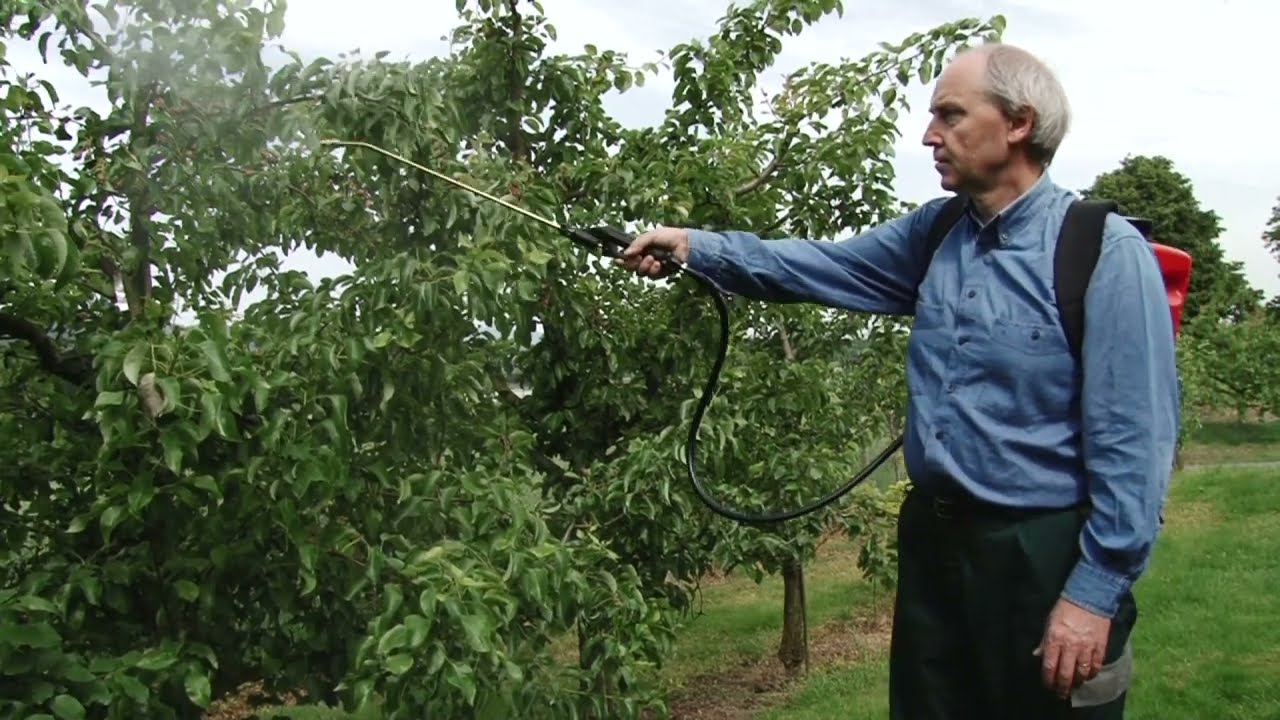
The Chemical Resistant Backpack Sprayer is a portable pressure spraying solution designed for professional agricultural, livestock and sanitation applications. Its backpack configuration allows operators to move easily through livestock houses, farm service areas, agricultural facilities and designated treatment zones without requiring fixed installation.
The system can be configured with a chemical-compatible tank, pressure pump, hose, shut-off valve, spray lance and application-specific nozzle. Wetted materials can be selected according to the intended liquid, concentration and operating conditions.
For commercial livestock projects, the sprayer can be used for compatible disinfectants, sanitation solutions and other approved liquids. Chemical compatibility should always be verified for the complete liquid-contact system before operation. |
| Key Features |
- Chemical-Compatible Construction: Wetted components can be selected according to the characteristics of the intended liquid.
- Professional Backpack Design: Portable structure supports flexible operation throughout livestock and agricultural facilities.
- Manual Pressure Spraying: Operates without a fixed electrical connection or centralized spraying system.
- Durable Pressure System: Designed for reliable liquid delivery during professional spraying tasks.
- Large Filling Opening: Convenient filling, inspection and routine cleaning.
- Replaceable Nozzles: Different spray patterns can be selected according to the application.
- Ergonomic Harness: Adjustable shoulder straps support comfortable carrying during mobile operation.
- Serviceable Components: Pump, hose, valve, seals and nozzle assemblies can be inspected and replaced.
- Farm-Friendly Mobility: Suitable for barns, corridors, equipment rooms, service areas and other designated treatment zones.
- Project Customization: Tank capacity, pump configuration, nozzle, hose and sealing materials can be customized according to project requirements.
|
| Structural Components |
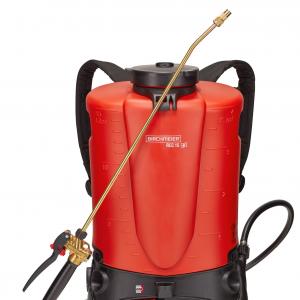
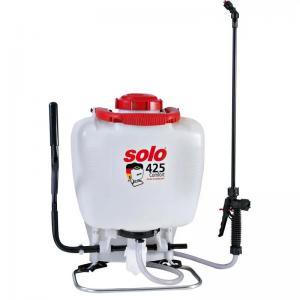
- Chemical-Resistant Tank: Molded tank designed with materials selected for the intended liquid.
- Pump Assembly: Manual pressure pump for generating spraying pressure.
- Pressure Chamber: Supports stable liquid delivery through the spraying circuit.
- Pump Lever: Provides manual pressure generation during operation.
- Flexible Hose: Transfers pressurized liquid from the tank and pump assembly to the spray valve.
- Shut-Off Valve: Controls liquid flow to the spray lance.
- Spray Lance: Directs liquid toward the treatment surface.
- Nozzle Assembly: Determines spray pattern and liquid distribution.
- Tank Filter: Helps prevent particles from entering the pump and nozzle system.
- Carrying Harness: Adjustable shoulder straps support mobile operation.
- Seals and Gaskets: Selected according to the required chemical compatibility.
|
| Working Principle / Structural Principle |
The operator fills the tank with an approved and compatible spraying liquid. The manual pump is operated to pressurize the liquid circuit.
When the shut-off valve is opened, pressurized liquid flows through the hose and spray lance to the selected nozzle. The nozzle converts the liquid flow into the required spray pattern.
Different nozzle types can be selected for surface spraying, targeted application or finer spray distribution. Operating pressure and nozzle selection should be matched to the liquid formulation and application requirements.
Chemical resistance depends on the complete wetted system. Tank, hose, seals, fittings, pump components and nozzle materials should be verified against the actual chemical formulation, concentration, temperature and operating pressure. |
| Technical Specifications |
| Product Type |
Chemical Resistant Backpack Sprayer |
| Operation |
Manual pressure spraying |
| Tank Capacity |
Customizable; 15 L configuration available upon request |
| Pump Type |
Piston or diaphragm configuration according to application |
| Working Pressure |
Model dependent; available according to selected pump and pressure-control configuration |
| Nozzle Options |
Adjustable, fan spray, hollow cone and other compatible configurations |
| Tank Material |
Chemical-compatible plastic; exact material according to application |
| Fitting Materials |
Plastic, stainless steel or other compatible materials according to configuration |
| Sealing Material |
Chemical-compatible elastomer; available according to liquid requirements |
| Hose Length |
Customizable according to operating requirements |
| Installation |
Portable; no fixed installation required |
| Customization |
Available according to project requirements |
Final specifications depend on the selected pump, tank, nozzle, sealing material and intended chemical application.
|
| Applications |
- Commercial Pig Farms: Application of compatible sanitation and disinfection solutions in approved treatment areas.
- Poultry Houses: Treatment of suitable washable surfaces and farm equipment.
- Farrowing and Nursery Units: Portable spraying during approved cleaning and sanitation procedures.
- Finishing Houses: Application to compatible floors, partitions, corridors and equipment.
- Breeding Facilities: Mobile spraying in designated sanitation and service areas.
- Livestock Equipment: Treatment of compatible panels, crates, carts, tools and farm equipment.
- Farm Biosecurity Areas: Portable spraying at designated sanitation points and controlled-access zones.
- Agricultural Facilities: Application of compatible agricultural and maintenance liquids.
- Farm Engineering Projects: Can be supplied as part of livestock building construction, renovation and biosecurity equipment packages.
|
| Customization Options |
The sprayer can be configured according to chemical compatibility, farm layout, operating procedures and procurement requirements.
- Tank Capacity: Customizable according to required liquid volume.
- Material Selection: Tank, hose, seals, fittings and nozzle materials can be selected according to chemical compatibility.
- Pump Configuration: Piston or diaphragm pump options available according to the application.
- Pressure Control: Adjustable pressure-control configurations available upon request.
- Nozzle Selection: Different spray patterns available according to surface and liquid requirements.
- Spray Lance: Standard or extended configurations available.
- Hose Length: Customizable according to farm layout and operator movement.
- Harness: Adjustable carrying configuration according to ergonomic requirements.
- OEM / ODM: Product labeling, packaging and accessory configurations available according to project requirements.
- Climate Adaptation: Designed according to local climate and farm conditions.
|
| Installation & Maintenance |
Installation: No permanent installation is required. Connect the hose and spray lance, inspect the nozzle and pump assembly, fill the tank with a compatible liquid and pressurize the system before operation.
- Confirm chemical compatibility of all liquid-contact components before filling.
- Inspect the tank, pump, hose, valve, spray lance, nozzle and seals before use.
- Check the tank filter and filling strainer for contamination.
- Prepare the spraying liquid according to the chemical manufacturer's instructions.
- Fill the tank without exceeding the recommended filling level.
- Operate the pump to establish the required spraying pressure.
- Test the spray pattern before starting the main application.
- Flush the tank, pump, hose and nozzle after each use.
- Clean the filter and nozzle regularly to reduce blockage.
- Inspect hoses, seals, fittings and pump components for wear or leakage.
- Replace damaged chemical-contact components with compatible spare parts.
- Store the equipment clean, dry and protected from unsuitable temperatures and prolonged environmental exposure.
Chemical compatibility should be rechecked whenever the spraying formulation, concentration or operating conditions change.
|
| Project Cases |
For commercial livestock projects, the Chemical Resistant Backpack Sprayer can be supplied as part of a mobile sanitation and biosecurity equipment package for pig houses, poultry houses, breeding facilities, nursery units and farm service buildings.
For livestock groups, agricultural engineering companies, distributors and farm equipment contractors, multiple units can be configured according to the number of buildings, chemical formulation, spraying method and operator requirements.
For new pig farm construction and renovation projects, the portable sprayer can complement fixed or centralized washing and disinfection systems by providing flexible treatment capability in areas where mobile equipment is more practical. |
| Product FAQ |
Q: What makes a backpack sprayer chemical resistant?
A: Chemical resistance depends on the compatibility of the tank, pump, hose, seals, fittings and nozzle materials with the specific liquid. The complete wetted system should be selected for the actual formulation.
Q: Can it be used for livestock farm disinfection?
A: Yes. It can be configured for compatible disinfectants and sanitation solutions when all liquid-contact materials are suitable for the selected formulation.
Q: Can the sprayer handle different chemical formulations?
A: Yes, subject to chemical compatibility. The appropriate tank, hose, seal, pump and nozzle materials should be confirmed for each formulation.
Q: What tank capacities are available?
A: Tank capacity is customizable according to project requirements. A 15 L configuration is available upon request.
Q: What nozzle types can be supplied?
A: Adjustable, fan spray, hollow cone and other application-specific nozzle configurations can be supplied according to the required spray pattern.
Q: Can the sprayer be customized for livestock projects?
A: Yes. Tank capacity, pump configuration, hose length, nozzle type, wetted materials and packaging can be configured according to project requirements.
Q: Does the sprayer require fixed installation?
A: No. The backpack design is portable and does not require permanent installation or a fixed electrical connection.
Q: What information is required for chemical compatibility confirmation?
A: The chemical name, concentration, operating temperature, intended application, pressure and spraying frequency should be provided whenever possible to determine suitable wetted materials.
|
| Product Gallery |
|

Comments & Inquiries
Leave your questions or requirements below. We will reply as soon as possible.