
| Product Showcase | Content | ||||||||||||||||
| Product Name | Air Filter Differential Pressure Gauge Kit | ||||||||||||||||
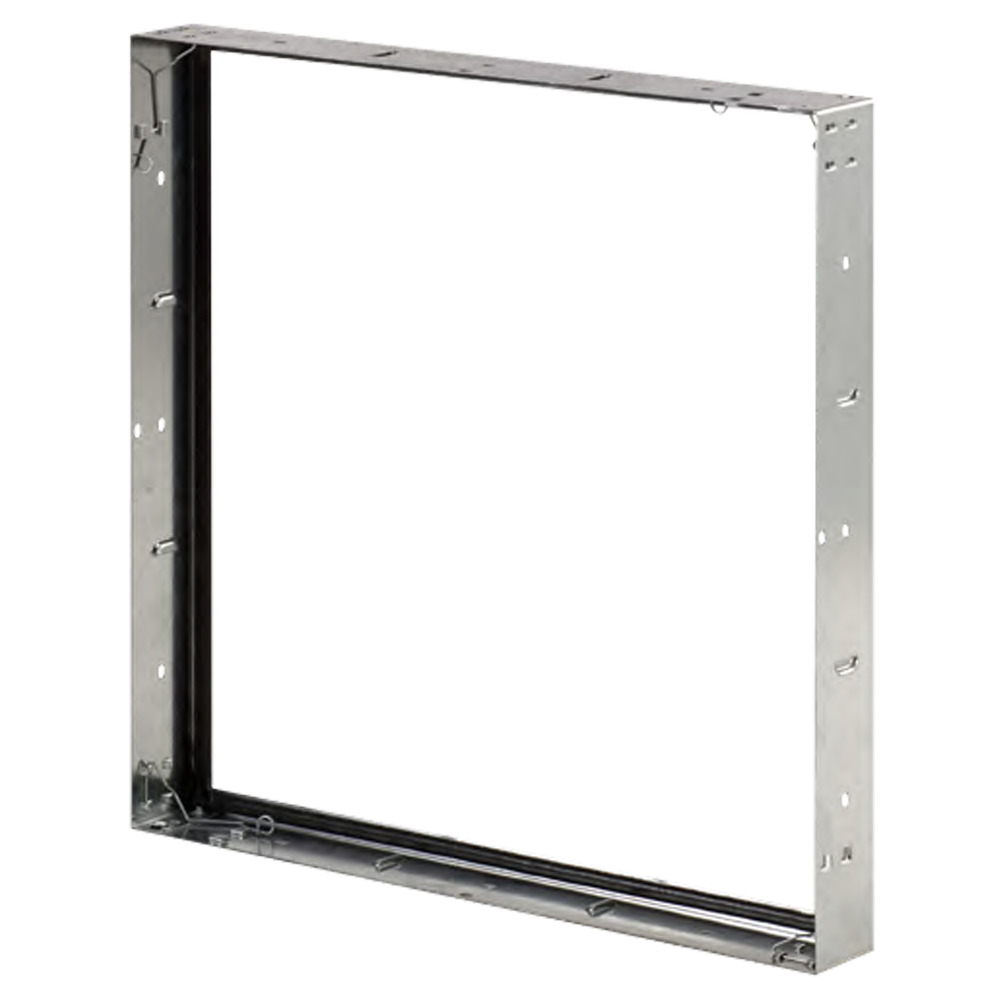
| Product Image |  |
||||||||||||||||
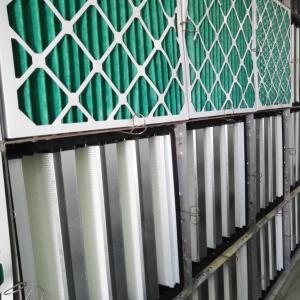
| Product Overview | The Air Filter Differential Pressure Gauge Kit is designed to monitor resistance across air filters, filter banks and livestock ventilation filtration systems. By comparing pressure on the upstream and downstream sides of a filter, the gauge provides a direct indication of filter pressure drop and helps farm operators evaluate filter loading during daily operation. It is suitable for pig houses, poultry houses, livestock buildings and agricultural air-treatment projects where filter condition must be checked without removing the filter. The kit can be integrated with pre-filter stages, high-efficiency filters, filter walls and ducted filter housings according to project requirements. |
||||||||||||||||
| Key Features |
|
||||||||||||||||
| Structural Components | A typical kit consists of a differential pressure gauge, high-pressure and low-pressure connections, flexible pressure tubing, static pressure pickup points, mounting hardware and connection fittings. The exact kit configuration depends on the selected gauge and filter housing arrangement. For livestock filtration projects, the pressure pickup points are normally positioned on opposite sides of the filter stage so that the pressure difference across the filter can be measured continuously. |
||||||||||||||||
| Working Principle / Structural Principle | The high-pressure connection is installed on the upstream side of the filter and the low-pressure connection is installed on the downstream side. The gauge measures the difference between these two pressure points and displays the resulting filter pressure drop. As dust and airborne particles accumulate in the filter media, airflow resistance generally increases. The differential pressure reading therefore provides maintenance personnel with a practical indication of filter loading and can be compared with the recommended final resistance specified for the selected filter. |
||||||||||||||||
| Technical Specifications |
|
||||||||||||||||
| Applications |
|
||||||||||||||||
| Customization Options | The gauge range, scale unit, tubing length, mounting bracket, pressure fittings and installation arrangement can be customized according to the selected air filter system and ventilation design. For complete livestock projects, the pressure gauge kit can be matched with filter holding frames, modular filter walls, pre-filters and high-efficiency filters. Configuration is available upon request and can be designed according to local climate and farm conditions. |
||||||||||||||||
| Installation & Maintenance | Install one static pressure pickup on the upstream side of the filter and another on the downstream side. Connect the upstream point to the high-pressure port and the downstream point to the low-pressure port using suitable tubing. The tubing should be routed away from sharp bends, crushing points and locations where condensate or dust may obstruct the pressure signal. After installation, check the gauge zero position and confirm that all tubing connections are secure and leak-free. During routine maintenance, inspect the tubing, fittings and pressure pickup points for blockage, damage or looseness. Filter replacement thresholds should follow the pressure-drop recommendations of the actual filter manufacturer. |
||||||||||||||||
| Project Cases | In commercial pig-house filtration projects, differential pressure gauges can be installed on modular filter walls or ducted filter housings to provide operators with a visible reference for filter condition. Multi-stage systems can use separate pressure monitoring points for pre-filters and final filters where required. This arrangement supports planned maintenance, easier filter inspection and more consistent operation of livestock ventilation systems. |
||||||||||||||||
| Product FAQ | Q: What does the differential pressure gauge measure? A: It measures the pressure difference between the upstream and downstream sides of an air filter or filter bank. Q: Can it be used to determine when an air filter should be replaced? A: Yes. Increasing differential pressure is commonly used as an indicator of filter loading. The actual replacement limit should follow the filter manufacturer's recommended final pressure drop. Q: Can the gauge be used with both pre-filters and final filters? A: Yes. The kit can be configured for pre-filters, bag filters, compact filters and high-efficiency filters according to project requirements. Q: Can different pressure ranges be supplied? A: Yes. Gauge ranges are available upon request and should be selected according to the expected pressure drop of the filtration system. Q: Can it be supplied together with a complete pig house filter wall? A: Yes. Differential pressure monitoring components can be included as part of a complete livestock air filtration project. |
||||||||||||||||
| Product Gallery |   |
- Home
-
Products
- Pig Farming Equipment
- Cattle Farming Equipment
- Sheep & Goat Farming Equipment
- Poultry Farming Equipment
- Feeding & Drinking Systems
- Veterinary & Breeding Equipment
- Testing & Diagnostic Equipment
- Cleaning & Biosecurity Equipment
- Climate Control Equipment
- Livestock Weighing Equipment
- Manure & Waste Management
- Farm Transport & Handling
-
Solutions
- Pig Farm Solutions
- Dairy Farm Solutions
- Beef Cattle Farm Solutions
- Sheep & Goat Farm Solutions
- Layer Farm Solutions
- Broiler Farm Solutions
- Feeding & Drinking System Solutions
- Climate Control Solutions
- Biosecurity & Disinfection Solutions
- Manure & Waste Management
- Smart Farming Solutions
- Farm Renovation and Upgrade Solutions
- Partners
- Projects
- Resources
- News
- About Us
- Contact

Comments & Inquiries
Leave your questions or requirements below. We will reply as soon as possible.