

| Product Name | Veterinary Suture Removal Scissors | ||||||||||||||||||||||
| Product Image | 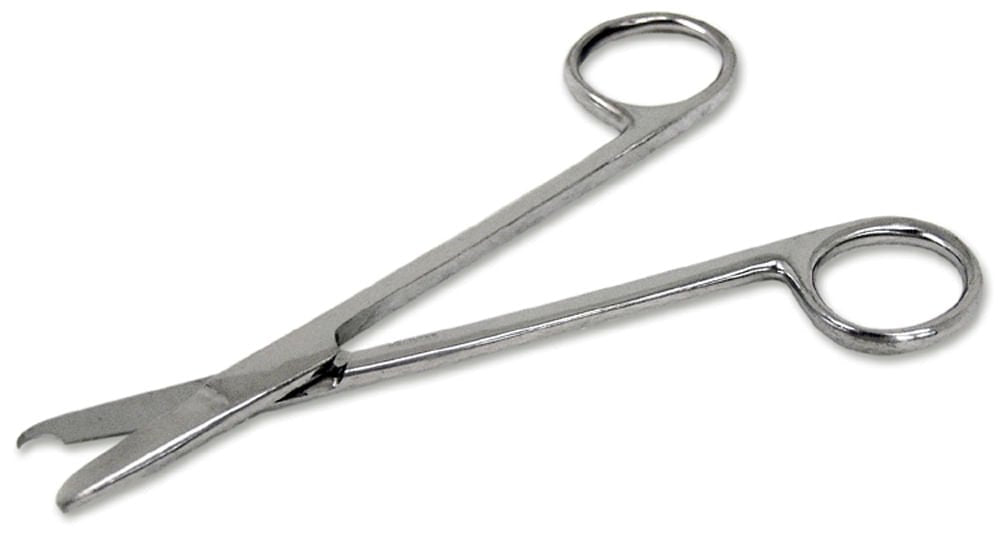 |
||||||||||||||||||||||
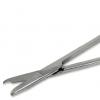
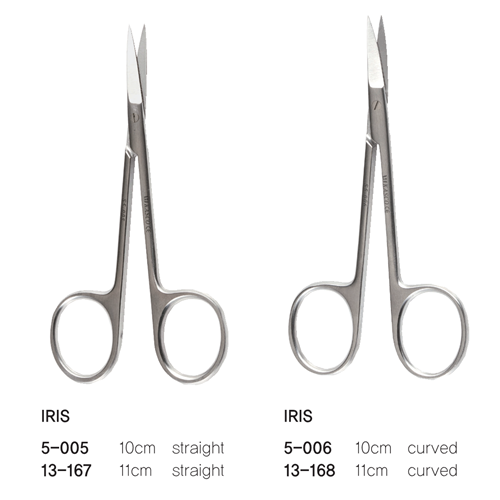
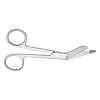
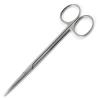
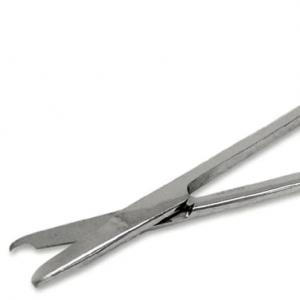
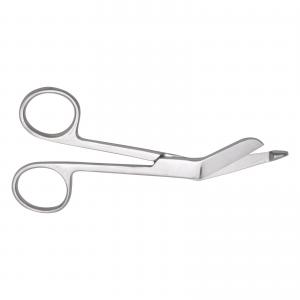
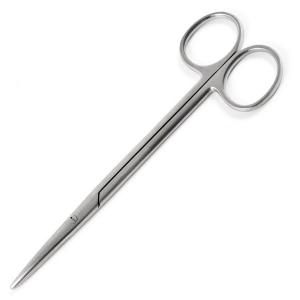
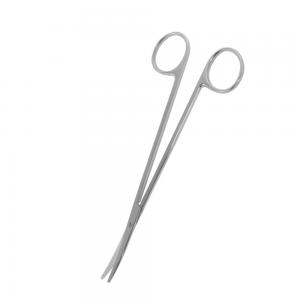
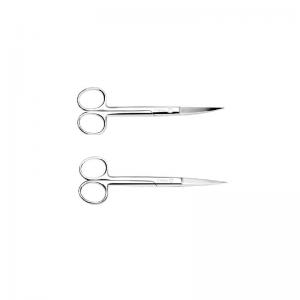
| Product Overview | Veterinary Suture Removal Scissors are precision surgical instruments designed for controlled cutting and removal of external sutures during postoperative animal care. A characteristic small hook on one blade can slide beneath the suture, slightly elevate it from the skin and help hold it in position before cutting. This design helps veterinary professionals separate the suture from surrounding tissue and provides improved control during stitch removal. Depending on procedural requirements, suture removal scissors are available in Littauer, Spencer, Northbent and related patterns, with straight, curved or angled configurations. The instrument is suitable for veterinary clinics, livestock farms, animal hospitals, mobile veterinary teams and commercial livestock health programs involving cattle, pigs, goat-farming-equipment/" target="_blank" class="keylink">sheep, goats, horses and other animals. |
||||||||||||||||||||||
| Key Features |
|
||||||||||||||||||||||
| Structural Components |
|
||||||||||||||||||||||
| Working Principle | During suture removal, the small hooked tip is carefully positioned beneath the exposed section of the suture. The hook gently elevates and stabilizes the thread while helping keep the cutting blade separated from the animal's skin. Closing the finger-ring handles brings the cutting blades together and severs the suture. The cut thread can then be removed using suitable forceps according to veterinary procedure. Correct technique is important to avoid unnecessary tissue contact or pulling contaminated external suture material through the incision. Suture removal should be performed only after appropriate wound assessment and according to veterinary instructions. |
||||||||||||||||||||||
| Technical Specifications |
|
||||||||||||||||||||||
| Applications |
|
||||||||||||||||||||||
| Customization Options |
|
||||||||||||||||||||||
| Use & Maintenance | Inspect the incision site before removing sutures and confirm that wound healing is sufficient according to veterinary assessment. Clean the treatment area and use appropriately processed instruments. Carefully slide the hooked blade beneath the suture without unnecessarily contacting or pinching the skin. Lift the thread slightly and close the blades to cut it in a controlled manner. After use, remove visible biological material promptly and clean the instrument according to the veterinary facility's reusable surgical instrument procedure. The hinge and blade areas require particular attention because organic residue may accumulate around moving surfaces. Sterilize reusable scissors using a method appropriate for the instrument material and facility protocol. Dry thoroughly before storage and periodically inspect the blades, hook, joint and finger rings for wear, corrosion, deformation or impaired cutting performance. |
||||||||||||||||||||||
| Product FAQ | What are veterinary suture removal scissors used for? They are designed to cut and remove external sutures after an animal's surgical incision or wound has healed sufficiently. Why does one blade have a small hook? The hook slides beneath the suture, slightly lifts it away from the skin and helps hold the thread in position before cutting. What is the difference between Littauer and Spencer stitch scissors? Both are designed for suture removal, but their blade proportions, overall dimensions and tip configurations differ. The preferred pattern depends on the procedure and operator preference. Are different lengths available? Yes. Common veterinary patterns are available in multiple lengths, including reference Littauer sizes of 4 1/2 in and 5 1/2 in and Spencer sizes of 3 1/2 in and 5 in. Can these scissors be reused? Reusable stainless steel models can be used repeatedly when correctly cleaned, inspected and sterilized according to applicable procedures. Are they suitable for large livestock? Yes. Appropriate suture removal scissors can be used for cattle, pigs, sheep, goats and horses as well as smaller veterinary patients. |
||||||||||||||||||||||
| Product Gallery | |
- Home
-
Products
- Pig Farming Equipment
- Cattle Farming Equipment
- Sheep & Goat Farming Equipment
- Poultry Farming Equipment
- Feeding & Drinking Systems
- Veterinary & Breeding Equipment
- Testing & Diagnostic Equipment
- Cleaning & Biosecurity Equipment
- Climate Control Equipment
- Livestock Weighing Equipment
- Manure & Waste Management
- Farm Transport & Handling
-
Solutions
- Pig Farm Solutions
- Dairy Farm Solutions
- Beef Cattle Farm Solutions
- Sheep & Goat Farm Solutions
- Layer Farm Solutions
- Broiler Farm Solutions
- Feeding & Drinking System Solutions
- Climate Control Solutions
- Biosecurity & Disinfection Solutions
- Manure & Waste Management
- Smart Farming Solutions
- Farm Renovation and Upgrade Solutions
- Partners
- Projects
- Resources
- News
- About Us
- Contact
Comments & Inquiries
Leave your questions or requirements below. We will reply as soon as possible.