


| Product Name | Veterinary Surgical Scissors | ||||||||||||||||||||||
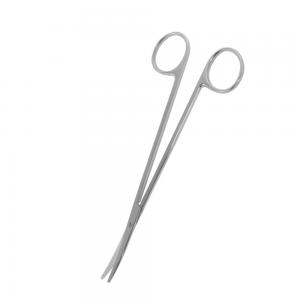
| Product Image |  |
||||||||||||||||||||||
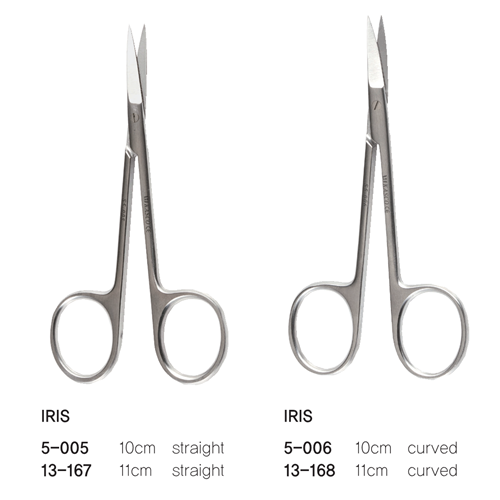
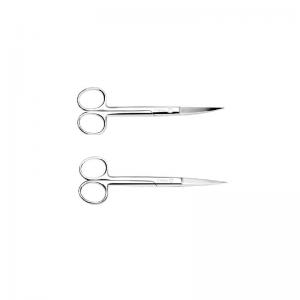
| Product Overview | Veterinary Surgical Scissors are reusable surgical instruments designed for cutting, dissecting and separating soft tissue during animal surgery. Different blade shapes, lengths and cutting profiles can be selected according to the tissue type, access depth and veterinary procedure. Common configurations include Metzenbaum-style scissors for delicate soft tissue dissection and Mayo-style scissors for denser tissue and general surgical cutting. Straight patterns provide controlled cutting in accessible areas, while curved patterns improve visibility and access during deeper tissue dissection. These instruments are suitable for veterinary hospitals, livestock clinics, breeding farms, mobile veterinary teams and animal health facilities requiring durable reusable surgical instruments. |
||||||||||||||||||||||
| Key Features |
|
||||||||||||||||||||||
| Structural Components |
|
||||||||||||||||||||||
| Working Principle | Veterinary surgical scissors operate through a pivoted two-blade mechanism. When the finger rings are closed, the opposing cutting edges pass across each other to divide or dissect tissue in a controlled manner. Metzenbaum-style scissors typically have relatively long shanks and shorter delicate blades, making them suitable for blunt and delicate soft tissue dissection. They are generally not intended for cutting sutures, drains or heavy tissue. Mayo-style scissors have a stronger blade structure and are commonly selected for denser tissue and general surgical dissection. The correct scissor pattern should be selected according to tissue type, procedure and veterinary surgeon preference. |
||||||||||||||||||||||
| Technical Specifications |
|
||||||||||||||||||||||
| Applications |
|
||||||||||||||||||||||
| Customization Options |
|
||||||||||||||||||||||
| Use & Maintenance | Select the appropriate scissor pattern according to the tissue type and surgical procedure. Delicate Metzenbaum-style scissors should be reserved for suitable soft tissue and should not be used to cut heavy tissue, wire, drains or other materials that may damage the cutting edges. After use, remove visible biological material promptly and clean the instrument according to the veterinary facility's validated instrument-reprocessing procedure. Pay particular attention to the pivot joint and blade surfaces during cleaning. The scissors should open and close smoothly without excessive resistance, looseness or misalignment. Sterilize reusable surgical scissors using a validated method compatible with the instrument material. Allow instruments to dry completely before storage to help reduce corrosion risk. Inspect cutting edges, tips, finger rings and the pivot joint before each procedure. Instruments with damaged, dull, misaligned or corroded components should be serviced or removed from clinical use. |
||||||||||||||||||||||
| Product FAQ | What are veterinary surgical scissors used for? They are used for cutting, dissecting and separating tissue during veterinary surgical procedures. The specific application depends on the scissor pattern and blade design. What is the difference between Metzenbaum and Mayo scissors? Metzenbaum scissors generally have longer shanks and more delicate blades for soft tissue dissection, while Mayo scissors have stronger blades suitable for denser tissue and general surgical cutting. Are straight and curved scissors available? Yes. Both straight and curved configurations are commonly available. Straight scissors are convenient for accessible tissue, while curved patterns can improve access and visibility in deeper surgical fields. Can Metzenbaum scissors be used to cut sutures? Delicate Metzenbaum scissors should generally not be used for cutting sutures, drains or heavy tissue because these applications can damage the blades. Are the scissors reusable? Yes. Surgical-grade stainless steel veterinary scissors are designed for reuse after correct cleaning, inspection and sterilization. Can different sizes be supplied? Yes. Multiple lengths, blade shapes and cutting-edge configurations can be supplied according to veterinary procedures and procurement requirements. |
||||||||||||||||||||||
| Product Gallery |   |
- Home
-
Products
- Pig Farming Equipment
- Cattle Farming Equipment
- Sheep & Goat Farming Equipment
- Poultry Farming Equipment
- Feeding & Drinking Systems
- Veterinary & Breeding Equipment
- Testing & Diagnostic Equipment
- Cleaning & Biosecurity Equipment
- Climate Control Equipment
- Livestock Weighing Equipment
- Manure & Waste Management
- Farm Transport & Handling
-
Solutions
- Pig Farm Solutions
- Dairy Farm Solutions
- Beef Cattle Farm Solutions
- Sheep & Goat Farm Solutions
- Layer Farm Solutions
- Broiler Farm Solutions
- Feeding & Drinking System Solutions
- Climate Control Solutions
- Biosecurity & Disinfection Solutions
- Manure & Waste Management
- Smart Farming Solutions
- Farm Renovation and Upgrade Solutions
- Partners
- Projects
- Resources
- News
- About Us
- Contact

Comments & Inquiries
Leave your questions or requirements below. We will reply as soon as possible.