

| Product Showcase | Content | ||||||||||||||||||
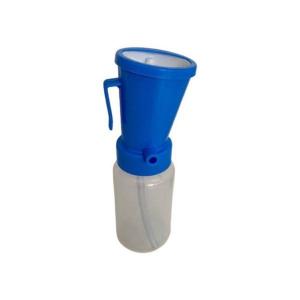
| Product Name | Teat Dip Cup Cap | ||||||||||||||||||
| Product Image | 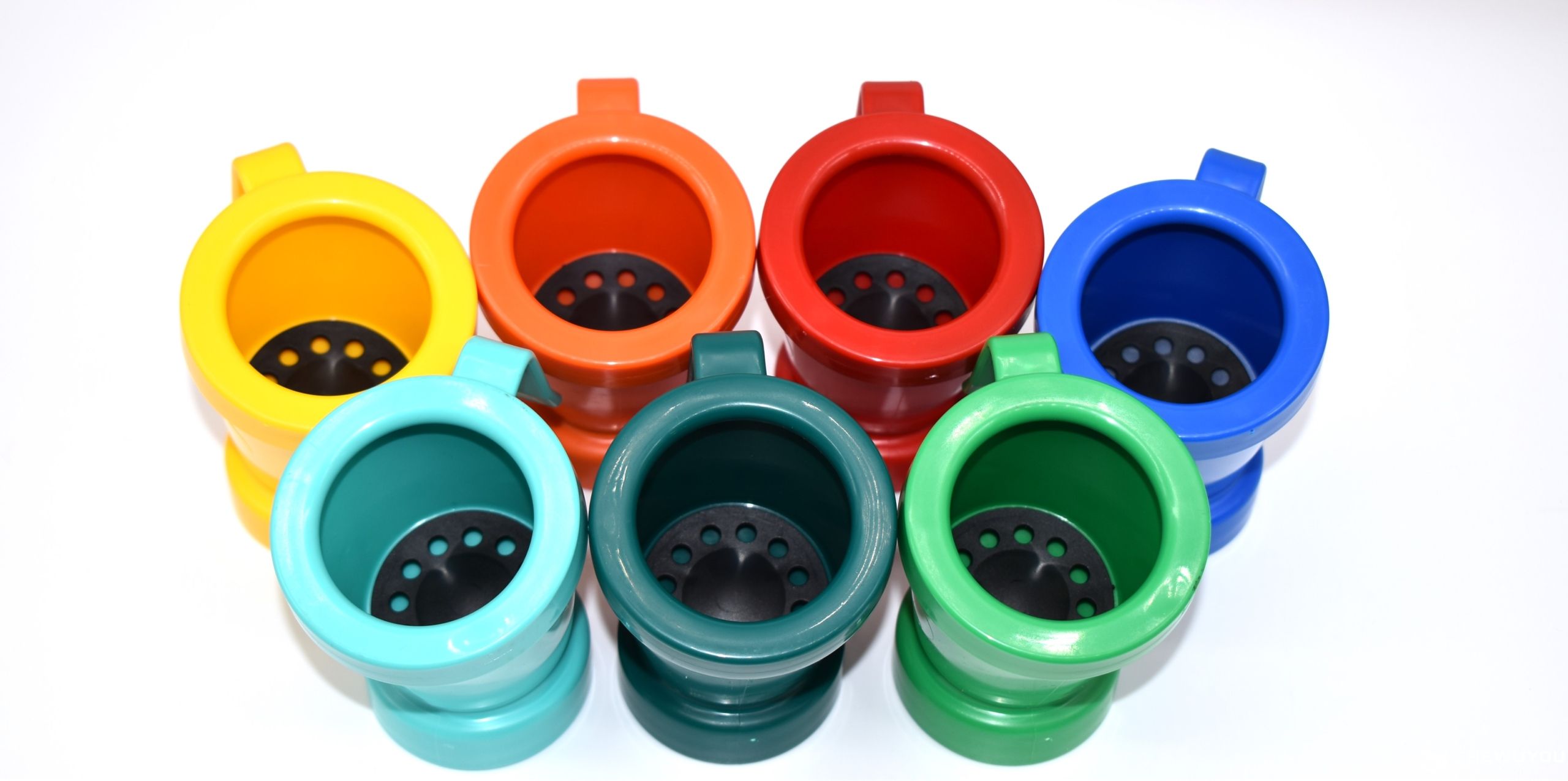 |
||||||||||||||||||
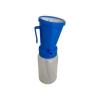
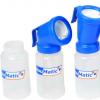
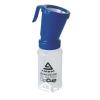
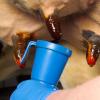
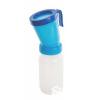
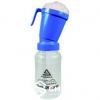
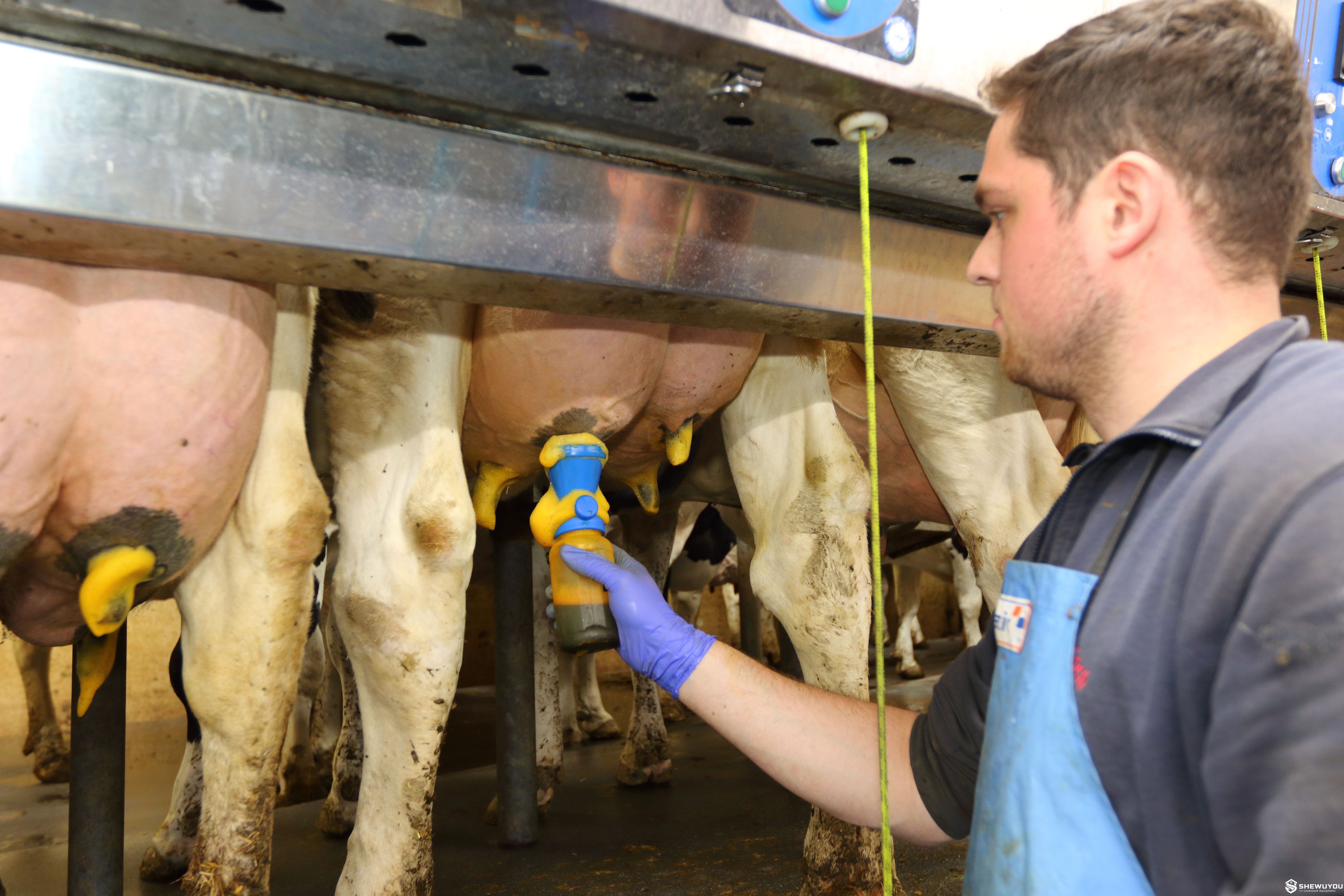
| Product Overview | The Teat Dip Cup Cap is a key connection component for manual teat-dipping equipment. It is designed to connect the flexible solution bottle with the dip tube and teat-dipping cup, creating a controlled pathway for teat-dip solution during dairy herd hygiene procedures. The cap forms the functional interface between the reservoir and applicator assembly. Its sealing and connection structure helps support reliable solution transfer while reducing leakage during repeated squeezing and dispensing operations. Designed for commercial dairy farms, milking parlors, livestock hygiene stations and dairy equipment maintenance programs, the component can be supplied as part of a complete teat dip cup or as a replacement component for compatible assemblies. |
||||||||||||||||||
| Key Features |
|
||||||||||||||||||
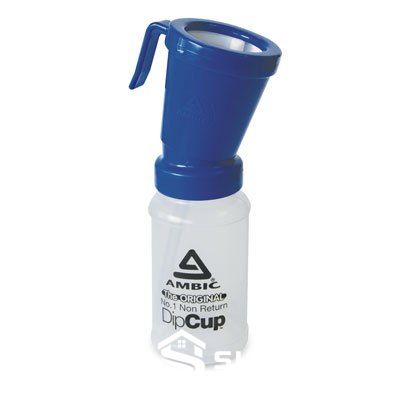
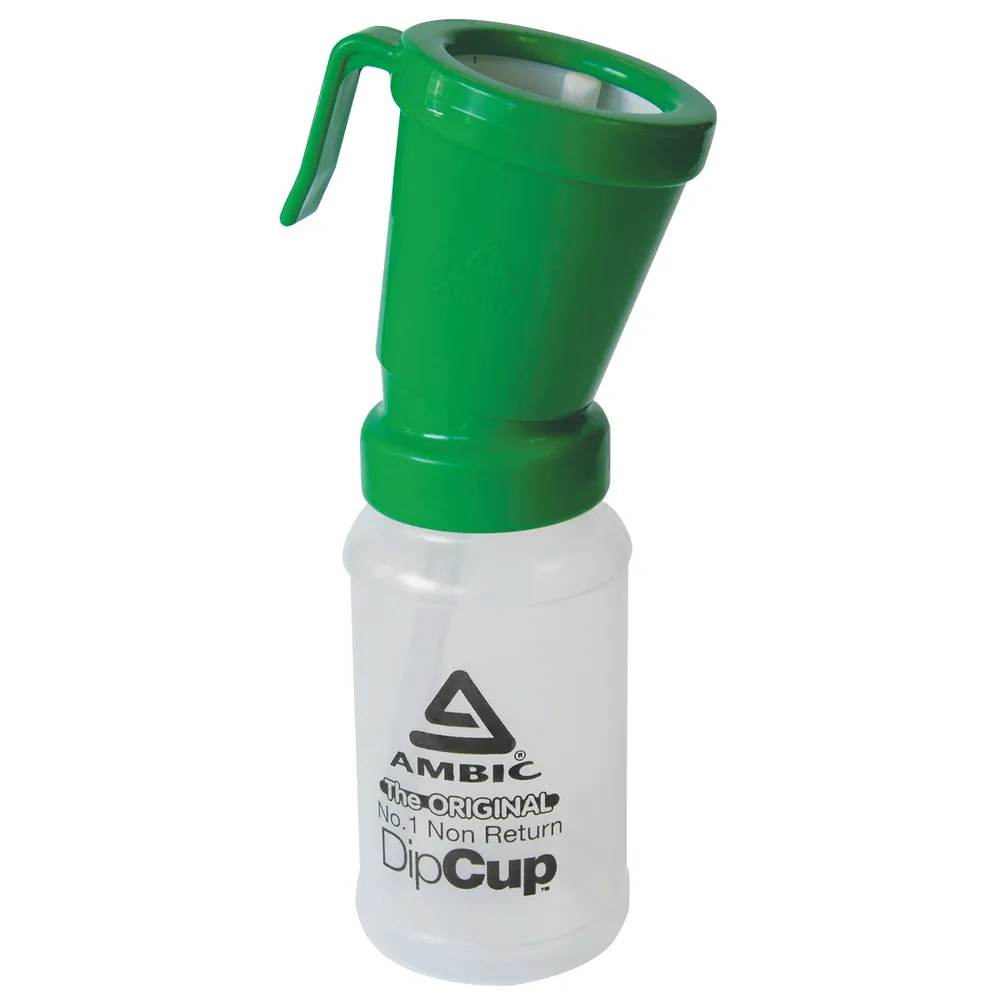
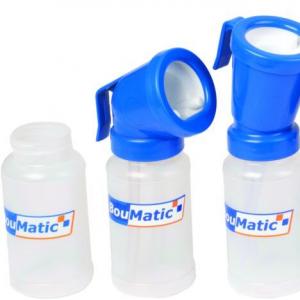
| Structural Components | The Teat Dip Cup Cap is typically manufactured as a molded polymer connection component. Its main structural features include a bottle connection interface, internal solution passage, dip-tube connection point and sealing area. Depending on the applicator configuration, the cap may work with an angled teat-dipping cup, flexible squeeze bottle, dip tube, splash-control section or non-return valve. The exact geometry is determined by the complete teat dip cup assembly. Common material choices for this category include polypropylene and other durable molded plastics. The final material should be selected according to chemical compatibility, temperature conditions, cleaning procedures and expected service life. |
||||||||||||||||||
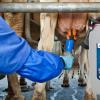
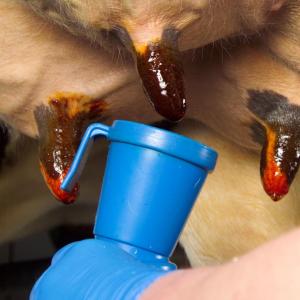
| Working Principle / Structural Principle | The cap connects the solution reservoir to the applicator's internal tube. When the flexible bottle is squeezed, pressure pushes the teat-dip solution through the cap and into the dipping cup. The operator positions the teat inside the cup to achieve the required teat coverage. When squeezing pressure is released, solution-flow behavior depends on the overall applicator configuration. In return-type systems, unused solution can flow back through the tube into the bottle. In non-return systems, a valve or dedicated flow path helps prevent used solution from returning to the clean reservoir. Ambic's StandardDipper reference design uses a bottle, applicator cap and PVC tube as part of its manual solution-transfer system. Its published construction includes a polypropylene applicator and LDPE bottle. ([ambic.co.uk](https://ambic.co.uk/wp-content/uploads/2021/04/ADC100-StandardDipper-Datasheet.pdf?utm_source=chatgpt.com)) |
||||||||||||||||||
| Technical Specifications |
Exact dimensions and material specifications should be confirmed against the complete teat-dipping assembly before ordering or replacement. |
||||||||||||||||||
| Applications |
The Teat Dip Cup Cap is primarily intended for dairy cattle teat-dipping equipment. It is not a standard component for pig farm construction or steel structure building systems. |
||||||||||||||||||
| Customization Options | The Teat Dip Cup Cap can be customized to match the bottle, tube and dipping-cup assembly specified for a particular dairy hygiene system. Custom options may include connection dimensions, internal passage geometry, sealing structure, material, color and identification marking. For international B2B customers, the cap can be developed as a replacement component or incorporated into a complete private-label teat-dipping applicator. OEM configurations are available according to project requirements and production capability. Material selection should be verified against the chemical formulation used on the farm. Designs can be developed according to local climate, storage conditions, cleaning procedures and operating environment. |
||||||||||||||||||
| Installation & Maintenance | Installation is generally completed by fitting the cap to the compatible solution bottle and connecting the internal dip tube. The connection should be fully seated and sealed before filling the reservoir and starting operation. Before each use, inspect the cap, sealing area, tube connection and bottle neck for cracks, deformation or leakage. Make sure the solution passage remains clear and that all components are properly assembled. After operation, clean the cap and associated components according to the farm's hygiene procedure and the chemical manufacturer's instructions. Avoid mixing incompatible chemicals and replace damaged sealing or connection components promptly. |
||||||||||||||||||
| Product FAQ |
Q: What is a Teat Dip Cup Cap? Q: Can the cap be supplied separately? Q: What material is used for the cap? Q: Can it be used with different teat-dip bottles? Q: Is a non-return configuration available? Q: Can OEM and private-label orders be supported? |
||||||||||||||||||
| Product Gallery |
   |
- Home
-
Products
- Pig Farming Equipment
- Cattle Farming Equipment
- Sheep & Goat Farming Equipment
- Poultry Farming Equipment
- Feeding & Drinking Systems
- Veterinary & Breeding Equipment
- Testing & Diagnostic Equipment
- Cleaning & Biosecurity Equipment
- Climate Control Equipment
- Livestock Weighing Equipment
- Manure & Waste Management
- Farm Transport & Handling
-
Solutions
- Pig Farm Solutions
- Dairy Farm Solutions
- Beef Cattle Farm Solutions
- Sheep & Goat Farm Solutions
- Layer Farm Solutions
- Broiler Farm Solutions
- Feeding & Drinking System Solutions
- Climate Control Solutions
- Biosecurity & Disinfection Solutions
- Manure & Waste Management
- Smart Farming Solutions
- Farm Renovation and Upgrade Solutions
- Partners
- Projects
- Resources
- News
- About Us
- Contact
Comments & Inquiries
Leave your questions or requirements below. We will reply as soon as possible.